Precision work almost never goes wrong because of one big, dramatic mistake. More often, it starts small: a tip that's just a little off, a spring that feels too tense, or a surface that leaves behind residue you can't even see. By 2026, the best Lab Tweezers need to do more than look nice. They should give you controlled handling, stable geometry, clean construction, and a grip that still feels okay after you've used them over and over. They need to pick up tiny parts without crushing them—and stay predictable under a microscope.
As Dr. Elena Rossi, a laboratory tools specialist, puts it: 'A tweezer is precise only when its tip, its material, and the user work together.' That idea shapes how we evaluate them. We look at stainless steel, anti-magnetic, ceramic, and ESD-safe designs from makers like Dumont, Ted Pella, Inc., and Fine Science Tools. Tip alignment? Huge. The finish between the jaws matters too. A polished surface might cut down on scratching, while a textured grip can give you better control when you're wearing gloves.
Yep, the small stuff matters.
This guide rounds up 10 Best Lab Tweezers for Precision Work in 2026, and we're using practical criteria—not just pretty packaging. We weigh tip shape, closing force, corrosion resistance, sterilization tolerance, and how comfortable they are over long sessions. We also ask whether each model fits microscopy, electronics assembly, sample prep, or delicate lab transfers. No ranking is ever perfect. Your hand strength, work angle, and cleaning habits can shift the result. Some people want a firmer tweezer; others need one that closes almost effortlessly. That difference is worth paying attention to. Even a premium model can feel wrong in your hand. So our goal isn't to crown one universal winner. It's to point out dependable choices for specific precision tasks.
What Lab Tweezers Are and Why Precision Matters
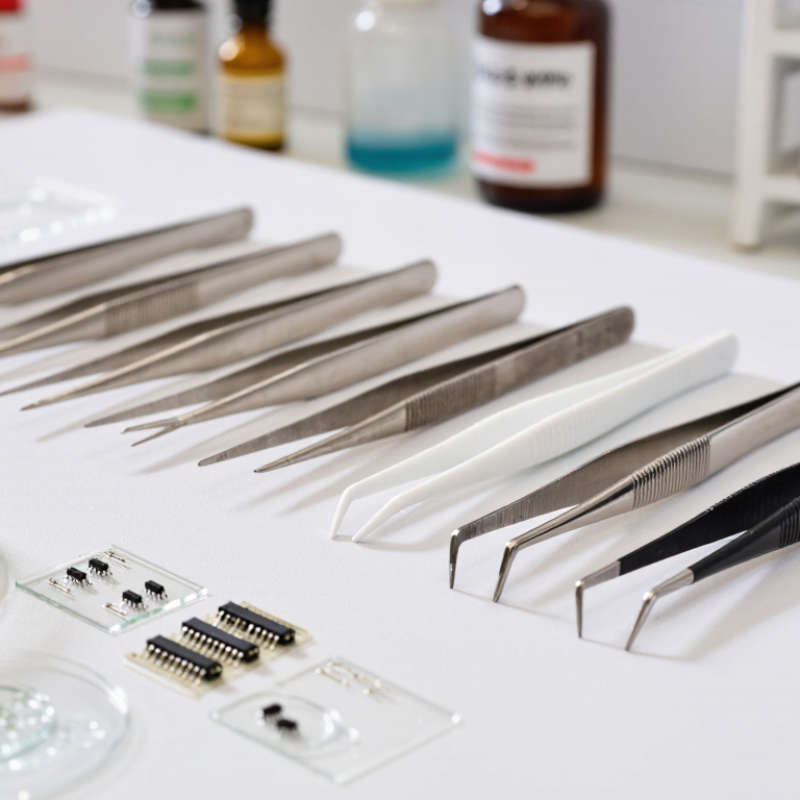
Lab tweezers are small, spring-loaded tools designed to grasp, position, or remove delicate materials. Their value is not simply their size. Tip geometry, closing pressure, surface finish, and balance determine whether a specimen stays intact or slips away. In practical work, a 0.1-millimeter movement can change a sample’s position, especially under magnification. I still occasionally choose a tip that feels comfortable but lacks enough control. That mistake is easy to overlook.
Precision matters because laboratory results depend on repeatable handling. ISO/IEC 17025:2017 emphasizes measurement traceability, competence, and uncertainty control. Tweezers cannot eliminate uncertainty, but they can reduce avoidable variation during preparation. The World Health Organization’s Laboratory Biosafety Manual, fourth edition, also recommends risk-based procedures and suitable equipment for each task. Clean, corrosion-resistant tweezers with smooth tips help limit contamination and accidental damage. Shorter tools may improve control, while longer handles can protect hands from heat or awkward access.
The global laboratory equipment market was valued at approximately USD 44.2 billion in 2023, according to Grand View Research’s 2024 market analysis, with continued growth projected through 2030. That expansion reflects more detailed, automated, and quality-controlled laboratory workflows. Yet expensive instruments cannot correct careless manual handling. A good pair should match the material, force, and working distance. Test the grip before use. Check the tips under magnification. Even then, selection is partly judgment, not a perfect formula.
Key Features of High-Precision Lab Tweezers
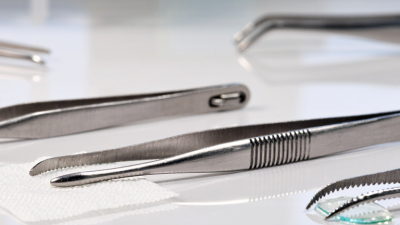
High-precision tweezers are essential when handling specimens, microcomponents, or delicate samples. The best Tweezers For Lab work should offer sharp, aligned tips that close evenly without excessive pressure. Tip geometry matters. Fine pointed tips suit tiny particles, while rounded tips reduce damage to soft materials.
Material choice also affects reliability. Stainless steel resists routine corrosion and tolerates repeated cleaning. Anti-magnetic construction can prevent unwanted movement near sensitive components. For optical or electronic work, an anti-static surface helps reduce dust attraction and accidental discharge. A comfortable grip matters too. Long sessions expose poor ergonomics quickly, especially when spring tension is too strong. I once chose ultra-fine tips for visibility, but they bent during ordinary handling. That mistake changed how I evaluate durability.
Tips: Inspect the tips under magnification before each session. They should meet cleanly, without gaps or burrs. Test the closing force on a small piece of lint-free material. Do not force misaligned tips together. Clean them with an approved solvent, then dry them fully. Store tweezers in a protective case, not loose in a crowded drawer. Keep separate pairs for sterile and non-sterile tasks. This simple habit prevents cross-contamination and protects delicate edges. Static-sensitive work may need grounding measures, but local laboratory procedures should guide the final choice. No tool is perfect. Even premium-feeling tweezers require regular inspection and careful handling.
10 Best Lab Tweezers for Precision Work in 2026 - Key Features of High-Precision Lab Tweezers
| No. | Tweezers Type | Construction Material | Overall Length | Tip Width | Key Precision Features | Sterilization Compatibility | Recommended Precision Work | Precision Score |
| 1 | Ultra-Fine Straight Tip | Anti-magnetic stainless steel | 120 mm | 0.10 mm | Extremely narrow tips, aligned points, low-profile design | Autoclavable up to approximately 121°C | Micro-assembly, fine wire placement, microscopy samples | 5.0/5 |
| 2 | Fine Angled Tip | Anti-magnetic stainless steel | 115 mm | 0.15 mm | 30-degree angled tips improve visibility and access | Autoclavable up to approximately 121°C | Cell culture handling, specimen transfer, restricted workspaces | 4.9/5 |
| 3 | Ceramic-Tip Precision Tweezers | Stainless steel with zirconia ceramic tips | 125 mm | 0.20 mm | Non-conductive, heat-resistant tips with strong chemical resistance | Suitable for solvent cleaning; follow ceramic-tip care limits | Electronics, heated components, chemically sensitive samples | 4.8/5 |
| 4 | Reverse-Action Tweezers | Surgical-grade stainless steel | 145 mm | 0.30 mm | Opens when squeezed and holds objects without continuous pressure | Autoclavable up to approximately 121°C | Extended manipulations, mounting, inspection and sample positioning | 4.7/5 |
| 5 | Flat-Round Tip Tweezers | Anti-magnetic stainless steel | 110 mm | 1.20 mm | Broad smooth tips distribute contact force and reduce marking | Autoclavable up to approximately 121°C | Thin films, membranes, coverslips and delicate flat materials | 4.6/5 |
| 6 | Serrated-Grip Tweezers | Hardened stainless steel | 130 mm | 0.80 mm | Fine internal serrations improve grip on textured or wet items | Autoclavable up to approximately 121°C | Filter papers, tissue sections, mesh and irregular specimens | 4.5/5 |
| 7 | Non-Magnetic Titanium Tweezers | Titanium alloy | 120 mm | 0.40 mm | Lightweight, corrosion-resistant and safe around magnetic components | Autoclavable; verify the validated cycle before use | Magnetic assemblies, clean handling and corrosion-sensitive procedures | 4.5/5 |
| 8 | Insulated Fine-Point Tweezers | Stainless steel with polymer coating | 125 mm | 0.25 mm | Electrical insulation on handles with precise pointed tips | Chemical wipe disinfection; coating may limit autoclaving | Low-voltage electronics, sensors and static-sensitive components | 4.4/5 |
| 9 | Micro-Spatula Tweezers | Polished stainless steel | 140 mm | 0.60 mm | One pointed tip and one narrow spatula tip for controlled handling | Autoclavable up to approximately 121°C | Powders, crystals, micro-samples and laboratory weighing tasks | 4.3/5 |
| 10 | Large Ergonomic Fine-Point Tweezers | Anti-magnetic stainless steel with matte finish | 160 mm | 0.35 mm | Long reach, reduced-reflection finish and comfortable finger rest | Autoclavable up to approximately 121°C | Work inside vessels, glove boxes and deep laboratory containers | 4.2/5 |
Common Types of Tweezers for Laboratory Applications
Common Types of Tweezers For Laboratory Applications
Laboratory tweezers are small tools, but their geometry affects contamination, grip, and sample damage. A 2024 R&D World Global Funding Forecast estimated worldwide research and development spending at about 3 trillion dollars. More funded work means more delicate handling tasks.
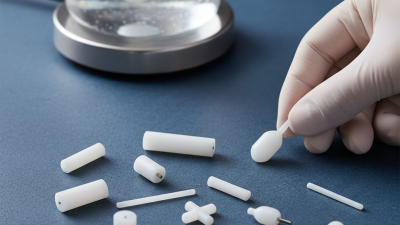
The common types are broad. Stainless-steel tweezers suit routine dissection, filter handling, and general sample transfer. Fine-point tweezers provide better control for microelectronics, tissue sections, and tiny fibers. Blunt-tip designs reduce puncture risks near fragile materials. Curved tweezers improve visibility inside narrow vessels. Serrated tips hold slippery objects, although they may mark soft samples. For chemically sensitive work, Ptfe Tweezers resist many solvents and reduce surface scratching. Anti-magnetic versions help around magnetic components and sensitive instruments. Plastic tweezers are useful for light-duty handling, but their lower rigidity can frustrate precise placement.
Tips: Match the tip to the sample, not the habit. Check alignment under magnification. Clean tools according to the laboratory’s validated procedure. ISO/IEC 17025:2017 stresses technically valid results and controlled equipment, which includes routine tool maintenance. The WHO Laboratory Biosafety Manual, fourth edition, also supports risk-based equipment selection. In practice, I still see users choosing ultra-fine tips for every task. That is not always better. Fine tips can bend, slip, and create hand fatigue. My own preference is simple: test grip, visibility, and cleaning response with a spare sample before starting valuable work.
How to Choose Tweezers for Different Precision Tasks
10 Best Lab Tweezers for Precision Work in 2026
How to Choose Tweezers for Different Precision Tasks
Choosing laboratory tweezers starts with the task, not the price. Fine, pointed tips suit tiny components, tissue handling, and delicate sample placement. Rounded tips reduce accidental punctures during routine transfers. For flat materials, broad tips provide steadier contact and less pressure. Fit matters. The tips should meet evenly under gentle force, without visible gaps.
Material also affects performance. Stainless steel resists corrosion and tolerates repeated cleaning, while ceramic tips can help when heat or chemical resistance matters. Anti-magnetic construction is useful near sensitive electronic parts. Static-sensitive work requires suitable dissipative tweezers and proper grounding practices. Check the working temperature and cleaning instructions before use. A tool that looks precise may lose alignment after harsh sterilization.
I inspect the tips under magnification before every delicate procedure. Even a small burr can scratch a slide or damage a thin wire. Grip comfort matters during long sessions; stiff hinges can cause hand fatigue. I once chose ultra-fine tips for a task requiring firm control, and they flexed too easily. That mistake changed my selection method. Now I test several tools using the actual material, then record tip alignment, force, and cleaning response. Results can vary between operators, so a short trial is more reliable than a specification sheet alone.
10 Best Lab Tweezers for Precision Work in 2026
Choosing the 10 best lab tweezers for precision work in 2026 requires more than comparing tip shapes. In daily laboratory use, I examine grip, alignment, spring tension, and resistance to cleaning agents. Fine-point tweezers suit micro-parts and delicate samples. Flat tips offer steadier support for thin films. Curved tips improve access inside narrow vessels. Blunt tips reduce accidental punctures during routine handling.
Material matters greatly. Stainless steel remains dependable for general work, while ceramic-tipped tools can help when electrical insulation is important. Serrated grips hold slippery items, but they may mark soft surfaces. Check the tips under bright light. Even a tiny gap can ruin accurate placement. Keep them in a clean tray, not loose beside glassware. Small habits matter.
A practical 2026 selection should include cross-lock tweezers, angled tweezers, ultra-fine tweezers, and anti-magnetic options. I also keep separate tools for heated procedures and contamination-sensitive tasks. They should not share the same storage space. For stirring rather than gripping, a Lab Ptfe Stir Paddle/Lab Ptfe Stirring Paddle can handle many chemically demanding mixtures, but it is not a substitute for precision tweezers. I have sometimes chosen an overly sharp tip, expecting better control, and regretted it on fragile samples. The best tool depends on hand pressure, sample texture, workspace visibility, and cleaning requirements. Test before committing.
10 Best Lab Tweezers for Precision Work in 2026
Comparative precision scores for common laboratory tweezer designs, rated on tip geometry, handling control, access, and suitability for small components. Scores use a 10-point editorial scale.
Extra-fine and anti-magnetic designs are generally preferred for delicate electronic, microscopy, and specimen-handling tasks, while blunt and flat tips provide better stability for larger samples.
Proper Use, Cleaning, and Maintenance of Lab Tweezers
Precision work often fails at the tool, not the experiment. Clean lab tweezers before and after every task. Hold them by the handle, never touch the tips, and avoid placing them directly on the bench. For sterile work, follow your facility’s validated sterilization procedure. Heat can damage fine tips or change their alignment. WHO’s Global Report on Infection Prevention and Control estimates healthcare-associated infections affect 7% of acute-care patients in high-income countries and 15% in low- and middle-income countries. Tweezers are only one control, but small contact points matter.
Use smooth, controlled pressure. Squeezing too hard can crush membranes, bend specimens, or leave hidden scratches. Stainless steel tips should be rinsed with approved laboratory water, then dried completely with a lint-free wipe. Do not store damp tweezers in a closed case. Inspect the tips under magnification each week. A slight gap can misplace a sample. I once trusted a clean-looking pair and missed residue near the hinge. That mistake changed my inspection routine.
Tips: Keep separate tweezers for chemicals, biological samples, and general handling. Label each set clearly. For sieve preparation, inspect the Lab Test Sieve with the same care. Record cleaning dates, disinfectant concentration, and unusual wear. CDC hand-hygiene guidance recommends scrubbing with soap and water for at least 20 seconds; that habit also reinforces disciplined tool handling. ISO 15189:2022 emphasizes equipment maintenance, monitoring, and documented records. If a tip feels rough, stop using it. Replacement is safer than forcing precision.
Borosilicate Glass Beakers 3.3: Market Insights from Grand View Research and Fortune Business Insights
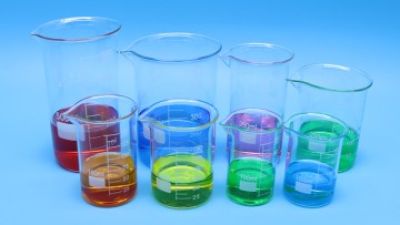
The market for borosilicate glass Beakers 3.3 continues to develop as laboratories, educational institutions, chemical facilities, and quality-control centers seek reliable, reusable measuring equipment. Industry market analyses indicate that demand is supported by the expansion of scientific research, pharmaceutical testing, and chemical processing, where thermal stability, chemical resistance, and measurement clarity are essential. Borosilicate glass 3.3 is especially valued for its ability to withstand temperatures up to 560℃ while maintaining dependable performance during repeated heating, cleaning, and handling.
This high-quality glass beaker from China is available in volumes from 5ml to 20,000ml. Its transparent body features clear standard graduations, uniform thickness, smooth impurity-free surfaces, and intact edges that help reduce distortion, cracking, and reading errors. Flat or flanged mouths can be supplied with or without a spout, providing flexibility for pouring, mixing, heating, and general laboratory work. The durable material also supports safe reuse and efficient cleaning in demanding environments.
As buyers increasingly look for adaptable laboratory products, OEM and ODM services provide additional value. Designs can be customized according to drawings or application requirements, with printing options available for graduations, identification marks, or instructional details. These beakers are suitable for professional laboratories, classrooms, research projects, and diverse scientific applications requiring consistent quality and practical design.
FAQS
Lab tweezers grasp, position, or remove delicate materials. They help move specimens, microcomponents, and small samples under magnification.
Aligned tips close evenly and hold materials securely. A tiny gap can shift a sample by 0.1 millimeters.Small movements matter.
Fine pointed tips suit tiny particles and narrow spaces. Rounded tips may reduce damage to soft materials.The material decides.
Stainless steel resists routine corrosion and repeated cleaning. Anti-magnetic designs help near sensitive components.Anti-static surfaces can reduce dust attraction and accidental discharge.
Check the tips under magnification. They should meet cleanly without burrs or visible gaps.Test the grip gently on lint-free material. Do not force misaligned tips together.
Clean them before and after every task. Use an approved solvent or laboratory water, following local procedures.Dry the tips completely. Damp tools can corrode inside a closed case.
Keep separate pairs for sterile, chemical, biological, and general tasks. Label each set clearly.Never touch the tips with bare fingers. Store each pair in a protective case.
Excessive pressure can crush membranes, bend specimens, or leave hidden scratches. Long handles may reduce control in close work.I once chose very fine tips that bent quickly. Comfort alone is not enough.
Replace them when tips feel rough, remain misaligned, or show corrosion. Continued use may place samples incorrectly.Do not force precision. Document unusual wear and cleaning dates.
Conclusion
Lab Tweezers are essential precision tools for handling small, delicate, or easily contaminated components in laboratory settings. This article explains why precision matters and examines the key features of reliable tweezers, including tip alignment, material quality, grip comfort, resistance to corrosion, and control during fine movements. It also introduces common types, such as pointed, flat, curved, serrated, and anti-static tweezers, helping readers understand which designs are best suited to specific laboratory tasks.
The guide presents 10 of the best Lab Tweezers for precision work in 2026, comparing their practical strengths for applications such as sample handling, micro-assembly, inspection, and detail-oriented preparation. It also offers advice on selecting the right pair according to tip shape, sensitivity, workspace conditions, and material compatibility. Finally, readers will learn proper techniques for use, cleaning, disinfection, storage, and routine maintenance, ensuring consistent performance, longer service life, and reduced risk of damage or contamination.