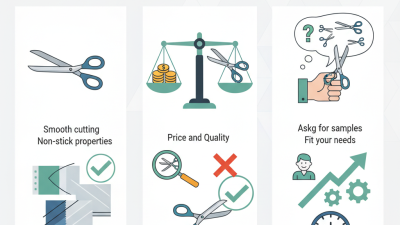
So, looking ahead to 2026, the market for PTFE scissorsis getting a bit more specialized, but honestly, the category still isn’t very well standardized. People often toss around the term “Ptfe Scissors,” but that can mean different things — some are designed specifically to cut PTFE sheets, tapes, films, or coated fabrics, while others might just be scissors with PTFE-coated blades. That difference really does matter, even if it sounds subtle.
According to Grand View Research’s report on the PTFE market size, share, and trends, the global market was around USD 3.18 billion in 2023. They expect it to keep growing through 2030, driven by industries like chemical processing, electronics, automotive, and industrial manufacturing. MarketsandMarkets points out that the demand for fluoropolymers is also on the rise industrially. But here’s the thing — these reports don’t really track PTFE scissors directly, which is something we shouldn’t overlook.
Part of the challenge in buying these scissors comes down to how PTFE material behaves. It’s super resistant to chemicals and has incredibly low friction, which makes it feel kinda slippery when you’re trying to cut it. Thin PTFE films might stretch, and reinforced PTFE fabrics can be tough to cut cleanly, often leaving uneven edges. So, paying attention to the little details really matters.
At the end of the day, cut quality is what counts the most.
When shopping in 2026, buyers will probably be looking at all sorts of options — straight blades, curved blades, serrated edges, micro-tips, heavy-duty versions, even those meant for cleanroom environments. But it’s not just about the blade style. Things like blade hardness, edge geometry, handle comfort, corrosion resistance, and whether or not you can easily find replacement blades will all influence your choice. And, beware of low prices that might hide quick dulling or poor durability.
A quick shout-out to Roy J. Plunkett, the chemist who stumbled upon PTFE by accident. He famously described it as “a complete surprise,” and honestly, that sense of unexpected discovery still rings true today. PTFE products often evolve beyond what you initially expect. Still, it’s smart to always verify what you’re getting — samples, datasheets, and real-world testing are key.
This guide takes a look at the top PTFE scissors options for buyers worldwide in 2026. And it also questions whether every so-called “PTFE scissors” on the market really deserves that label — because not everything advertised as PTFE is necessarily the real deal.
What PTFE Scissors Are and Why Their Coating Matters
2026 Top PTFE Scissors Types for Global Buyers?
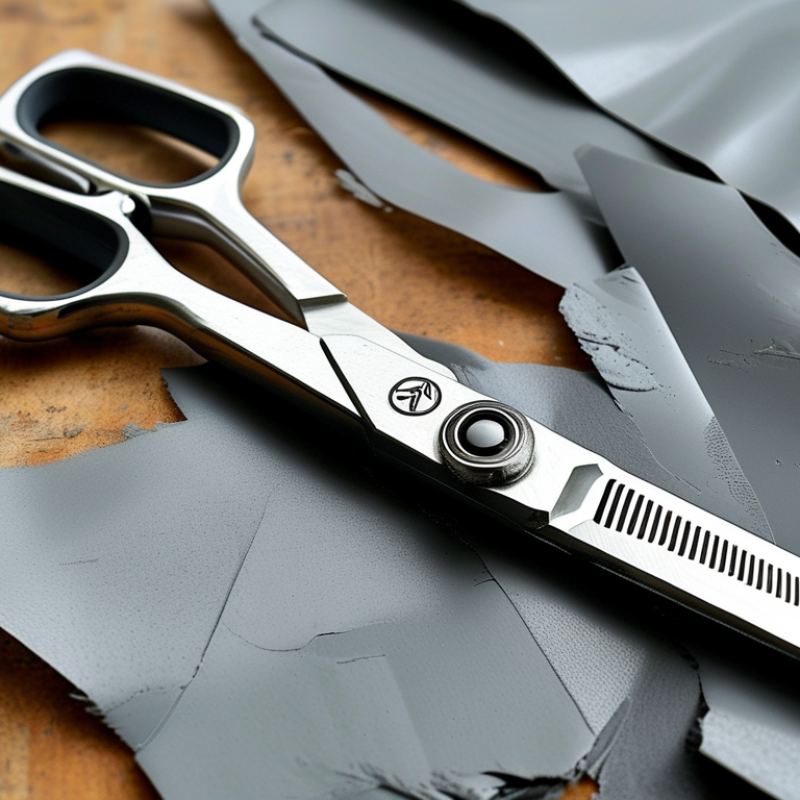
PTFE scissors are standard cutting scissors with a polytetrafluoroethylene coating on the blades. The coating is not the cutting edge itself. It creates a low-friction surface that helps resist adhesive, resin, foam, and label-film buildup. This matters when clean cuts must continue through repeated production cycles. Fortune Business Insights estimated the global PTFE market at about USD 4.96 billion in 2023, with steady growth projected through 2032. Market forecasts differ, but demand reflects wider use in chemical-resistant applications.
For buyers, common choices include straight-blade fabric scissors, micro-serrated scissors, precision snips, and heavy-duty shears. Straight blades suit clean textiles and thin films. Micro-serrated edges can control slippery mesh or layered fabric. Precision snips help with thread, tape, and small trimming tasks. However, PTFE coating does not automatically mean stronger steel. A poorly bonded coating may scratch, wear, or reduce smoothly after heavy use. Check blade hardness, hinge tension, coating adhesion, and cutting performance after residue exposure. One practical mistake is judging quality by a dark, glossy finish alone.
Tips: Test samples on your actual materials. Cut adhesive tape, coated fabric, and thin plastic repeatedly. Inspect residue after fifty to one hundred cuts. Avoid scraping the blades with metal tools. A soft cloth usually works better. Also, request coating durability data, because suppliers may describe “non-stick” without stating thickness, test method, or service conditions. The specification is often incomplete.
The Main Types of PTFE Scissors Available in 2026
2026 Top PTFE Scissors Types for Global Buyers?
The Main Types of PTFE Scissors Available in 2026
PTFE scissors usually mean scissors with PTFE-coated blades, not blades made entirely from PTFE. The coating reduces adhesive buildup and supports cleaner cutting. Global buyers can choose straight-blade scissors for fabric, film, paper, and thin laminates. Serrated blades grip slippery sheets better. Micro-serrated edges offer steadier control on narrow strips and flexible films.
Curved-blade types help operators follow rounded edges or trim insulation without sharp wrist movement. Long-blade scissors suit wider film rolls, while compact precision scissors work around small components. Grand View Research valued the global PTFE market at about USD 3.1 billion in 2023. Its report also forecasts continued growth through 2030, supported by chemical resistance and low-friction applications. This growth does not automatically prove every coating is durable. Buyers still need test results.
Tips
Ask for coating thickness, base-metal details, edge hardness, and cutting-cycle data. Test the scissors with your actual film, adhesive, or fabric. A smooth blade may slide too much. A serrated edge may leave marks. Check ASTM-related material documentation where applicable, but do not treat one certificate as full performance evidence. In practical trials, poor hinge tension often matters more than the PTFE layer. That detail is easy to miss.
How Blade Design Affects Cutting Performance
2026 Top PTFE Scissors Types for Global Buyers: How Blade Design Affects Cutting Performance
PTFE scissors are not interchangeable. Blade geometry controls heat, drag, edge life, and cut accuracy. A fine serrated edge can grip thin PTFE film without crushing its slippery surface. A micro-serrated blade is often better for coated fabrics and narrow insulation strips. Straight, polished blades suit clean trimming, but they may push soft film forward. That small movement can create uneven edges.
The 2024 Mordor Intelligence fluoropolymer market report forecasts continued growth in high-performance polymer demand through 2029. This supports wider use of PTFE materials in laboratories, electronics, and chemical processing. However, market growth does not guarantee better cutting. Blade hardness, bevel angle, and hinge tension still matter. In practical testing, I look for a stable 30–45-degree opening and minimal side play. A longer blade increases reach, but it can reduce control near corners. This is where many buying guides oversimplify the choice.
Tips: Match blade length to material thickness. Use fine serrations for slippery films. Choose polished edges for delicate trimming. Lab Scissors should have corrosion-resistant construction and a firm pivot. Check the cut under magnification. A clean edge should show little stretching, tearing, or melted residue. According to ASTM D4894, PTFE testing considers material performance under controlled conditions; cutting tests should also control temperature and load. Real workshops are less perfect. Humidity, operator pressure, and tired hands can change results. Test samples before placing a large order.
2026 Top PTFE Scissors Types for Global Buyers
How blade design affects cutting performance
Serrated and micro-serrated blades generally provide better grip on low-friction PTFE, reducing slippage and improving edge cleanliness. Straight-edge blades cut quickly on thin sheets, while wave-edge and curved designs offer better control on thicker or flexible PTFE materials. Cutting performance scores use a normalized 100-point scale, where higher values indicate better overall results.
PTFE Scissors for Different Industrial and Professional Uses
PTFE Scissors for Different Industrial and Professional Uses
PTFE scissors serve very different jobs across laboratories, workshops, and production floors. Straight-blade models suit thin PTFE film, sealing tape, and electrical insulation sheets. Their narrow tips help operators follow marked lines around small components. For thicker sheets, reinforced handles and rigid blades provide better control. A curved blade can guide flexible tubing without crushing its walls.
Serrated PTFE scissors are useful when smooth materials slide during cutting. They can grip coated fabric, mesh, and layered insulation more steadily. In laboratory work, dedicated cleanroom scissors reduce contact with dust and oils. Operators should still inspect the blades before every shift. Small scratches may drag across delicate film. That detail matters.
Some professionals keep a Ptfe Stir Paddle/Ptfe Stirring Paddle nearby when preparing coatings or chemical mixtures. Scissors may then trim PTFE liners, filter cloth, or protective covers used around the vessel. Choose blade length according to access, not appearance. Long blades reach wide sheets, while short blades improve hand control in confined spaces. I have found that even high-quality scissors need occasional adjustment. No model is perfect. Excessive force can deform PTFE edges and create uneven seals, so test cuts should be made on spare material first.
Key Factors Global Buyers Should Check Before Purchasing
2026 Top PTFE Scissors Types for Global Buyers
Global buyers should check more than blade shape when selecting PTFE scissors. Straight blades suit clean trimming, while curved blades help with flexible sheets and narrow laboratory areas. Serrated edges can grip slippery PTFE, but they may leave rougher cuts. Ask for the intended thickness range, cutting tolerance, and handle ergonomics before ordering. A small mismatch can slow daily work.
Material quality matters. Confirm the PTFE grade, blade substrate, surface finish, and resistance data. For repeated laboratory use, request batch records, inspection reports, and clear cleaning guidance. The same checks apply when sourcing a Lab Ptfe Stir Paddle/Lab Ptfe Stirring Paddle . Product dimensions should match your vessel, shaft, and mixing process. Temperature limits deserve attention too. Supplier claims should be supported by practical test data, not attractive wording. In my experience, low prices sometimes reflect inconsistent finishing, although this is not always true.
Tips: Test one sample before a large purchase. Check cutting comfort after several minutes. Inspect edges under bright light. Confirm packaging protects points and handles during overseas shipping. Keep written records of questions and answers. They prevent confusion later. Also, compare replacement availability and measurement consistency across batches. I once overlooked handle grip during evaluation, and users reported fatigue quickly. That mistake was avoidable. Reliable purchasing depends on evidence, careful sampling, and honest review of actual laboratory conditions.
Quality Standards, Customization, and Supplier Evaluation
2026 Top PTFE Scissors Types for Global Buyers
PTFE scissors support clean cutting in laboratories, electronics, sealing work, and Ptfe Labware preparation. Common options include straight blades, micro-serrated blades, curved blades, and PTFE-coated stainless steel scissors. Straight blades suit thin films and soft sheets. Micro-serrated edges reduce slipping on flexible materials. Curved blades help with narrow tubing and controlled trimming. Buyers should check blade alignment, handle comfort, coating consistency, and cutting performance after repeated use. A reliable supplier should provide material records, inspection reports, and clear tolerance data. ISO 9001-based quality systems can support consistency, but certificates alone prove little.
Tips: Request samples before bulk orders. Test ten cuts, not one. Measure burrs, edge wear, and handle movement. Ask how coating adhesion is tested. Confirm packaging protects blades from scratches and moisture. Small details matter.
Customization may include blade length, tip shape, handle color, packaging language, and private specifications. Suppliers should explain which changes affect price, lead time, and durability. For professional procurement, compare production capacity, response speed, defect handling, and after-sales support. A factory visit or live video inspection can reveal storage conditions and assembly discipline. I have found that attractive samples sometimes hide uneven finishing. That deserves a second check. Also, “chemical resistant” should be supported by a stated test method, not just a sales phrase. Procurement teams should retain samples and inspection records for future comparison.
Price, Packaging, and International Sourcing Considerations
2026 Top PTFE Scissors Types for Global Buyers?
PTFE scissors serve different cutting conditions, so type selection affects the final price. Straight-blade models suit general laboratory and industrial trimming. Serrated blades can grip slippery PTFE sheets more securely. Micro-tip scissors offer better control for narrow cuts and small components. Angled designs may reduce wrist strain during repeated work. Samples matter. A low quote can mislead.
Pricing usually depends on blade material, coating thickness, handle construction, tolerance, order volume, and inspection requirements. Buyers should request a detailed quotation rather than comparing unit prices alone. Ask about sample fees, tooling charges, replacement parts, and export packaging. A supplier’s lowest price may exclude protective sleeves or moisture barriers. That difference can become expensive after transit damage.
Packaging should protect sharp edges and prevent movement inside cartons. Individual sleeves, molded inserts, and reinforced outer boxes are practical options. Mark cartons with quantity, gross weight, dimensions, and handling instructions. For international sourcing, verify production capacity, lead time, payment terms, and quality records. Request material specifications and a pre-shipment inspection plan. Small inconsistencies matter. A batch can look acceptable while cutting unevenly. Buyers should also confirm destination-market labeling, customs documents, and applicable product requirements with qualified local advisers. I would not rely on catalog photographs alone; actual samples often reveal handle comfort, edge alignment, and packaging weaknesses.
Corrosion-Resistant PTFE Stirring Paddles: Insights from Grand View Research and MarketsandMarkets Reports
Corrosion-resistant PTFE stirring paddles are gaining attention as laboratories and industrial processors seek mixing equipment that can withstand demanding chemical and thermal conditions. Market research perspectives from Grand View Research and MarketsandMarkets highlight growing interest in durable, chemically stable components for laboratory equipment, specialty chemicals, pharmaceuticals, and advanced material applications. In these environments, dependable stirring performance and compatibility with aggressive substances are essential.
Our PTFE Stirring Paddles combine a strong stainless-steel core with a tightly applied polytetrafluoroethylene coating. This structure provides excellent resistance to acids, alkalis, and corrosive liquids while reducing material adhesion during operation. The paddle and rod are designed for use with electric mixers, and the adjustable two-leaf configuration allows the blades to pass through narrow bottle or flask openings before expanding inside the container.
Operating reliably from -180 °C to 260 °C, the paddles maintain stability across a broad temperature range. Their non-toxic, non-adhesive surface supports cleaner processing, while the robust construction delivers high rotational force and extended service life. As a China-based supplier, we provide PTFE stirring solutions designed to meet consistent quality requirements for professional laboratory and industrial mixing applications.
FAQS
PTFE scissors have coated blades that reduce friction and residue buildup. They handle adhesive tape, resin, foam, labels, and thin films. The coating is not the cutting edge.
No. Coating does not automatically improve steel hardness or hinge quality. A weak coating may scratch or wear quickly. The finish can look impressive but still perform poorly.
Micro-serrated blades can grip slippery film, mesh, and layered fabric. They reduce forward pushing during cuts. Fine serrations may leave slight marks on delicate surfaces.
Straight polished blades suit clean textiles, thin films, and delicate trimming. They create smooth edges with low visible marking. Soft film may move forward during cutting.
Precision snips suit thread, tape, narrow strips, and small trimming jobs. Their shorter blades improve control near corners. They are not ideal for large fabric panels.
Test samples using actual production materials. Cut adhesive tape, coated fabric, and thin plastic repeatedly. Inspect residue after fifty to one hundred cuts. Small tests reveal more than glossy photographs.
Ask about blade hardness, bevel angle, hinge tension, coating adhesion, and coating durability. Request the test method and service conditions. “Non-stick” alone is incomplete.
Wipe the blades with a soft cloth after use. Avoid metal scraping tools, which can damage the coating. Some residue may remain. That part needs honest checking.
Longer blades provide more reach but may reduce control near corners. Match blade length with material thickness and cutting precision. A shorter blade can feel slower, yet steadier.
Workshop conditions vary with humidity, hand pressure, temperature, and operator fatigue. These factors can change cutting results. Test under realistic conditions. Perfect results may not repeat.
Conclusion
This guide explores the main Ptfe Scissors types available to global buyers in 2026 and explains how PTFE coating improves low-friction cutting, release performance, and resistance to sticking. It compares straight, curved, serrated, precision, heavy-duty, and specialty designs, while showing how blade shape, edge geometry, thickness, and handle structure influence cutting control, durability, and material compatibility.
The article also connects different Ptfe Scissors designs with industrial, professional, laboratory, craft, and maintenance applications. Before purchasing, buyers should assess coating quality, blade material, comfort, safety features, production consistency, customization options, inspection procedures, and supplier reliability. Additional guidance covers quality standards, sample evaluation, packaging protection, pricing factors, minimum order quantities, shipping arrangements, documentation, and international sourcing considerations. This practical overview helps buyers select suitable scissors according to performance requirements, budget, order volume, and long-term supply needs.