contact us
Leave Your Message
0%

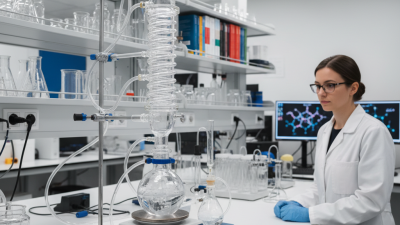
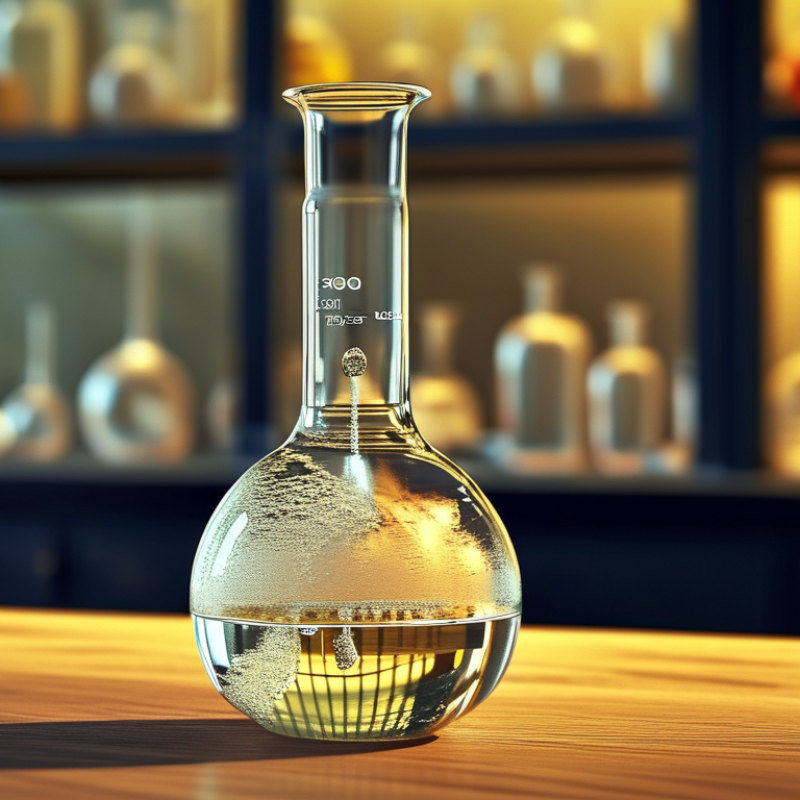
A 300mm Glass Condenser is one of those pretty common tools you'll find in many labs, especially when it comes to distillation, reflux, or recovering solvents. Basically, its long glass body gives enough surface area to cool the vapors rising up. Inside, vapor travels through a central tube, while cooling water runs through the outer jacket. This combo helps transfer the heat away, causing the vapor to condense back into liquid droplets that flow right back into the flask.

Dr. Elena Marlow, an experienced process engineer at Chemglass Life Sciences, points out that "Good condensation isn’t just about having a long condenser; it really depends on controlled cooling." She's right—performance depends on steady water flow and secure connections. A loose hose or a shaky joint can really mess with cooling efficiency and cause stresses on the glass—stuff you definitely want to avoid.

At first glance, the design looks pretty simple. But don’t be fooled – using it isn’t always straightforward. Small details matter quite a bit: how you direct the water, vapor speed, the size of your flask, and whether the joints fit well. Usually, cold water goes in at the bottom port and comes out at the top. This setup ensures the jacket stays full of water, which keeps heat transfer consistent.

In this guide, we’ll take a closer look at what a 300mm Glass Condenser actually is, how it works, and where it fits into routine lab work. We’ll cover different styles like straight condensers or Liebig models, connection sizes, and how to keep everything clean and safe. Oh, and one thing to keep in mind—just because it’s longer doesn’t mean it’s automatically better. Sometimes, it just makes the setup taller without adding much benefit.
What Is a 300mm Glass Condenser and How Does It Work?

Definition and Basic Structure of a 300mm Glass Condenser

A 300mm Glass Condenser is a laboratory heat-transfer device, usually measured by its effective cooling length. The 300mm dimension does not describe volume. It describes the approximate length available for vapor condensation. A typical unit uses borosilicate glass, an inner vapor path, and an outer cooling jacket. ASTM E438 identifies borosilicate glass as suitable for laboratory apparatus because it tolerates chemical exposure and temperature changes. ISO 3585 reports a low linear expansion value, about 3.3 × 10⁻⁶ K⁻¹, for borosilicate 3.3 glass.

The structure is simple, but not weak. Vapor enters through the central tube and contacts cooler glass surfaces. Cooling water moves through the surrounding jacket, often through two side nozzles. One nozzle carries water in; the other carries it out. Standard ground-glass joints connect the condenser to a flask and receiving adapter. Clips or clamps should support these joints during operation. Do not rely on friction alone.

In practical use, water direction matters. Cooler water should enter from the lower port and leave from the upper port. This keeps the jacket full and improves contact. A 300mm length offers moderate condensation capacity for small-scale reflux or distillation. Performance still depends on vapor rate, coolant temperature, and hose flow. The label can mislead.

Inspect the glass before heating. Tiny scratches may grow under thermal stress. A careful operator checks alignment, leaks, and cooling flow before applying heat. Even then, real setups are rarely perfect.

What Is a 300mm Glass Condenser and How Does It Work?

A 300mm glass condenser is a laboratory heat-exchange device with a nominal condenser length of 300mm. Vapor flows through the inner Glass Tube while cooling water circulates through the surrounding jacket, allowing vapor to condense into liquid.

The basic structure includes one inner vapor tube, one outer cooling jacket, two water connections, and two end joints. Water normally enters through the lower connection and exits through the upper connection to keep the cooling jacket filled efficiently. The 300mm measurement refers to the condenser's nominal working length; exact overall dimensions and joint specifications can vary by design.

Key Components and Their Functions

What Is a 300mm Glass Condenser and How Does It Work?

A 300mm glass condenser is a laboratory device that changes vapor into liquid. The 300mm measurement usually describes the active cooling length, not the complete assembly. Its inner tube carries hot vapor, while an outer jacket carries cooling water. As vapor touches the cooler glass wall, it loses heat, forms droplets, and flows downward by gravity. Simple, but not foolproof.

Key Components and Their Functions

The inner vapor tube provides the condensation path. Its smooth surface reduces liquid retention and supports steady drainage. The outer water jacket surrounds this tube and removes heat. Water should enter through the lower nozzle and leave through the upper nozzle. This keeps the jacket filled and improves contact. Ground-glass joints connect the condenser to a flask and receiver. They help maintain alignment without extra sealing materials. Hose nozzles control cooling-water connections, while clamps support the glass and reduce stress during setup.

Borosilicate glass is widely used for thermal stability. ISO 3585 specifies borosilicate glass with a thermal expansion coefficient near 3.3 × 10⁻⁶ K⁻¹. ASTM E438 also identifies Type I, Class A glass for demanding laboratory applications. These figures support safer heating, but they do not eliminate breakage risk. In practice, sudden hot-water contact can still damage the condenser. I have seen users focus on length and ignore vapor load. That is a mistake. Cooling flow, boiling rate, joint fit, and receiver capacity must be checked together. A 300mm condenser may work well for moderate reflux, yet perform poorly when vapor rises too quickly.

How Heat Transfer Occurs Inside the Condenser

A 300 mm glass condenser transfers heat by moving it from hot vapor to cooling water. Inside the glass tube, vapor contacts the cooler wall and loses latent heat. It then forms a thin liquid film and flows downward under gravity. NIST Chemistry WebBook data place water’s latent heat near 2,257 kJ/kg at 100°C. That large energy change explains why condensation can remove substantial heat without dramatic temperature shifts. The glass wall does not create cooling. It only separates the process vapor from the water.

Cooling water usually enters from the lower port and exits from the upper port. This counter-current flow keeps a temperature difference along more of the condenser length. Perry’s Chemical Engineers’ Handbook lists typical overall coefficients for water-cooled condensation in the broad range of 500–1,500 W/m²·K, depending on flow, surface condition, and fluid properties. A 300 mm unit may work efficiently with steady water flow, but length alone proves little. Poor venting can leave air pockets near the top. Fouling can add thermal resistance. I have also seen users assume colder water always improves performance; that is incomplete. Excessive flow may waste water without matching heat-transfer gains. ASHRAE heat-exchanger guidance supports checking approach temperature, flow stability, and fouling allowance during evaluation. Small measurement errors remain possible. A thermometer placed in the outlet stream may not represent the vapor temperature inside the glass tube.

Step-by-Step Operation of a 300mm Glass Condenser

A 300mm glass condenser is a vertical tube that cools vapor into liquid. Its length refers to the effective cooling path, not the flask capacity. In a typical Lab Glass Condenser, water enters through the lower sidearm and exits from the upper sidearm. This counter-current flow keeps the jacket filled and improves heat transfer. Keep the outlet visibly clear. A blocked line can raise pressure unexpectedly.

Step one: inspect the glass for chips, clouding, or stress marks. ISO 3585 identifies borosilicate glass 3.3, with thermal expansion near 3.3 × 10⁻⁶ K⁻¹. Step two: attach the condenser vertically with a support clamp, leaving the joints unstressed. Step three: connect flexible tubing, then start a gentle coolant flow before heating. Step four: heat the mixture gradually. NIST Chemistry WebBook lists ethanol’s normal boiling point as 78.37°C, so vapor rises while cooler water removes heat through the jacket. Step five: watch the inner wall. Condensed droplets should form near the top and return smoothly to the flask. Not always perfectly. A dry jacket, excessive heating, or poor alignment can cause vapor loss. Step six: stop heating, allow the apparatus to cool, and keep coolant flowing briefly. ASTM E438 provides recognized requirements for laboratory glassware materials, but routine visual checks remain essential. Small cracks can become serious during thermal cycling.

What Is a 300mm Glass Condenser and How Does It Work? - Step-by-Step Operation of a 300mm Glass Condenser

Step Operation Phase What to Do How It Works Expected Result and Practical Check
Basic Equipment Profile
— Condenser type Use a 300 mm glass condenser as part of a distillation, reflux, evaporation, or gas-washing setup. The condenser provides a cooled glass surface where vapor changes back into liquid. Recovered liquid returns to the receiving vessel or reaction flask, depending on the setup.
— Nominal length Measure the condenser body from one end of the cooling section to the other. The 300 mm length identifies the approximate active condenser body length, not necessarily the total end-to-end length including joints. A longer cooling path generally provides more contact time between vapor and the cooled inner surface than a shorter condenser of the same design.
— Construction material Use laboratory-grade borosilicate glass when chemical compatibility and thermal resistance are required. Borosilicate glass has low thermal expansion compared with ordinary soda-lime glass and is transparent for visual monitoring. The glass should be clear, free from chips and cracks, and suitable for the chemicals and temperatures involved.
— Cooling design Connect the condenser's outer cooling jacket to a controlled water supply or another approved coolant source. Coolant removes heat through the glass wall while the vapor remains separated from the coolant. The outer jacket should fill evenly without visible leakage at the hose connections.
Step-by-Step Operation
1 Inspect the glassware Check the inner tube, outer jacket, ground-glass joints, barbs, and sealing surfaces for cracks, chips, blocked passages, or contamination. Mechanical defects can weaken the glass or prevent airtight and watertight connections. Only intact, clean glassware should be installed. Do not use damaged glass under heating, vacuum, or pressure.
2 Choose the orientation Install the condenser vertically for reflux or at a suitable angle for distillation and collection. Orientation allows condensate to flow by gravity toward the reaction flask or receiving vessel. The condenser should be supported independently with clamps; the attached flask should not carry the condenser's weight.
3 Make process connections Attach the condenser to compatible joints using appropriate clips or clamps, and connect the receiving or reaction vessel. A correctly matched joint reduces vapor loss and maintains the intended flow path. Connections should be secure but not forced. Ground-glass joints must be aligned without side loading.
4 Connect the coolant Connect the coolant inlet to the lower jacket port and the outlet to the upper jacket port. Bottom-to-top flow keeps the jacket filled and promotes counter-current heat exchange against rising vapor. Water should enter at the lower port and leave at the upper port. Use hose clips or secure fittings where needed.
5 Start coolant flow Open the coolant gradually before heating. Use a moderate, steady flow rather than an abrupt high-pressure surge. The coolant establishes a heat sink and limits thermal stress when hot vapor reaches the inner tube. The jacket should remain full, with no leaks or disconnected tubing. Avoid excessive water pressure.
6 Begin heating or vapor generation Apply controlled heat to the flask or begin the process that generates vapor. Use a heating mantle, bath, or another suitable heat source. The liquid absorbs heat until a volatile component enters the vapor phase and travels into the condenser. Heating should be gradual and controlled. Bumping, violent boiling, and sudden vapor surges indicate excessive heating or insufficient boiling control.
7 Condense the vapor Allow the vapor to contact the cooled inner surface of the 300 mm condenser. Heat transfers from the vapor through the glass wall to the coolant. When the vapor temperature falls below its condensation point, it forms liquid droplets. A visible condensate film or droplets should move downward inside the condenser without escaping from the apparatus.
8 Return or collect liquid For reflux, allow condensate to drain back into the heated flask. For distillation, direct the condensate into the receiving vessel. Gravity transports the condensed liquid along the inner wall, while the apparatus configuration determines whether it returns or is collected. Reflux maintains liquid in the reaction vessel; distillation produces a separate collected fraction.
9 Monitor the process Observe coolant flow, joint integrity, vapor movement, condensate rate, temperature, and the liquid level in the receiving vessel. Stable thermal and fluid conditions are necessary for efficient condensation and controlled operation. A stable condensate rate and cool outlet water generally indicate normal operation. Stop the process if leaks, blocked flow, or abnormal pressure develops.
10 Shut down safely Turn off the heat first, allow vapor generation to stop, and keep coolant flowing until the glassware has cooled sufficiently. Continued cooling removes residual heat and reduces the risk of overheating or thermal shock. Disconnect hoses only after the system is cool and depressurized. Never seal a heated apparatus unless it is specifically designed for pressure operation.
Operating Factors and Safety Data
— Cooling direction Maintain coolant flow from bottom to top. This arrangement helps prevent air pockets and provides more effective counter-current heat transfer. The condenser jacket remains filled and cooling is more uniform along the 300 mm section.
— Pressure condition Operate at atmospheric pressure unless the complete apparatus is specifically rated and arranged for reduced or elevated pressure. Blocked outlets or sealed systems can cause pressure to rise as liquids and vapors are heated. Keep the intended vapor path open and use suitable pressure-relief practices for the application.
— Thermal control Avoid rapid temperature changes, direct flame on the glass, and sudden coolant temperature changes. Uneven expansion or contraction can create stress in glass and increase the chance of breakage. Use gradual heating and compatible cooling conditions. Allow hot glass to cool naturally where practical.
— Compatibility Confirm that the glass, seals, tubing, and coolant are compatible with the chemicals and operating temperature. Some chemicals attack glass, elastomers, plastic tubing, or joint lubricants even when the condenser body itself is resistant. Select materials based on the complete assembly rather than the glass condenser alone.

Important: A 300 mm glass condenser is a nominal laboratory size, and exact joint dimensions, internal geometry, cooling-port size, and maximum operating conditions vary by design. Always verify the equipment specification and follow the applicable laboratory safety procedures before use.

Common Laboratory and Industrial Applications

A 300mm glass condenser is a compact laboratory device designed to cool vapor into liquid. Its glass body usually contains an inner vapor tube and an outer water jacket. Cooling water enters through one side and leaves through the other. This steady flow removes heat during distillation, reflux, and solvent recovery. The Glass Liebig Condenser is a common example, especially when a straight cooling path is preferred.

In teaching laboratories, technicians use this condenser to separate liquids with different boiling points. A 300mm length suits small or medium-sized round-bottom flasks and helps conserve bench space. During reflux, the condenser returns evaporated solvent to the heated vessel. This allows reactions to continue without losing valuable liquid. I have found that secure clamps and gentle water flow matter more than forceful cooling. Excess pressure can damage glass joints.

Industrial users may install similar condensers in pilot-scale extraction, essential-oil processing, sample preparation, and small-batch chemical production. The unit can also support solvent recycling when operators monitor temperature, flow, and collection volume carefully. Clean glass makes residue easier to inspect. However, performance depends on vapor load, coolant temperature, and connection quality. A 300mm condenser may be insufficient for rapid boiling or highly volatile materials. That limitation deserves attention. Users should inspect chips, stress marks, and blocked outlets before operation, because a visually clean condenser can still have hidden weaknesses.

Material Selection, Compatibility, and Safety Considerations

What Is a 300mm Glass Condenser and How Does It Work?
Material Selection, Compatibility, and Safety Considerations

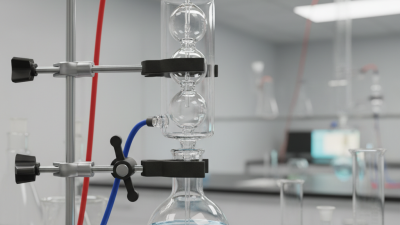
A 300mm glass condenser typically cools vapor into liquid during controlled laboratory heating. Its length offers practical surface area for vapor contact and cooling. An Allihn design adds internal bulbs, increasing condensation efficiency. The keyword Glass Allihn Condenser describes this common configuration. It looks simple. It is not.

Borosilicate glass is usually preferred because it resists thermal shock and many laboratory chemicals. ISO 3585 identifies borosilicate glass 3.3 as suitable for demanding laboratory applications, with low thermal expansion near 3.3 × 10⁻⁶ K⁻¹. NIST Chemistry WebBook data can help verify boiling points before selecting a condenser setup. Solvent compatibility still requires checking concentration, temperature, and exposure time. Strong alkalis and hydrofluoric acid can damage glass surfaces.

Fit matters as much as chemistry. Ground joints should seat evenly, without force or twisting. Cooling tubes need secure connections, but excessive tightening may crack the glass. Use gradual heating and cooling. Never send cold water through a visibly hot condenser.

The ACS Laboratory Safety Guidelines stress inspection, splash protection, and controlled pressure conditions. A blocked outlet can turn ordinary glassware into a serious hazard. I have seen users focus on vapor recovery while ignoring hose movement. That is an easy mistake. Check for scratches, star cracks, and loose clamps before every run. Replace questionable glassware, even when the defect seems minor.

Borosilicate Glass Beakers 3.3 with Spout and Graduation: A Guide to Quality Chinese Suppliers

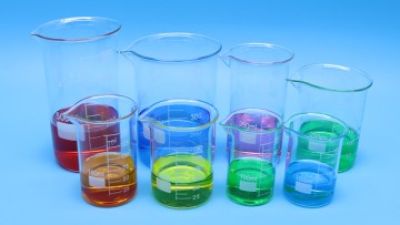
Borosilicate glass beakers 3.3 with spouts and graduation are essential tools for laboratories, chemical research, classrooms, and industrial applications. High-quality Chinese suppliers produce these beakers from crystal-clear, heat-resistant glass that offers excellent chemical stability and visibility. Uniform wall thickness helps prevent deformation during manufacturing and repeated heating, while smooth surfaces and clean edges support accurate handling and reliable liquid measurement.

Available capacities range from 5 ml to 20,000 ml, allowing users to select suitable sizes for different procedures. Clearly engraved graduations provide quick volume estimation, and the practical spout enables controlled, mess-free pouring. Flat or flanged mouth designs can be supplied according to application requirements. With temperature resistance of up to 560℃ and strong corrosion resistance, these beakers are suitable for heating, mixing, cleaning, and reuse when handled according to proper laboratory procedures.

When evaluating Chinese suppliers, buyers should consider glass quality, scale clarity, dimensional consistency, edge finishing, and production inspection standards. Direct factory suppliers can also provide OEM and ODM services, including customized capacities, surface printing, mouth designs, packaging, and product markings based on technical drawings or samples. These reusable beakers offer a durable and cost-effective solution for laboratories, educational institutions, and various industrial environments.

FAQS

: What does “300mm” describe in a glass condenser?

: It describes the approximate effective cooling length, not the condenser’s volume. The label can mislead.

How does a 300mm condenser work?

Hot vapor touches the cooler inner wall and releases latent heat. Condensed liquid then flows downward by gravity.

Which way should cooling water flow?

Water should enter through the lower port and leave through the upper port. This keeps the jacket filled.

What material is commonly used?

Borosilicate glass is common because it tolerates temperature changes and many laboratory chemicals. Compatibility still requires checking.

Is a 300mm condenser suitable for every distillation?

No. Performance depends on vapor rate, coolant temperature, water flow, and setup design. Length alone proves little.

What should be checked before heating?

Inspect scratches, star cracks, alignment, joints, clamps, hoses, and water flow. Small defects may worsen during heating.

How should the condenser connect to other glassware?

Ground joints should seat evenly without force or twisting. Use clips or clamps, because friction alone is unreliable.

What common mistakes reduce cooling performance?

Air pockets, fouling, unstable flow, and poor venting can reduce condensation. Excessive water flow may waste water without helping much.

Can cold water enter a hot condenser?

No. Sudden cooling may cause thermal shock and break the glass. Heat and cool gradually.

What should happen if the outlet becomes blocked?

Stop heating and restore safe pressure control. A blocked outlet can create serious pressure hazards. I may underestimate this risk.

Conclusion

A 300mm Glass Condenser is a laboratory apparatus designed to cool and convert vapor back into liquid through controlled heat exchange. Its main structure typically includes a 300mm glass tube, an inner vapor path, an outer cooling jacket, and inlet and outlet connections for water or another cooling medium. During operation, vapor enters the inner tube while the cooling liquid flows through the surrounding jacket. Heat moves from the vapor through the glass wall into the cooler fluid, causing the vapor to condense and collect as liquid. The glass body also allows users to observe the process clearly.

In a typical procedure, the condenser is securely connected to a flask, cooling flow is started, and the heated vapor travels into the condenser. As condensation occurs, the liquid returns to the receiving vessel or is collected separately. This equipment is commonly used in reflux, distillation, solvent recovery, sample preparation, and selected industrial processes. Choosing suitable glass and seals requires consideration of chemical compatibility, temperature resistance, pressure limitations, and thermal stress. Proper clamping, ventilation, leak inspection, and controlled heating are essential for safe use.


Ava

Ava

Ava is a dedicated professional at Yancheng Xieying Machinery Manufacturing Co., Ltd., a leading manufacturer founded in 2017 that specializes in laboratory equipment and consumables. With a strong background in marketing and a profound understanding of the company's products, Ava plays a crucial......
Previous Top 10 Vacuum Adapter Tips for Maximum Efficiency?