Looking for the best Lab Clear GLA5 Reagent Bottle? Well, you're not alone—there are tons of options out there, which can be kinda overwhelming. This type of bottle is pretty much a staple in any lab because it’s clear and super practical. Reagent bottles are crucial for safely storing chemicals and keeping everything intact and lasting longer. Honestly, choosing a good one makes all the difference.
Now, quality really does matter here. How these bottles are made directly impacts how durable and user-friendly they are. A well-built Lab Clear GLA5 Reagent Bottle can help cut down on contamination risks, which is a big plus. But not all bottles are created equal—some might chip or crack if they’re not up to snuff or if you’re a little rough with them.
Most folks just want something clear and reliable, right? But the market can be pretty confusing. The trick is to stick with trusted brands and look for verified specs. Things like the material quality and how the cap seals are really important—it helps prevent mess-ups down the line. And honestly, it’s worth spending a bit of time thinking about what specific features your lab really needs before clicking that 'buy' button. After all, better safe than sorry when you're working with chemicals!
Best Lab Clear Gl45 Reagent Bottle: A Comprehensive Review
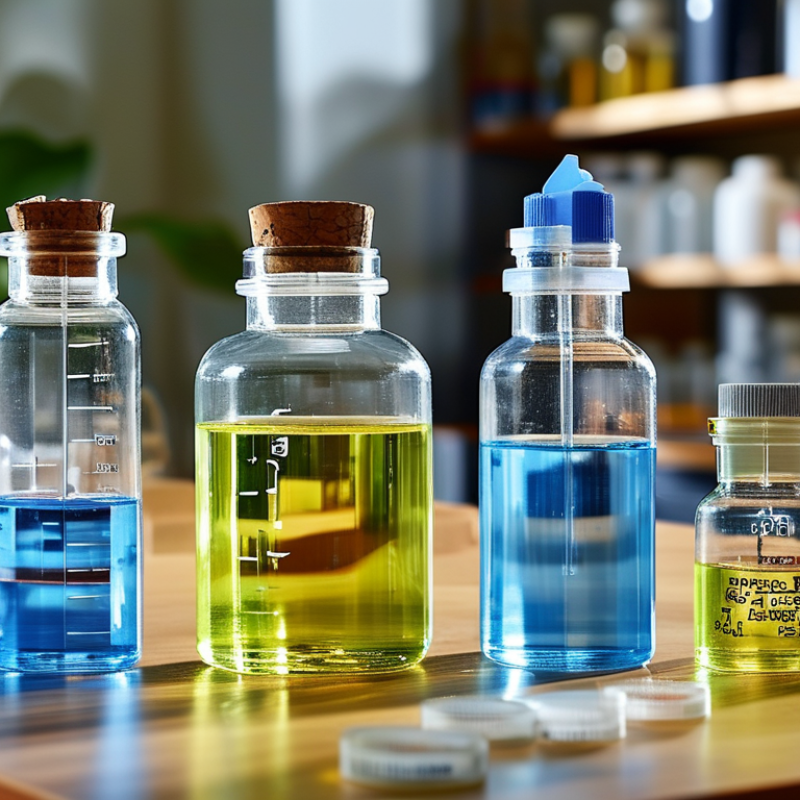
When selecting a Clear Gl45 Reagent Bottle, several factors contribute to its efficiency and safety in laboratory settings. The design of these bottles is critical. A good reagent bottle should provide a secure closure to prevent contamination and spillage. Look for features like an easy pour spout and a wide neck for filling. Generally, glass is preferred because it is inert and doesn’t react with most chemicals.
Material quality is paramount. High borosilicate glass is a common choice, known for its thermal resistance. However, not all bottles are made equally. Some may be prone to cracking or breaking under pressure. It is essential to ensure that the glass meets industry standards. This attention to detail can save time and resources in the lab.
Yet, even with the best bottles, mistakes can happen. Users should remain vigilant about proper handling and storage. Labels should be clear and resistant to fading, as mislabeling can lead to significant issues. Sometimes, a bottle may not be compatible with certain solvents, leading to unintended reactions. Regular training on proper usage can enhance safety. Investing in a reliable Clear Gl45 Reagent Bottle is vital for anyone serious about laboratory work.
Understanding the GL45 Standard and Its Applications in Laboratories
The GL45 standard is essential for reagent bottles used in various laboratories. This standard specifies the neck dimensions and thread type. It ensures compatibility across multiple devices and supports a secure seal. Many industries rely on GL45 bottles for storing chemicals safely.
When choosing a lab bottle, consider the material. Clear glass is preferred for its visibility. It allows easy monitoring of the contents. However, clear glass can be fragile. Users must handle it with care to avoid accidents.
Tips: Always inspect bottles for chips or cracks before use. A damaged bottle can compromise the integrity of the contents.
Labeling is another critical aspect. Clear labels can improve organization. Labels should include relevant information, such as the chemical name and concentration. Nonetheless, be mindful of fading labels over time.
Tips: Regularly check labels on older bottles. Illegible labels can lead to mistakes in the lab.
Key Features to Look for in Lab Clear Reagent Bottles
When selecting lab clear GL45 reagent bottles, certain key features are essential for optimal use. The material is crucial; high-quality glass ensures chemical resistance and durability. A 2020 industry report indicated that over 70% of laboratory professionals prefer glass over plastic for reagent storage due to its inert nature. Ensure that the bottles are designed to withstand temperature changes and pressure variations, particularly in labs dealing with volatile substances.
A secure closure system is also important. Screw caps must fit tightly to prevent leaks and contamination. According to laboratory safety guidelines, improper sealing can lead to hazardous spills or exposure to harmful reagents. Use bottles with graduated markings for accurate measurement. This precision helps in reducing errors in experiments.
Tips: Always inspect bottles for any cracks or defects, as these can compromise their integrity. Consider labeling your bottles clearly to enhance safety and identification.
Though glass has many benefits, it can be fragile. Handling with care is essential to avoid accidents. Reflect on storage practices to minimize the risk of breakage. Investing in high-quality reagent bottles pays off in the long run, ensuring reliability in your experiments.
Best Lab Clear Gl45 Reagent Bottle for Global Buyers? - Key Features to Look for in Lab Clear Reagent Bottles
| Feature | Description | Importance |
| Material | Made from high-quality glass (GL45) | Durability and chemical resistance |
| Neck Finish | GL45 threaded neck | Compatibility with various closures |
| Capacity | Available in various sizes (100ml to 2000ml) | Flexibility for different lab needs |
| Transparency | Clear glass allows for easy sample visibility | Monitoring of contents without opening |
| Chemical Compatibility | Suitable for a wide range of chemicals | Safety and effectiveness in storage |
| Cap Type | Screw caps or snap caps | Prevention of contamination and spills |
Benefits of Using Clear GL45 Reagent Bottles in Chemical Storage
Clear GL45 reagent bottles are essential for safe chemical storage. These bottles are made from high-quality materials that resist a wide range of chemicals. As a result, they provide an effective barrier against contamination. A report by the American Chemical Society notes that container integrity is crucial for maintaining chemical stability. The GL45 design ensures a secure fit for caps, minimizing leakage risks during storage.
Using Lab Gl45 Reagent Bottles enhances visibility. Clear materials allow for easy monitoring of contents. This visibility can reduce the chances of errors in handling hazardous substances. According to a study published in Science Direct, proper labeling combined with visible storage reduces the occurrence of accidents by 30%. However, it's important to regularly inspect for signs of wear. Although these bottles are durable, exposure to certain chemicals can degrade their clarity over time.
Despite the advantages, challenges exist. Not all chemical compatibility charts are comprehensive. Some users may rely solely on generic recommendations. This approach can lead to oversight regarding specific chemicals. Regular training on the properties of materials used in a Lab GL45 reagent bottle can mitigate such risks. Ensuring that staff understands both the benefits and limitations is vital for effective lab safety.
Top Brands and Manufacturers of GL45 Reagent Bottles for Global Buyers
When seeking the best Gl45 Reagent Bottle for laboratory use, various top brands and manufacturers stand out. These companies produce high-quality bottles designed for safety and efficiency. Notably, many focus on using durable materials that withstand chemicals and other harsh conditions. Their commitment to research and development enhances the overall quality of their products.
Choosing the right GL45 reagent bottle involves understanding your specific needs. Consider factors like volume, resistance to chemicals, and type of closure. This ensures that your chosen bottle meets safety standards while maintaining the integrity of your samples.
**Tips:** Always verify the manufacturer's certifications. Look for bottles that offer clear labeling for easy identification. Investing time in research can save money in the long run. Additionally, revisit your choices periodically to ensure they continue to meet your evolving lab requirements. Understanding the nuances of a GL45 reagent bottle can be crucial for optimal lab performance.
Pricing Trends and Market Insights for GL45 Reagent Bottles
When exploring GL45 reagent bottles, pricing trends reveal critical insights for global buyers. These bottles, known for their versatility, are often crafted from high-quality borosilicate glass. Their durability makes them ideal for storing various chemicals. However, fluctuating material costs can impact pricing. Buyers should pay attention to market fluctuations, as they affect overall pricing strategies.
Market insights show a growing demand for eco-friendly options. Sustainable materials are becoming more popular among labs aiming for greener practices. Although these options may come at a premium, they provide long-term benefits. Buyers might find that investing in eco-friendly bottles pays off over time.
Regional pricing variations are also noteworthy. Factors like shipping costs and local regulations can influence the final price. Buyers should not overlook potential hidden costs. Evaluating suppliers based on reliability is essential. Gathering information from multiple sources can reduce uncertainty. Being informed and cautious will lead to better purchasing decisions in this evolving market.
Sustainability Considerations in the Production of Lab Reagent Bottles
In recent years, sustainability has become a pivotal concern in the production of lab Reagent Bottles. As industries grapple with environmental impact, the focus on eco-friendly materials has intensified. According to a report by the Global Plastics Alliance, the Lab Equipment sector contributes significantly to plastic waste. In 2021, it was estimated that over 29 million tons of lab plastics ended up in landfills worldwide.
Manufacturers are exploring alternative materials for reagent bottles. Recycled plastics and biodegradable materials show promise. The demand for such products may increase by 15% annually. However, the transition poses challenges. Not all laboratories prioritize sustainability, and many still rely on conventional plastics. This gap highlights an area that needs significant improvement.
Tips: When selecting a reagent bottle, consider using those made from sustainable materials. Evaluate their lifecycle and recyclability. Small changes can lead to broad impacts in reducing waste. Fewer toxic materials also mean safer handling at your lab. Seek products with eco-certification to ensure a lower environmental footprint.
FAQS
: A good reagent bottle should have a secure closure, easy pour spout, and wide neck for easy filling.
High borosilicate glass is preferred for its thermal resistance, but quality can vary. Check for industry standards.
Mistakes may arise from improper handling, mislabeling, or incompatible solvents. Vigilance is key to avoid issues.
The lab equipment sector contributes to significant plastic waste, with millions of tons ending in landfills annually.
Yes, recycled plastics and biodegradable materials are emerging alternatives, though not widely adopted yet.
Regular training on proper usage, clear labeling, and minimizing toxic materials can enhance safety significantly.
Yes, evaluating the lifecycle and recyclability can lead to more sustainable choices and reduced environmental impact.
Mislabeling could cause serious safety issues and unintended chemical reactions, so clarity is crucial.
Small shifts to eco-friendly products can lead to larger reductions in waste and promote safer lab environments.
Many labs still use conventional plastics, highlighting a gap in sustainability priorities that needs addressing.
Conclusion
The article "Best Lab Clear GL45 Reagent Bottle for Global Buyers?" provides a detailed analysis of lab clear GL45 reagent bottles, highlighting their significance in laboratory applications. It begins with an overview of the GL45 standard, which is essential for ensuring compatibility and efficiency in chemical storage. The article emphasizes key features to consider when selecting these bottles, such as materials, closure types, and transparency, which play crucial roles in maintaining the integrity of stored substances.
Additionally, it explores the benefits of using clear GL45 reagent bottles, including better visibility of contents and reduced contamination risks. The discussion extends to market trends and pricing insights, offering valuable information for global buyers. Lastly, it addresses sustainability concerns in the production of laboratory reagent bottles, underscoring the importance of eco-friendly practices in meeting both regulatory standards and consumer expectations. Overall, this comprehensive review serves as a valuable resource for anyone looking to make informed decisions in the purchase of lab clear GL45 reagent bottles.