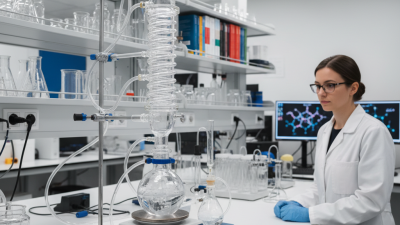
You know, in the world of Lab Equipment, theGlass Liebig Condenser really stands out when it comes to being efficient and reliable. It’s pretty much a must-have when you're doing distillation. Brands like China Best have earned a solid reputation for making high-quality condensers that cater not just locally, but worldwide.
China Best’s really made a name for themselves in this space. Their condensers are crafted with attention to detail, balancing both design and practicality. Plus, they use top-grade glass that’s built to last and perform well. That said, it’s good to remember that not all products out there are created equal—so doing a bit of homework and comparing options can save you a headache later on.
And, oh, with the growing demand, some manufacturers might cut corners on quality control, which means you might end up with something less than stellar. That’s why it’s super important to buy from trusted suppliers who genuinely care about quality. At the end of the day, a reliable Glass Liebig Condenser isn’t just about price—they’re about knowing you’re getting a product that truly delivers in terms of durability and performance.
Overview of Liebig Condensers in Laboratory Settings
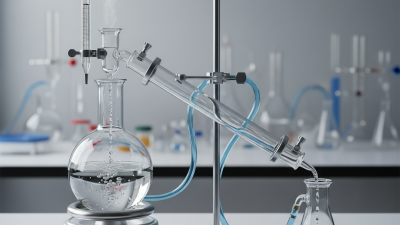
Liebig condensers are essential in laboratory settings for their efficiency in distillation processes. These glass apparatuses use a simple design to cool vapor back into liquid. When heated vapor travels through the condenser, it encounters cold water circulating in the outer jacket. This heat exchange is crucial for effective condensation.
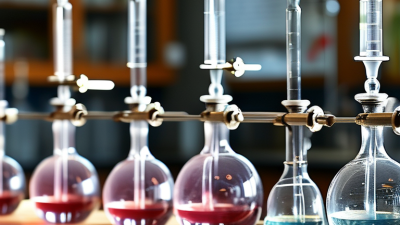
While choosing a Liebig condenser, one must consider several factors. The length and diameter play significant roles in its cooling capacity. A longer condenser typically offers better performance but may require more space. Additionally, the quality of glass is crucial to maintain durability against thermal shocks.
Some laboratory users overlook maintenance, which can lead to decreased efficiency. For example, if the water supply is inconsistent, it might hinder the cooling process. Condensers can also suffer from blockages if substances are not fully cleaned after use. Evaluating these aspects can improve the overall experience and ensure reliable results in experiments.
Key Features of China's Best Glass Liebig Condenser
Liebig condensers are essential in many laboratory setups. They enable efficient cooling and condensation of vapors, ensuring optimal performance in distillation. China has emerged as a leading supplier of glass Liebig condensers, offering products that meet various quality standards. These condensers feature a simple design but provide effective heat exchange, ideal for numerous chemical processes.
One key feature of China-made Liebig condensers is their high thermal efficiency. The glass is designed to withstand significant temperature differences. This provides reliability for experiments where heat sensitivity is critical. The dimensions are often versatile, accommodating different setups and needs. However, buyers should be cautious about manufacturing inconsistencies that can occur. Ensuring quality checks during purchasing can mitigate these risks.
Another important aspect is the material quality. China’s best glass condensers are usually made from borosilicate glass, which is resistant to thermal shock. This enhances their durability in demanding laboratory environments. However, it’s crucial to verify supplier credentials. While many suppliers boast expertise, not all adhere to the highest manufacturing practices. Conducting thorough research can help in identifying the most reliable sources.
China Best Glass Liebig Condenser for Global Buyers? - Key Features of China's Best Glass Liebig Condenser
| Feature | Description | Dimensions | Material | Compatibility |
| Cooling Efficiency | Highly efficient at condensing vapors. | 24/29 Joint Size | Borosilicate Glass | Universal Laboratory Setup |
| Temperature Resistance | Can withstand high-temperature applications. | Length: 500 mm | Durable and robust | Compatible with most glassware |
| Ease of Use | Simple setup and operation for various processes. | Five Standard Sizes Available | Non-reactive material | Laboratory distillation, extraction |
| Versatility | Suitable for both distillation and reflux operations. | 3/8" Tubing | Lead-free glass | Ideal for various chemistry applications |
Material and Durability: A Comparison of Available Options
When considering the best options for a Lab Glass Liebig Condenser, the material and durability are crucial factors. Pyrex glass is often favored for its high resistance to thermal shock and chemical corrosion. According to a 2022 market report, Pyrex glass can withstand temperature changes of up to 200 degrees Celsius, making it suitable for various laboratory applications. Its clear structure also allows easy visualization of liquid flow, enhancing usability during experiments.
Another popular option is borosilicate glass. This material is known for its robustness and thermal stability. Studies show that borosilicate glass has a lower thermal expansion coefficient, which reduces the risk of breakage. The condensation capacity often noted in scientific data indicates that borosilicate condensers can efficiently manage vapor at differing temperatures. However, in scenarios involving aggressive chemicals, even borosilicate may show limitations.
While these materials have distinct advantages, user experience suggests that selection ultimately depends on specific lab needs. Some find that even high-quality glass can develop micro-cracks with frequent use. Regular inspection is essential to maintain durability and functionality over time. Therefore, understanding the nuances of each material is vital in choosing the right Lab Glass Liebig Condenser for your laboratory.
Material and Durability Comparison of Glass Liebig Condensers
Manufacturing Process of Liebig Condensers in China
The manufacturing process of Liebig condensers in China showcases a blend of traditional techniques and modern technology. Skilled artisans begin with high-quality borosilicate glass, known for its durability and resistance to thermal shock. This choice ensures that each condenser performs effectively in various laboratory settings. The glass is carefully cut and shaped before being fused into the final assembly, a process that requires precision.
Quality control plays a vital role throughout production. Each unit undergoes rigorous testing to ensure it meets necessary standards. However, inconsistencies can still occur. Sometimes, minor imperfections may be overlooked, which can affect the efficiency of the condenser. Continuous improvement is essential in addressing these issues.
Workers in Chinese factories often possess years of expertise. They contribute critical insights during production. Yet, challenges arise due to the rapid pace of technological advancement. Manufacturers must constantly adapt to improve their methods. Balancing tradition with modern efficiency is not always easy.
Global Market Trends for Liebig Condensers
The global market for Liebig Condensers is on the rise. This increasing demand stems from various industries that rely on these essential apparatuses for distillation and cooling processes. These condensers are commonly used in laboratories and pilot plants. They facilitate efficient condensation with minimal loss. Global buyers need to understand the technical specifications. This knowledge helps in selecting the right Liebig condenser for specific applications.
Market trends indicate a shift towards eco-friendly materials and energy-efficient designs. Manufacturers are experimenting with new, sustainable materials. This is a reflection of increasing environmental regulations worldwide. Many businesses want to reduce their carbon footprint. However, not all options available seem reliable or trustworthy. Buyers should ensure that they evaluate supplier credentials thoroughly.
While there is a wide assortment of Liebig condensers, varying quality can be an issue. It's crucial for buyers to balance cost with performance. Some low-cost options may not last long, leading to frequent replacements. Additionally, not every supplier provides adequate support or service. Investing time in research can mitigate risks and enhance satisfaction with purchases.
Buyer Considerations: Price, Quality, and Performance
When considering a Glass Condenser, price is often the first factor that buyers analyze. It’s essential to find a product that fits your budget, yet also meets quality expectations. However, a low price can sometimes indicate lower quality. Finding a balance between cost and craftsmanship is crucial. It may require digging deeper into product specifications and researching various suppliers.
Quality is another significant aspect. High-quality Glass Condensers typically feature superior material and design. These elements ensure optimal performance during distillation or cooling processes. Consumers should look for glass that withstands high temperatures and has minimal impurities. Performance metrics, such as condensation efficiency, also play a vital role. Buyers need to compare different models to assess how effectively each one meets their operational needs.
Another consideration is the supplier's reputation. Transparency about product sourcing and manufacturing processes can reveal a lot. Buyers must seek brands known for their reliability and customer service. Understanding a product's warranty and return policy can provide additional assurance. However, artisanship in the glass industry often varies, and some suppliers may not meet expectations. Researching user reviews can guide you toward informed decisions. This is vital for ensuring your investment in a Glass Condenser pays off in long-term performance.
Top Manufacturers of Liebig Condensers in China
Liebig condensers are essential in laboratories and various industries. Their primary role is to condense vapor back into liquid. In China, there is a highly competitive market for these condensers, driven by both demand and innovation. According to industry reports, China's glass laboratory equipment industry has seen growth rates of approximately 8.5% annually. This indicates a robust market for quality lab apparatus, including the 300mm Glass Condenser.
Top manufacturers in China leverage advanced technology, ensuring high-quality production standards. They focus on using borosilicate glass for its thermal resistance. However, quality control can often be a challenge. Reports suggest that despite advancements, some manufacturers still struggle with consistency in product quality. This inconsistency can impact laboratory results, especially in sensitive experiments. Manufacturers must prioritize R&D investment to overcome these hurdles.
The production of Liebig condensers requires careful attention to detail. For instance, the joint connections must be airtight. Failure to ensure proper fittings can lead to leaks, affecting the efficacy of experiments. Market analysts emphasize the need for better training and quality assurance protocols among workers in these factories. Investing in skilled labor could serve to enhance overall production quality, making Chinese manufacturers more competitive globally.
FAQS
: Liebig condensers condense vapor back into liquid, essential for distillation in laboratories.
Quality Liebig condensers are typically made from borosilicate glass, known for its thermal resistance.
The manufacturing process involves skilled artisans and technology, but inconsistencies can occur during production.
Maintaining consistent quality control is challenging; minor imperfections can affect condenser performance.
High thermal efficiency ensures reliable performance in heat-sensitive experiments across various laboratory setups.
Buyers should verify supplier credentials and conduct thorough research before making a purchase.
Experienced workers provide valuable insights, but must also adapt to new technologies and methods.
Yes, sometimes minor defects are missed during quality checks, which can compromise overall efficiency.
Better training for workers can enhance production quality and consistency, making manufacturers more competitive.
Investing in R&D and quality assurance protocols is essential for overcoming current manufacturing hurdles.
Conclusion
The article provides a comprehensive overview of Glass Liebig Condensers used in laboratory settings, highlighting their essential features and benefits. It emphasizes the importance of material and durability, comparing various options available in the market. The manufacturing process in China is also discussed, showcasing the craftsmanship involved in producing high-quality Glass Liebig Condensers.
Furthermore, the piece explores global market trends, offering insights into buyer considerations such as price, quality, and performance, which are critical for selecting the right product. Lastly, it identifies leading manufacturers in China, providing valuable information for global buyers looking to invest in reliable and efficient Glass Liebig Condensers for their laboratory needs.