When you're working in the lab, picking the right tools really matters. Take the Lab Ptfe Stirrer Bar, for example—it's pretty much a must-have if you want to mix solutions smoothly and efficiently. Dr. Emily Chen, one of the experts over at Innovative Lab Solutions, often reminds folks, “Choosing the right stirrer bar can really make or break your experiments.” Honestly, that just shows how important it is to make smart, informed choices.
When you're picking out a Lab Ptfe Stirrer Bar, think about its size and shape—that's what really affects how well it mixes and how fast. Also, don’t forget to check if it’s chemically compatible with whatever you're stirring—using the wrong one can lead to contamination or just plain bad mixing. It’s worth spending some time figuring out what you actually need.
Sadly, a lot of folks overlook these little details. They might go for a stirrer that looks cool, but it doesn’t have the features they actually need. Learning from those kinds of mistakes can definitely lead to better decisions next time around. The right lab stirrer can seriously boost your productivity and make your results more reliable—definitely worth the investment.
Understanding PTFE Stirrer Bars and Their Applications
Ptfe Stirrer Bars are essential in many laboratory applications. They are made from polytetrafluoroethylene, a type of plastic known for its non-stick properties. This means that when using a PTFE stirrer bar, substances do not cling to its surface easily. This characteristic makes cleaning up easier after experiments.
In laboratories, PTFE stirrer bars are used for mixing various solutions. Their chemical resistance ensures that they do not react with acidic or alkaline substances. This makes them reliable for use in diverse chemical reactions. Labs often choose different sizes and shapes of stirrer bars based on their specific needs. A variety of options allows researchers to optimize their mixing techniques.
However, choosing the right PTFE stirrer bar isn't always straightforward. It's essential to consider the viscosity of the liquids involved. Some stirrer bars might struggle with very thick mixtures. Observing how they perform can lead to insights that improve your choice. A mismatch between the stirrer bar and the application can lead to unsatisfactory results, prompting a reevaluation of lab protocols.
Key Factors to Consider When Choosing a PTFE Stirrer Bar
When selecting a PTFE stirrer bar, several key factors come into play. The size of the stirrer bar is crucial. Standard lengths range from 2 cm to 10 cm. The right size often depends on the volume of the liquid being stirred. For small volumes, a shorter stirrer may suffice. However, larger containers typically require longer stirrer bars for effective mixing.
The materials used in the stirrer bar also matter. PTFE, or polytetrafluoroethylene, is known for its chemical resistance and durability. Many lab studies indicate that PTFE stirrer bars last longer than those made of other materials. This durability can be crucial during long experimental runs. Additionally, the shape of the stirrer can affect its performance. A typical Magnetic Stirrer Bar features a cylindrical shape, which can create a uniform flow in the liquid.
Tip: Before purchasing, check the specific dimensions of your container to ensure compatibility.
Another aspect to consider is the magnetic strength. A strong magnet can ensure that the stirrer moves effectively even in viscous solutions. Studies show that stirrer bars with higher magnetic strength provide better agitation. It's also wise to review user feedback on performance, as it can reveal potential issues. Remember, sometimes the most expensive options are not always the best for your needs. Assess your specific requirements carefully before making a decision.
Types of PTFE Stirrer Bars and Their Unique Features
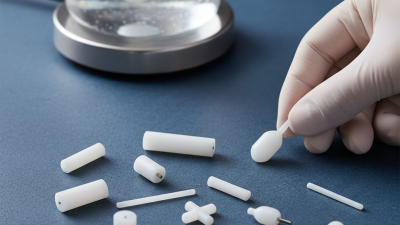
When selecting a PTFE stirrer bar, understanding the types available is essential. PTFE stirrer bars come in various shapes and sizes. Each type has unique features that cater to different laboratory needs. For instance, the classic cylindrical stirrer is versatile and widely used. This design efficiently mixes liquids without causing turbulence.
Another popular option is the octagonal stirrer bar. Its shape prevents sticking to the vessel walls. This reduces the risk of clumping and ensures even mixing. There are also specialized stirrer bars with magnetic coatings. These enhance performance in high-viscosity solutions. However, these bars may not be suitable for all liquid types. You might find that some bars perform poorly with certain chemicals.
Choosing the right stirrer bar requires careful consideration of your specific applications. Think about the size of your container and the viscosity of your solutions. Not every stirrer works for every experiment. Sometimes, experimentation is necessary to find the ideal fit. Pay attention to feedback from your laboratory peers. Their experiences can guide your decisions.
Compatibility with Various Lab Equipment and Chemicals
Choosing the right Ptfe Stirrerbar for your laboratory can significantly impact your workflow. Compatibility with various Lab Equipment and chemicals is crucial. PTFE is known for its chemical resistance. This makes it suitable for use with acids, bases, and many organic solvents. However, not all stirrer bars perform equally well under different conditions.
Consider the size of your containers. A longer PTFE stirrer might be necessary for larger beakers, while shorter ones work better in smaller flasks. Additionally, verify that the stirrer bar can withstand the temperatures involved in your experiments. It's also worth checking how the stirrer interacts with specific chemicals you frequently use.
Reflect on the potential downsides. Some PTFE stirrers may not be magnetic enough for efficient stirring. This can lead to inconsistent mixing, affecting your results. Moreover, if a stirrer bar is too light, it might float instead of mixing properly. Ensuring your PTFE stirrer is the right weight for your applications is essential for reliability.
2026 Lab PTFE Stirrer Bar Compatibility with Various Equipment and Chemicals
Evaluating the Size and Shape for Efficient Mixing
When selecting a lab PTFE stirrer bar, size and shape are crucial for efficient mixing. A narrower stirrer works well in small containers. For larger vessels, a wider bar provides better flow. Shapes vary too—some stirrer bars are straight, while others are octagonal or ring-shaped. Each has its specific use cases based on the mixing requirements.
Consider the viscosity of the liquids you will mix. High-viscosity substances may require broader or heavier bars for effective agitation. The stirrer bar's dimensions should fit snugly in the container. This prevents wobbling, ensuring consistent mixing throughout the process.
Tips: Always check the compatibility of the stirrer with your chemicals. Some materials can react poorly with certain substances. Keep an eye on your mixing results; inconsistent mixing may indicate a mismatch in size or shape. Experimenting with different designs can lead to more efficient results. Aim for a balance between functionality and the specific needs of your workflow.
Durability and Temperature Resistance of PTFE Stirrer Bars
When selecting a PTFE stirrer bar, durability and temperature resistance are critical factors. PTFE, or polytetrafluoroethylene, is known for its impressive chemical resistance. It can withstand harsh environments, making it a preferred choice in laboratories. In fact, data from industry surveys indicate that PTFE stirrer bars can tolerate temperatures up to 260°C. This feature makes them suitable for various applications, including those involving high-temperature reactions.
However, the durability of PTFE stirrer bars can vary. Some bars may exhibit wear and tear over time, especially when subjected to prolonged mechanical stress. A 2023 materials study highlighted that while most PTFE stirrer bars maintain performance, continual agitation can lead to chipping or abrasion. Therefore, it's essential to regularly inspect your stirrer bars for signs of wear. This can help prevent unexpected failures during experiments, which can compromise results.
Additionally, the impact of temperature fluctuations is often underestimated. Rapid changes in temperature can induce stress in PTFE materials, potentially leading to cracking. A report from the Chemical Engineering Journal notes that while PTFE is robust, its longevity can be affected by extreme conditions. Understanding these nuances can help users select better stirrer bars tailored to their specific laboratory needs.
Cost Considerations and Budgeting for Lab Supplies
When purchasing lab supplies, budgeting effectively is crucial. Magnetic Stirrers are essential tools in many labs, but their costs can vary greatly. Consider your specific needs before making a choice. A high-priced stirrer may offer advanced features, but it may not be necessary for basic tasks. Sometimes, simpler options can meet your requirements at a lower price.
Cost considerations extend beyond the initial purchase price. Factor in maintenance and replacement as well. A cheaper stirrer might break down more often, leading to additional costs. It’s essential to assess the expected lifespan of your equipment. In some cases, investing more upfront can save money in the long run. Don’t overlook the importance of reliability in a magnetic stirrer.
Review your lab's specific requirements. Think about the types of experiments you will conduct. Understand the volume you will stir and the material compatibility. These factors can help narrow down your options effectively. Take your time during the selection process.
Reflect on how each option aligns with your lab’s budget. Balancing quality and cost is an ongoing challenge for many labs.
FAQS
: The size should match your container’s volume. Standard lengths range from 2 cm to 10 cm.
PTFE is durable and chemically resistant, outlasting other materials in lab settings.
A cylindrical shape promotes uniform flow and mixing in liquids.
Strong magnets improve movement even in thick solutions, enhancing agitation.
Reviews can highlight performance issues. Sometimes, cheaper options work better for your needs.
PTFE can tolerate up to 260°C, suitable for high-temperature experiments.
Regular inspections are vital to avoid wear, chipping, or failures during use.
Yes, quick changes can cause stress and cracking, impacting the stirrer's longevity.
Not necessarily. Assess your specific requirements to find what works for you.
Prolonged mechanical stress and continuous agitation can lead to deterioration.
Conclusion
Choosing the right Lab PTFE Stirrer Bar is crucial for achieving efficient mixing in various laboratory applications. Understanding the properties and benefits of PTFE stirrer bars, including their compatibility with different laboratory equipment and chemicals, is essential. Key factors to consider when selecting a stirrer bar include its size and shape, which affect the mixing efficiency, as well as its durability and temperature resistance to ensure it withstands the specific conditions of your experiments.
Moreover, evaluating the cost and budgeting for lab supplies is important to find a PTFE stirrer bar that meets your needs without exceeding financial constraints. By considering these aspects, you can make a well-informed decision that enhances your laboratory's operational efficiency and effectiveness.