Choosing the best Lab Chromatography Chamber requires more than comparing prices or polished product photos. The right chamber should support consistent separation, safe handling, and repeatable laboratory work. Small details matter.
In routine thin-layer chromatography, chamber volume affects solvent vapor saturation and band development. A poorly sealed lid may cause uneven solvent movement across the plate. This problem can appear as slanted fronts, weak spots, or unclear separation. Practical users should examine the glass quality, lid fit, internal dimensions, and cleaning access. A chamber with a stable base is also valuable when plates remain inside for several minutes.
Professional selection should match the chamber with the laboratory’s methods, plate sizes, solvents, and daily workload. Review manufacturer specifications carefully, then compare them with validated procedures and relevant laboratory quality systems. Materials should resist the intended solvents and remain easy to inspect after repeated use. Reliable documentation matters. So does supplier support.
No chamber is perfect. A larger model may improve capacity but waste solvent and bench space. A compact model may save resources but limit plate handling. This trade-off deserves honest evaluation. I would also avoid choosing only by appearance. A spotless chamber can still perform poorly if its seal is inconsistent. Test repeatability with a familiar sample before routine adoption, and record the results. That simple step can reveal problems that a catalog never shows.
Understanding the Purpose of a Laboratory Chromatography Chamber
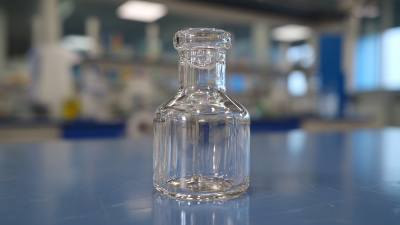
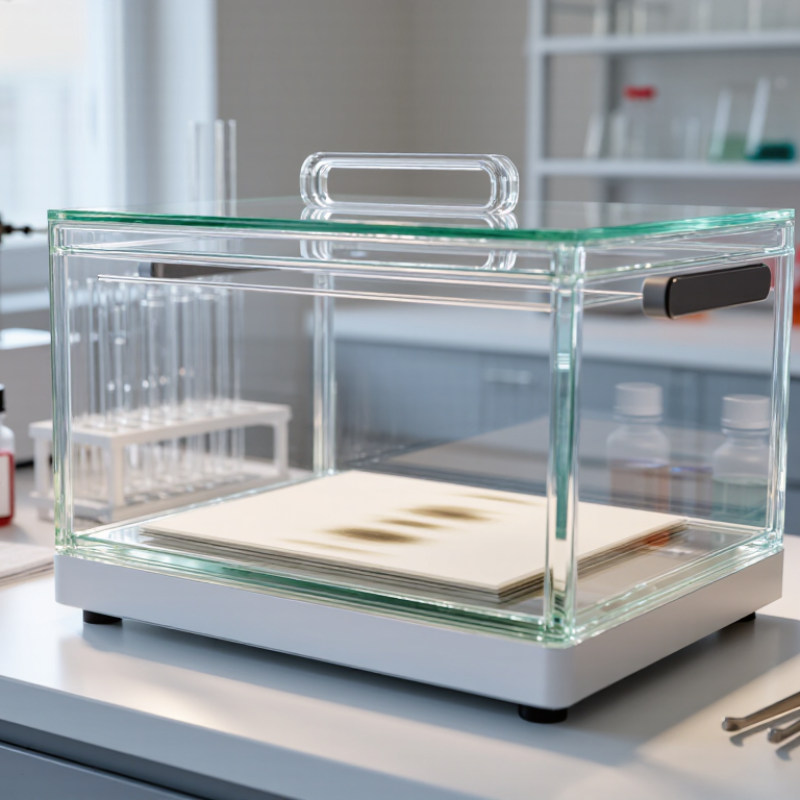
A Chromatography Chamber creates a controlled space for developing thin-layer chromatography plates. It holds the mobile phase and allows solvent vapor to build inside the container. This saturation helps the solvent travel more evenly across the stationary phase. Without sufficient vapor balance, solvent fronts may become uneven or streaked.
Small details matter.
In routine laboratory work, I check the chamber’s internal dimensions, lid fit, and plate support before choosing one. A suitable chamber should keep the plate upright without touching the walls. Its material must also resist the solvents used in the procedure.
A tight lid reduces evaporation, but it should not make handling awkward. That matters during repeated measurements.
Reliable results depend on more than the chamber itself. I usually line the walls with solvent-wetted filter paper when the method requires stronger vapor saturation. The chamber should remain level on the bench, away from drafts and direct heat.
Clean surfaces are essential because old solvent residue can affect migration patterns. Not always. Even experienced users can overlook contamination around the lid or base.
For better repeatability, record solvent volume, saturation time, plate position, and development distance. These notes make differences easier to investigate when two runs look unexpectedly different.
Identifying the Main Types of Chromatography Chambers
Choosing the right chamber begins with understanding how each design controls solvent movement.
A standard glass developing chamber is simple, visible, and suitable for routine thin-layer chromatography. Its flat base accepts a small volume of mobile phase. A tightly fitted lid helps maintain solvent vapor and reduces evaporation.
The twin-trough chamber uses separate reservoirs for solvent and plate conditioning. This design can improve reproducibility when humidity or solvent loss affects results. It is useful for laboratories comparing samples across repeated runs. A Thin Layer Chromatography Chamber with a shallow, stable base also supports small plates and limited solvent volumes.
Horizontal chambers offer another option. They allow development from both sides, saving time and reducing solvent use. However, plate alignment becomes more important.
Automated chambers provide stronger control over saturation, development distance, and drying conditions. They suit validated methods and laboratories handling many samples. Yet, more control does not guarantee better data. Poorly prepared samples still create streaks. Uneven spotting remains a common problem.
In practice, technicians should inspect the lid seal, chamber level, and solvent depth before each run. The solvent should usually touch the plate edge, not the sample spots.
I have seen small setup errors shift bands several millimeters. That detail is easy to overlook.
Chamber material also matters. Glass allows direct observation and cleaning, while some coated surfaces may retain residues. Record chamber type, plate size, solvent volume, saturation time, and development distance for each method. Reconsider those settings when laboratory temperature changes.
Comparing Chamber Size, Materials, and Construction Quality
How to Choose the Best Lab Chromatography Chamber
Comparing Chamber Size, Materials, and Construction Quality
Chamber size directly affects solvent movement and sample separation. A chamber should fit the developing plate without crowding its edges. Leave enough space for solvent vapor to circulate evenly. Small flaws matter. An oversized chamber may waste solvent and slow vapor saturation. A narrow chamber can create uneven development near the walls. Measure your plates, solvent depth, and working area before selecting dimensions.
Glass offers clear visibility and resists many common laboratory solvents. It also reveals streaks, bubbles, and uneven solvent fronts during development. However, glass can chip or break if handled carelessly. Polymer chambers are lighter and easier to transport. Their resistance depends on the specific solvent and manufacturing quality. Check compatibility data rather than trusting a general material label. Do not guess.
Construction quality often decides whether results remain repeatable. Inspect the lid seal, base flatness, corners, and internal surface. A loose lid allows vapor loss and changes development conditions. A warped base can tilt the plate and distort the solvent front. Smooth joints are easier to clean, but they may hide small leaks. Test the empty chamber with a shallow amount of compatible liquid before routine use. I once underestimated a minor lid gap, and repeated runs showed inconsistent distances. That mistake reminded me to inspect fit, not just appearance. Record chamber dimensions and cleaning conditions with each method. Reliable documentation supports better comparisons between runs.
Evaluating Temperature, Humidity, and Atmosphere Control
How to Choose the Best Lab Chromatography Chamber
Temperature, humidity, and atmosphere control directly affect chromatographic reproducibility. A small temperature change can alter solvent evaporation and migration behavior. For a Tlc Developing Chamber, choose stable temperature control rather than impressive maximum temperature. Check the chamber’s uniformity across the working area. A calibrated sensor near the sample position gives more useful data than a display reading alone. In practice, I record temperature before each run and after the chamber stabilizes. The readings are not always identical.
Humidity deserves equal attention. Paper, plates, and solvent systems can respond noticeably to moisture in the air. Select a chamber with adjustable humidity, reliable monitoring, and easy cleaning around the sensor. Watch for condensation on the walls. It may indicate poor balance between chamber temperature and room conditions. Atmosphere control can also reduce unwanted oxidation or solvent composition changes. Gas flow should be gentle and consistent, not forceful enough to disturb the developing environment. This is where many specifications feel clearer than real laboratory behavior.
Tips: Allow adequate equilibration time. Use traceable calibration checks. Keep the door closed during development. Record room temperature and humidity beside each result. Inspect seals regularly. I would also test an empty chamber before routine work; it feels inefficient, but it can reveal uneven airflow, sensor drift, or leaks before they affect valuable samples.
How to Choose the Best Lab Chromatography Chamber - Evaluating Temperature, Humidity, and Atmosphere Control
Checking Compatibility with Chromatography Methods and Samples
A chromatography chamber must match the method, not merely fit the laboratory bench. For thin-layer chromatography, check chamber depth, plate dimensions, solvent volume, and vapor saturation. USP General Chapter emphasizes controlled chromatographic conditions because small changes can affect separation performance. A shallow chamber may cause uneven solvent fronts. That is easy to miss.
Sample chemistry matters just as much. Volatile samples need a tightly sealed chamber, while strongly acidic or alkaline samples require chemically resistant materials. For biological extracts, adsorption and contamination risks deserve attention. ICH Q2(R2), issued in 2023, identifies specificity, precision, accuracy, linearity, and range as key validation characteristics. The chamber should support these requirements through repeatable development conditions. If the same plate gives different bands across separate runs, the equipment or preparation method needs investigation.
Practical testing is essential. Run a solvent blank, a reference solution, and a representative sample before routine use. Record saturation time, temperature, solvent depth, and development distance. NIST Technical Note 1297 explains that a coverage factor of k=2 generally represents approximately 95% confidence when uncertainty is normally distributed. That principle supports documenting chamber repeatability, although real laboratory results may not behave perfectly. My own preference is to leave extra working space around the plate. It reduces handling errors, but it can also waste solvent. Compatibility should be proven with actual samples, not assumed from a specification sheet.
Reviewing Safety Features, Maintenance, and Cleaning Requirements
How to Choose the Best Lab Chromatography Chamber
Safety begins with the chamber’s physical details. Select a unit with stable doors, solvent-resistant seals, and reliable ventilation. A clear shield should protect hands from splashes and broken glass. Keep the Lab Glass Chromatography Column inside secondary containment during filling. Small leaks matter. OSHA’s Laboratory Standard, 29 CFR 1910.1450, requires suitable controls for hazardous chemical exposure. The U.S. Bureau of Labor Statistics recorded about 2.6 million nonfatal workplace injuries and illnesses in 2023. A careful chamber cannot remove every risk, but it can reduce routine mistakes.
Maintenance should follow a written schedule, not memory. Inspect hinges, tubing, clamps, and gaskets before each run. Check airflow indicators weekly, where fitted. Replace cloudy seals quickly. Do not guess. The WHO Laboratory Biosafety Manual, fourth edition, recommends documented cleaning, decontamination, and equipment checks. Record solvent type, inspection date, and corrective action near the chamber. This creates traceable evidence during internal reviews.
Cleaning needs a controlled sequence. Remove residues with a compatible solvent, then use a mild detergent and purified water. Never mix cleaning chemicals casually. Dry the chamber fully before installing another column. Wipe glass surfaces with lint-free materials, especially around the base and drain area. My own inspection routine is not flawless; tiny residue can hide beneath clamps. That is why a second-person check every month is useful. Keep it simple. End.
How to Choose the Best Lab Chromatography Chamber
Use this practical evaluation framework to compare chromatography chambers. The scores represent the relative importance of each criterion on a five-point scale, with safety receiving the highest priority.
Selection guidance: Prioritize chemical-resistant construction, secure containment, ventilation compatibility, easy access for cleaning, and documented maintenance procedures. Always verify the chamber against your laboratory’s risk assessment, solvent compatibility requirements, and applicable safety procedures.
Borosilicate Buchner Filter Funnels: China Supply Insights from Grand View Research’s Laboratory Equipment Market Report
Borosilicate Büchner filter funnels are gaining attention as laboratories expand their filtration, purification, and sample-preparation capabilities. Grand View Research’s laboratory equipment market report estimates that the global market was valued at approximately USD 39.4 billion in 2023 and is projected to grow at a compound annual growth rate of about 7.3% through 2030. This expansion reflects rising demand from pharmaceutical, chemical, food-testing, environmental, and academic laboratories, creating stronger opportunities for dependable glass filtration equipment.
China’s established suppliers and factories offer borosilicate Büchner funnels in multiple capacities, with thick-wall construction, smooth internal surfaces, and compatibility with standard vacuum filtration assemblies. High-quality borosilicate glass provides strong thermal resistance, good chemical durability, and improved visibility during filtration, while reinforced rims and precision-finished connections support safer, more consistent laboratory use. Buyers can source individual funnels or larger production orders directly from manufacturers, often with options for customized dimensions, packaging, and inspection standards.
As laboratories prioritize repeatability and operational efficiency, supplier evaluation should include glass clarity, dimensional accuracy, porosity compatibility, pressure-use guidance, and quality-control documentation. Direct sourcing from reliable Chinese factories can help distributors and laboratory-equipment purchasers access competitive pricing, scalable production, and product consistency for varied research and industrial applications.
FAQS
It supports routine thin-layer chromatography. Its flat base holds a small solvent volume. A tight lid limits evaporation. The clear walls make solvent movement easy to observe.
It separates solvent storage from plate conditioning. This can improve repeatability during repeated runs. It helps when humidity or solvent loss changes results.
It can develop a plate from both sides. This saves time and reduces solvent use. Plate alignment must be precise. A small angle can distort the solvent front.
No. They control saturation, distance, and drying more closely. Poor sample preparation can still create streaks. Uneven spotting remains a problem.
Check the lid seal, chamber level, and solvent depth. The solvent should touch the plate edge, not the sample spots. Record saturation time and development distance.
Volatile samples need tight sealing. Acidic or alkaline samples require resistant materials. Biological extracts may cause adsorption or contamination. Test actual samples before routine use.
Run a solvent blank, reference solution, and representative sample. Record temperature, solvent depth, and saturation time. Compare band positions across separate runs. Small shifts deserve investigation.
Inspect gaskets, hinges, clamps, and tubing before each run. Remove residues with a compatible solvent. Then use mild detergent and purified water. Dry the chamber completely.
Choose stable doors, resistant seals, and suitable ventilation. Use protection against splashes and broken glass. Keep filling operations inside secondary containment. Small leaks matter.
Conclusion
Choosing the right Lab Chromatography Chamber begins with understanding its purpose and the chromatography method it will support. Different chamber designs may suit thin-layer, paper, or other laboratory separation procedures, so compatibility with sample size, solvent use, and workflow is essential. Consider the chamber’s dimensions, construction materials, sealing quality, and overall durability to ensure consistent results and convenient daily use.
Environmental control is another important factor. Depending on the application, temperature, humidity, and internal atmosphere may influence separation performance and reproducibility. A suitable chamber should also provide practical safety features, stable operation, and easy access for inspection. Finally, review how simple it is to clean, maintain, and replace any necessary components. By balancing performance, capacity, construction quality, environmental control, safety, and maintenance needs, laboratories can select a reliable chamber that supports accurate, efficient, and repeatable chromatography work.