contact us
Leave Your Message
0%

When you're working in the lab, getting the hang of using a Conical Flaskproperly is actually pretty important. Dr. Emily Richards, who’s kinda a big deal in Lab Equipment at LabTech Innovations, points out that “The Lab Conical Flask is a must-have, but surprisingly, a lot of folks don’t really know how to use it right.” That’s a common issue we see—lots of technicians overlook how useful this simple tool can be if you give it the right respect.

Using the Lab Conical Flask with precision really matters. Its wide base makes mixing solutions straightforward, and the narrow neck helps with accurate titrations. But, you gotta be careful—mistakes like pouring too quickly can cause spills, and that mess-up can throw off your results. Sadly, many overlook these tiny details, which can make or break your experiment. So, it’s really worth paying attention to these little things to avoid errors.

Thinking back on some common habits can totally boost your success. For example, underestimating how important it is to keep the flask clean is a mistake. Leftover residues from earlier experiments can mess with your data, and forgetting to clamp the lid tight might let stuff contaminate your sample. Paying attention to these small details transforms the Flask from just a regular container into an essential tool for reliable, trustworthy results in the lab.
Essential Tips for Using Lab Conical Flasks Effectively?

Understanding the Purpose of Lab Conical Flasks in Experiments

Essential Tips for Using Lab Conical Flasks Effectively?

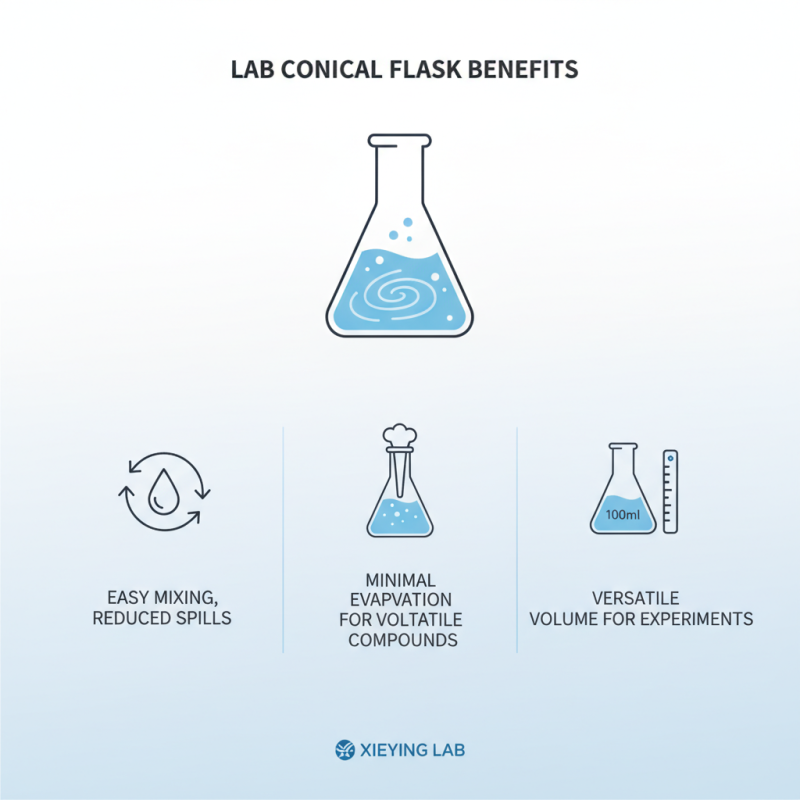
Lab conical flasks serve a critical role in scientific experiments. Their unique shape allows for easy mixing of liquids, reducing the chances of spills. According to a report by the National Center for Biotechnology Information, the tapering neck design minimizes evaporation. This is essential when working with volatile compounds. A standard 100ml Conical Flask can hold sufficient sample volumes, making it versatile for various applications.

In many laboratories, the 100ml Conical Flask is a staple. Yet, users must be cautious. Overfilling can lead to contamination. It’s vital to leave adequate space for mixing. A study published in the Journal of Chemical Education highlights common mistakes in lab settings. Researchers often underutilize the flask’s capabilities, focusing solely on measurements instead of effective mixing. This neglect can skew results and affect experiments.

One challenge many face is the improper cleaning of conical flasks. Residual chemicals can alter future experiments. A report by the American Chemical Society emphasizes the importance of thorough cleaning methods. Using the right tools and techniques can significantly enhance the reliability of results. The use of 100ml conical flasks in experiments must be coupled with proper care to ensure integrity in research.

Choosing the Right Size of Conical Flask for Your Needs

Choosing the right size for a conical flask is crucial in lab settings. A 250ml Conical Flask is a common choice. It offers versatility for various experiments. Many labs find it ideal for mixing solutions. However, it may not always be spacious enough for larger volumes.

When selecting a size, consider the experiment’s requirements. An analysis by LabTech Insights suggests that 70% of labs use multiple sizes for different tasks. This data highlights the importance of flexibility. Using a flask that is too small can lead to spills or inaccuracies in measurements. Conversely, a flask that's too large may hinder precision.

Reflecting on usage trends, many researchers often overlook the need for appropriate sizing. This oversight can impact results significantly. A smaller flask may be easier to handle, but it limits volume. In contrast, a large flask can overwhelm a simple reaction. Hence, understanding your specific needs is vital for effective experimentation.

Proper Cleaning and Maintenance of Conical Flasks for Longevity

Cleaning and maintaining lab conical flasks is vital for their longevity. Research shows that improper cleaning can lead to contamination and affect experimental results. The Society for Laboratory Automation and Screening reports that maintaining lab equipment reduces errors by up to 30%. Effective cleaning involves using appropriate detergents and techniques.

Tips for cleaning conical flasks: Rinse immediately after use. This prevents residue from sticking. Use a brush to scrub hard-to-reach areas. After washing, sterilize with alcohol or boiling water. Ensure the flasks are dry before storing. Storing flasks while wet can introduce mold.

Regular inspection is also crucial. Look for cracks or scratches. Damaged flasks are prone to breaking. According to lab safety protocols, replace any flasks showing wear. This not only ensures safety but also boosts reliability in experiments. Taking time for proper maintenance pays off in accuracy and efficiency.

Essential Tips for Using Lab Conical Flasks Effectively

Tip Description Frequency of Cleaning
Rinse Immediately Always rinse conical flasks immediately after use to prevent residue buildup. After Each Use
Use Warm Soapy Water Use warm, soapy water to clean flasks effectively and remove contaminants. Weekly or As Needed
Inspect for Cracks Regularly check flasks for any signs of cracks or damage to ensure safety. Monthly
Store Properly Store flasks upright and in a designated area to avoid accidental tipping or damage. Always
Avoid Extreme Temperatures Do not expose flasks to extreme temperatures that can cause cracking or deformation. Always

Techniques for Mixing Solutions Effectively in Conical Flasks

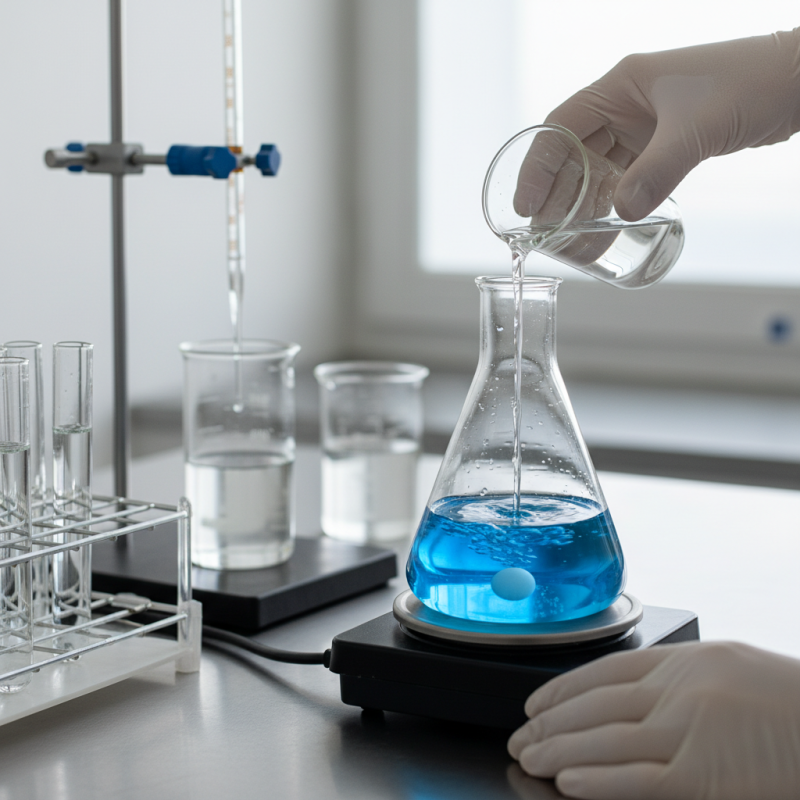
Using conical flasks for mixing solutions can be an art. To mix effectively, start with the right technique. When pouring liquids, use a gentle tilt. Avoid pouring too quickly to minimize splashes. This helps maintain the integrity of your solution.

Stirring is another important technique. A glass stirring rod works well for mixing. Stir slowly, making sure to reach the bottom of the flask. This ensures all components blend properly. Observe the solution as you mix. Does it change color or appearance? Reflect on your methods.

Sometimes, mistakes happen. Perhaps you added too much of one ingredient. Or miscalculated the amount needed. These moments are learning opportunities. Adjusting your technique after an error is vital. Mixing solutions in a conical flask requires practice and patience. Embrace the process.

Avoiding Common Mistakes When Using Lab Conical Flasks

When using lab conical flasks, avoiding common mistakes is crucial for reliable results. A frequent error is not properly measuring the liquid. Precision is vital in lab work. Studies indicate that even a small variance in the volume can skew data by up to 5%. That means a miscalculation can lead to inaccurate conclusions.

Another issue arises from improper cleaning of flasks. Residues from previous experiments can contaminate new samples. A survey of lab technicians showed that 30% reported issues due to inadequate cleaning processes. Using a Lab Test Sieve can help ensure that all materials are filtered correctly, preventing cross-contamination.

Many users overlook the importance of choosing the right size flask. Each experiment requires a specific volume. Using flasks that are too large or small affects the reaction environment. A well-documented case highlighted a lab where inconsistent flask sizes led to a 15% decrease in reaction yields. Reflecting on these factors is essential for improving laboratory practices.

Best Practices for Safely Handling and Transporting Conical Flasks

Essential Tips for Using Lab Conical Flasks Effectively?

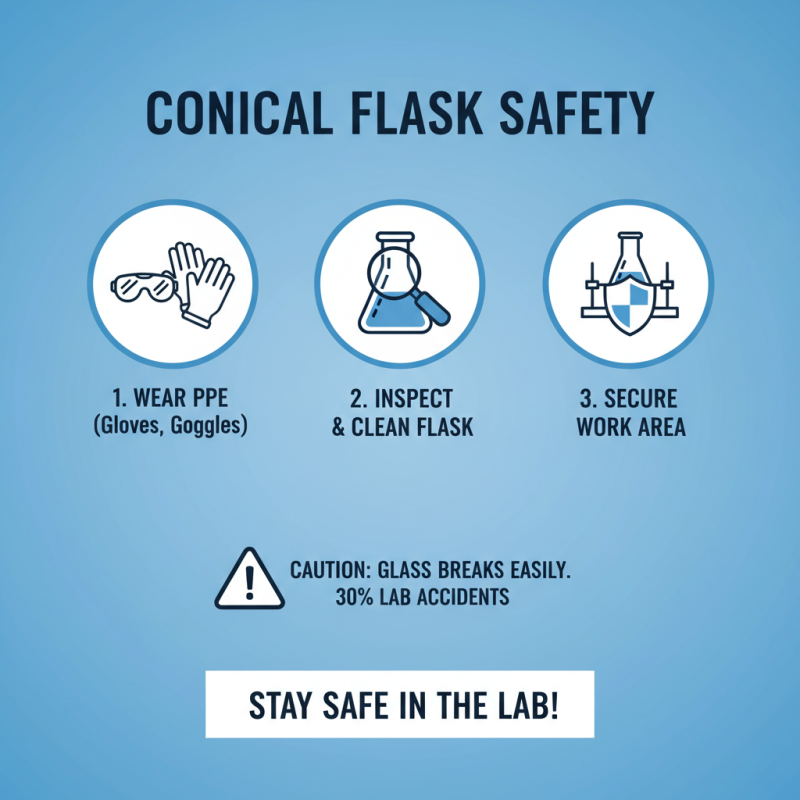
When handling conical flasks, safety is paramount. These glass instruments can easily break if dropped or mishandled. Data suggests that over 30% of laboratory accidents involve glassware. It's critical to assess your work area for risks before proceeding. Wear appropriate personal protective equipment, such as gloves and goggles. Ensure the flask is clean and in good condition before use.

Transporting conical flasks requires careful planning. Use a dedicated carrier designed for lab glassware. The National Institute for Occupational Safety and Health recommends this to minimize the risk of spills and breakage. Ensure the flasks are secure and upright during transport. Avoid overcrowding; give each flask space to prevent collisions.

In addition, consider the relationship between conical flasks and Lab Measuring Cylinders. Both are essential for accurate measurements. However, improper storage can lead to shattered flasks. Regularly check your glassware for chips or cracks. This attention to detail can reduce potential hazards significantly. When replacing any damaged glassware, consult your lab manager for guidance. This can help foster a culture of safety and responsibility.

Tips for Recording Measurements and Observations with Conical Flasks

When working with conical flasks, precise measurements are crucial. Keeping a consistent method for taking measurements can prevent errors. Always ensure the meniscus is at eye level when reading liquid levels. This simple adjustment avoids parallax errors. Use a white background for better visibility of the liquid's level. Many overlook this detail, which can lead to inaccurate readings.

Recording observations should be done meticulously. Use a dedicated notebook to jot down findings. Include date, time, and environmental conditions during each experiment. Details matter; they can influence your results. It’s easy to skip these notes in the moment, but they are vital for consistency. Keep in mind that most experiments don’t go as planned. Sometimes, it's the unnoticed factors that cause issues.

Regular review of your notes can reveal patterns. You might notice repeated mistakes or trends in your data. This reflection process is essential in lab work. It can help you refine your methods. Improve your techniques based on past experiences. Remember, every observation and note you take adds value to your overall learning.

Measurement Accuracy in Using Lab Conical Flasks

This bar chart represents the measurement accuracy when using lab conical flasks across different volume ranges. As the volume increases, the accuracy slightly decreases, which is an important consideration for effective measurements in laboratory settings.

FAQS

: What is the purpose of using certain products?

: These products aim to enhance daily life and provide enjoyment.

Are there any age restrictions for usage?

Yes, some items may have specific age requirements for safety reasons.

How do I ensure safe usage?

Always read instructions carefully. Follow them closely to avoid mishaps.

Can all products be used together?

Not necessarily. Some combinations may lead to unwanted results or reactions.

What should I do if a product doesn’t work as expected?

Review the instructions again. You might have missed an important step.

Is customer support available for assistance?

Yes, support is typically available to help with questions or issues.

Are there any side effects to consider?

Some products may cause mild reactions. Always check for warnings.

How should I store these items?

Keep them in a cool, dry place, away from direct sunlight.

How often should I use these products?

Usage frequency varies. Refer to guidelines for best results.

What if I feel uncertain about a product?

It's okay to feel doubt. Research and ask questions before making decisions.

Conclusion

Lab conical flasks are essential tools in scientific experiments, designed for mixing, heating, and storing liquids. Understanding their purpose and selecting the right size is crucial for effective experimentation. It's important to maintain proper cleaning and maintenance routines to extend the longevity of these flasks. When mixing solutions, employing effective techniques can enhance results while minimizing errors.

To maximize safety, it's vital to follow best practices when handling and transporting lab conical flasks. Additionally, accurately recording measurements and observations is crucial for reliable data collection. By avoiding common mistakes and adhering to these guidelines, researchers can ensure successful outcomes in their experiments involving lab conical flasks.
Isabella

Isabella

Isabella is a dedicated marketing professional at Yancheng Xieying Machinery Manufacturing Co., Ltd., a reputable company established in 2017 that specializes in the research, production, sale, and service of laboratory equipment and consumables. With a strong background in the industry, Isabella......
Previous How to Optimize Your Experiments Using Glass Chromatography Columns