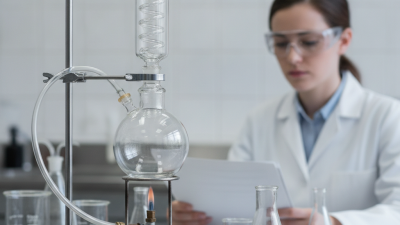
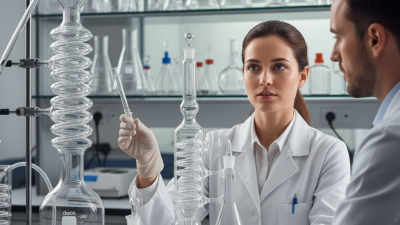
When you think about lab glassware, the Glass Liebig Condenserreally stands out as a key player for smooth and efficient distillation. Dr. Emily Foster, a well-known chemist at LabTech Solutions, puts it pretty plainly: "Having a reliable Glass Liebig Condenser is a must if you want pure distillates." Honestly, that just shows how important quality really is in science work.
Figuring out which Glass Liebig Condenser to go for can feel kinda overwhelming, especially with so many options out there. Each one has its own perks — some focus on cooling power, others are built to last longer. Lab folks often get into debates over which model is best, but they sometimes miss out on the small details that could actually make a big difference in their results.
The top five Glass Liebig Condensers we talk about here try to tick all the boxes — they’re reliable and effective. But, of course, it’s smart to look at the pros and cons of each one. Knowing these little nuances can really help you up your lab game. This overview is here to help both beginners and seasoned pros find the perfect condenser for their specific needs.
Overview of Glass Liebig Condensers
Glass Liebig condensers are crucial for many laboratory processes. These condensers assist in cooling and condensing vapors during distillation. Their design allows for efficient heat exchange, which is essential for maximizing yield in chemistry experiments. According to a report by the American Chemical Society, using high-quality Glass Condensers can improve overall lab efficiency by up to 15%.
When selecting a Lab Glass Liebig Condenser, consider its length and diameter. Longer condensers provide better cooling efficiency. Ideally, the diameter should match the volume of vapor passing through. A mismatch can lead to increased pressure and reduced effectiveness. It's essential to monitor the performance of condensers, as they can deteriorate over time. Regular inspections can help identify any signs of wear, such as cracks or discoloration.
Tip: Always ensure that the condenser is securely attached and free from obstructions. A loose connection can lead to vapor loss. Consider using a water pump with adjustable flow to control cooling rates. Too much water can create problems, like lower efficiency. Evaluating both the setup and materials leads to a more productive experiment. Remember, even small details matter in achieving reliable results.
Key Features to Consider in Glass Liebig Condensers
When selecting a Glass Liebig Condenser, understanding key features is essential. The material should be of high-quality borosilicate glass. This type can withstand temperature changes and is resistant to chemicals. A condenser’s length impacts its efficiency. Longer models may yield better results since they provide more surface area for cooling.
Another important feature is the diameter of the inner tube. A wider tube allows for better vapor flow, ensuring effective condensation. Look for models with uniform wall thickness, which promotes durability. The connection ends must fit securely. Leaks can hinder the entire process.
Additionally, assess the joint configuration. Standardized joints ensure compatibility with various laboratory setups. However, finding a perfect joint may be challenging; experimentation might be needed. Pay attention to any manufacturing imperfections. These may impact performance. Always inspect before use to ensure optimal results from your Liebig Condenser.
Top 5 Glass Liebig Condensers for Laboratory Use
Liebig condensers are essential in many laboratory setups. They play a critical role in cooling vapors during distillation processes. Among Glass Condensers, the Liebig design stands out for its efficiency and ease of use. When choosing a glass condenser, consider the cooling surface area and the rate of coolant flow. An efficient cooling system is crucial to maximize results.
Laboratory studies indicate that properly sized glass condensers can significantly increase distillation yield. A study published in the Journal of Chemical Engineering found that using a Liebig condenser could enhance cooling efficiency by nearly 30%. This is vital for sensitive compounds, where excessive heat can result in undesirable reactions. Make sure to select the right diameters for your setup, as this will impact overall performance.
**Tips:** Always inspect your glass condenser for any cracks or imperfections. These can lead to leaks and affect your experiment's integrity. Regular maintenance is key. Proper cleaning of the glass condenser will ensure optimal performance, allowing you to achieve accurate results consistently. Even minor issues can lead to major discrepancies in experiments. Keep detailed notes on performance over time to identify when replacements are necessary.
Comparative Analysis of Specs and Performance
When choosing a glass Liebig condenser, performance varies. The design impacts cooling efficiency. Condensers with longer length often provide better results. A longer surface area creates more contact between vapor and cooling water. This effect leads to higher condensation rates.
Material quality is crucial. Borosilicate glass is commonly preferred. Its thermal shock resistance protects against sudden temperature changes. However, not all borosilicate is the same. Some products may have lower durability. Assessing the thickness of the glass can be beneficial as well. Thicker walls offer better protection against breakage.
Performance also depends on water flow. A steady flow is needed for effective cooling. An imbalanced or low flow can lead to incomplete condensation. Observing water inlet and outlet temperatures can provide insight into efficiency. Noticing a significant difference between them indicates good performance. However, inconsistent results may require adjustments in setup or flow rate. Understanding these aspects can lead to a more effective distillation process.
Practical Applications of Glass Liebig Condensers
Glass Liebig condensers are vital in various laboratory setups. They serve to cool vapors effectively, condensing them into liquids. These condensers are primarily used in distillation processes. They can significantly improve the efficiency of both recreational and academic experiments. The efficiency of the cooling system directly impacts the yields of distillation.
When using a Liebig condenser, ensure that the water flow is sufficient. Proper water circulation enhances cooling and ensures optimal performance. It’s essential to choose the correct size for your setup. A mismatch can lead to ineffective cooling. Pay attention to the temperature gradient; too high can result in vapor loss.
A common mistake is neglecting regular maintenance of these condensers. Check for cracks and ensure the connections are tight. Even small leaks can diminish efficiency. Cleaning the condenser after each use is necessary. Residues can solidify and impact the cooling process. Remember, good practices lead to better results.
Maintenance Tips for Longevity and Performance
Maintaining a glass Liebig condenser is crucial for optimal performance. Regular cleaning helps prevent residue buildup. Use warm water and a soft brush to clean the interior. Avoid abrasive materials; they can scratch the glass. Inspect the joints and fittings for signs of wear. Proper fittings ensure a secure connection to prevent leaks.
Temperature fluctuations can stress the glass. Allow the condenser to cool before washing it. Quick temperature changes may cause cracking. When using a 300mm Glass Condenser, ensure it is securely mounted. A stable setup prevents accidental tipping and damage.
Store your condenser safely when not in use. Wrap it in a cloth or place it in a padded container. Glass can break easily, especially if mishandled. Depending on usage, keep an eye on its condition. Even minor chips can weaken the glass structure. Regular checks help ensure your condenser lasts longer.
Top 5 Glass Liebig Condensers - Performance Comparison
This chart illustrates the cooling efficiency in degrees Celsius per minute for the top 5 glass Liebig condensers. Higher values indicate better performance, which is crucial for effective distillation processes.
Where to Purchase Quality Glass Liebig Condensers
When looking for quality glass Liebig condensers, it is essential to prioritize reliability and performance. These condensers play a vital role in various distillation processes. They function by cooling vapor back into liquid, making them a staple in laboratories. You can purchase them from specialized lab supply stores, reputable online marketplaces, or scientific equipment retailers. Ensure that you check user reviews to gauge the product's quality.
A good tip is to always look for manufacturers offering clarity in their product specifications. High-quality glass should have no imperfections. Additionally, consider the length of the condenser. Longer units typically provide better cooling efficiency. Don't overlook the importance of compatibility with your current setups, such as flask sizes and joint types.
While price is a factor, don’t be swayed solely by cost. Cheaper options might compromise on quality. Be wary of deals that seem too good to be true. Not all sellers are equally credible. Providing accurate dimensions and features can save you from making regrettable choices. Take your time to research. It's worth it for a durable piece of equipment.
FAQS
: They are used for cooling and condensing vapors during distillation in laboratory processes.
Using high-quality glass condensers can boost overall lab efficiency by up to 15%.
Consider the length and diameter of the condenser for better cooling efficiency.
A mismatch can increase pressure and reduce the condenser's effectiveness.
Regular inspections for cracks or discoloration are essential to monitor performance.
A loose connection can lead to vapor loss during experiments.
Too much water may lower cooling efficiency; adjustable flow is recommended.
High-quality borosilicate glass is preferred for its durability and chemical resistance.
Ensuring compatibility can prevent leaks and improve the condensation process.
Inspecting for imperfections is vital, as they may impact the condenser's performance.
Conclusion
The article "Top 5 Glass Liebig Condensers You Should Know About" provides a comprehensive overview of Glass Liebig Condensers, essential equipment in laboratory settings for efficient cooling and condensation processes. It highlights key features to consider when selecting a condenser, including material quality, design, and performance criteria. The top five recommended models are analyzed based on specifications and practical applications, making it easier for researchers and lab professionals to choose the right model for their needs.
Additionally, the article offers valuable maintenance tips to ensure the longevity and optimal performance of Glass Liebig Condensers. It concludes with guidance on where to purchase high-quality condensers, emphasizing the importance of investing in reliable equipment for effective laboratory work. Overall, this article serves as a useful resource for anyone looking to enhance their laboratory capabilities with top-notch Glass Liebig Condensers.