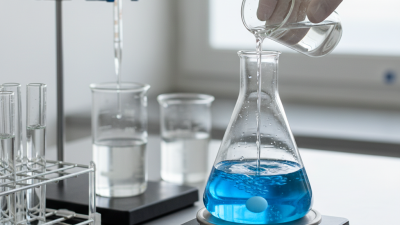
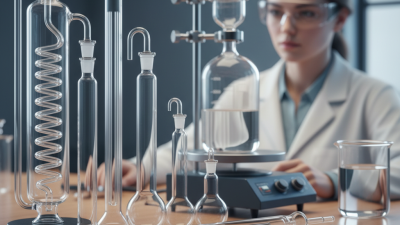
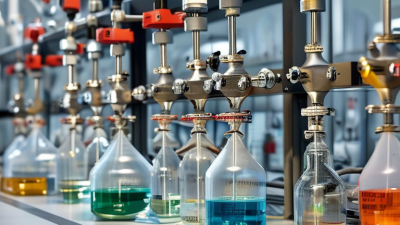
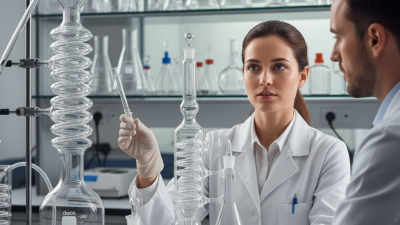
In the world of scientific research, accuracy really is everything. Dr. James Anderson, who's pretty much a go-to guy when it comes to Lab Equipment, once said, "Your results depend a lot on the quality of your tools." Honestly, that’s so true—especially when it comes toLab Glass Beakers. They’re kind of the unsung heroes of getting precise measurements and running experiments smoothly.
Picking the right Beaker isn’t just about grabbing whatever looks good. The quality can vary a ton between brands, so it's worth knowing what to watch out for. Some beakers are made to handle really high temperatures, while others can crack or shatter way too easily—kind of a nightmare if you're counting on them. These little differences can totally mess up your results or even cause accidents in the lab.
If you’re working in a lab, understanding these differences is super important. The quality of your beaker affects not just the outcome of your experiments but your safety too. Using a cheap, poorly made beaker could ruin your whole experiment or worse. That’s why it’s so crucial to pick the best ones out there—knowing your options can really make a big difference and keep things running smoothly. Trust me, when it comes to science, having the right tools isn’t just a good idea—it’s a must.
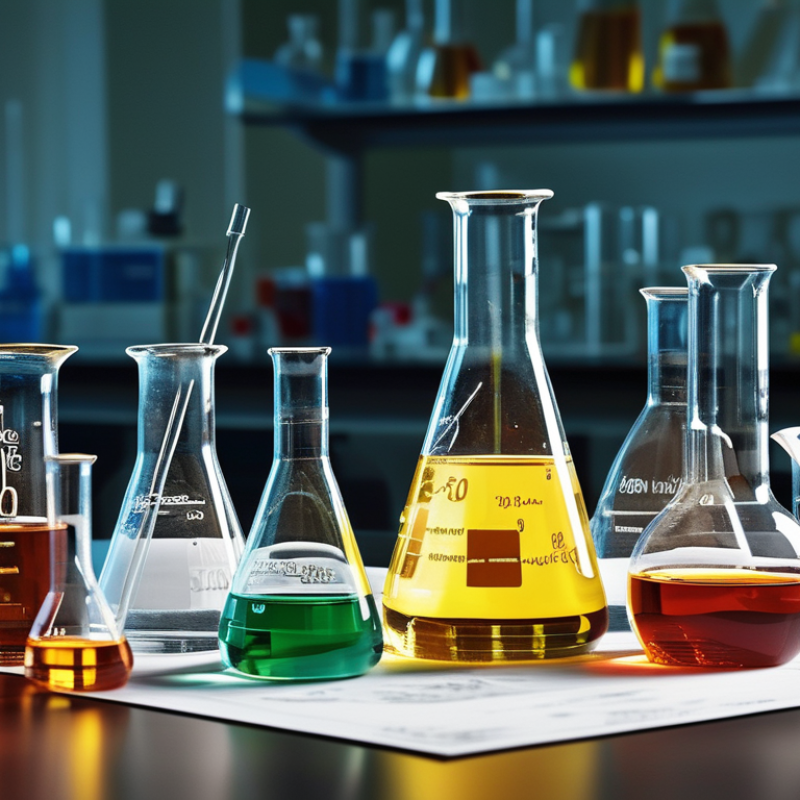
Understanding the Importance of Lab Glass Beakers in Scientific Work
Lab Glass Beakers are fundamental tools in scientific research and experimentation. Their design allows for accurate measurements of liquids, essential for reliable results. According to a report by the National Institute of Standards and Technology, precision in measurement is critical, as even minor errors can lead to significant discrepancies in findings.Lab Beakers come in various sizes, each suited for specific tasks, enhancing versatility in laboratories.
Despite their importance, not all lab glass beakers meet the same quality standards. Some may be prone to breakage or chemical leaching, which compromises experiments. A survey by the American Laboratory Society found that 25% of labs reported issues with beaker quality affecting their work. This highlights the need for selecting the right glass material and ensuring compliance with industry regulations.
Understanding the importance of lab glass beakers goes beyond choice. Lab beakers must withstand temperature changes and chemical reactions. Not all products perform well under these conditions. Researchers often face challenges when integrating new materials. The industry should prioritize improving the durability of lab beakers, ensuring they meet rigorous quality standards for accurate scientific work.
Top 10 Lab Glass Beakers: Quality Standards Comparison
Key Features to Look for in Quality Lab Glass Beakers
When selecting lab glass beakers, consider the material. Borosilicate glass is often preferred for its thermal resistance. It withstands temperature changes and protects against thermal shock. Acrylic beakers may be lighter and shatter-resistant, but they offer less durability. Pay attention to clarity as well. High-quality glass beakers should provide clear visibility for easy measurement and observation.
Another essential feature is graduation markings. Well-defined measurements allow for precision when mixing chemicals. Accurate measurements are crucial for experiments. Look for beakers with easy-to-read scales. They help prevent mistakes in critical research tasks. The rim of a beaker should be smooth, ensuring safe pouring without spills.
Additionally, check for compatibility with common lab chemicals. Some beakers may react with specific substances. This could compromise your results or damage the beaker. Consider the ease of cleaning, too. Complex shapes can trap residues. Simple designs are often easier to maintain. Overall, these factors significantly impact the reliability and efficiency of laboratory work.
Comparison of Different Materials Used for Glass Beakers
When considering lab glass beakers, the material significantly impacts quality and usability. Common materials include borosilicate glass, soda-lime glass, and PTFE (polytetrafluoroethylene). Each has distinct properties suitable for various laboratory applications.
Borosilicate glass is prized for its thermal resistance and durability. It can withstand high temperatures and sudden changes. However, its cost can be a drawback for budget-conscious labs. Soda-lime glass, on the other hand, is more affordable but less resistant to thermal stress. It is suitable for general purposes when extreme conditions are not a concern.
Lab Ptfe Beakers offer excellent chemical resistance and are nearly inert. They are ideal for experiments involving corrosive substances. However, they generally do not handle heat well, limiting their use in high-temperature experiments. Each material has pros and cons, making it essential to select the right type for specific applications. Understanding these differences ensures better results and minimizes errors in lab work.
Top Brands Leading the Market in Lab Glass Beakers
The market for lab glass beakers is highly competitive, with several brands standing out for their quality and innovation. According to a recent industry report, around 60% of lab professionals prioritize beaker quality when purchasing. High-quality materials, such as borosilicate glass, ensure durability and chemical resistance, making them ideal for precise measurements. Brands that adhere to established safety standards often lead the market, earning the trust of researchers worldwide.
A significant trend in laboratory supplies is the growing adoption of Lab Teflon Beaker options. These beakers are popular due to their exceptional resistance to chemicals and high temperatures. Many labs are looking for alternatives to traditional glass due to potential breakage. The market research indicates that Lab Teflon Beakers have become essential in fields where safety is paramount. Despite their advantages, some labs still express concerns about their thermal stability and usability in specific experiments.
Another aspect to consider is the push for eco-friendly materials in lab equipment. Many leading brands are exploring sustainable alternatives to plastic and glass. These innovative solutions not only enhance safety but also aim to reduce environmental impact. However, it remains essential for laboratories to balance innovation with cost-effectiveness. Investing in high-quality lab glass beakers or Lab Teflon Beaker alternatives is a step towards both efficiency and responsibility.
Safety Standards and Regulations for Lab Glass Beakers
When choosing lab glass beakers, safety standards play a crucial role. Glass quality directly impacts the reliability of experiments. High-quality borosilicate glass is often the standard due to its resistance to thermal shock. However, not all beakers are created equal, and some may not meet stringent safety protocols.
Laboratories must adhere to regulations set by safety organizations. These guidelines ensure that glass beakers can withstand harsh chemicals and high temperatures. Beakers should have clear measurement markings for accuracy. This clarity helps prevent measurement errors during sensitive experiments.
It’s essential to be aware of the manufacturing processes behind these beakers. Some might use recycled material that doesn't meet safety standards. Regular inspections and certifications are necessary to maintain compliance. In considering beaker safety, choices can sometimes overlook quality. A little diligence can ensure reliable lab results while minimizing risks.
Maintenance and Care Tips for Extending Beaker Lifespan
When it comes to lab glass beakers, proper maintenance is crucial for extending their lifespan. Research suggests that frequent replacement of glassware can increase operational costs by 30%. By implementing effective care strategies, labs can minimize wear and tear, ensuring their beakers remain functional and safe for longer.
Cleaning is fundamental. After each use, rinse with distilled water to prevent residue buildup. Use pH-neutral detergents, as harsh chemicals can degrade glass over time. It's essential to dry beakers properly; moisture can lead to contamination and unintended reactions. If possible, invest in a dedicated drying area that remains dust-free.
Store beakers like the Lab Teflon Beaker 250ml in a designated, shock-absorbent area. Avoid stacking glass beakers directly on one another, which can cause chips or fractures. Regularly inspect for cracks or cloudiness, as these may compromise results. If defects appear, reflective practices can help determine the best maintenance path, reinforcing laboratory safety and integrity.
Choosing the Right Size and Capacity for Your Lab Needs
Choosing the right size and capacity for your lab beakers is crucial. A beaker's size influences your ability to perform experiments efficiently. For small-scale reactions or sample analysis, a 50 mL to 250 mL beaker may suffice. Conversely, larger quantities may require a beaker with a capacity of 1 liter or more. It’s essential to consider the scale of your projects before making a selection.
In addition to volume, the beaker's dimensions play a role. A wider base provides stability, reducing the risk of spills. However, tall beakers may allow for better mixing of contents. Keep in mind the constraints of your workspace. An oversized beaker could clutter your lab, hindering productivity. Often, researchers underestimate the importance of these factors.
Proper labeling is another detail many overlook. Clearly marking beakers can prevent mix-ups and enhance safety protocols. Experimenting with various sizes can lead to better outcomes. Don't hesitate to adjust your choices based on past experiences. Observing outcomes can refine your selection process over time. It is a journey of learning and adaptation.
Advancements in Chemical Processing: The Role of Corrosion-Resistant PTFE Stirring Paddles in Enhancing Lab Efficiency and Safety
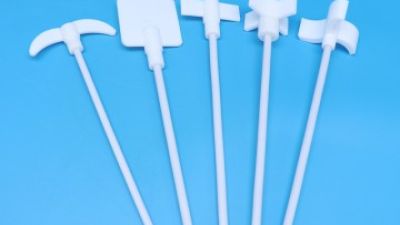
In the field of chemical processing, the efficiency and safety of laboratory operations are paramount. Recent advancements have highlighted the critical role of materials that can withstand harsh environments, with polytetrafluoroethylene (PTFE) emerging as a leading choice for stirring paddles. PTFE offers exceptional corrosion resistance, making it suitable for both acidic and alkaline substances. According to industry reports, materials like PTFE can significantly reduce the risk of contamination and equipment degradation, thereby enhancing laboratory safety and longevity of tools.
The PTFE stirring paddles are engineered to perform reliably under extreme temperatures ranging from -180 °C to 260 °C. This versatility ensures they can be employed in a wide array of laboratory applications, from high-temperature reactions to gentle mixing tasks. Studies indicate that equipment failures due to chemical corrosion can lead to costly downtime; therefore, utilizing stirring paddles specifically designed to resist chemical attack can contribute to uninterrupted workflow and increased productivity.
Additionally, the non-stick properties of PTFE facilitate efficient mixing by minimizing adhesion, which is vital when working with sensitive samples. The two-leaf design of PTFE mixing blades allows for adaptability to various container openings, ensuring effective mixing regardless of vessel size. As laboratories strive for operational excellence, integrating such advanced materials not only optimizes laboratory processes but also ensures a safer working environment for researchers and technicians.
FAQS
: Quality affects durability and chemical resistance, making precise measurements possible.
Borosilicate glass is commonly used due to its strength and resistance to chemicals.
There's a shift towards Lab Teflon Beakers for improved safety and durability.
Rinse with distilled water and use pH-neutral detergents to avoid damage.
Neglecting to dry properly or inspect for cracks can lead to expensive replacements.
Choosing the right size influences efficiency and can prevent spills or clutter.
Store beakers in shock-absorbent areas and avoid stacking them directly.
Clear labels help prevent mix-ups, enhancing safety and accuracy during experiments.
Balancing sustainability with cost-effectiveness remains a concern for many labs.
Experimenting with sizes and observing outcomes can lead to better future choices.
Conclusion
Lab glass beakers play a crucial role in scientific work, serving as essential tools for measuring, mixing, and storing various substances. When selecting a lab glass beaker, it's important to consider key features such as durability, resistance to thermal shock, and accuracy in measurement. Different materials are used for glass beakers, each with unique properties that cater to specific laboratory needs.
Safety standards and regulations must also be adhered to, ensuring that these beakers provide a safe working environment. Proper maintenance and care can significantly extend the lifespan of lab glass beakers, while choosing the right size and capacity is vital for effective lab operations. Understanding these elements will help ensure that your lab is equipped with high-quality glass beakers that meet all necessary standards and requirements.