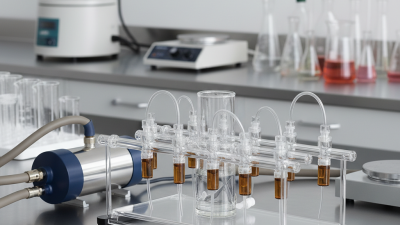
In the fast-paced world of Lab Equipment, picking the right tools can really make a difference. Take theLab Vacuum Manifoldfor example — it’s known for being pretty versatile when it comes to handling samples and filtration tasks. Dr. Emily Parker, a well-respected expert in lab tech, once said, “Having a reliable Lab Vacuum Manifold is absolutely key if you want consistent, trustworthy results in your research.” Her words remind us just how important this piece of equipment really is when it comes to making labs run smoothly.
Now, choosing a Lab Vacuum Manifold might seem like a straightforward thing, but honestly, it’s worth taking the time to think it through. Things like the material’s durability, the capacity of the manifold, and whether it plays nicely with different vacuum pumps are super important. Every lab has its own unique needs, so what works for one might not be the best for another. Skimping on the right choice can cause all sorts of headaches — performance problems, or even contamination. So yeah, paying close attention to these details can really make or break your experiments.
Getting a good sense of the top options out there worldwide helps a lot, too. Reading reviews from other users and listening to what experts recommend can save you from some costly mistakes. Some models might be fantastic for particular tasks, but lack the flexibility you need. Ultimately, it’s all about understanding your specific requirements and picking a solution that fits best — because when it comes down to it, the right equipment can totally impact your results in a big way.

Overview of Lab Vacuum Manifolds and Their Importance
Lab vacuum manifolds play a vital role in various scientific applications. They facilitate the efficient transfer of samples under reduced pressure, ensuring optimal separation and purification. Reports indicate that the global lab vacuum manifold market is projected to grow at a CAGR of around 5% from 2021 to 2026. This growth highlights the increasing importance of these systems in laboratory settings.
The accuracy and reliability of results depend significantly on the manifold's design and material quality. High-quality manifolds reduce the risk of contamination, which is crucial for experiments. For instance, a study revealed that improper vacuum systems could lead to a 30% decrease in sample purity. Thus, selecting the right manifold affects the integrity of research outcomes.
While many options are available, not every vacuum manifold fits all lab needs. Some users report challenges in adapting manifolds to their specific requirements. Operational difficulties may arise due to varied sample types or laboratory workflows. Continuous feedback from end-users can help manufacturers improve the ergonomics and functionality of their products. Balancing performance and usability will be vital for suppliers aiming to cater to a diverse customer base.
Key Features to Consider When Choosing a Vacuum Manifold
When selecting a Vacuum Manifold, consider several key features. The design should accommodate different types of experiments. A well-structured manifold can enhance not only performance but also safety. Look for manifolds that offer clear labeling and user-friendly interfaces. This usability is critical in a laboratory where precision is vital.
Material durability also matters significantly. The vacuum manifold should resist chemicals and wear. Stainless steel or high-quality plastics can provide the longevity you need. A reliable vacuum seal is essential. Test the vacuum pressure to ensure it maintains capacity under various conditions. Leaks can lead to inaccurate results and wasted samples.
Port configurations are another factor to weigh. Adjustable ports allow for flexibility in diverse applications. Some setups may require multi-sample processing. Having a manifold that can adapt is beneficial.
Adaptability is crucial but can be imperfect. Many users find the need for custom modifications. Regularly assess if your chosen model meets ongoing demands. The design should evoke confidence while addressing potential shortcomings. Thoughtful consideration of these features can lead to optimal results in your laboratory work with a vacuum manifold.
Top Lab Vacuum Manifold Brands and Their Offerings
When it comes to lab vacuum manifolds, buyers must consider various reputable brands. Many manufacturers excel in design and functionality. They offer products that cater to different laboratory needs.
Top brands typically provide a range of manifold configurations. This includes those suitable for multiple users and specific applications. Variability in pressure levels is essential. It allows researchers to tailor the manifolds to their experiments. However, some options may lack modularity. This could limit future upgrades.
Portability is another aspect to weigh. Some manifolds are lightweight and easy to move. Yet, they might compromise durability. Handling could be an issue. Always evaluate the construction materials. User experience can vary across different models. Keep in mind that not every brand achieves peak performance. Finding the right fit involves trial and error.
Comparative Analysis of Popular Lab Vacuum Manifold Models
When choosing a lab vacuum manifold, several factors at play differ significantly between models. First, the construction materials can affect durability and performance. Stainless steel is often preferred for longevity, while some labs favor plastic options for cost savings. Each choice has its pros and cons regarding chemical resistance and ease of cleaning.
Another consideration is the manifold design. User-friendly configurations are crucial for efficiency. Features like built-in pressure gauges or easy-to-read markings can enhance usability. Some users have reported frustration with complex setups that waste time. Additionally, the number of ports varies, impacting operational capacity. A manifold with more ports is not always better if it complicates the workflow.
Compatibility with equipment is often overlooked. A well-suited manifold enhances overall system performance. However, mismatched components can lead to inefficiencies and safety hazards. Users should reflect on their specific needs. Sometimes, choosing a simpler model might be more effective than seeking advanced features that do not add value. Balancing these factors is essential for making an informed choice.
Pricing Trends for Lab Vacuum Manifolds: A Global Perspective
Pricing trends for lab vacuum manifolds show significant variation across different regions. Buyers are increasingly conscious of the cost, influenced by manufacturing and material quality. A range of prices exists, reflecting the differences in design complexity and functionality.
In some markets, entry-level options start at a few hundred dollars. More advanced systems, like the Double Vacuum Manifold, may cost over a thousand. These prices can often include additional features or enhanced durability. Factors such as shipping and tariffs also affect final pricing, complicating purchasing decisions.
Global buyers must navigate these trends carefully. Understanding local market conditions is crucial. Some regions might offer better value depending on the technology used. Therefore, continuous research is key to making informed choices. Buyers should seek detailed specifications and comparisons to ensure the equipment meets their specific needs.
User Reviews and Experiences with Leading Vacuum Manifold Options
When considering High Vacuum Manifolds, user feedback plays a crucial role. Many buyers emphasize the importance of reliable performance in lab settings. Reviews often highlight how a sturdy design and consistent vacuum levels are key factors. Users appreciate when a manifold allows for easy connection to various types of glassware. However, some have experienced issues with compatibility across different equipment brands.
Experiences shared by lab technicians reveal mixed feelings about certain features. Some prefer models with multiple ports for versatility, while others find them too complex. Feedback reveals that ease of maintenance is equally as vital. Users have noted that regular cleaning can prolong the manifolds' lifespan. Yet, some models make this process cumbersome, leading to frustration.
Moreover, durability is a common concern. Reviewers often debate the materials used in the construction of these manifolds. A robust high vacuum manifold can withstand harsh lab conditions, but not all models deliver on this promise. Users also express the need for clear instructions, as some designs aren’t intuitive. The balance between functionality and usability remains a significant point of discussion among lab personnel.
Future Trends in Lab Vacuum Manifold Technology and Innovation
Lab vacuum manifold technology is continuously evolving. Recent studies indicate a growing trend toward automation and integration. This shift aims to enhance efficiency and reduce human error in laboratory settings. Reports show that automated systems can improve processing times by up to 30%. These advancements are crucial for laboratories with high sample turnover rates.
Another key trend is the development of materials that enhance durability. For instance, manufacturers are exploring new composites that improve resistance to chemical exposure. This development increases reliability in challenging environments. Furthermore, the rise of eco-friendly options is noteworthy. Sustainable materials are gaining traction, driven by both regulatory demands and consumer preferences.
Though these innovations hold promise, challenges remain. Many labs still rely on outdated equipment that may not be compatible with new technologies. Updating infrastructure can be costly and time-consuming. Additionally, educating staff on new systems is critical. Labs often face resistance to change, which can hinder progress. However, the potential benefits of modern systems, like increased efficiency and reduced errors, are substantial. As the industry continues to innovate, the use of tools like a Glass Manifold can significantly enhance laboratory processes.
Choosing the Right China Square Shape Reagent Bottle with Screw Cap for Your Laboratory Needs
When it comes to laboratory settings, selecting the appropriate china square shape reagent bottle with a screw cap is crucial for ensuring accurate and safe experimentation. These bottles not only provide optimal protection for your chemicals but also facilitate easy handling and storage. With a variety of sizes and capacities available, laboratories can choose the most suitable options to meet their specific requirements. The screw cap design further enhances the security of the contents, minimizing the risk of spills or contamination during experiments.
Sourcing these high-quality bottles from reliable suppliers in China means you can benefit from advanced manufacturing techniques and strict quality control measures. Our China-based factory is dedicated to delivering products that adhere to international standards, ensuring that each bottle meets the expectations of laboratories worldwide. By investing in our top-notch reagent bottles, you're not just purchasing a storage solution; you're also securing the efficiency and safety of your laboratory operations. Explore our extensive range of offerings and discover how our commitment to quality and innovation can enhance your experiments.
FAQS
: It helps transfer samples under reduced pressure for separation and purification.
High-quality manifolds minimize contamination, ensuring reliable experimental results.
It is expected to grow at a CAGR of around 5% from 2021 to 2026.
Users often struggle with compatibility and adapting to specific lab workflows.
An improper design can lead to a significant decrease in sample purity.
Many appreciate sturdy designs and easy connections to various glassware types.
Some models make regular cleaning difficult, causing frustration among users.
No, durability varies, and not all models withstand harsh lab conditions.
Clear instructions are essential, as some designs can be confusing to use.
Continuous feedback can lead manufacturers to improve the ergonomics of their products.
Conclusion
Lab vacuum manifolds are essential tools in laboratory settings, facilitating efficient sample processing and improving overall workflow. This article provides a comprehensive overview of lab vacuum manifolds, emphasizing their critical role in various applications. Key features such as material durability, compatibility with different sample types, and ease of use are highlighted as important factors to consider when selecting a suitable manifold.
The article also presents a comparative analysis of popular lab vacuum manifold models, examining their functionalities and user feedback to aid potential buyers in making informed decisions. Furthermore, it discusses current pricing trends from a global perspective, reflecting the accessibility of these devices across various markets. Finally, emerging trends in lab vacuum manifold technology are explored, offering insights into future innovations that could enhance laboratory capabilities.