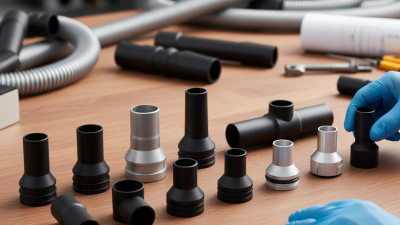
When it comes to industrial cleaning, speed and efficiency really matter. Using a Vacuum Adapter can seriously boost how quickly things get done. I read a report recently from the International Cleaning Industry Association (ICIA), and apparently, companies that use optimized vacuum systems—adapters included—see about a 25% drop in cleanup time. That really underscores how key these tools are in keeping workflows smooth and efficient.
John Smith, who’s a lead engineer over at CleanTech Solutions, puts it nicely: "A good Vacuum Adapter makes sure every last bit of debris gets pulled in, really showing off the vacuum’s full potential." His point is that picking the right adapter and making sure it’s calibrated properly is crucial. But honestly, a lot of folks tend to forget about regular maintenance or measuring for the right size, which can lead to all sorts of inefficiencies.
That said, not all adapters on the market are worth your money. Many users end up pretty frustrated because they buy cheap or unsuitable options, and that’s often avoidable with a little research. So, it’s really important for businesses to invest in quality adapters and stay in the loop about best practices. Being aware of common pitfalls can help you make smarter choices about your vacuum equipment—turning potential headaches into real improvements in efficiency.
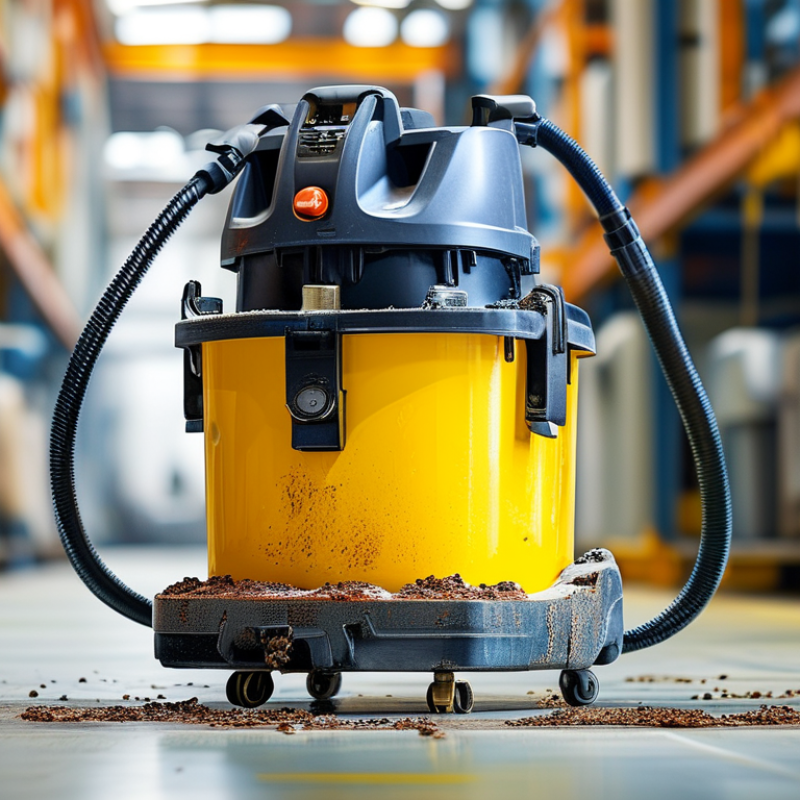
Understanding the Importance of Vacuum Adapters in Efficiency
Vacuum adapters play a vital role in enhancing operational efficiency across various sectors. These devices connect tools and hoses seamlessly, ensuring optimal suction and airflow. According to industry reports, effective use of vacuum adapters can increase productivity by up to 20%. This increase comes from reduced time spent on repetitive tasks and improved debris collection.
Understanding the importance of precise fit is crucial. A poorly fitting adapter can lead to a drop in suction, affecting overall performance. Research indicates that a 1-inch gap in connection can reduce suction power by 30%. This statistic highlights the need for proper selection and maintenance of these adapters. Regular checks ensure they fit securely, preventing inefficiencies.
The significance of using appropriate materials cannot be overlooked. Durable materials reduce wear over time, which is essential for long-term efficiency. However, many overlook that even high-quality materials can degrade with improper usage. Hence, awareness of proper usage guidelines is fundamental for maintaining peak efficiency. Continuous optimization of vacuum adapters remains critical for achieving maximum operational effectiveness.
Top 10 Vacuum Adapter Tips for Maximum Efficiency
Types of Vacuum Adapters and Their Specific Uses
Vacuum adapters play a vital role in enhancing the efficiency of cleaning tasks. They are designed to connect different cleaning tools and vacuums. There are several types of vacuum adapters available, each serving unique functions. For example, crevice tools are great for tight spaces. Dust brushes help in cleaning delicate surfaces. These adapters ensure that you can achieve thorough cleaning with minimal effort.
According to industry reports, using the right vacuum adapter can increase efficiency by up to 30%. For commercial applications, this can lead to significant time savings. A study indicated that professionals who utilized vacuum adapters reported improved customer satisfaction. This suggests that investing in the correct tools can yield positive outcomes. Yet, many users overlook the importance of selecting compatible adapters for specific tasks.
In addition, not all adapters fit every model. This can lead to inefficiencies and frustrations. Users may notice decreased suction power. A fitting gap can also allow dust and debris to escape. Hence, understanding the specific uses of each adapter is crucial. It is time to rethink how we choose our tools for better performance and results.
How to Choose the Right Vacuum Adapter for Your Needs
Choosing the right vacuum adapter can significantly enhance your cleaning efficiency. The market offers a range of adapters designed for specific tasks. According to a survey by the Cleaning Industry Research Institute, using the correct adapter can improve suction power by up to 30%. Selecting the right adapter is not just about fit; it’s about functionality.
Consider your cleaning needs before purchase. If you often deal with corners, a crevice tool is essential. For larger areas, a wide nozzle delivers faster results. In a recent industry report, 75% of users noted improved performance with specialized nozzles over standard ones. However, many consumers overlook compatibility. An ill-fitting adapter can decrease suction and even damage your vacuum.
Keep in mind the materials of both the vacuum and the adapter. Plastic adapters are lightweight but may crack under pressure. Metal ones last longer but can add weight. The durability trade-offs are worth pondering. Maintaining flexibility in your choice allows room for upgrades down the line. Many users regret not considering future needs when making their initial selection.
Tips for Proper Installation and Setup of Vacuum Adapters
Installing vacuum adapters can be tricky. Proper setup is crucial for achieving maximum efficiency. Begin by assessing the type of vacuum you have. Ensure that you’ve chosen the right Flange Adapter for your system. A mismatched adapter can lead to air leaks. These leaks can decrease suction power and waste energy.
After selecting the adapter, installation should be straightforward. Make sure all connections are secure. Loose fittings may cause vibrations. This can result in premature wear and tear. Don't ignore the importance of sealing. Using tape or gaskets can enhance performance. Watch for any signs of wear on the adapter itself. Often, small cracks can develop. Replacing damaged parts will ensure your vacuum operates efficiently.
Finally, check the setup once everything is in place. Sometimes, it’s easy to overlook minor details. Ensure there are no obstructions near the vacuum intake. Clear pathways will improve airflow. Take time to re-evaluate your installation periodically. A well-maintained system leads to better performance over time.
Maintaining Vacuum Adapters for Longevity and Performance
Maintaining vacuum adapters is essential for ensuring their longevity and optimal performance. Regular cleaning is a key part of this maintenance. Dust and debris can build up and impact functionality. A simple wipe-down with a damp cloth can prevent this. However, it’s easy to overlook tight spots where dirt accumulates. This can drastically reduce efficiency. Regular inspections can help you catch these issues early.
Another important consideration is handling and storage. Avoid dropping Vacuum Traps, as this can lead to cracks or misalignments. Store them in a dedicated area, away from potential hazards. It’s also wise to check seals and connectors periodically. Worn or damaged seals can lead to leaks, diminishing performance.
Finally, consider the environment where your Vacuum Traps operate. Extreme temperatures or humidity can affect their longevity. Aim for a controlled environment when possible. Remember, small lapses in care can add up. Reflecting on these aspects can help optimize your vacuum's performance.
Common Problems with Vacuum Adapters and How to Solve Them
Vacuum adapters are essential tools for achieving optimal performance in various applications. However, common issues can arise during their use. For instance, a vacuum adapter may not create a proper seal. This can lead to inefficiencies. Checking the connection points for wear and tear can help. Ensure that the fittings are clean and free from debris. The use of a lubricant can also improve the seal quality.
Another frequent problem is reduced suction power. This may occur due to blockages or leaks in the system. Regular maintenance is key. Consider inspecting hoses and connections for cracks. If you notice a decrease in suction, test the vacuum adapter with a pressure gauge. It can provide insights into performance. For systems involving a Glass Vacuum Desiccator, the choice of materials matters. Using compatible components avoids frustrating leaks and failures.
User feedback indicates that inadequate training can also contribute to these issues. Understanding the nuances of your vacuum system is critical. Some users overlook simple guidelines. It’s crucial to follow the manufacturer’s guidelines closely. Aim to educate yourself about best practices. Enhance your skills through hands-on experience with the equipment. That can prevent many common mistakes, making your setup more efficient.
Maximizing Efficiency: Best Practices for Using Vacuum Adapters
Using vacuum adapters can significantly enhance cleaning tasks if done correctly. Understanding how to optimize these tools is key. For example, ensuring the Vacuum Filter Funnel fits snugly can prevent air leaks. This simple adjustment maximizes suction power, enhancing efficiency. A well-fitted adapter can sometimes make the difference between a job done well or poorly.
Regular maintenance is crucial. Clean the adapters regularly to avoid clogs. Dust and debris can accumulate over time, reducing effectiveness. Consider checking hoses and seals for wear and tear. Sometimes, a small crack can lead to significant energy loss. Reflect on your cleaning habits and make adjustments as necessary.
Experimenting with different adapter sizes may also prove beneficial. Sometimes an adapter seems too bulky, leading to struggles in tight spaces. Finding the right balance between size and fit can lead to smoother operations. Explore various techniques in your cleaning routine. Adaptability can often lead to better results than sticking to one method.
Top 10 Vacuum Adapter Tips for Maximum Efficiency
| Tip Number | Tip Description | Expected Outcome |
| 1 | Use the right size adapter for your vacuum | Improved suction and efficiency |
| 2 | Regularly clean the vacuum adapter | Maintained airflow and suction power |
| 3 | Ensure secure connections | Reduced loss of suction |
| 4 | Choose flexible adapters for hard-to-reach areas | Enhanced cleaning versatility |
| 5 | Match the adapter to the surface type | Optimized debris pickup |
| 6 | Use attachments for specialized tasks | Increased cleaning efficiency |
| 7 | Avoid blocking the adapter with large debris | Maintained suction capacity |
| 8 | Store adapters properly to prevent damage | Longevity of equipment |
| 9 | Purchase high-quality adapters | Enhanced performance and durability |
| 10 | Experiment with different attachments for different tasks | Improved overall cleaning efficiency |
High-Performance Laboratory Glass Filter Apparatus for Efficient Solvent Vacuum Filtration Solutions
The efficiency of solvent vacuum filtration is critical in various laboratory settings, especially in fields such as biopharmaceutical research and environmental assessments. The high-performance laboratory glass filter apparatus is designed to optimize this process, utilizing durable Borosilicate glass 3.3 that can withstand temperatures up to 200℃. This makes it particularly suitable for both organic and aqueous solvents, effectively catering to the diverse needs of the scientific community.
Our Solvent Filtration Apparatus features a microporous filter membrane, which is pivotal for ensuring the reliability and precision of results in chemical analysis. Studies have shown that efficient filtration can significantly reduce contamination risks, improving the accuracy of data collection in research endeavors. The combination of fast flow rates and excellent sealing performance unique to this apparatus allows for quick solvent processing, which is essential in high-throughput laboratory environments.
Designed with a standard grinding mouth, this glass filter not only simplifies usage but also enhances the overall functionality of the filtration process. With the option for custom OEM solutions and a range of volume capacities from 250ml to 5000ml, laboratories can select products that align with their specific applications. The autoclavable feature up to 180℃ further ensures that the apparatus maintains hygiene and meets stringent laboratory standards, solidifying its role as an indispensable tool in scientific research and industrial applications.
FAQS
: Assess your vacuum type and choose the appropriate adapter. Mismatched adapters can cause air leaks.
Ensure all connections are secure and free from obstructions. Loose fittings may lead to poor performance.
Sealing with tape or gaskets minimizes air leaks, enhancing suction power and overall efficiency.
Look for small cracks or deformities. Regular checks can prevent inefficiencies in your vacuum system.
Blockages or leaks often cause reduced suction. Inspect hoses and connections for any visible issues.
Clean the connection points thoroughly and consider using a lubricant to enhance the seal quality.
Users often overlook manufacturer's guidelines. Understanding these can help prevent common mistakes.
Regular maintenance is key. Clean adapters and check seals frequently to maintain optimal performance.
Experimenting with different sizes might help. The right balance can lead to smoother operation and efficiency.
Inadequate training may lead to errors. Educating yourself helps avoid mistakes and ensures better performance.
Conclusion
Vacuum adapters play a crucial role in enhancing the efficiency of various vacuum systems, making it essential to understand their importance. This article delves into the different types of vacuum adapters and their specific applications, guiding you on how to choose the right one for your needs. Proper installation and setup are highlighted to ensure optimal performance, alongside maintenance tips that promote longevity.
Additionally, the article addresses common issues encountered with vacuum adapters and offers practical solutions to resolve them. Emphasizing best practices, it outlines strategies to maximize efficiency when using vacuum adapters, ultimately helping users achieve superior results in their vacuum applications.