
0102030405
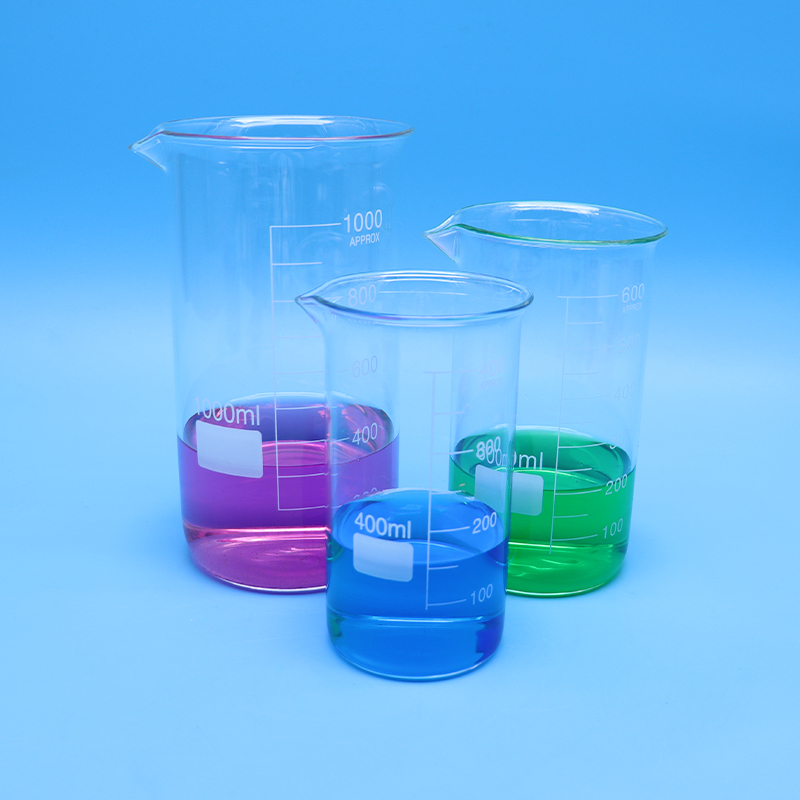
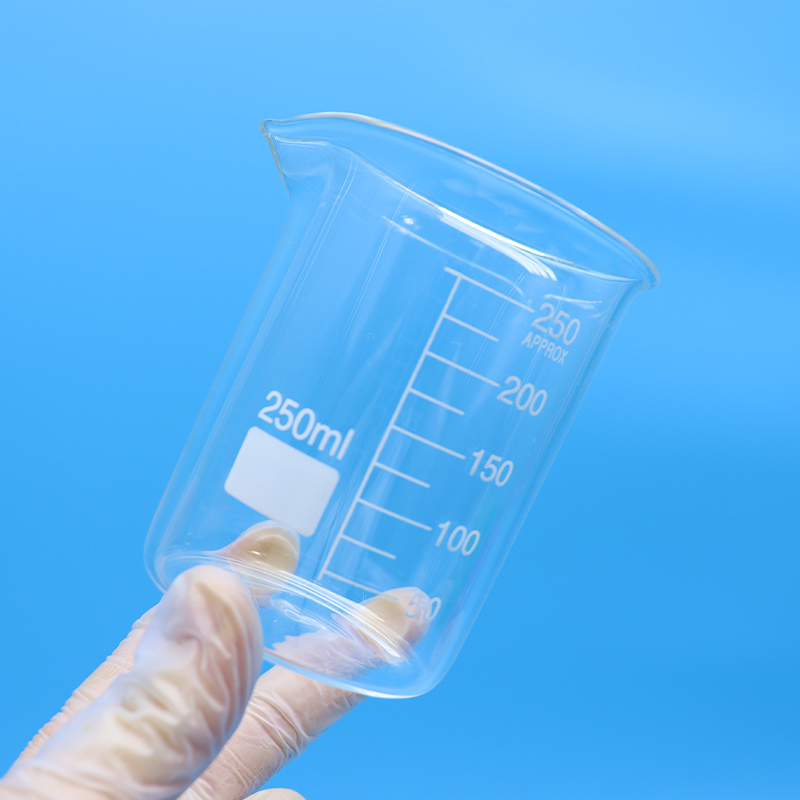
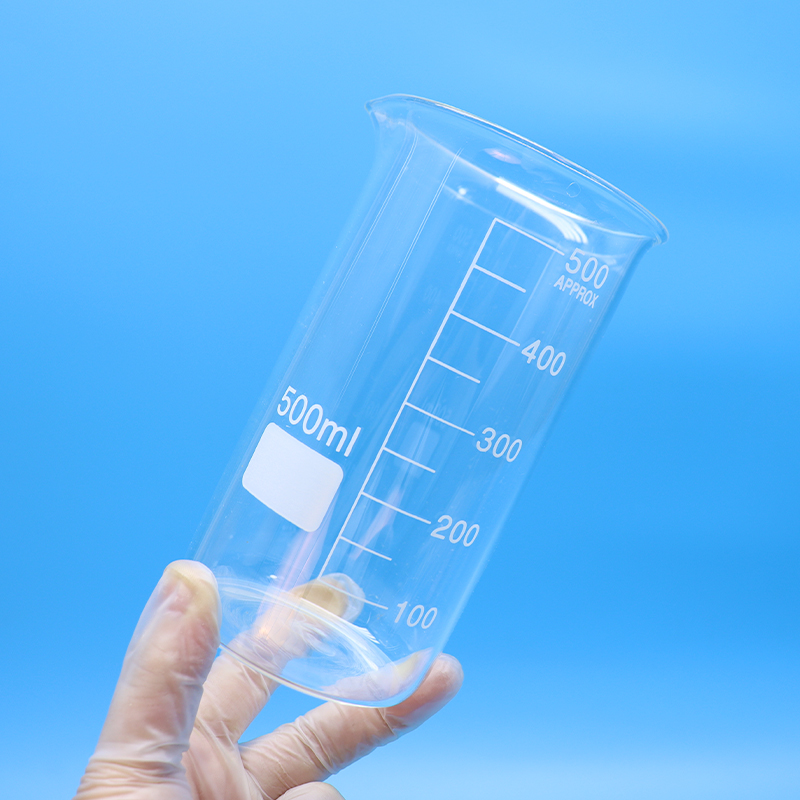
Borosilicate Glass Beaker 3.3 with Graduation and Spout - China Suppliers & Factory for Lab Use
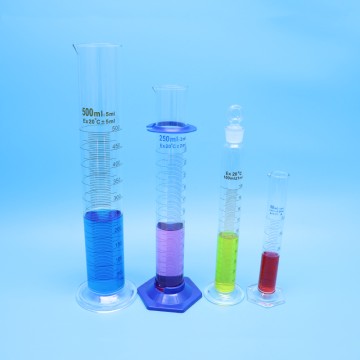
Glass Measuring Cylinder
High borosilicate glass
Stable base
Clear scale
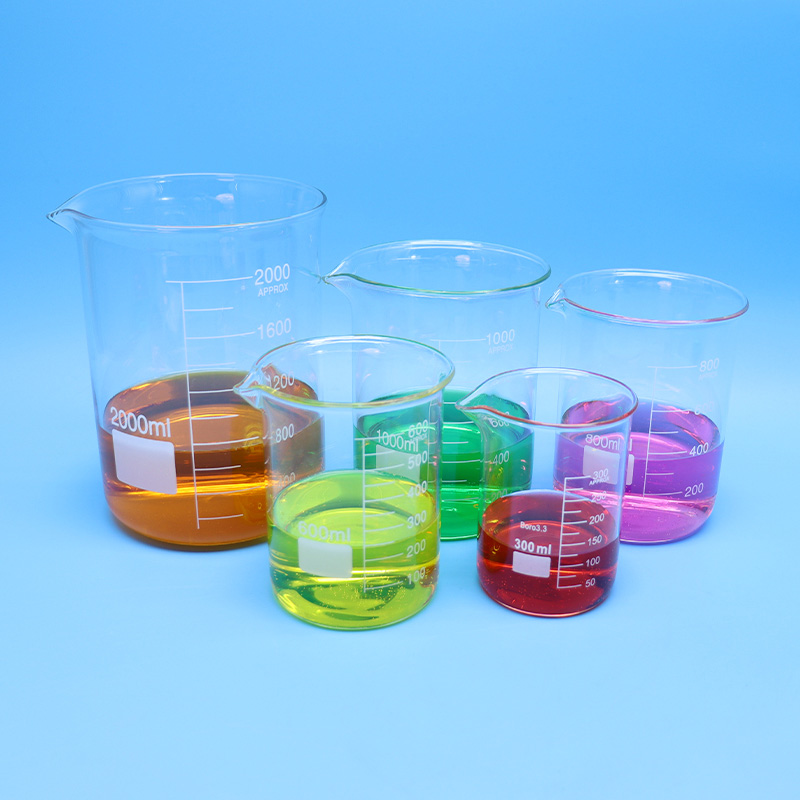
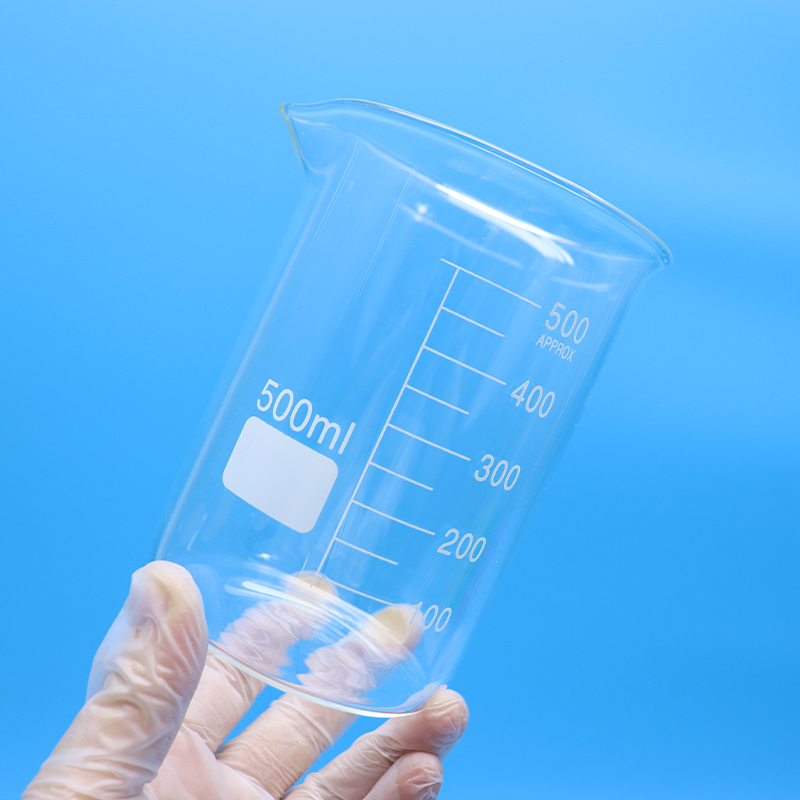
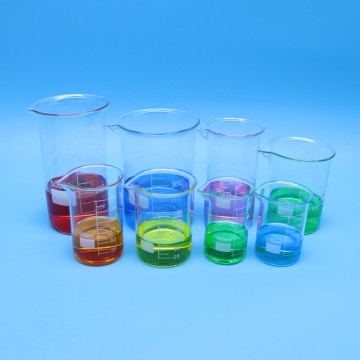
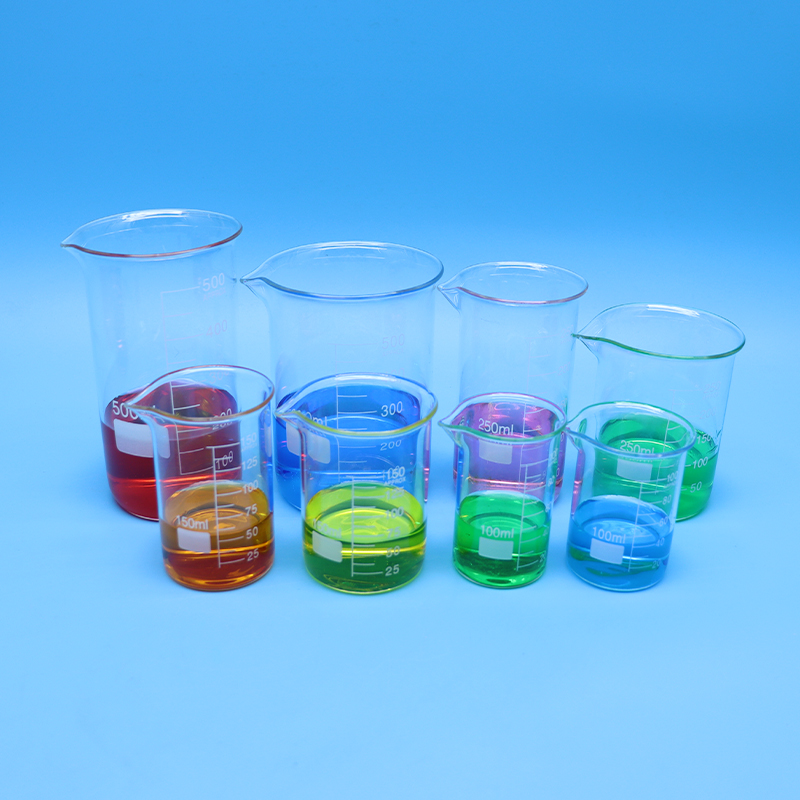
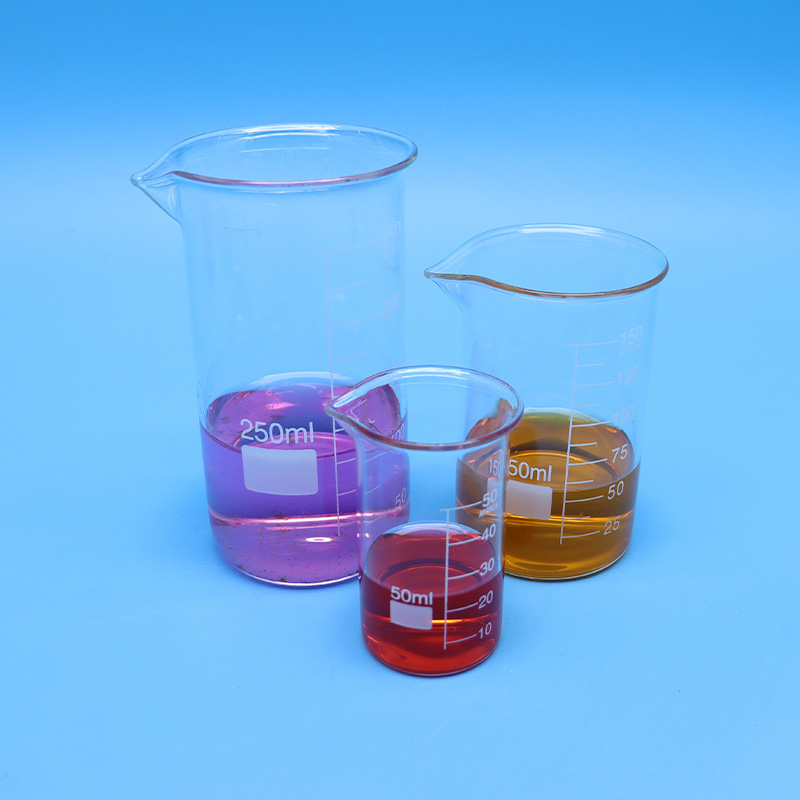
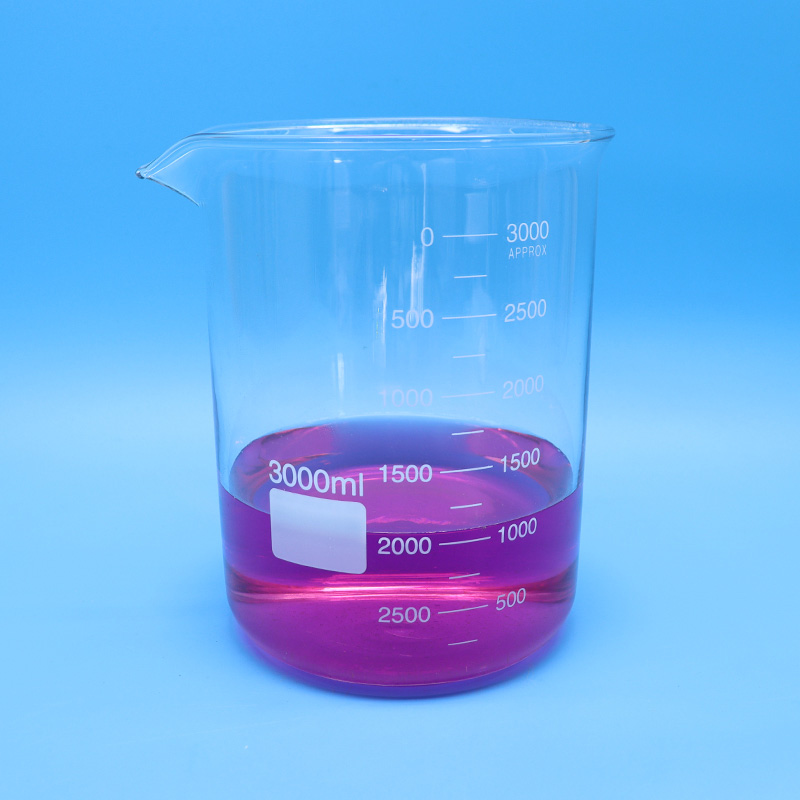
Beaker Low Form
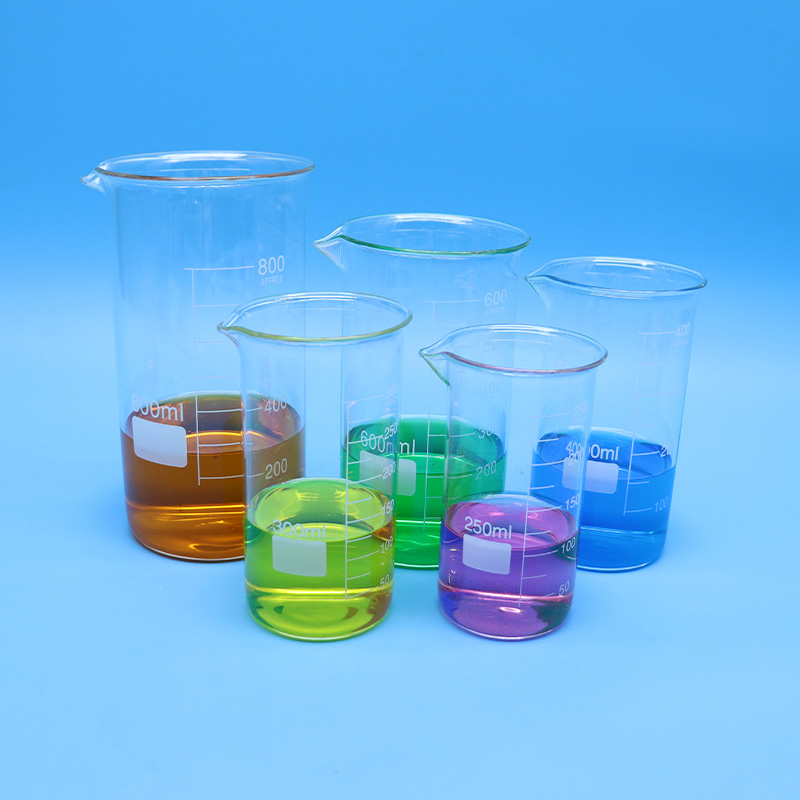
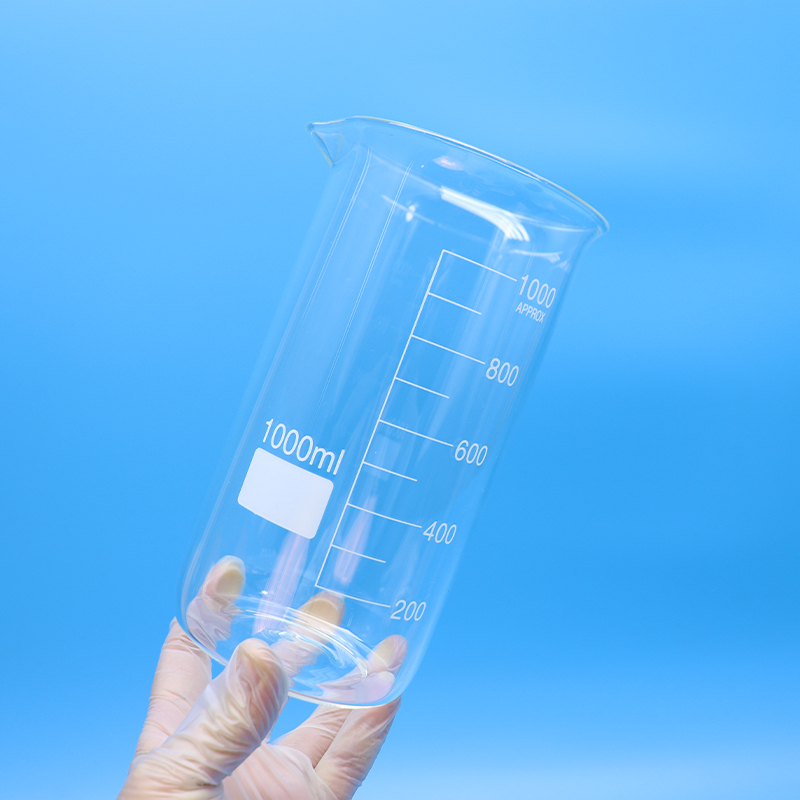
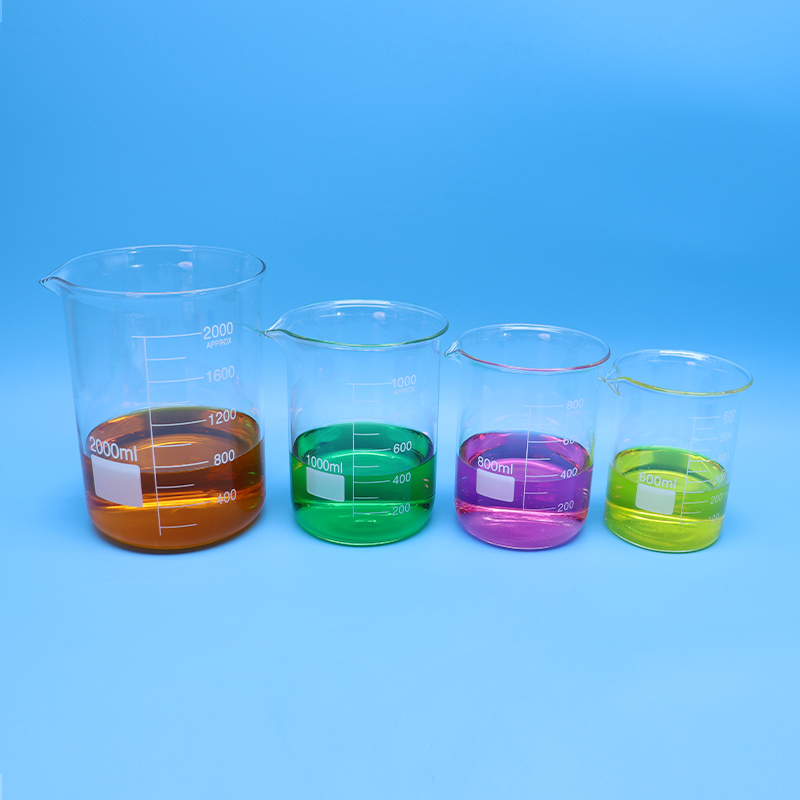
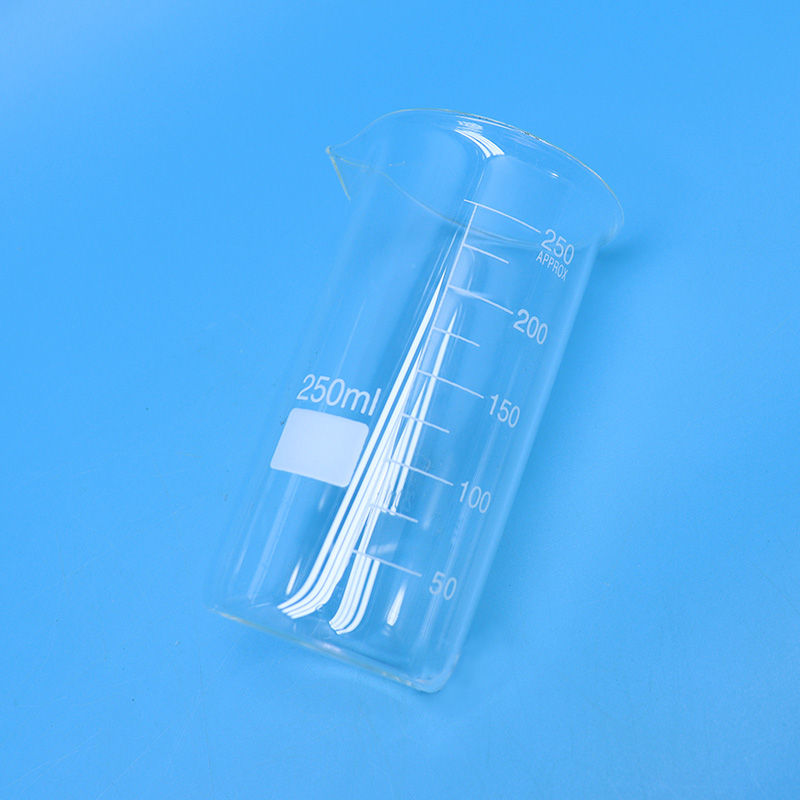
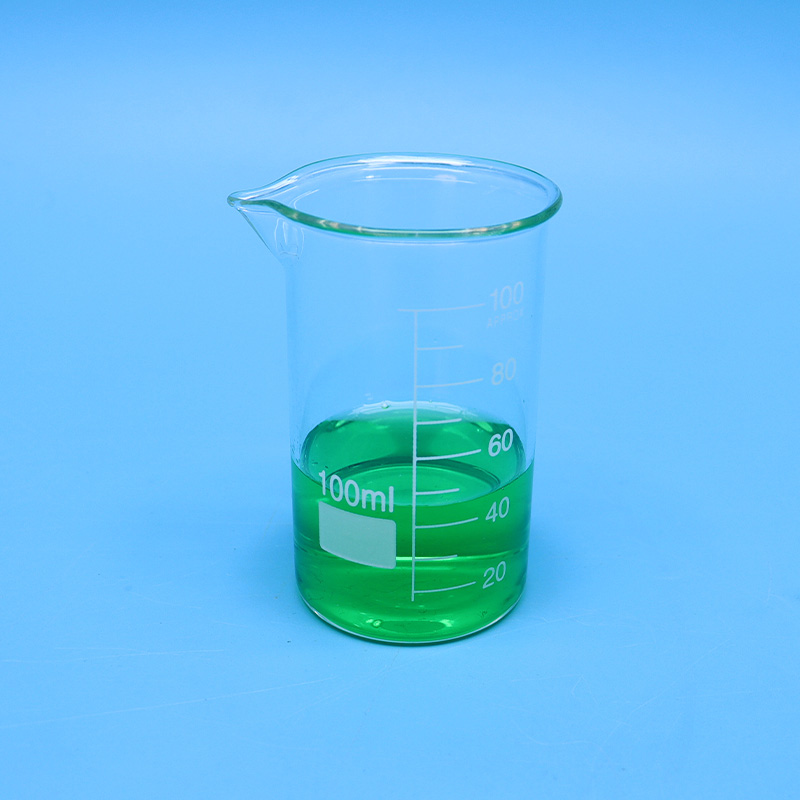
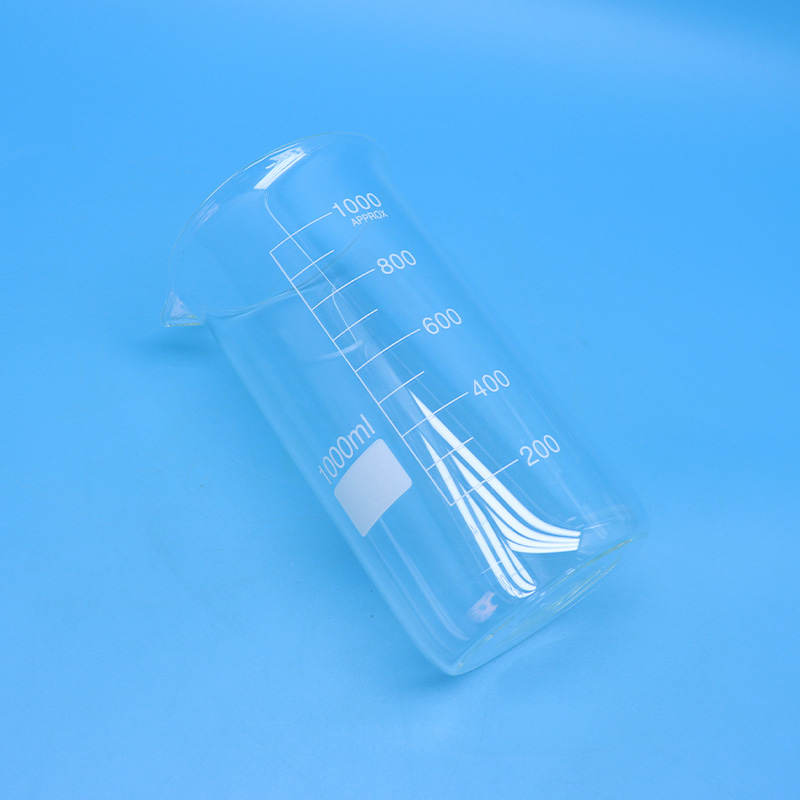
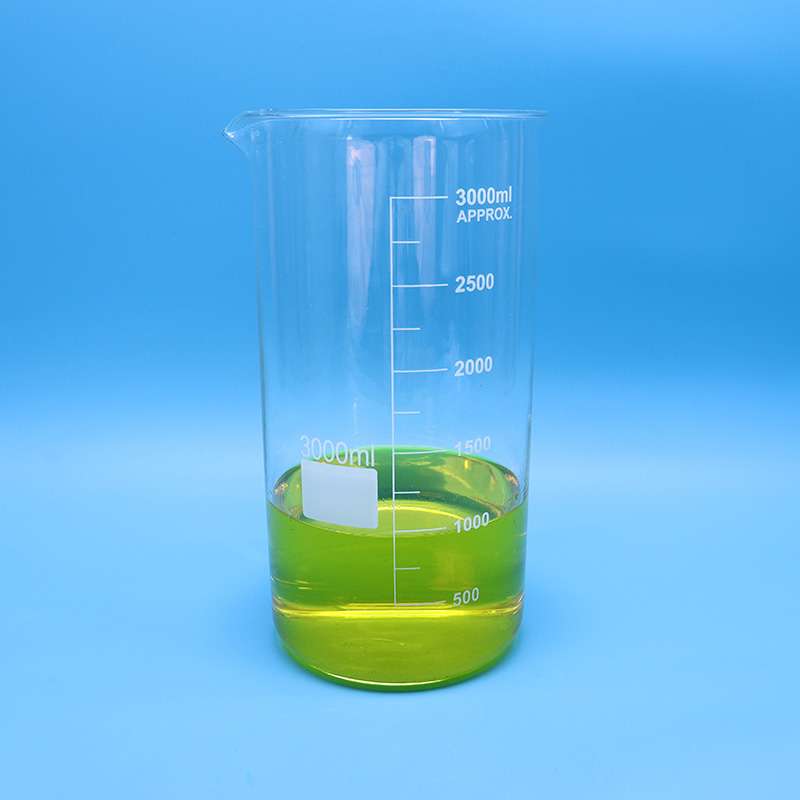
Beaker High Form
Product Name:
Boro 3.3 Glass Beaker
Product Type:
5–2000ml
Product Material:
High borosilicate glass
Product Introduction:
High borosilicate glass has a very low coefficient of thermal expansion, about one-third that of ordinary glass. It can withstand high temperatures of 200 ℃ temperature difference, low expansion rate, high strength, high chemical stability. The laboratory sterilization temperature standard is 121°C/134°C, and the bottle cap can withstand up to 140°C high temperature.
It can serve as a material reactor, determine combustion products, be used to dissolve and crystallize a substance, hold solutions for evaporation, concentration, or heating, and also be used to hold corrosive solid chemicals for weighing.
Product Show
Clear markings, high transparency
Flat bottom, heats evenly, shatter-resistant
Uniform wall thickness, bubble-free
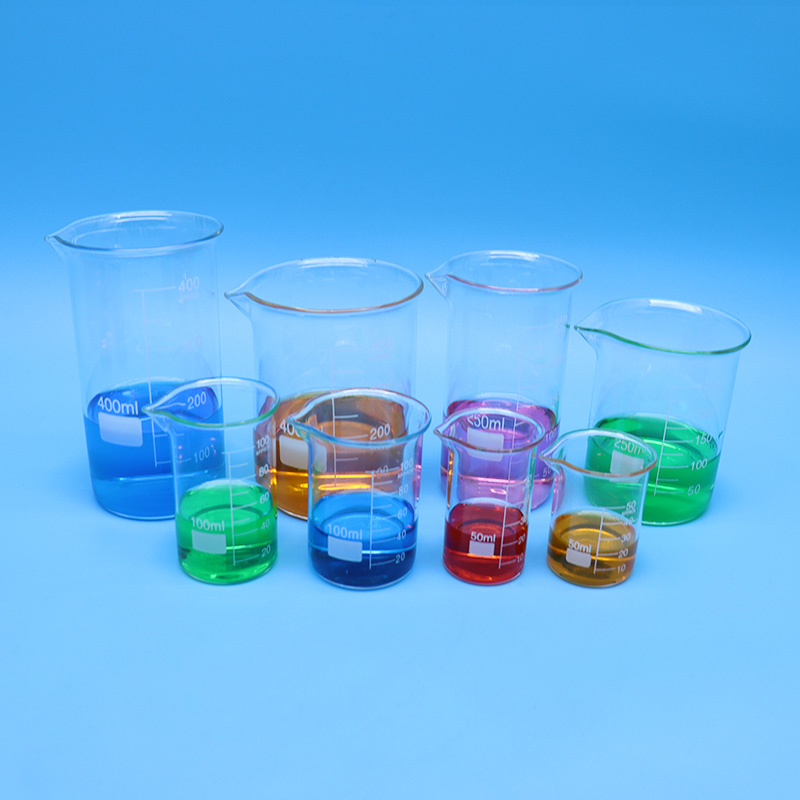
Beaker Low Form Show
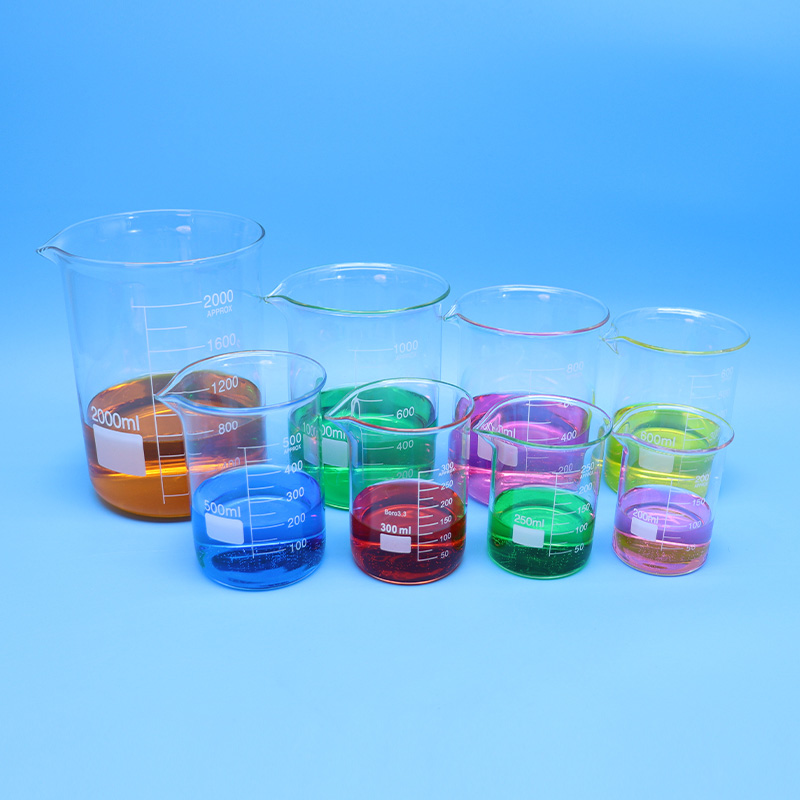
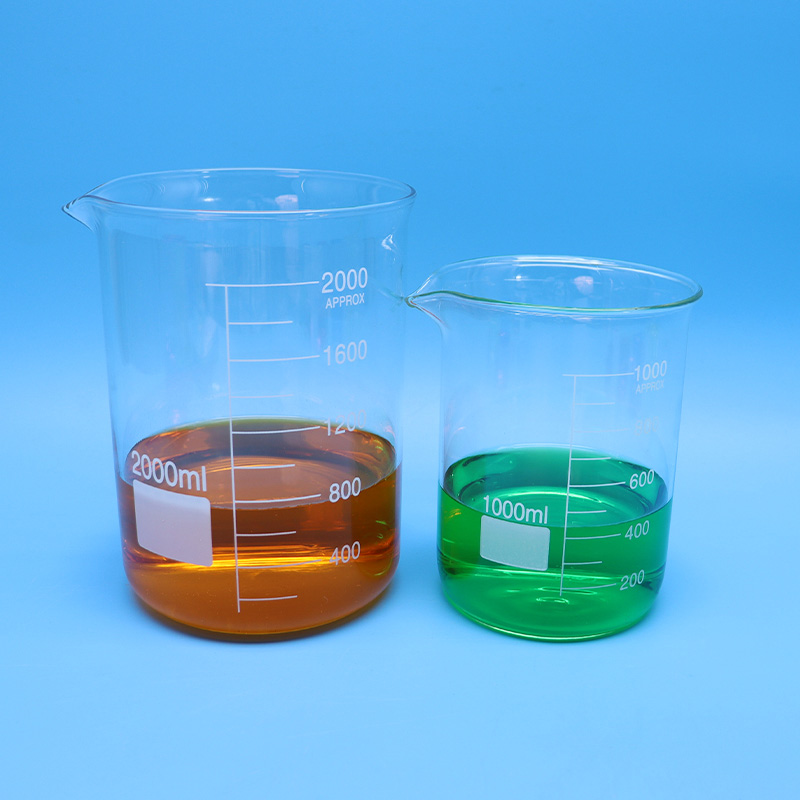
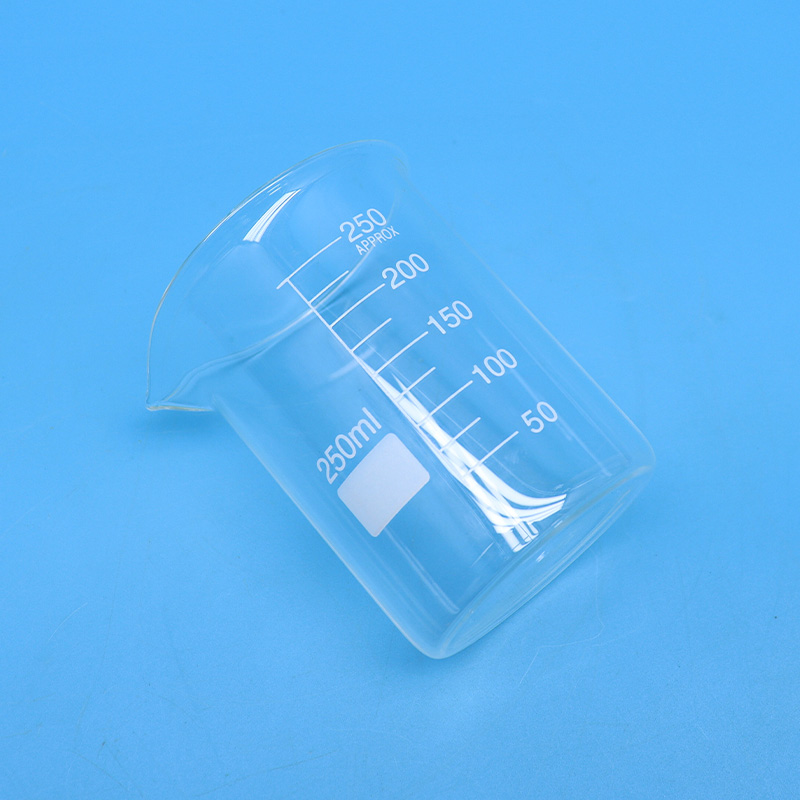
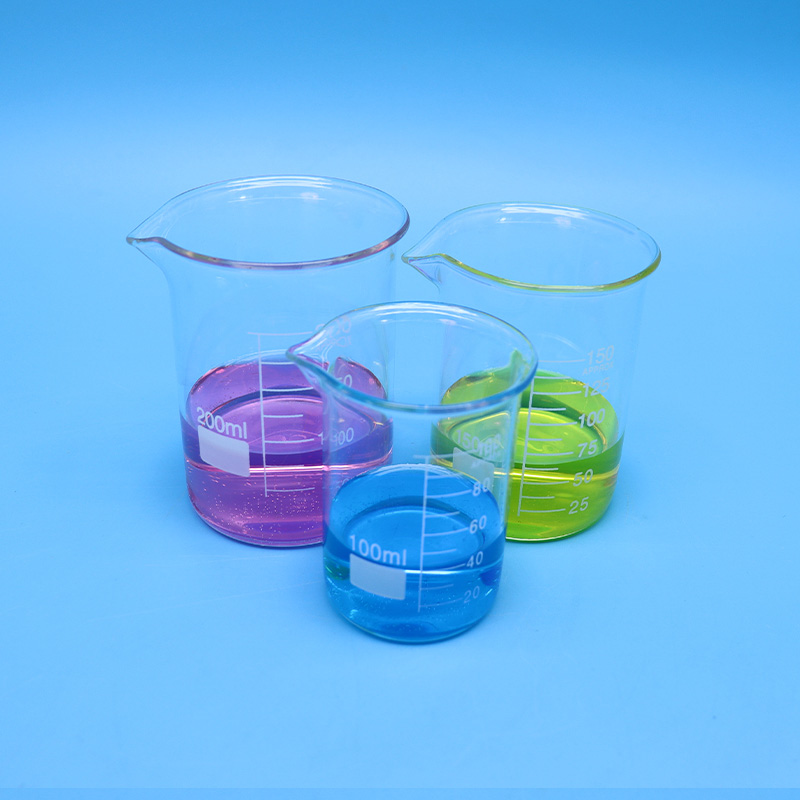
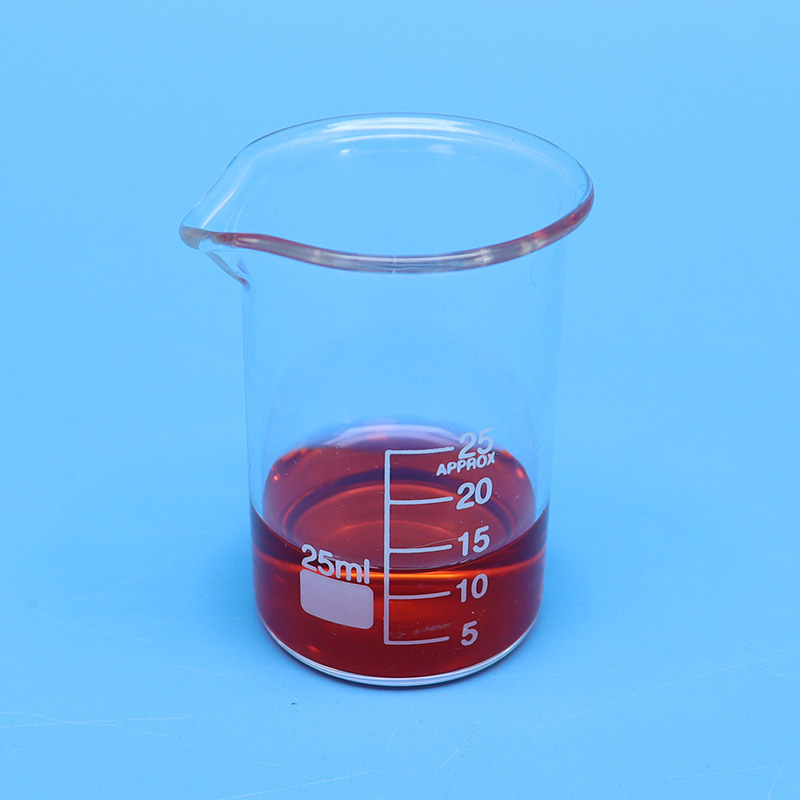
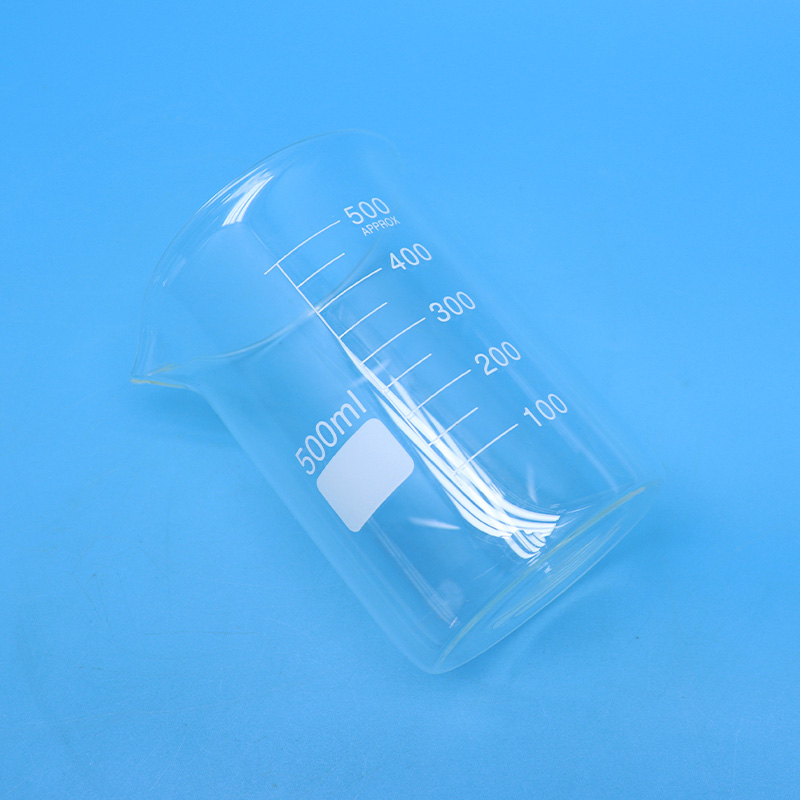
Beaker High Form Show
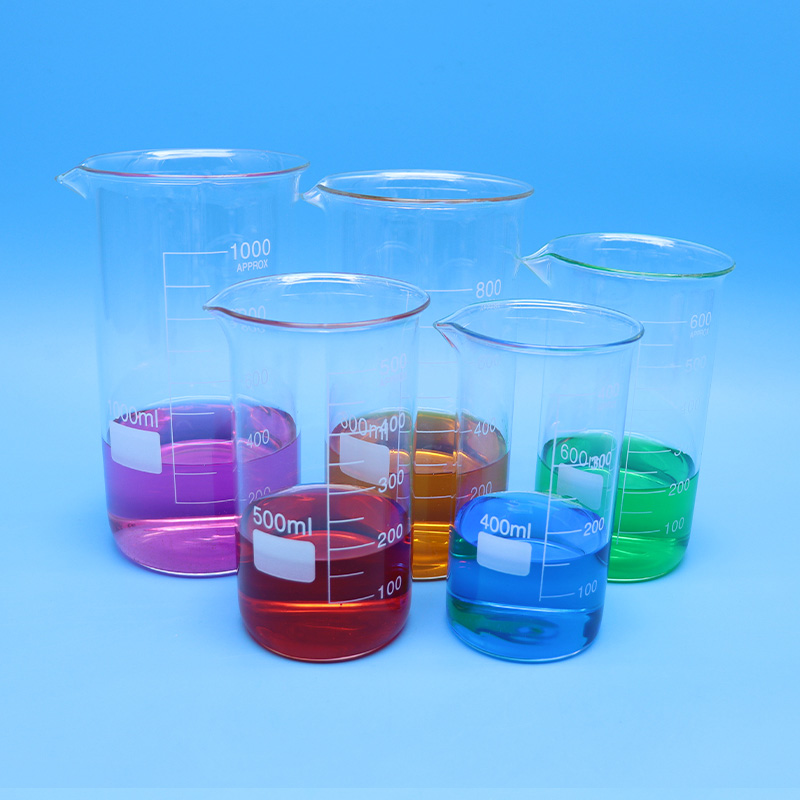
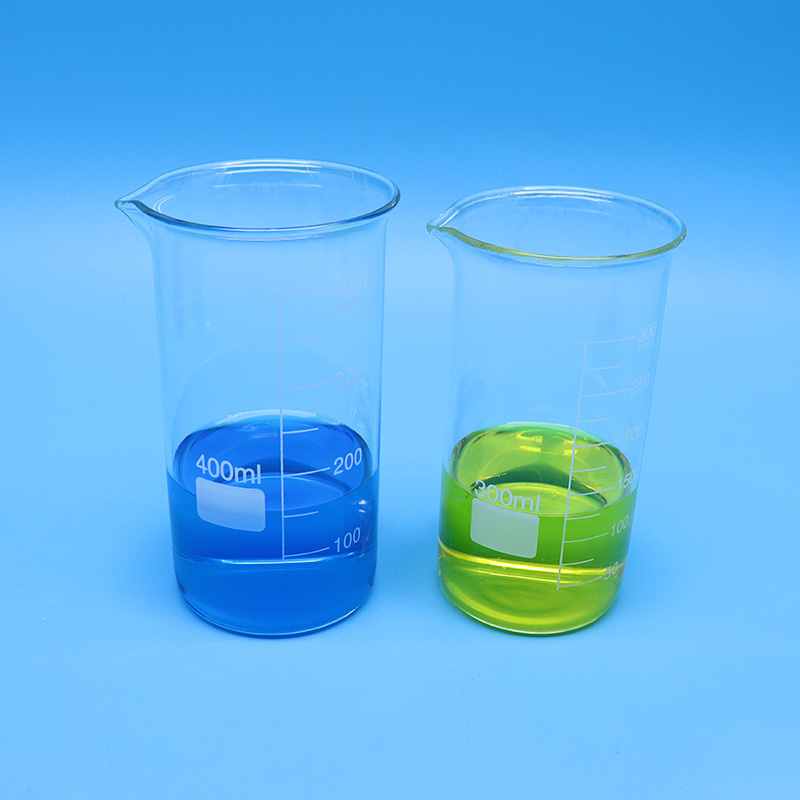
Product Details Show
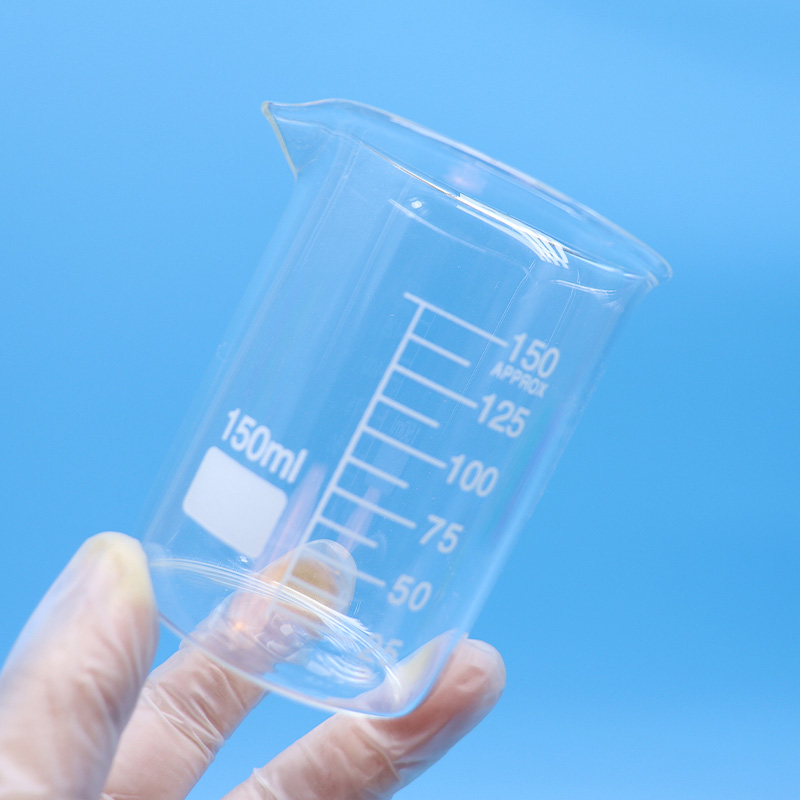
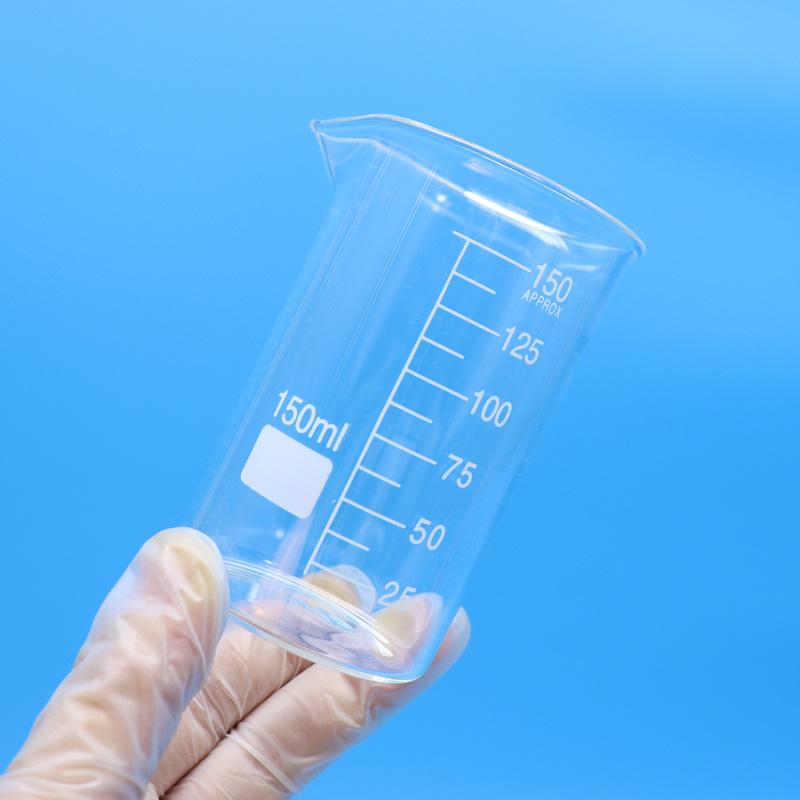
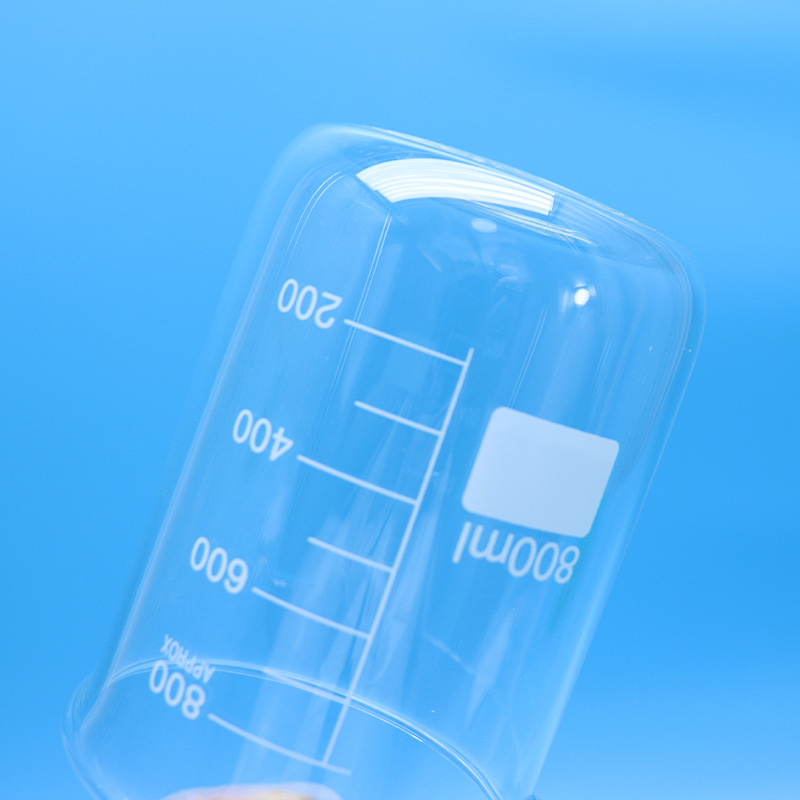
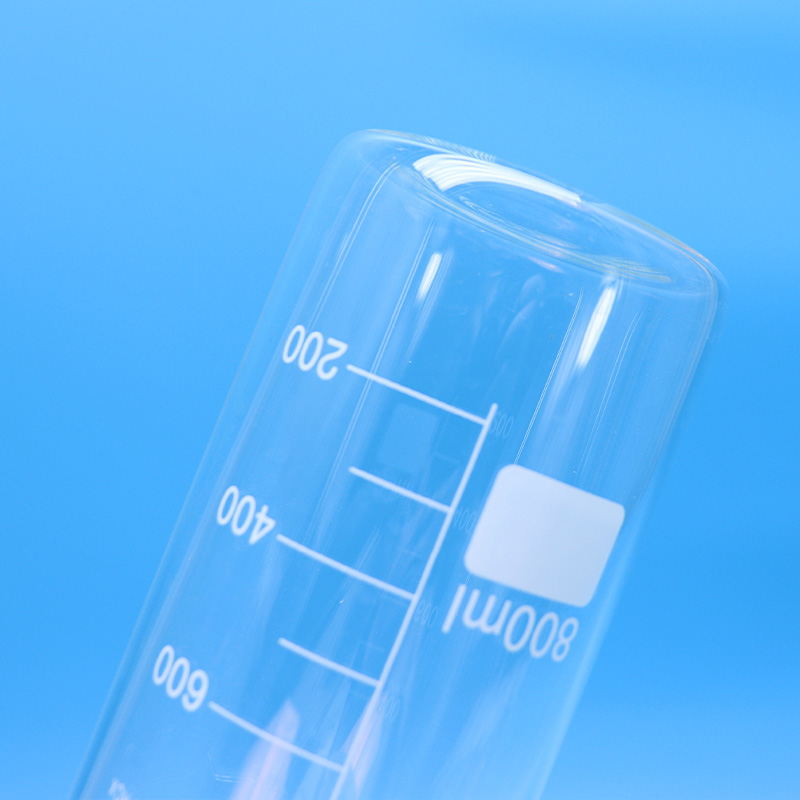
Size Show
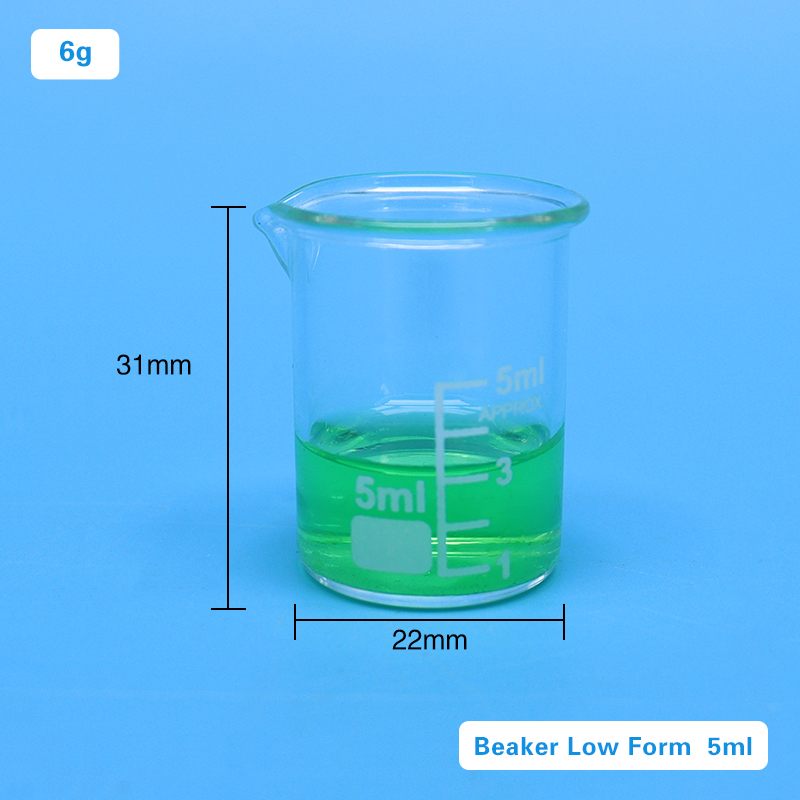
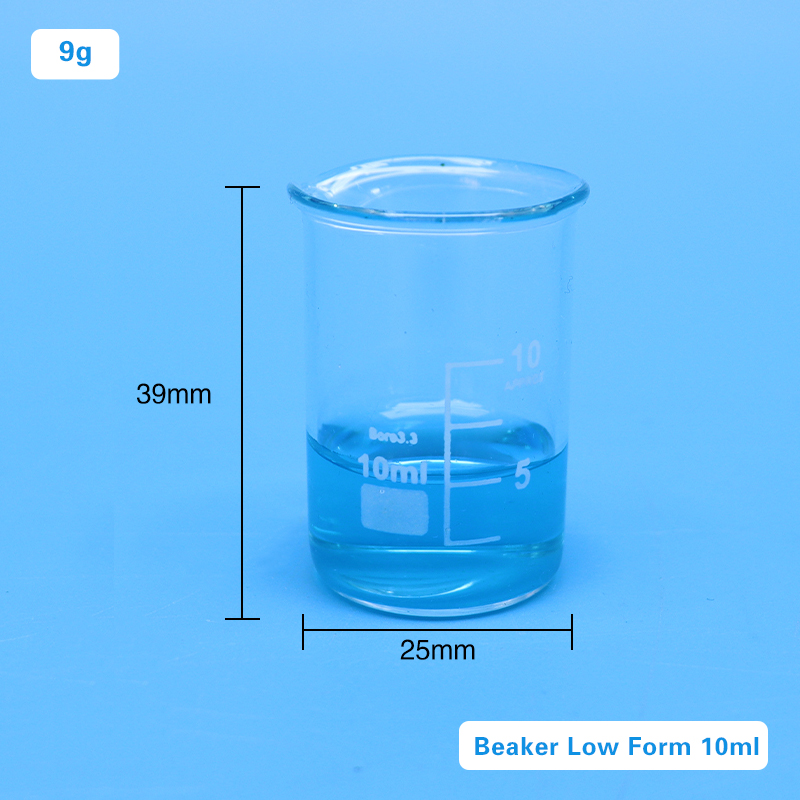
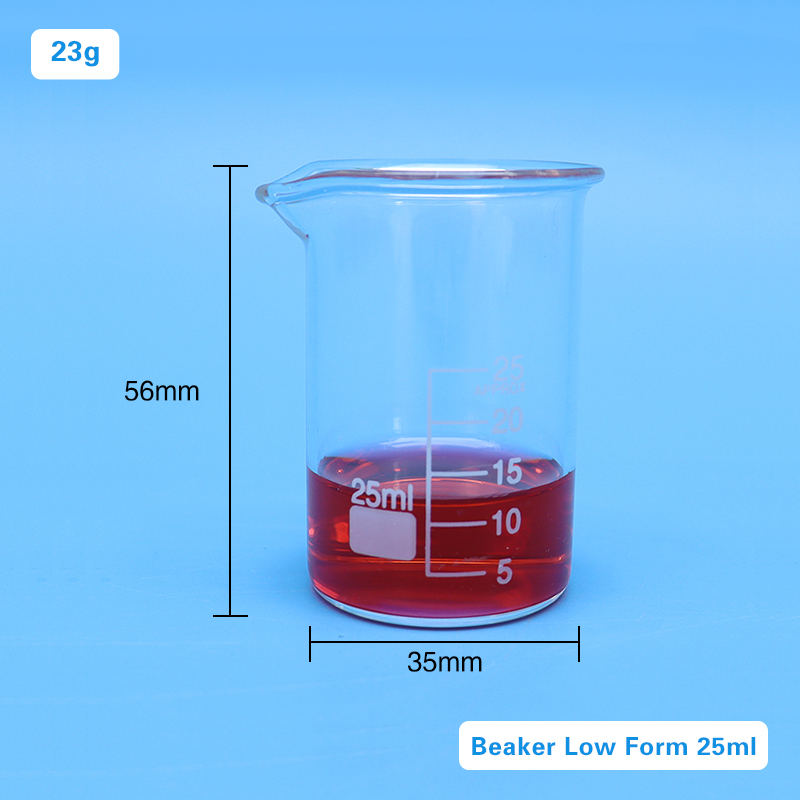
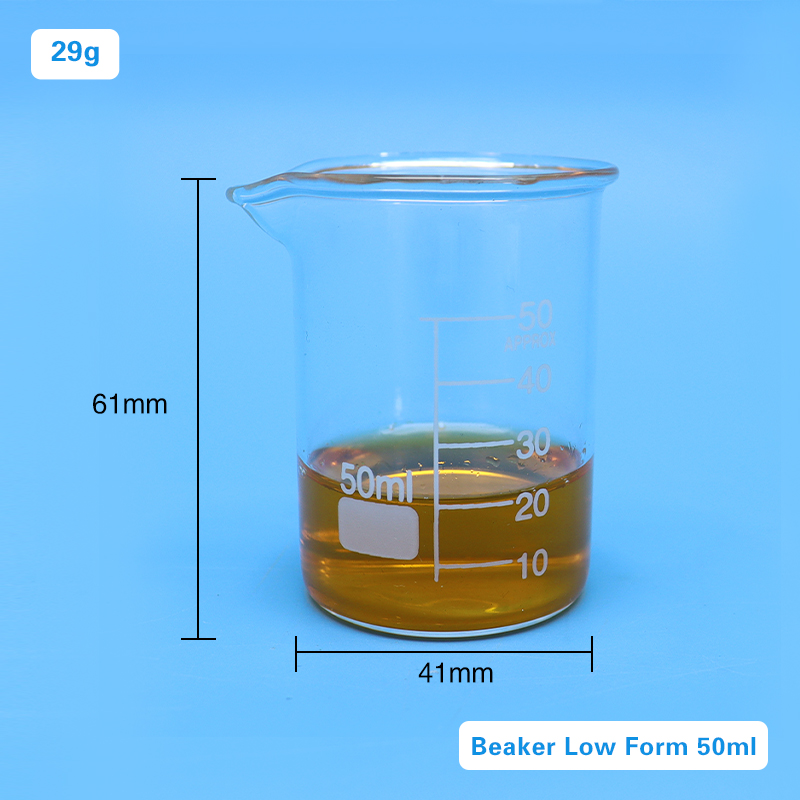
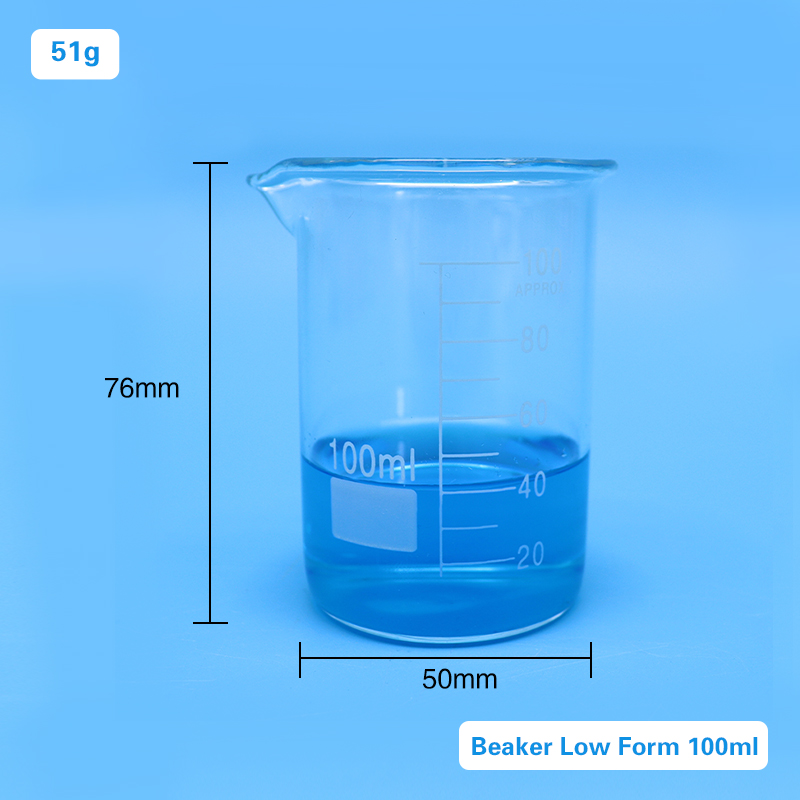
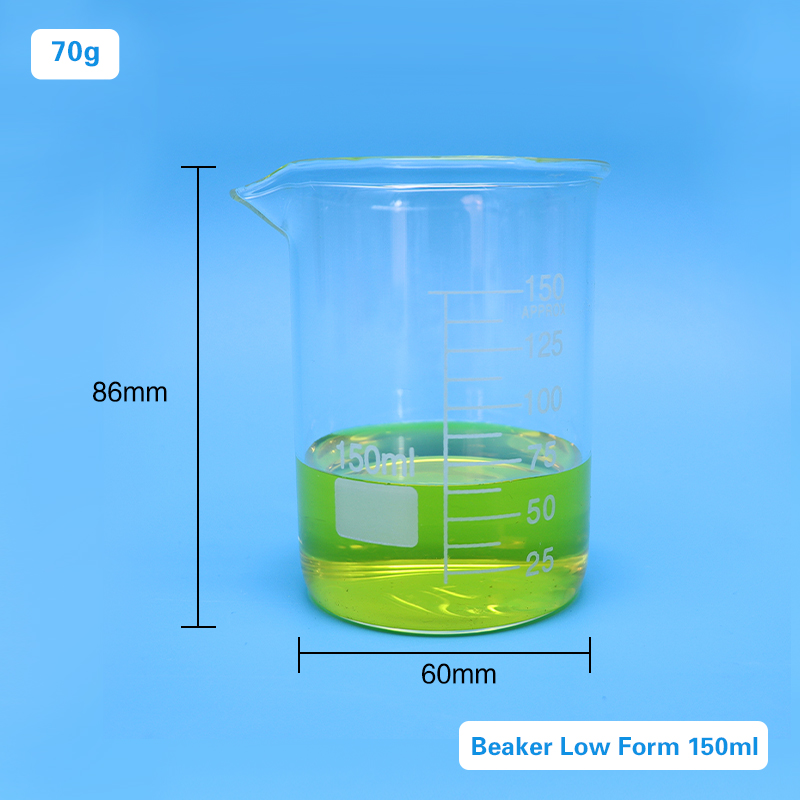
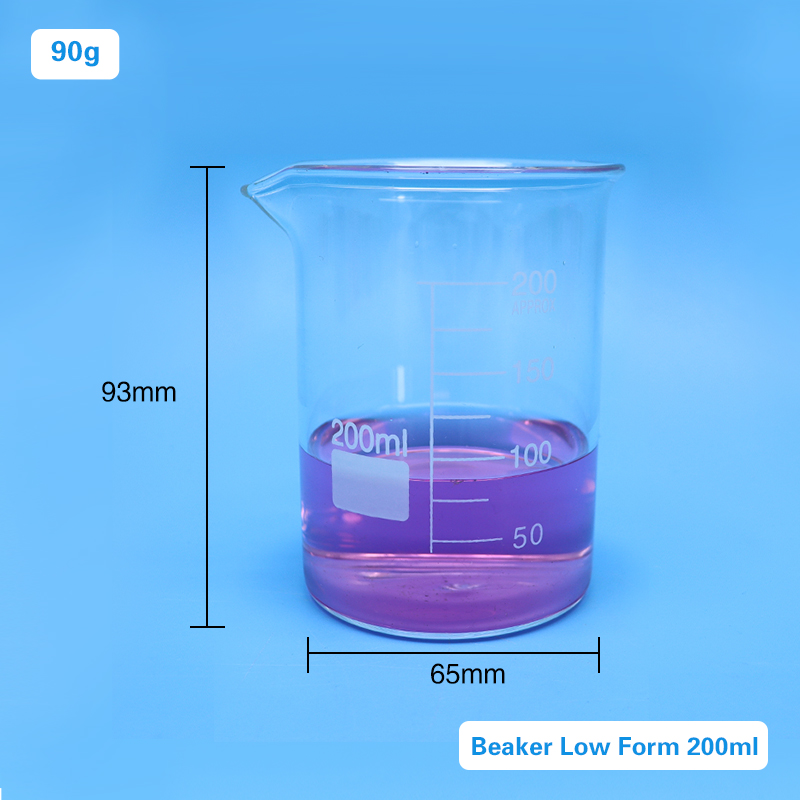
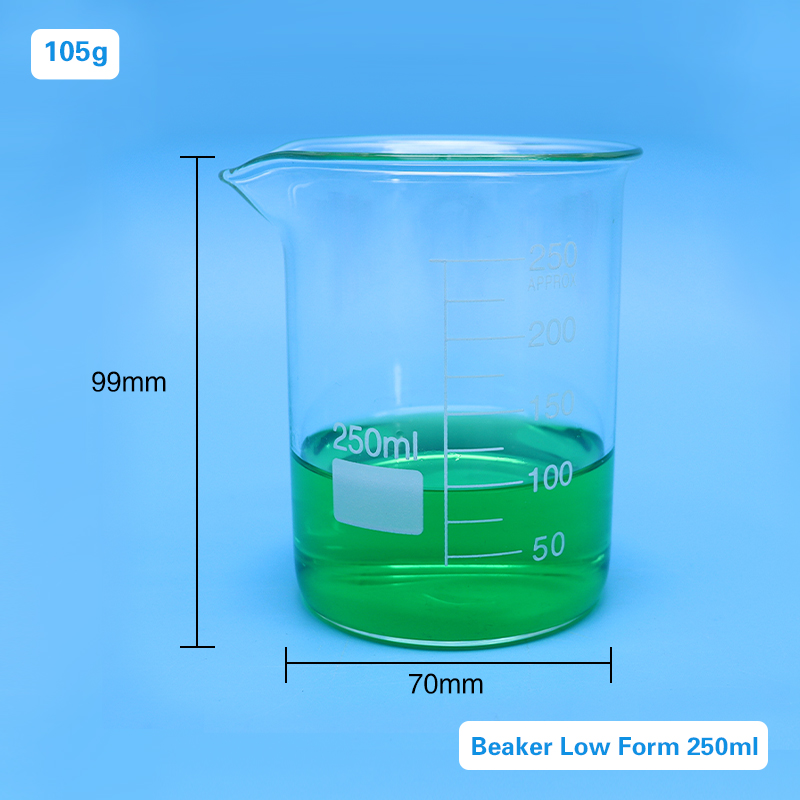
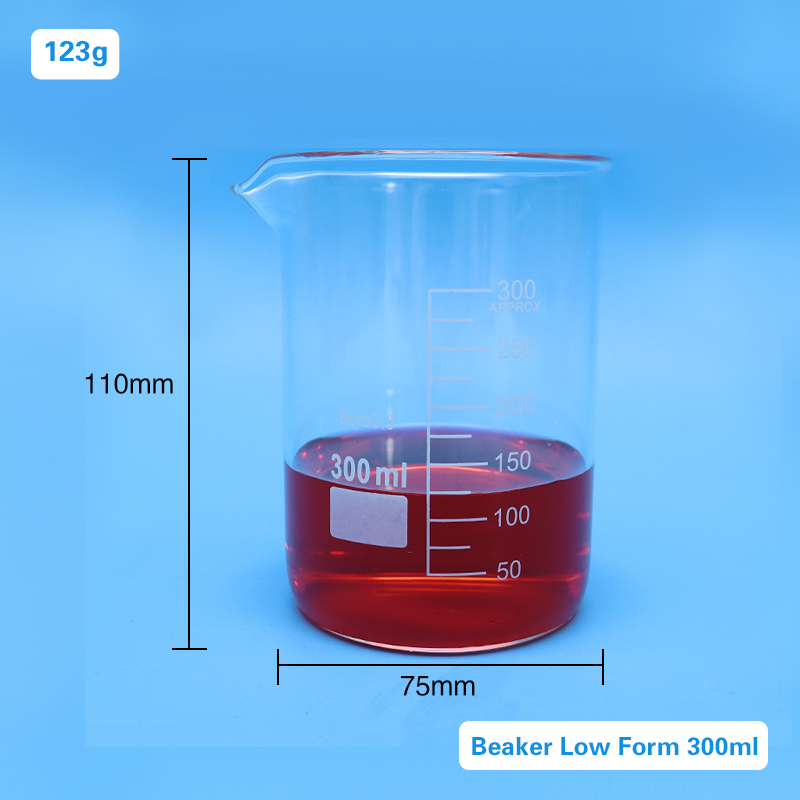
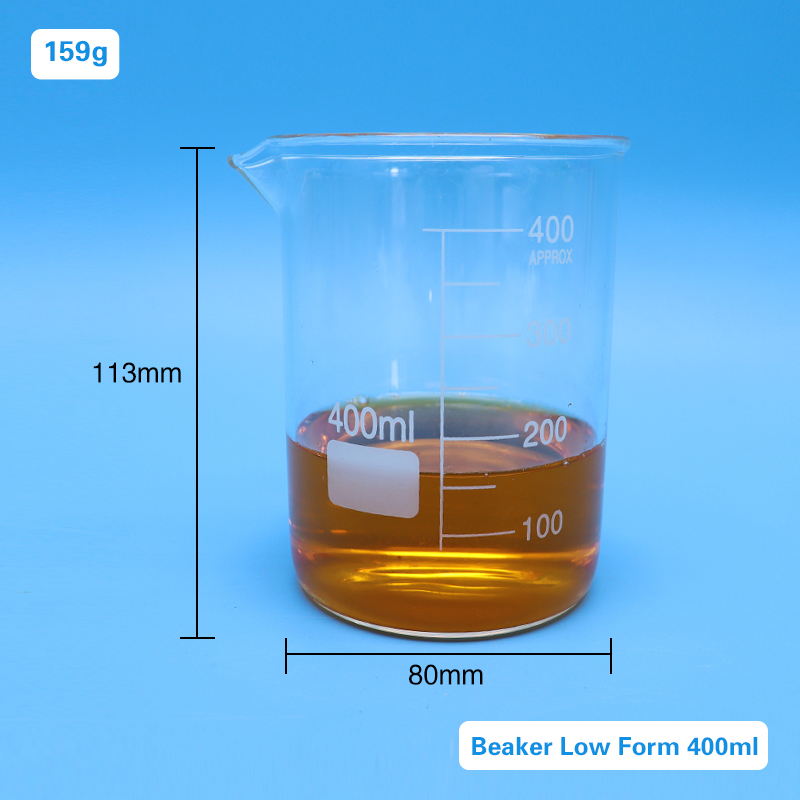
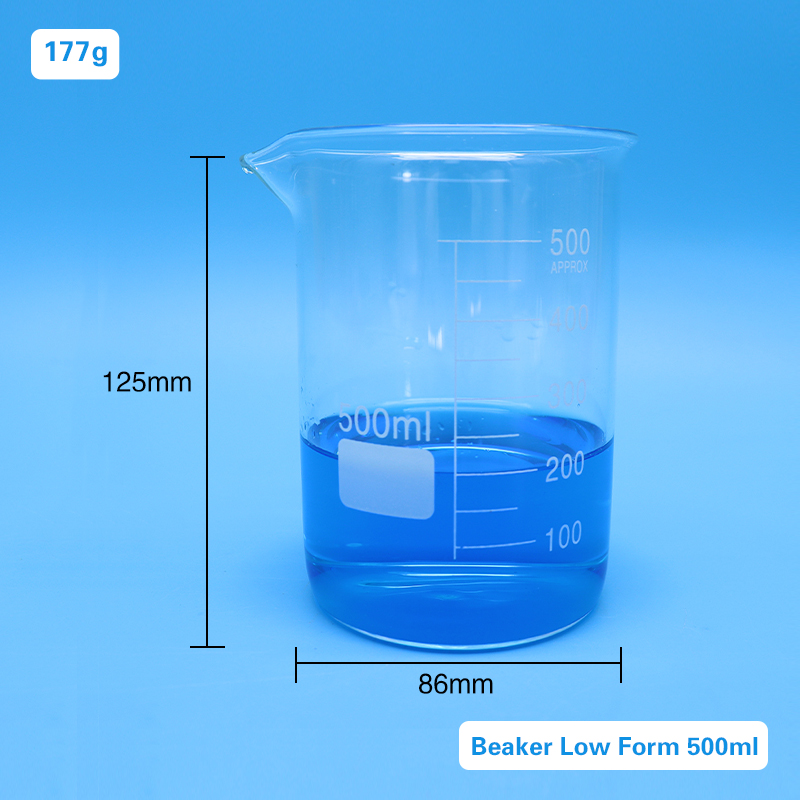
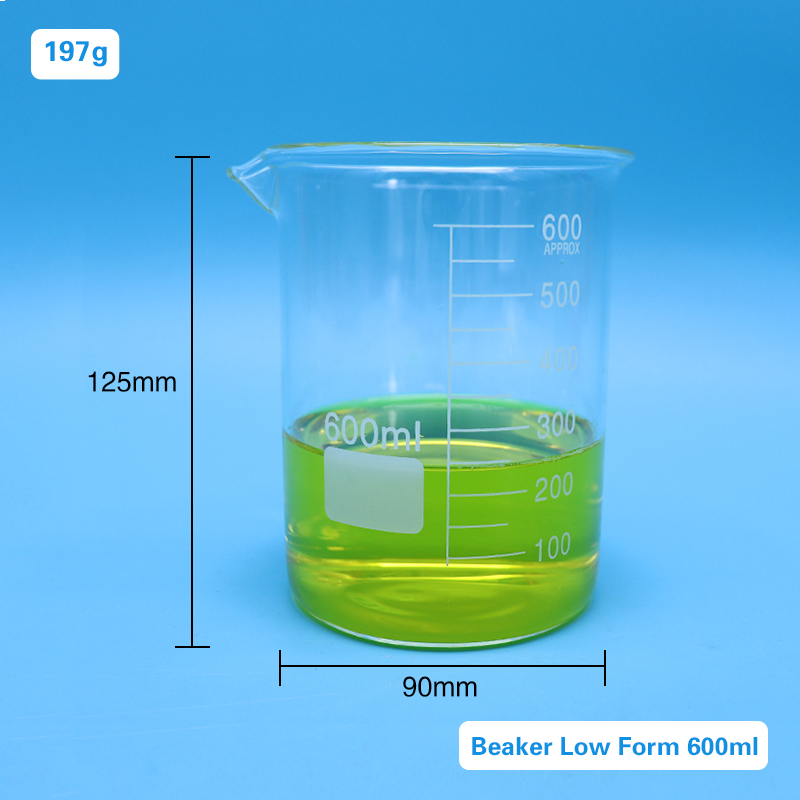
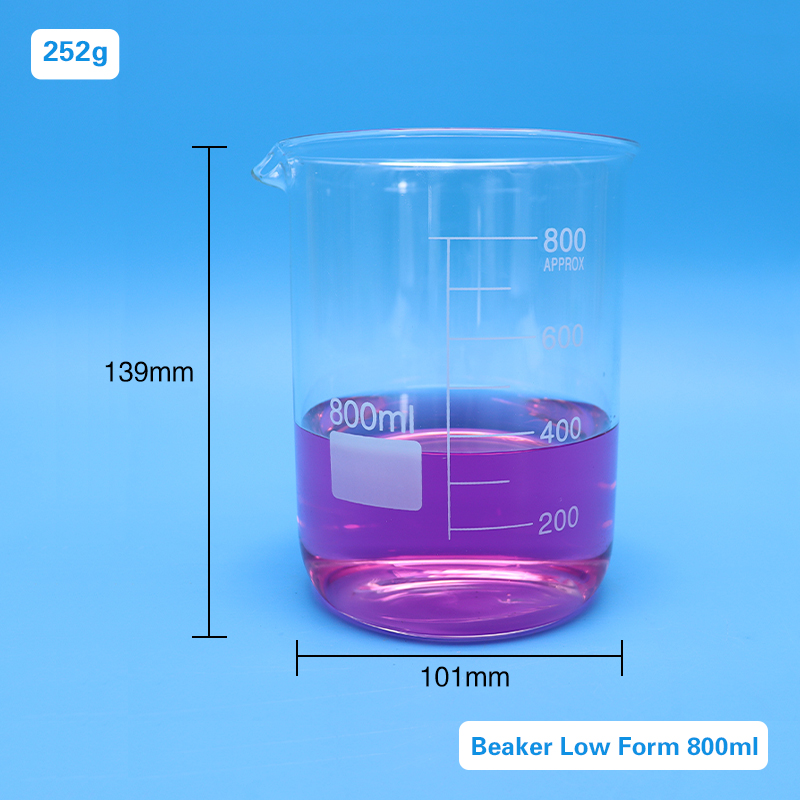
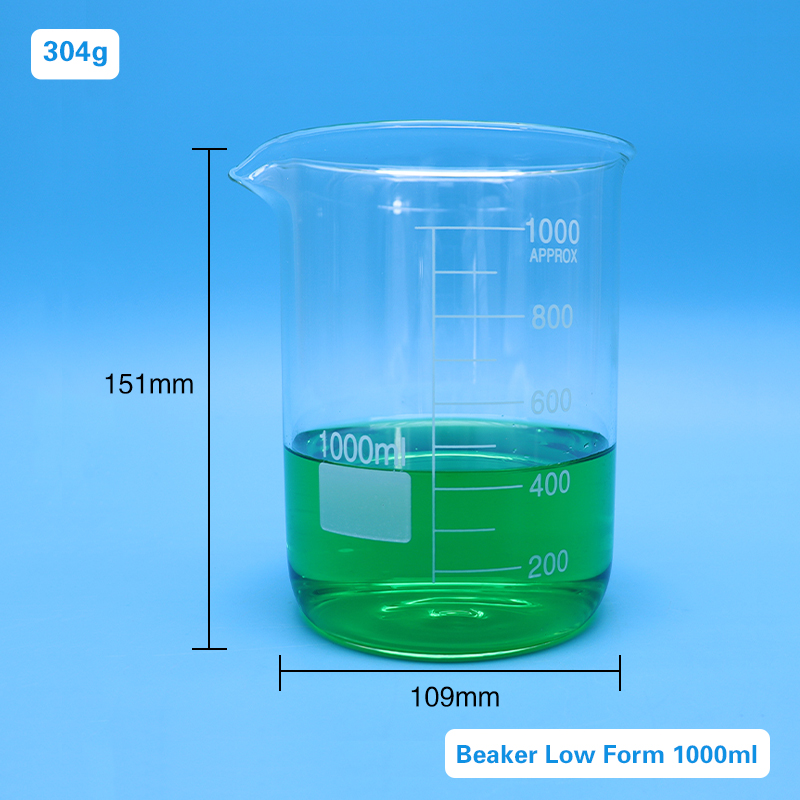
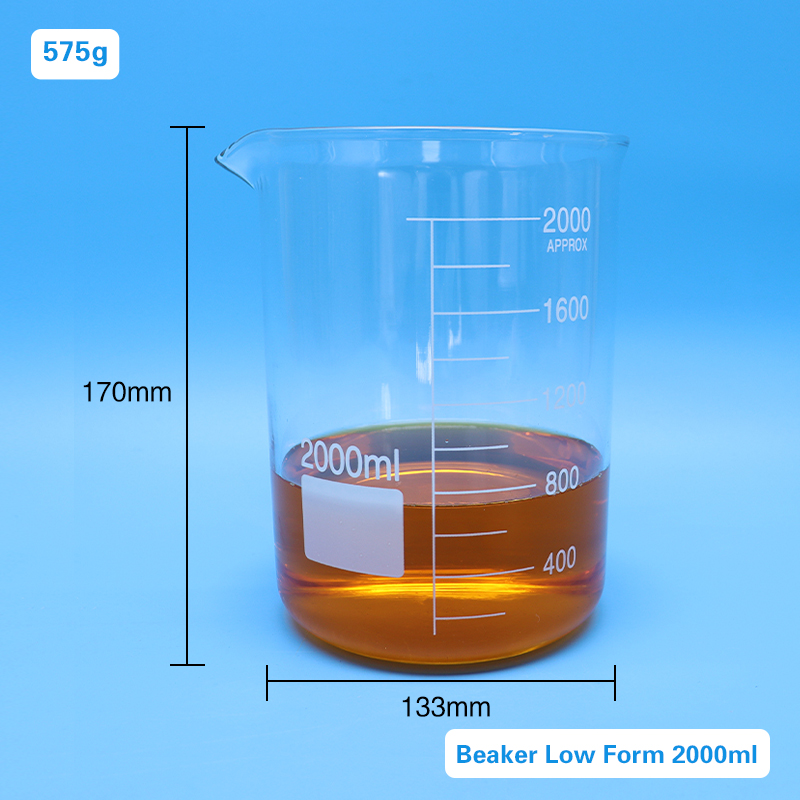
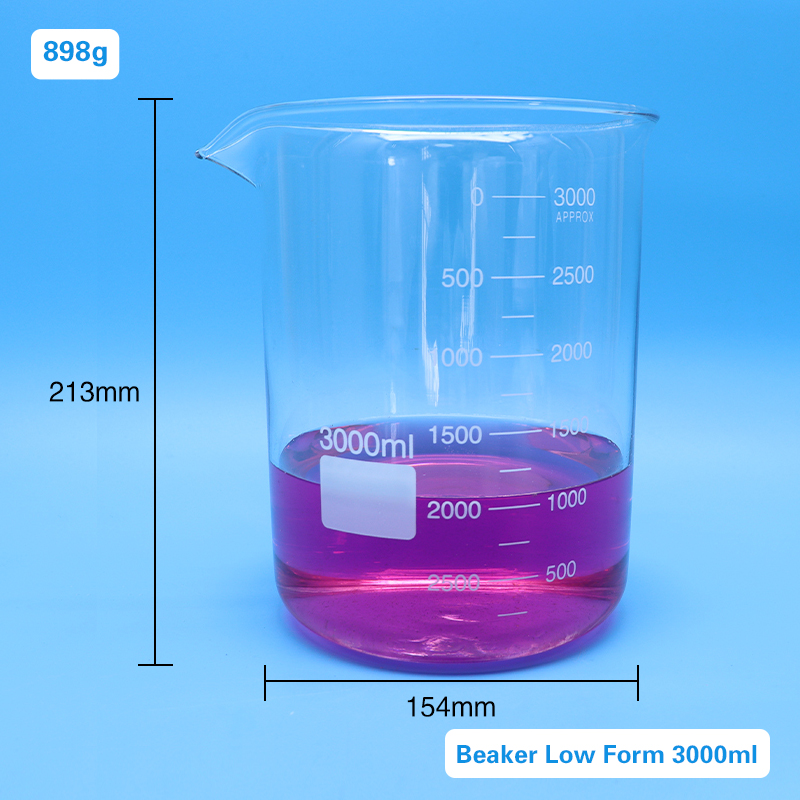
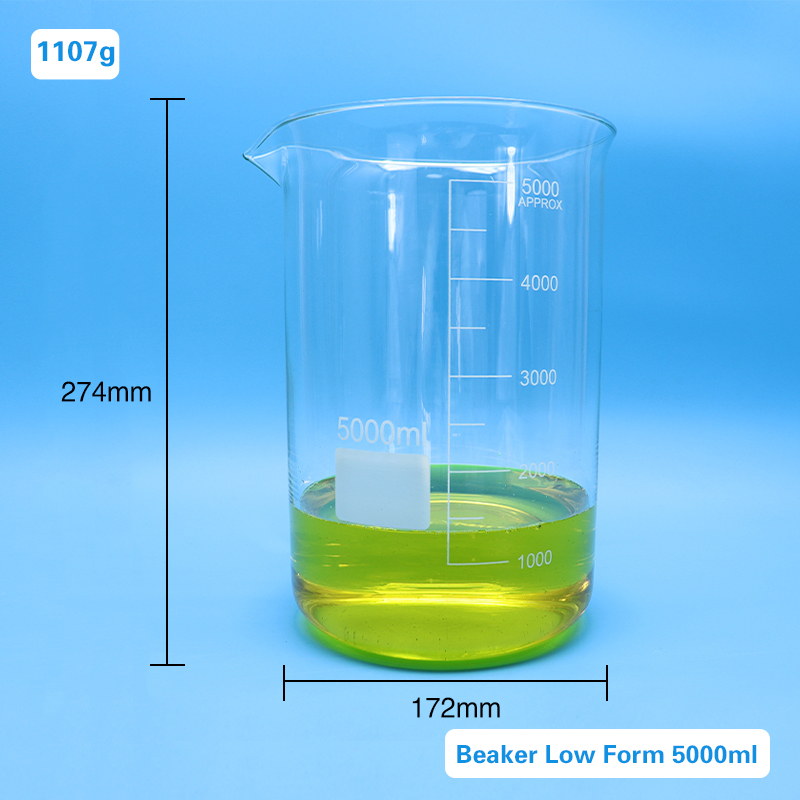
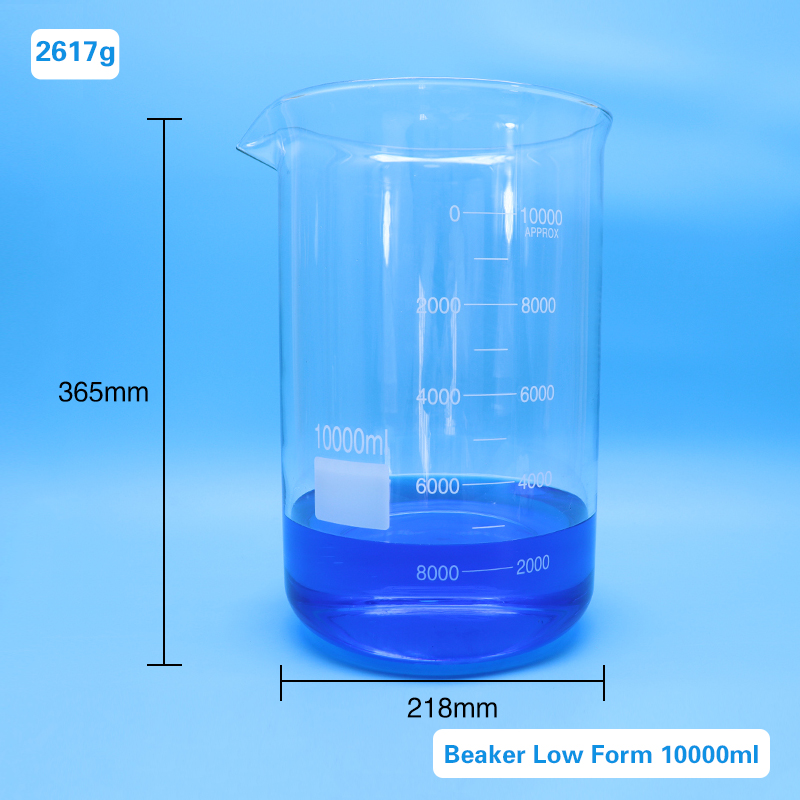
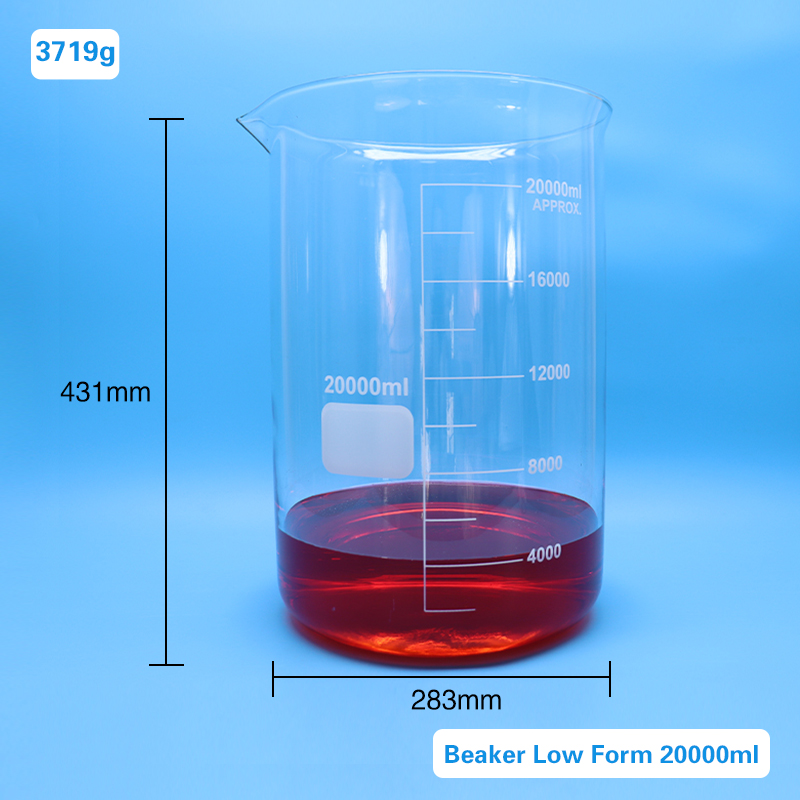
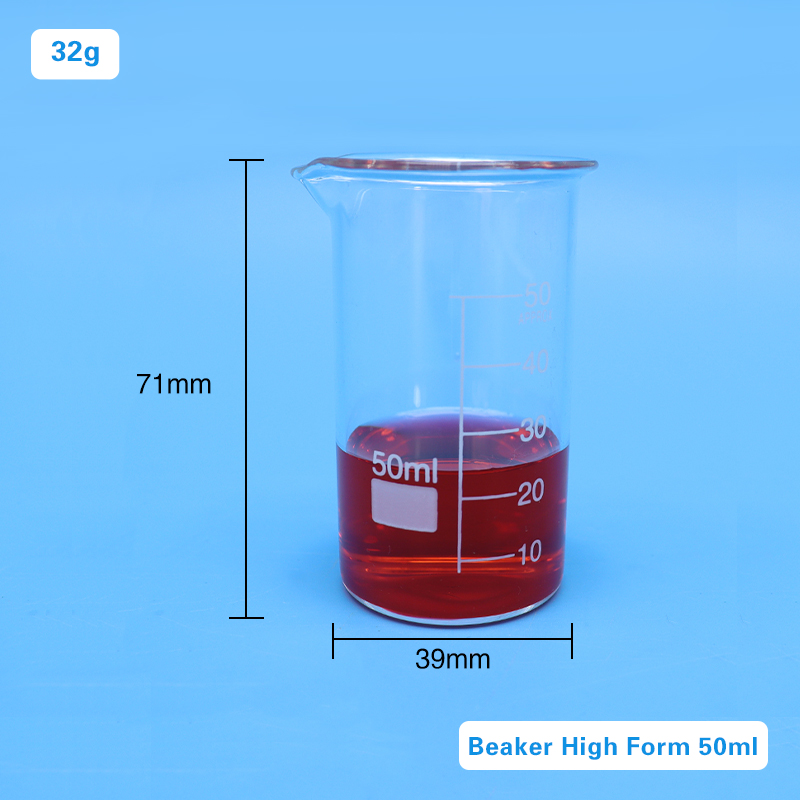
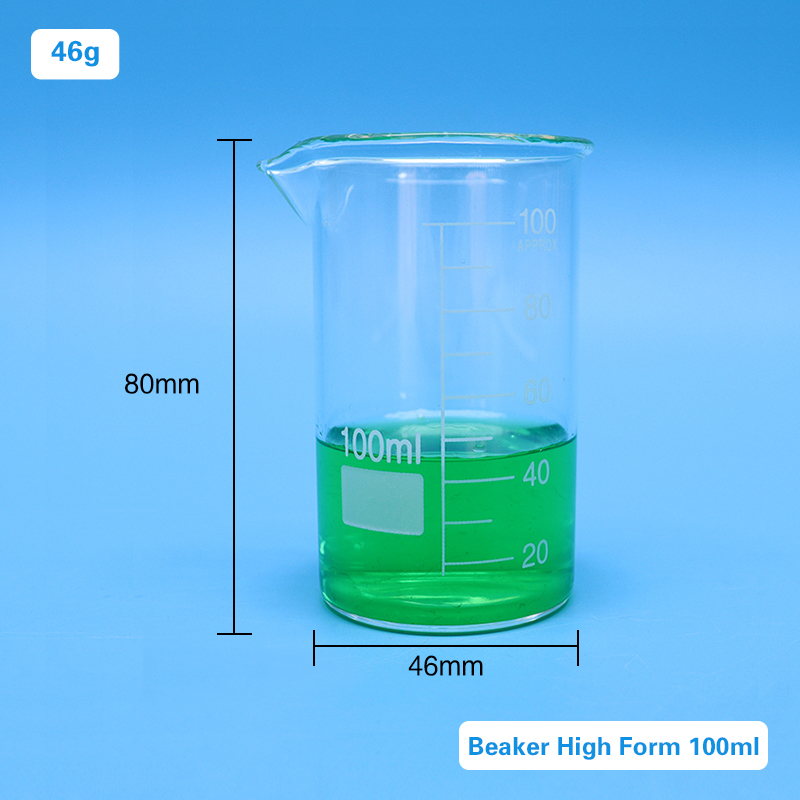
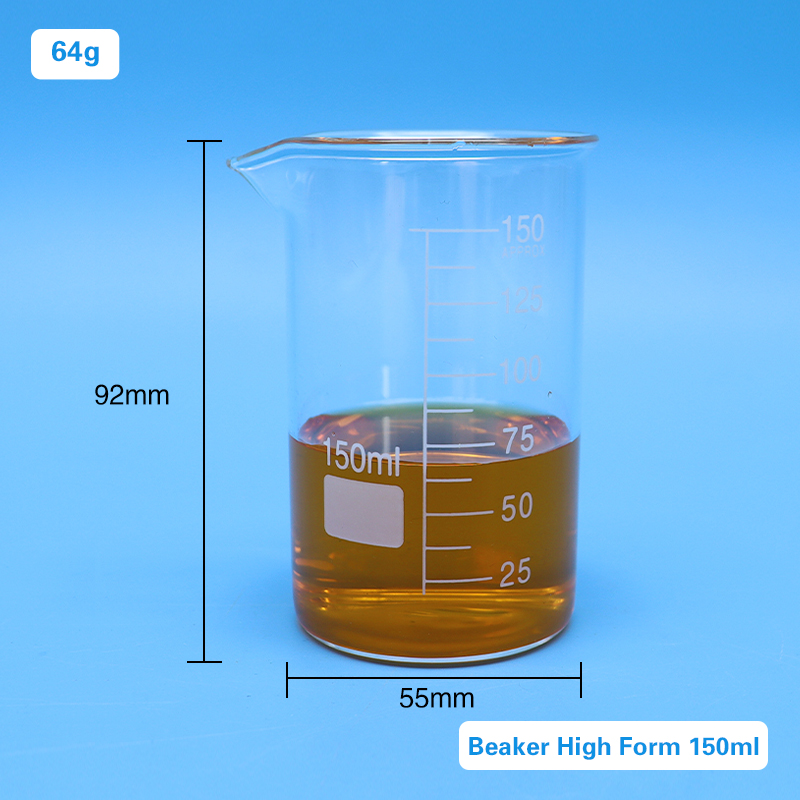
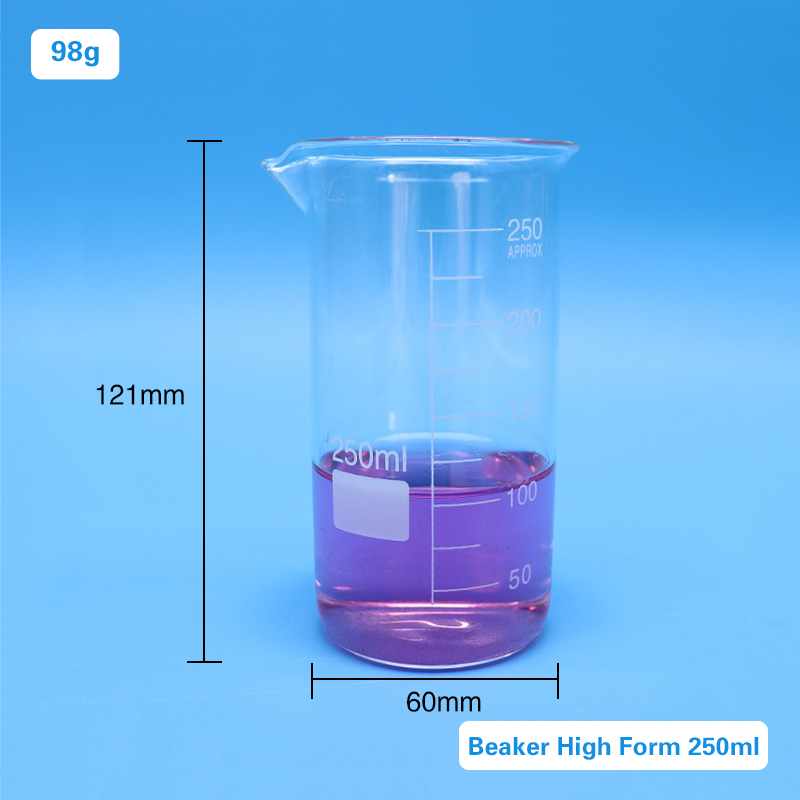
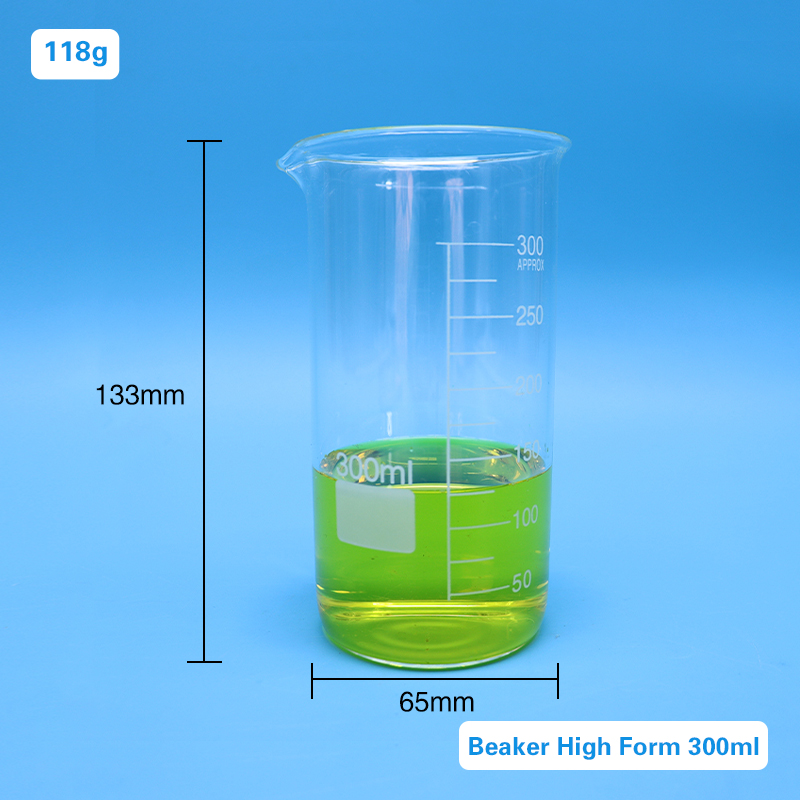
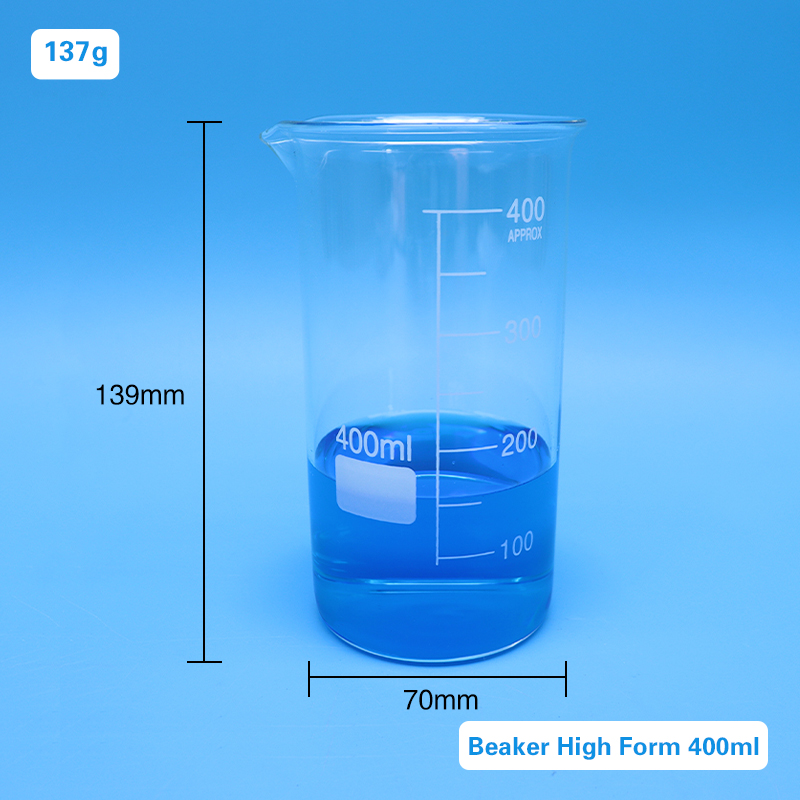
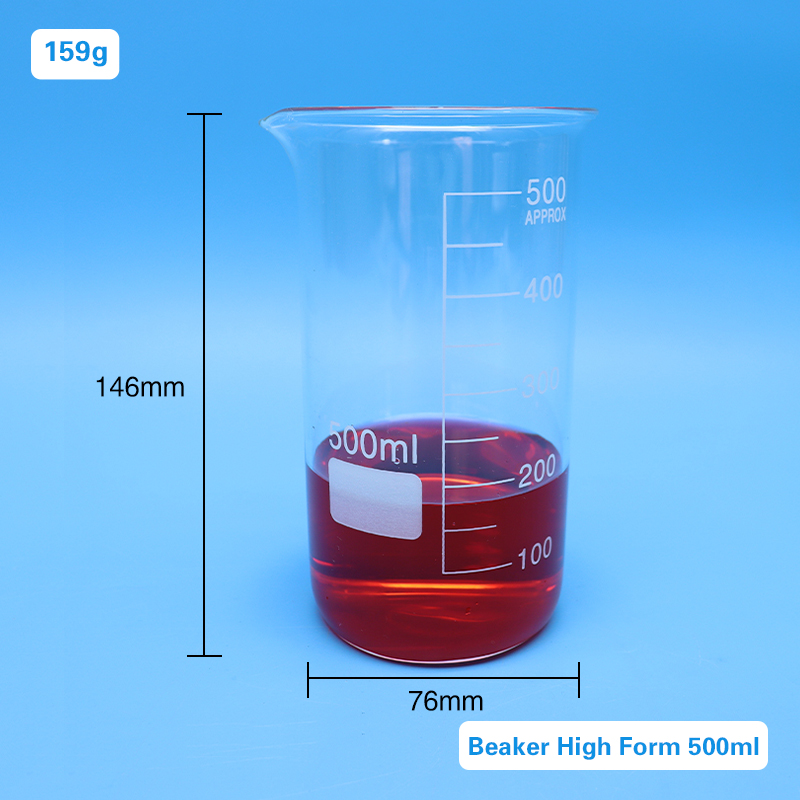
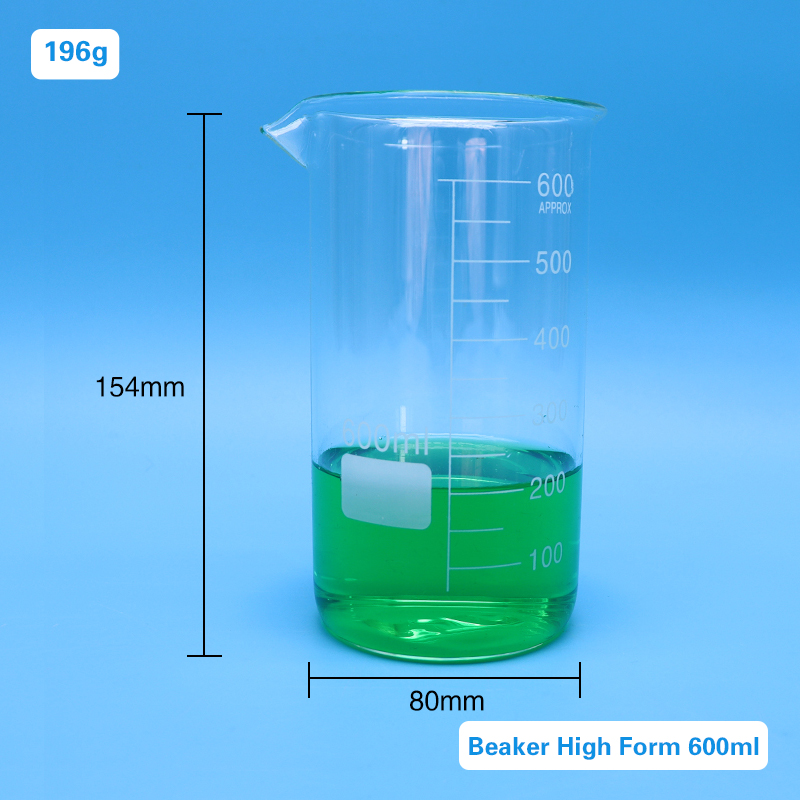
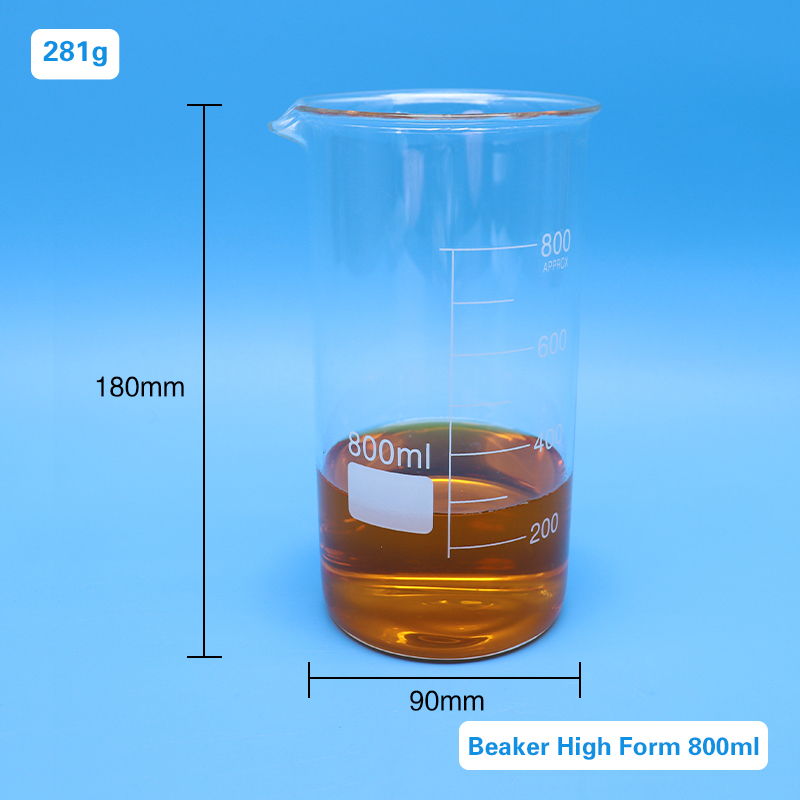
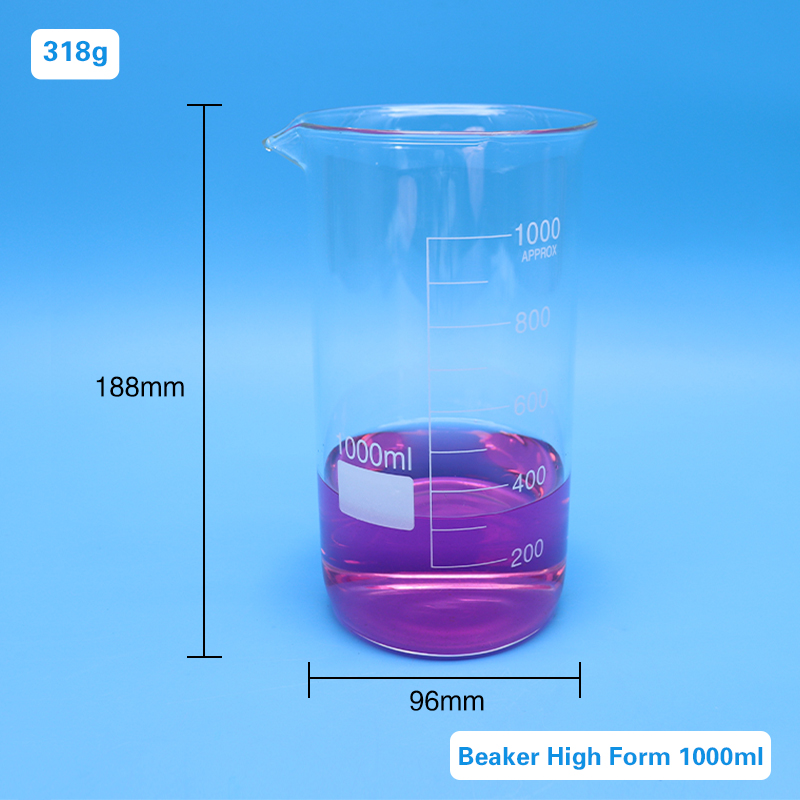
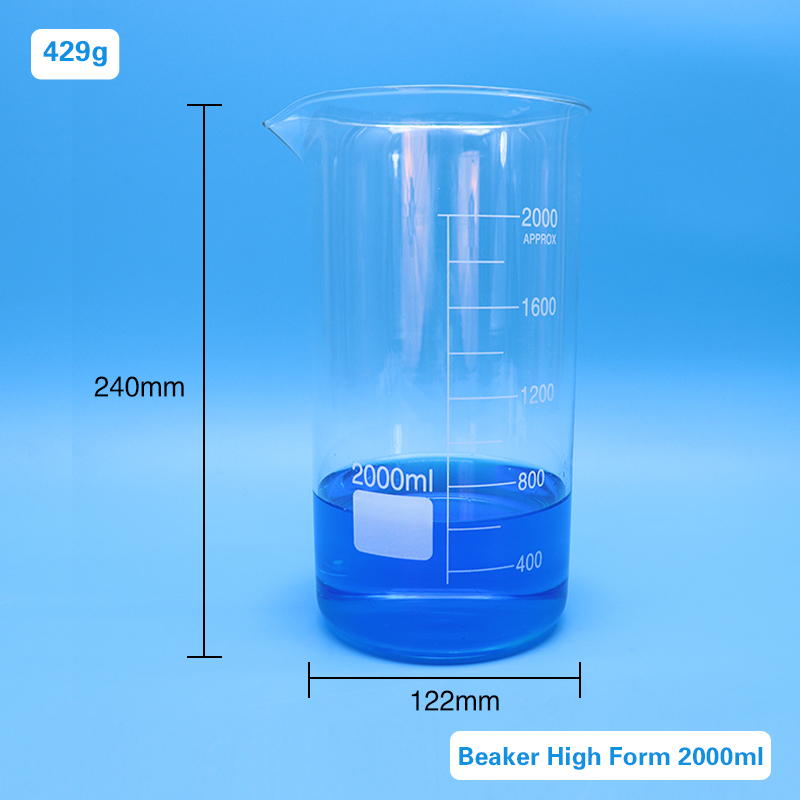
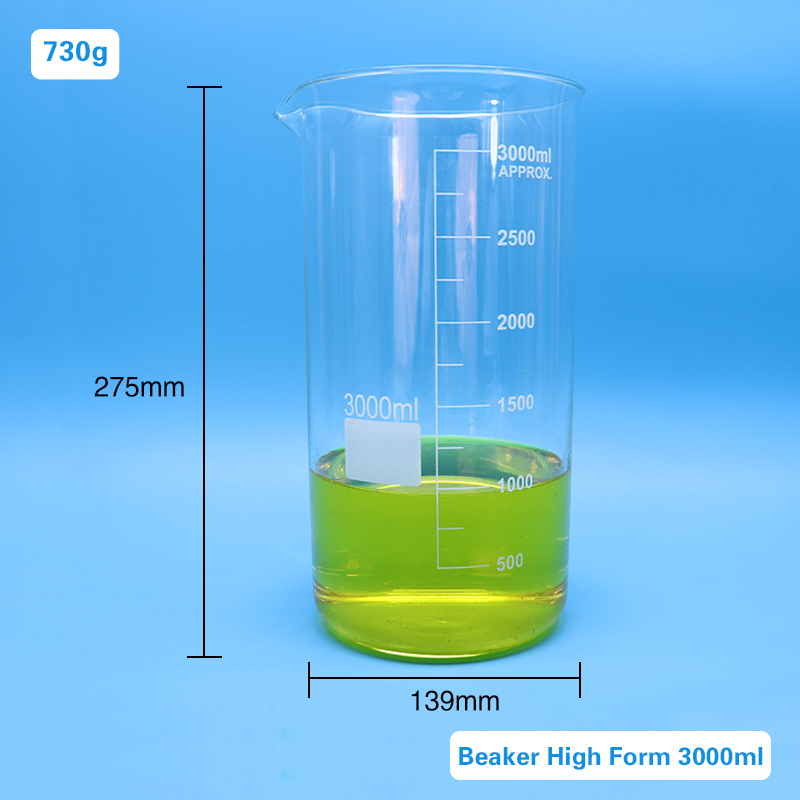
Boro 3.3 Glass Beaker Specs
| Description | Picture | Spec (ml) | Outer Diameter (mm) | Height (mm) | Weight (g) |
|---|---|---|---|---|---|
| Beaker Low Form |
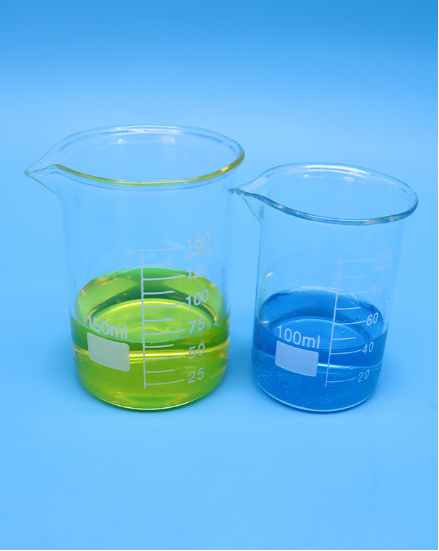
|
5 | 22 | 31 | 6 |
| 10 | 25 | 39 | 9 | ||
| 25 | 35 | 56 | 23 | ||
| 50 | 41 | 61 | 29 | ||
| 100 | 50 | 76 | 51 | ||
| 150 | 60 | 86 | 70 | ||
| 200 | 65 | 93 | 90 | ||
| 250 | 70 | 99 | 105 | ||
| 300 | 75 | 110 | 123 | ||
| 400 | 80 | 113 | 159 | ||
| 500 | 86 | 125 | 177 | ||
| 600 | 90 | 125 | 197 | ||
| 800 | 101 | 139 | 252 | ||
| 1000 | 109 | 151 | 304 | ||
| 2000 | 133 | 170 | 575 | ||
| 3000 | 154 | 213 | 898 | ||
| 5000 | 172 | 274 | 1107 | ||
| 10000 | 218 | 365 | 2617 | ||
| 20000 | 283 | 431 | 3719 | ||
| Beaker High Form |
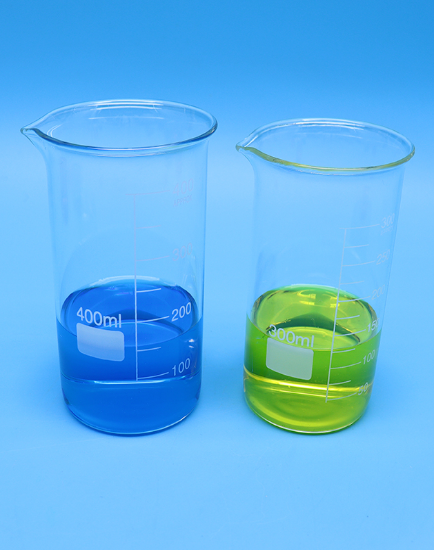
|
50 | 39 | 71 | 32 |
| 100 | 46 | 80 | 46 | ||
| 150 | 55 | 92 | 64 | ||
| 250 | 60 | 121 | 98 | ||
| 300 | 65 | 133 | 118 | ||
| 400 | 70 | 139 | 137 | ||
| 500 | 76 | 146 | 159 | ||
| 600 | 80 | 154 | 196 | ||
| 800 | 90 | 180 | 281 | ||
| 1000 | 96 | 188 | 318 | ||
| 2000 | 122 | 240 | 429 | ||
| 3000 | 139 | 275 | 730 |
Precautions For Use
- Do not inject more than half of its capacity; too much can easily cause splashing.
- When heating a beaker, place a wire gauze underneath to distribute the heat evenly.
- Do not use products that are corroded, cracked, chipped, or scratched.
- When heating, the outside of the beaker must be wiped dry.
Frequently Asked Questions
What is the advantage of using High Borosilicate 3.3 Glass for beakers?
High borosilicate glass features an extremely low coefficient of thermal expansion (about one-third of ordinary glass). This gives it high strength, low expansion rates, high chemical stability, and the ability to withstand temperature differences up to 200°C.
What are the maximum sterilization temperatures for Boro 3.3 glassware?
The standard laboratory sterilization temperatures are 121°C and 134°C. The glass itself handles high thermal differences, and matching bottle caps can withstand temperatures up to 140°C.
What are the primary laboratory applications of these glass beakers?
They serve as material reactors, determine combustion products, dissolve and crystallize substances, hold solutions for evaporation, concentration, or heating, and safely hold corrosive solid chemicals for weighing.
How should a glass beaker be safely heated?
Always wipe the outside of the beaker completely dry before heating. Place a wire gauze underneath the beaker on the heating stand to distribute the heat evenly and prevent localized thermal stress.
What capacity limit should be followed when filling a beaker?
Do not fill the beaker beyond half of its capacity. Overfilling increases the risk of splashing and accidental chemical spills during heating or mixing.
When should a glass beaker be discarded or replaced?
For laboratory safety, do not use any glass beakers that show signs of corrosion, cracks, chips, or deep surface scratches, as these defects compromise structural integrity under thermal stress.