
0102030405
Borosilicate Glass Beaker with Graduation and Spout - China Suppliers and Factory, 5ml to 20000ml Capacity
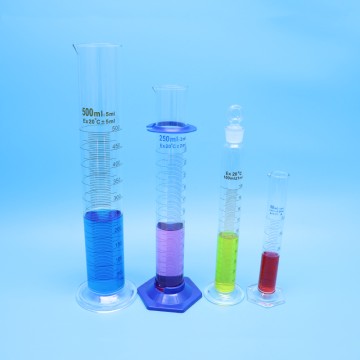
Glass Measuring Cylinder
- High borosilicate glass
- Stable base
- Clear scale
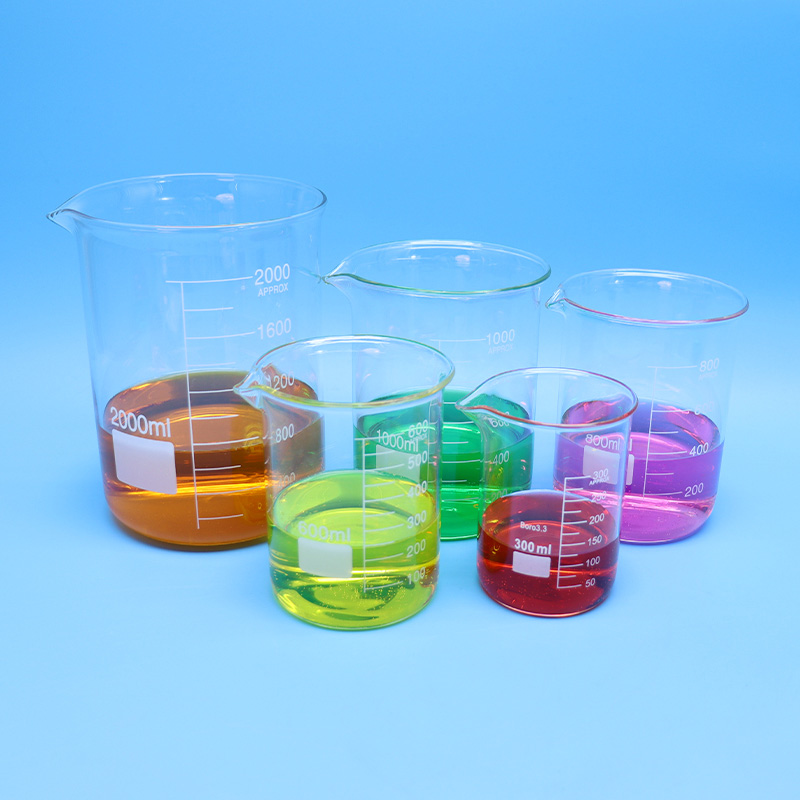
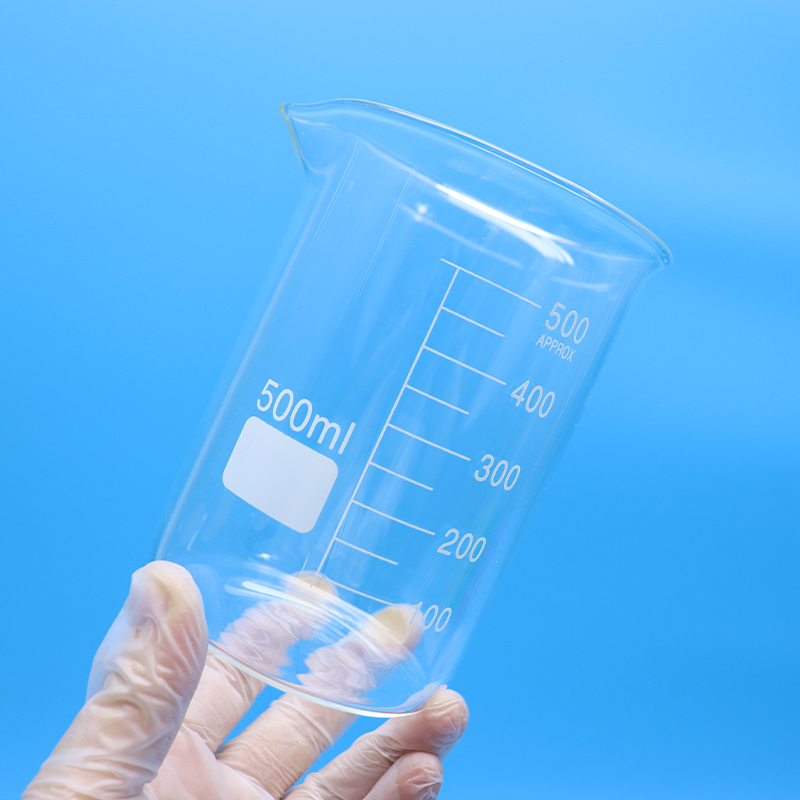
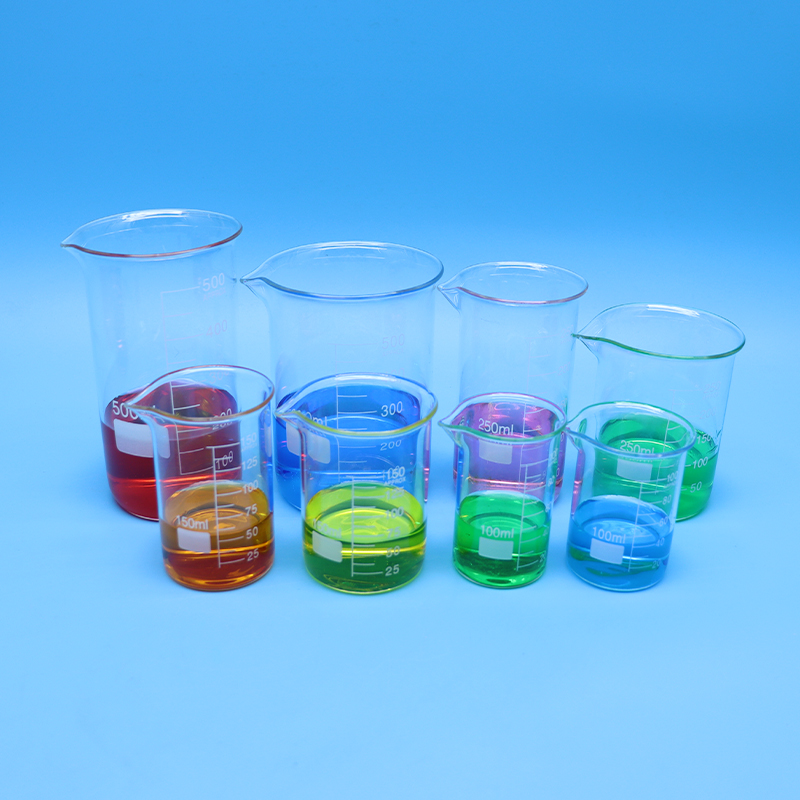
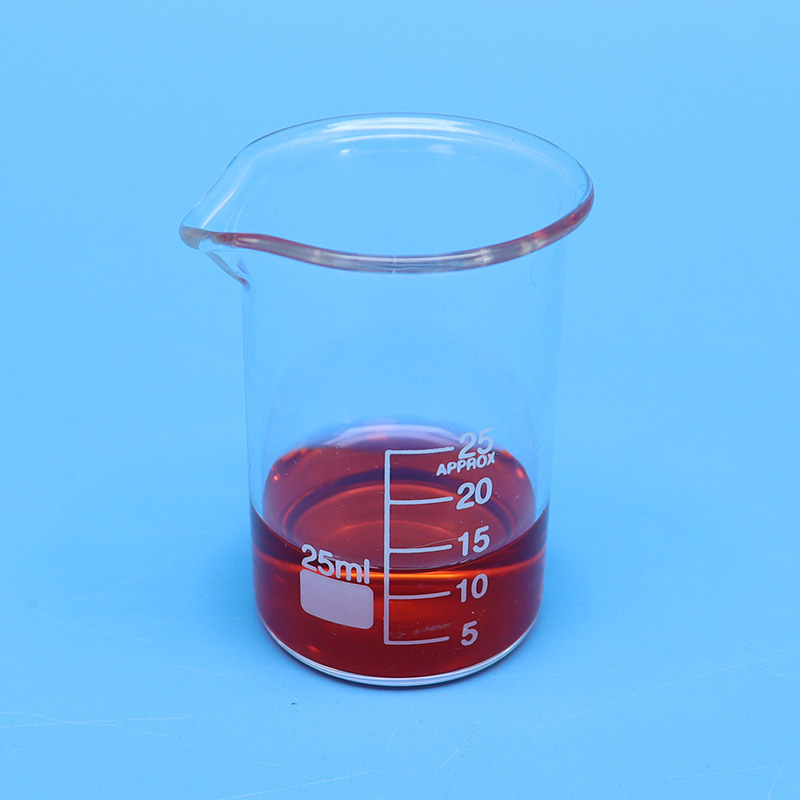
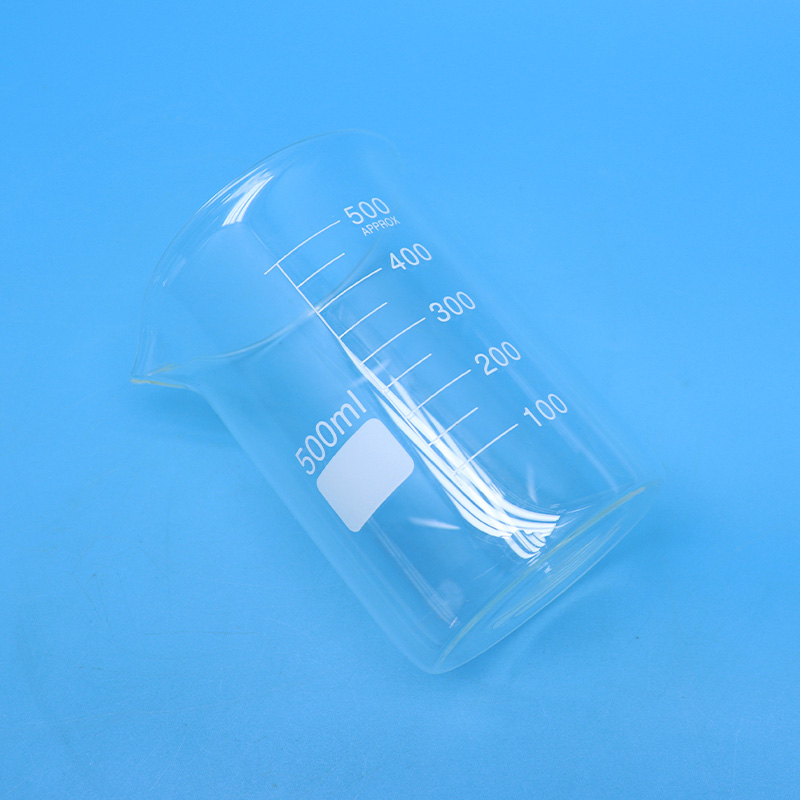
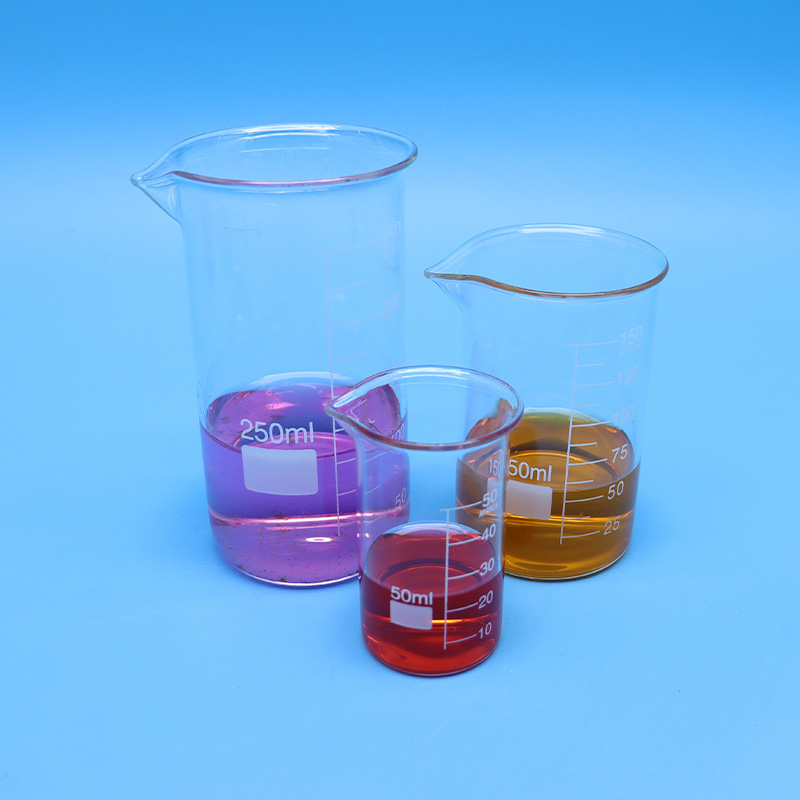
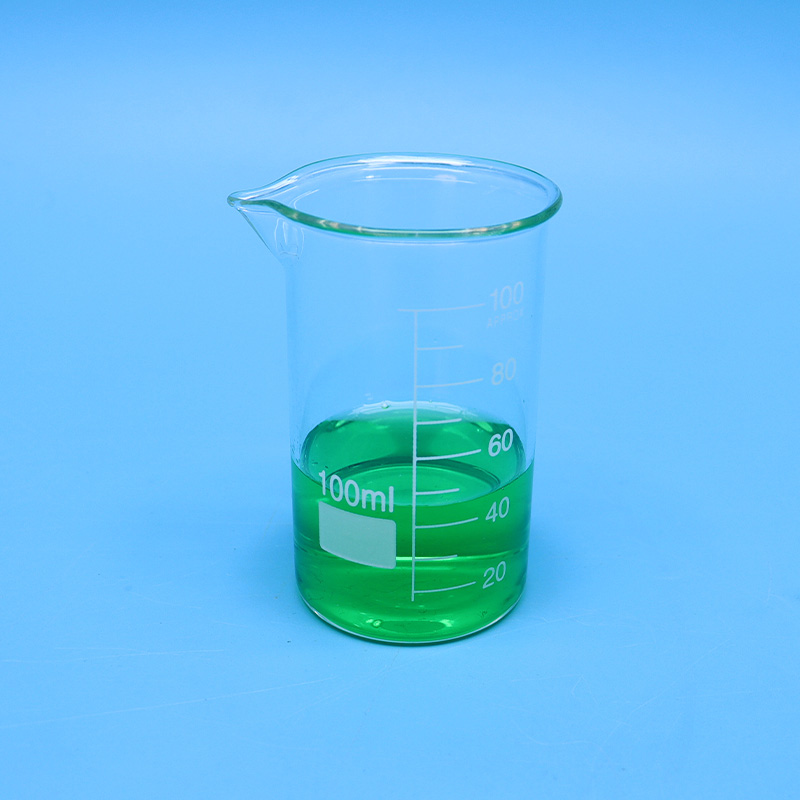
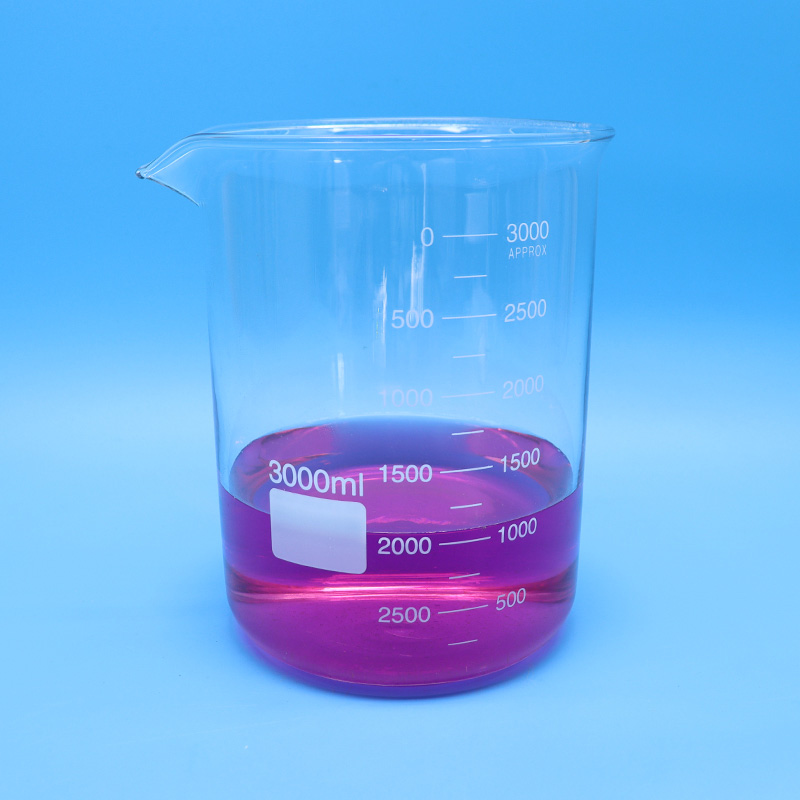
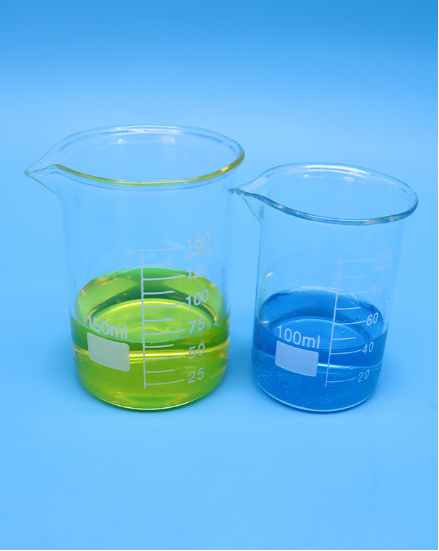
Beaker Low Form
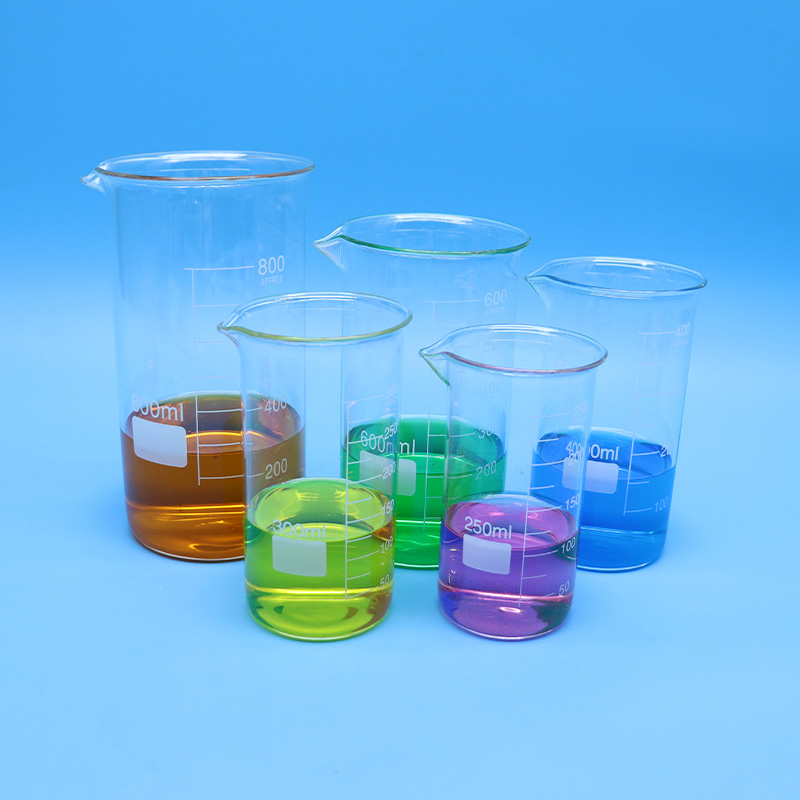
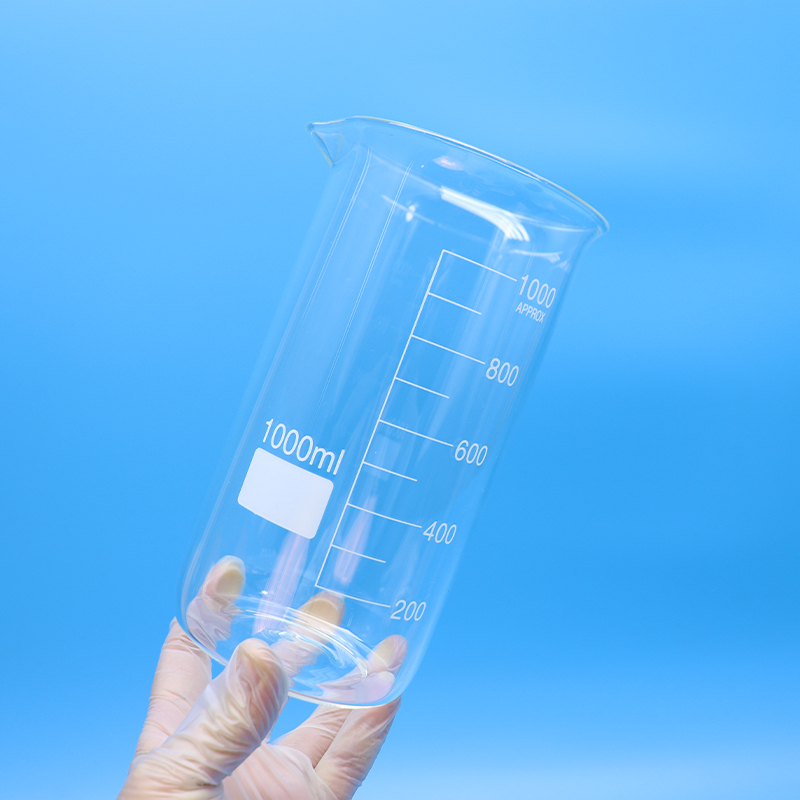
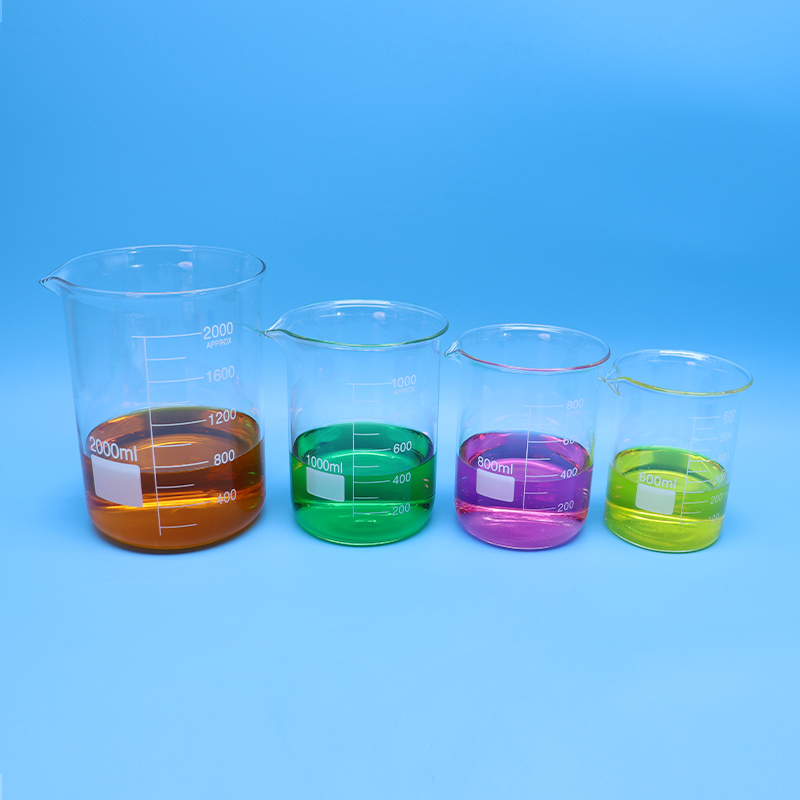
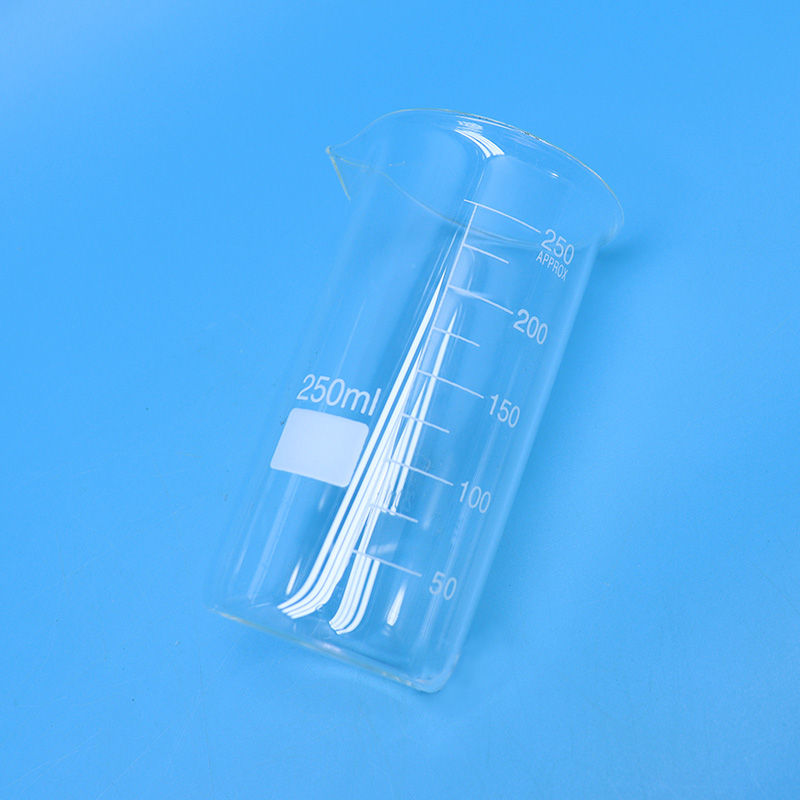
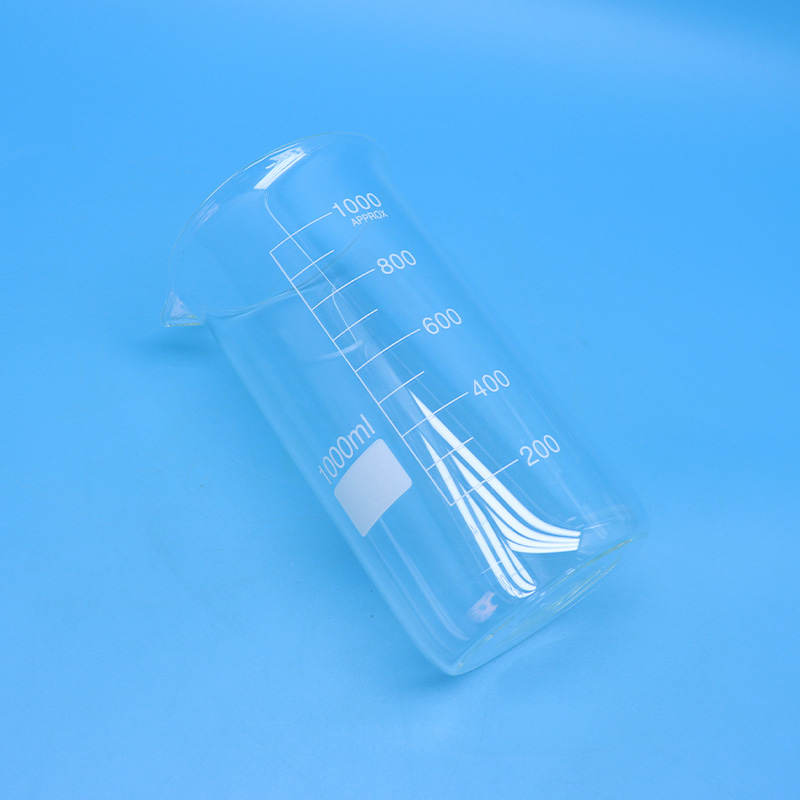
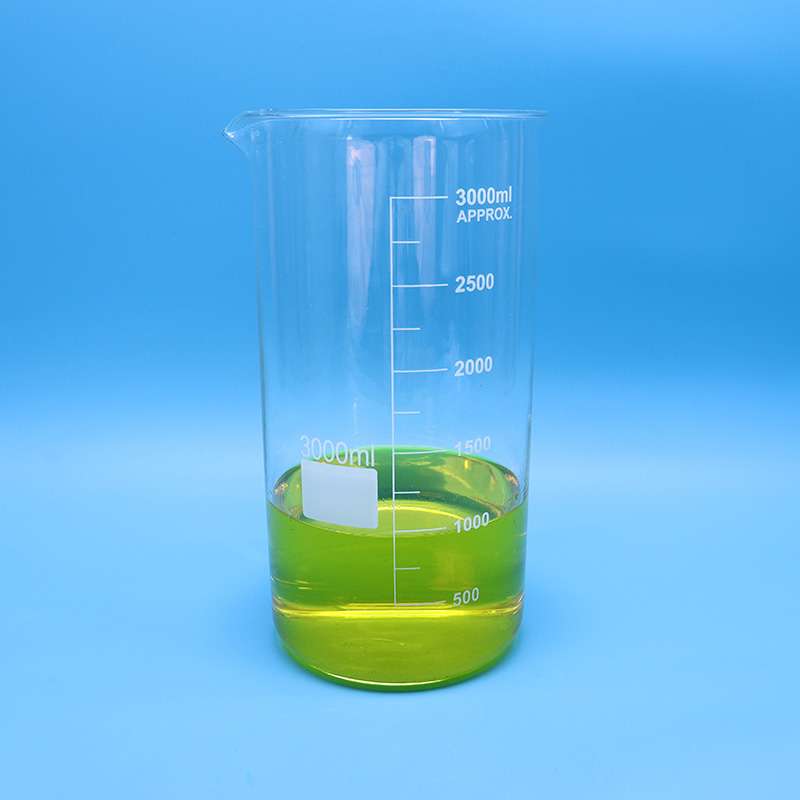
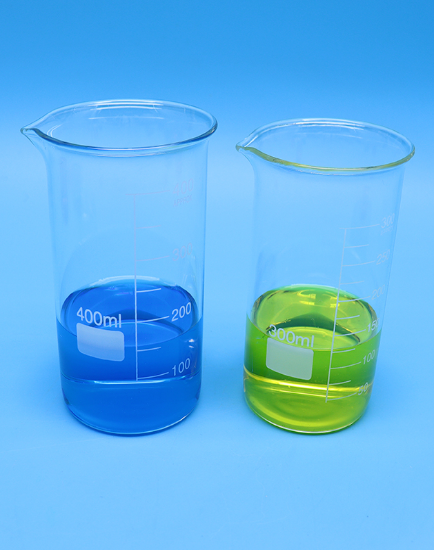
Beaker High Form
Product Name: Boro 3.3 Glass Beaker
Product Type: 5–2000ml
Product Material: High borosilicate glass
Product Introduction: High borosilicate glass has a very low coefficient of thermal expansion, about one-third that of ordinary glass. It can withstand high temperatures of 200 ℃ temperature difference, low expansion rate, high strength, high chemical stability. The laboratory sterilization temperature standard is 121°C/134°C, and the bottle cap can withstand up to 140°C high temperature.
It can serve as a material reactor, determine combustion products, be used to dissolve and crystallize a substance, hold solutions for evaporation, concentration, or heating, and also be used to hold corrosive solid chemicals for weighing.
Product Show
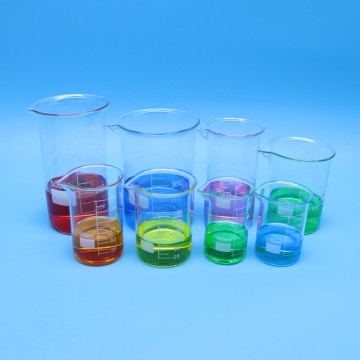
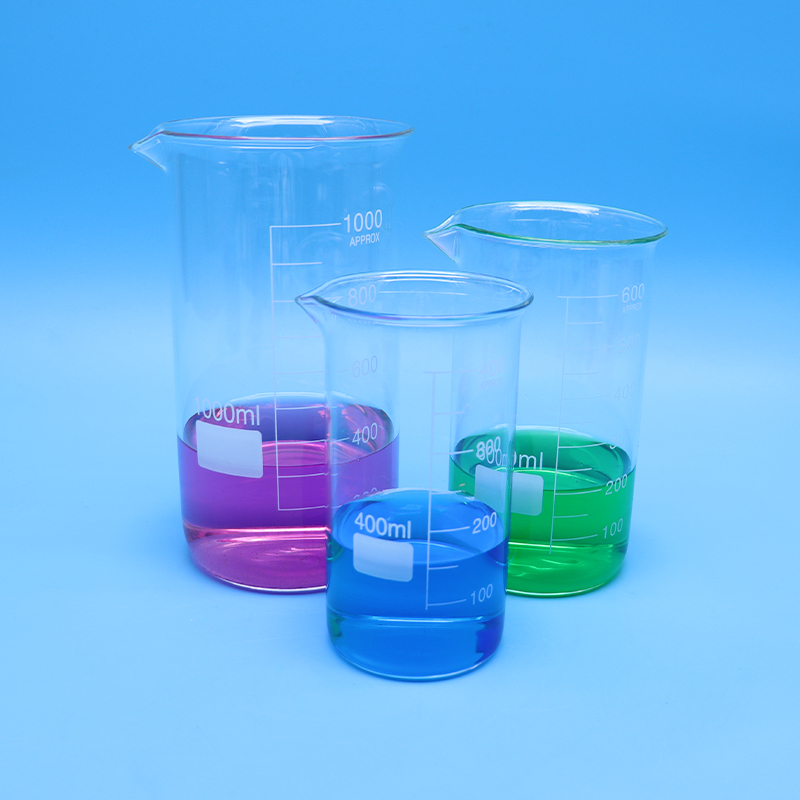
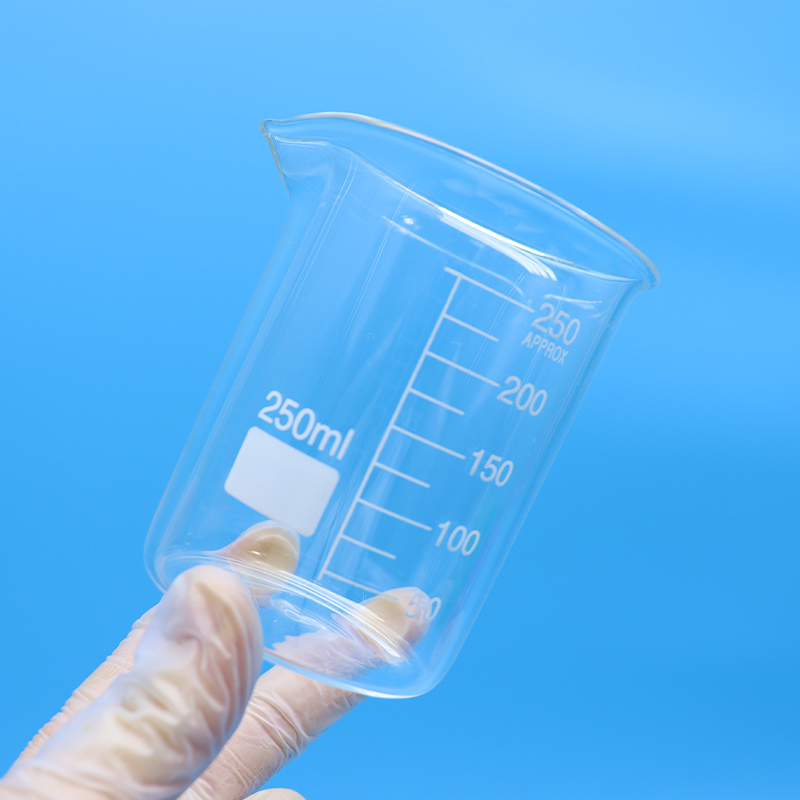
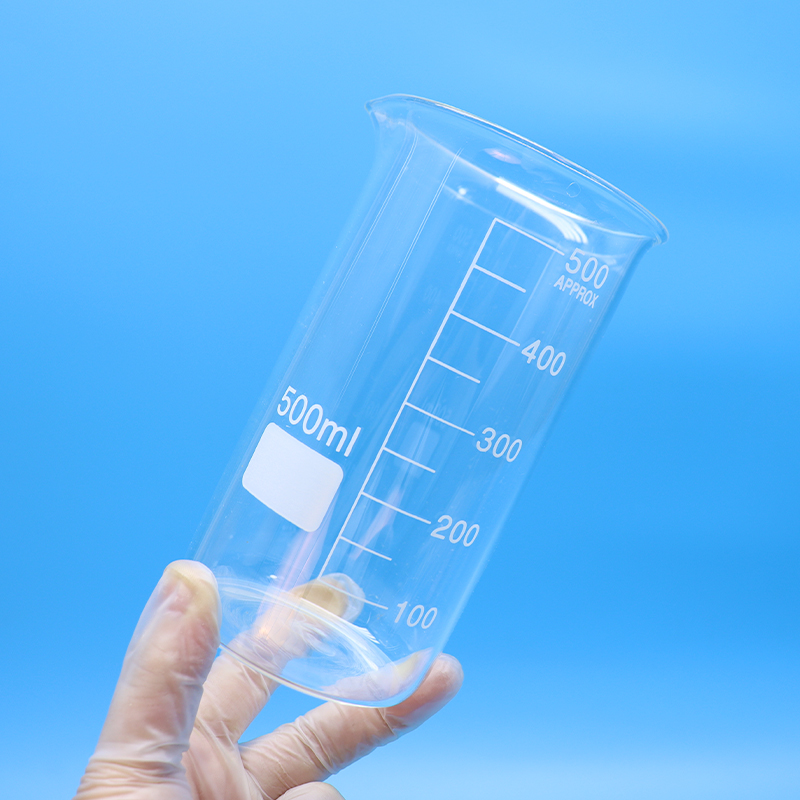
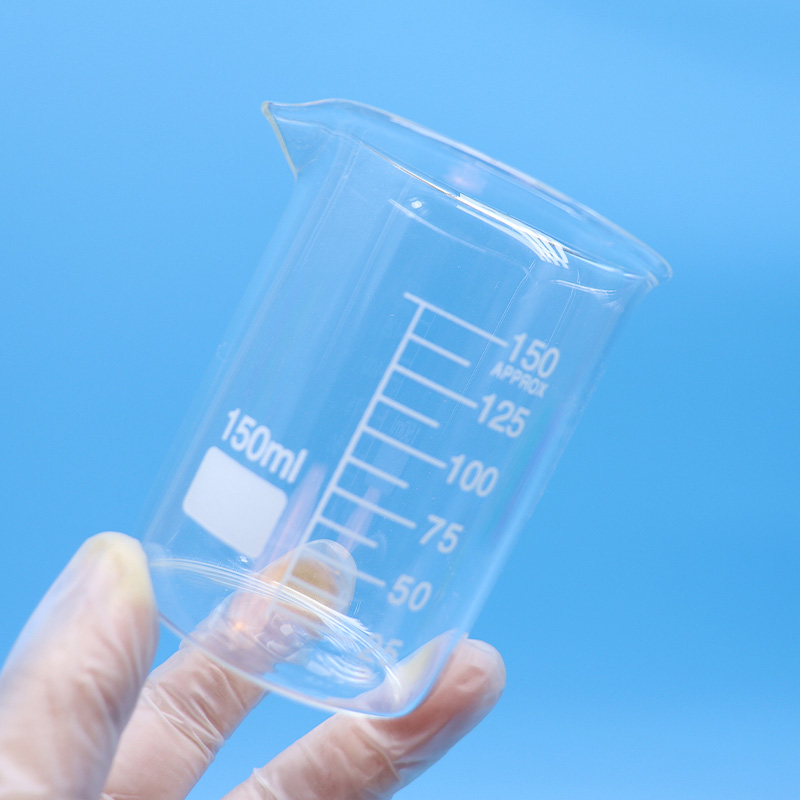
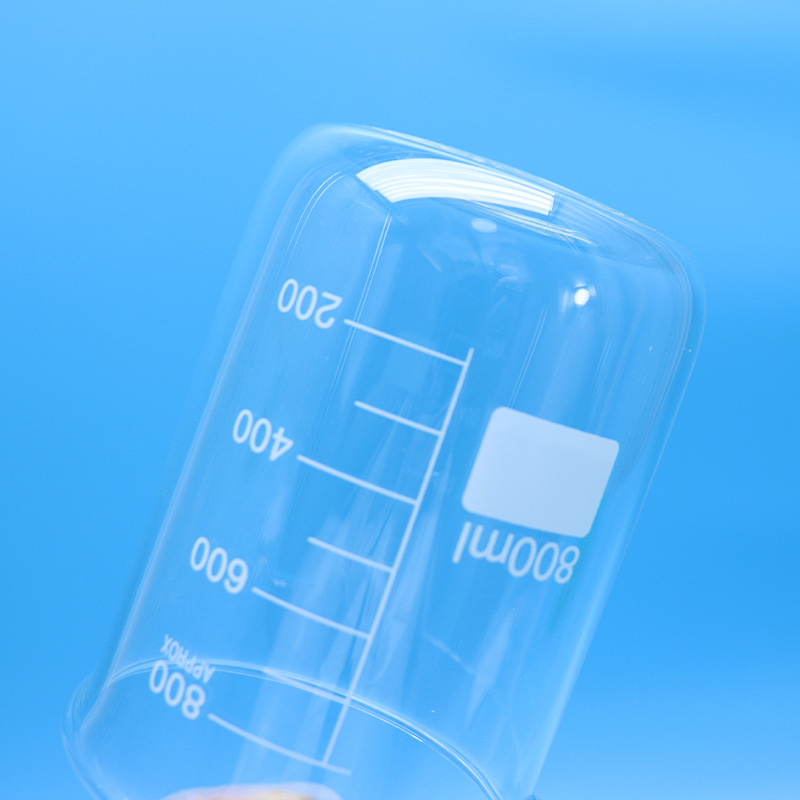
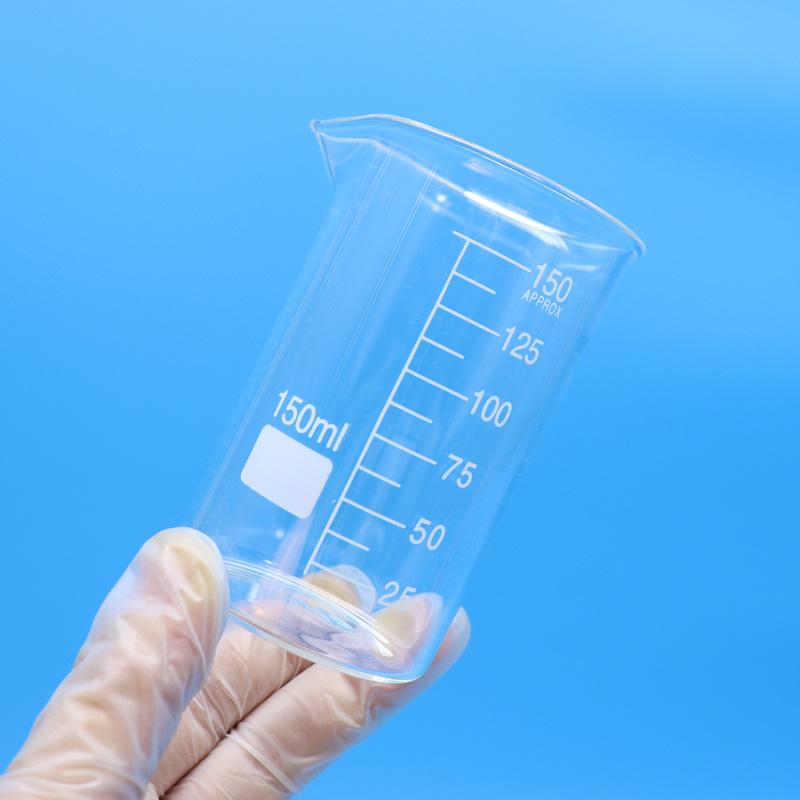
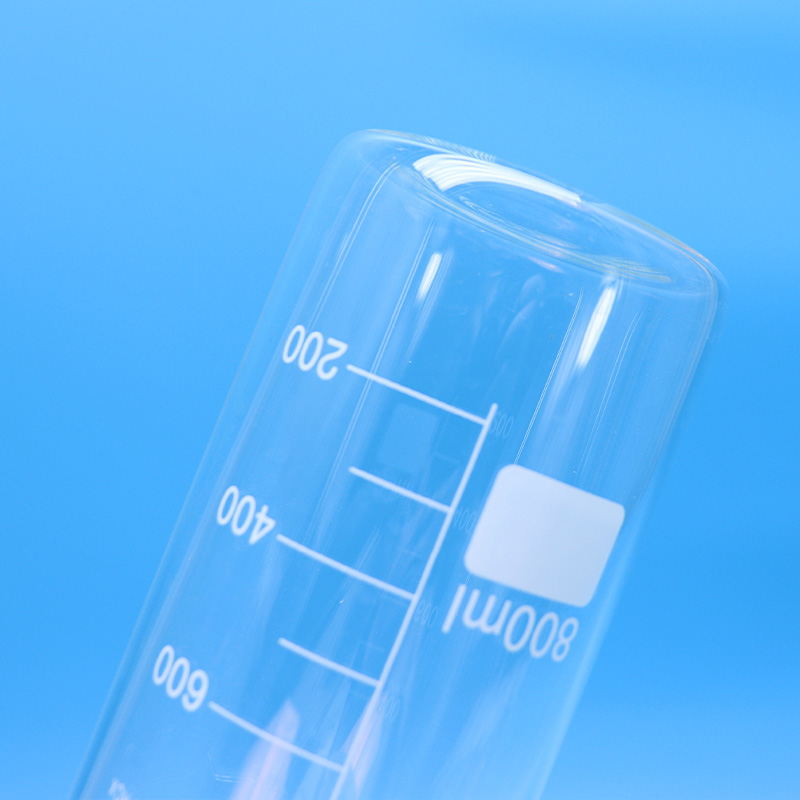
- Clear markings, high transparency.
- The bottom of the cup is flat, heats evenly, and is not easily shattered due to rapid heating.
- Uniform wall thickness, no air bubbles.
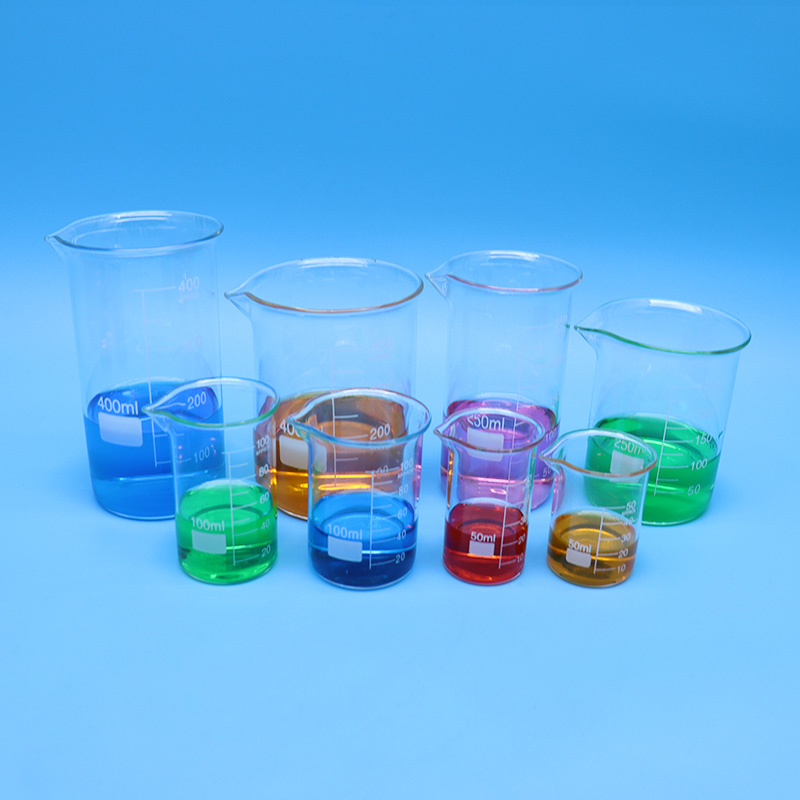
Beaker Low Form Show
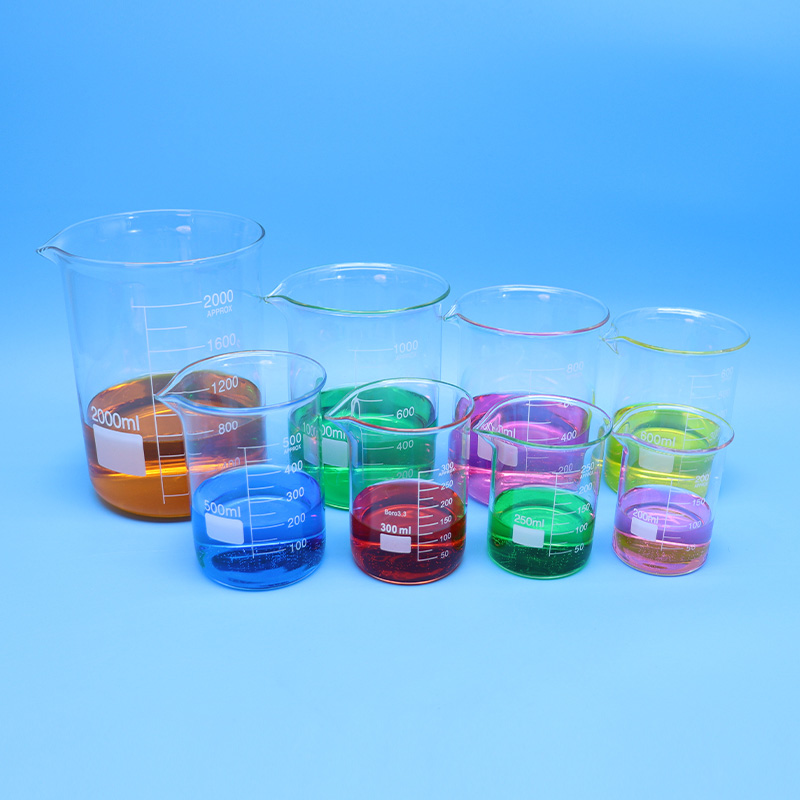
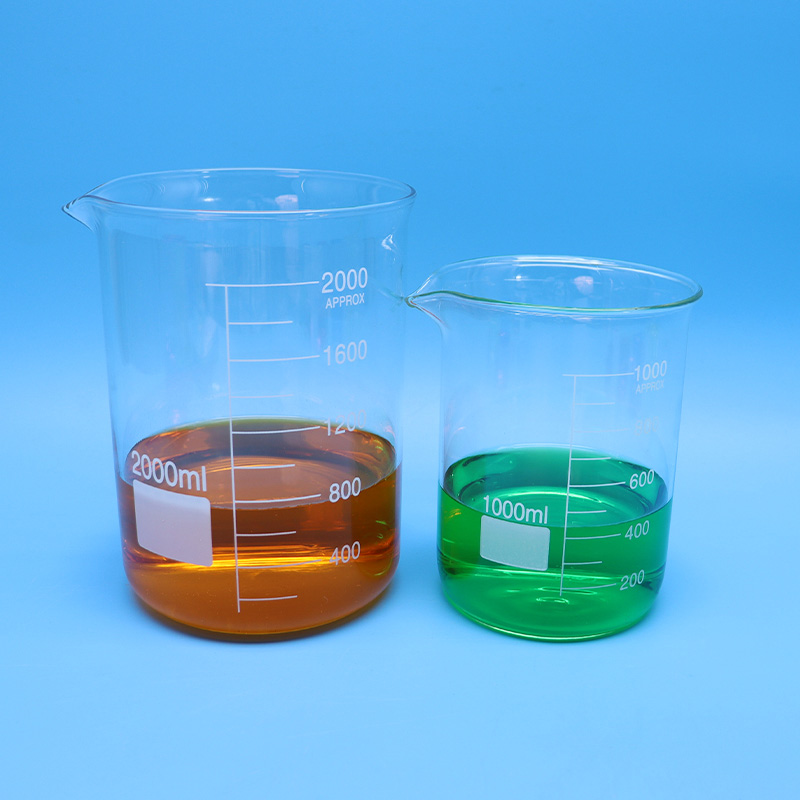
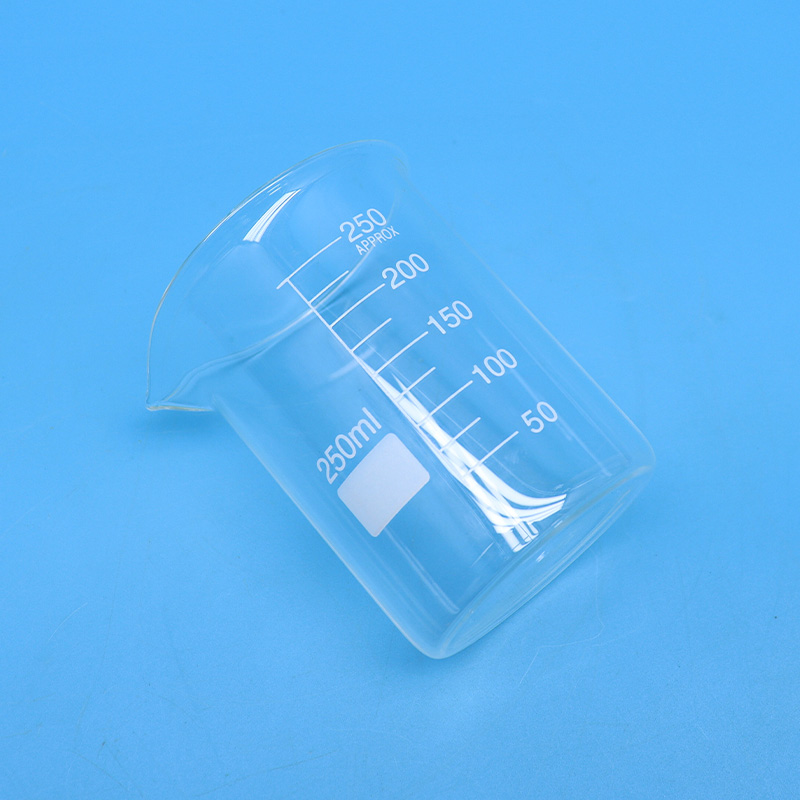
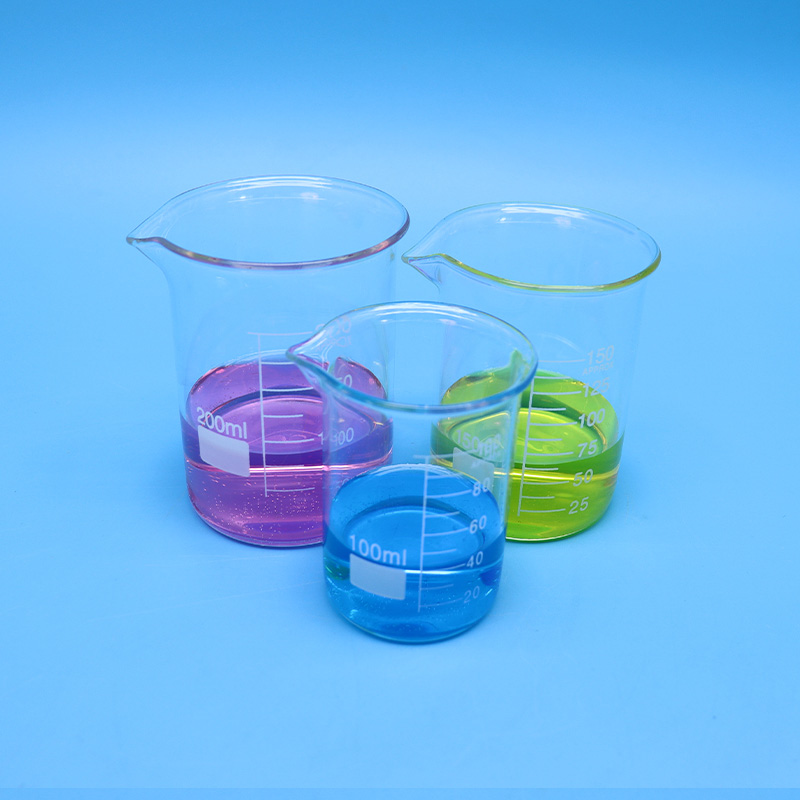
Beaker High Form Show
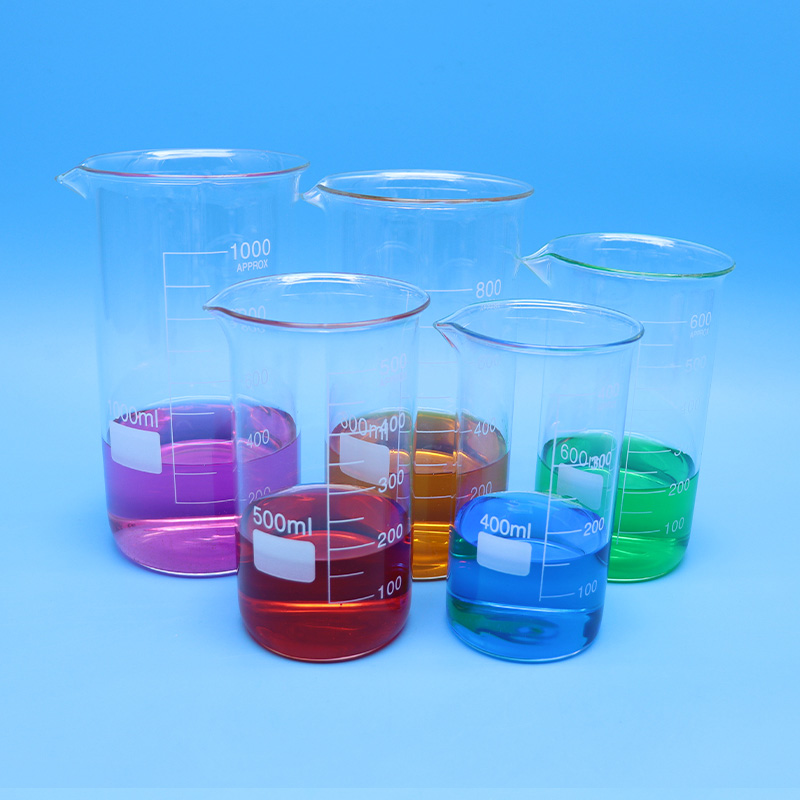
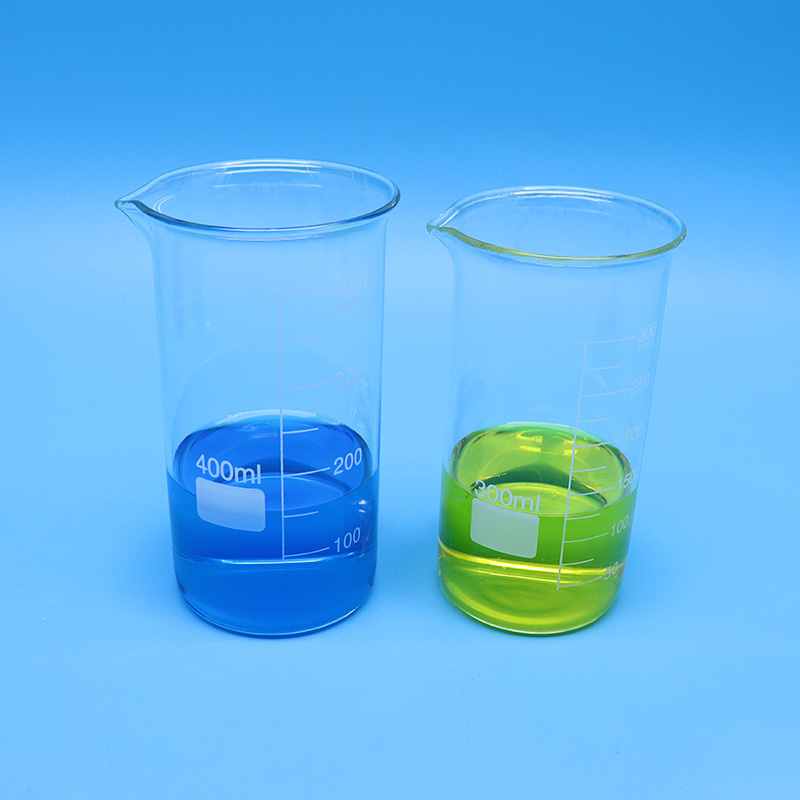
Product Details Show
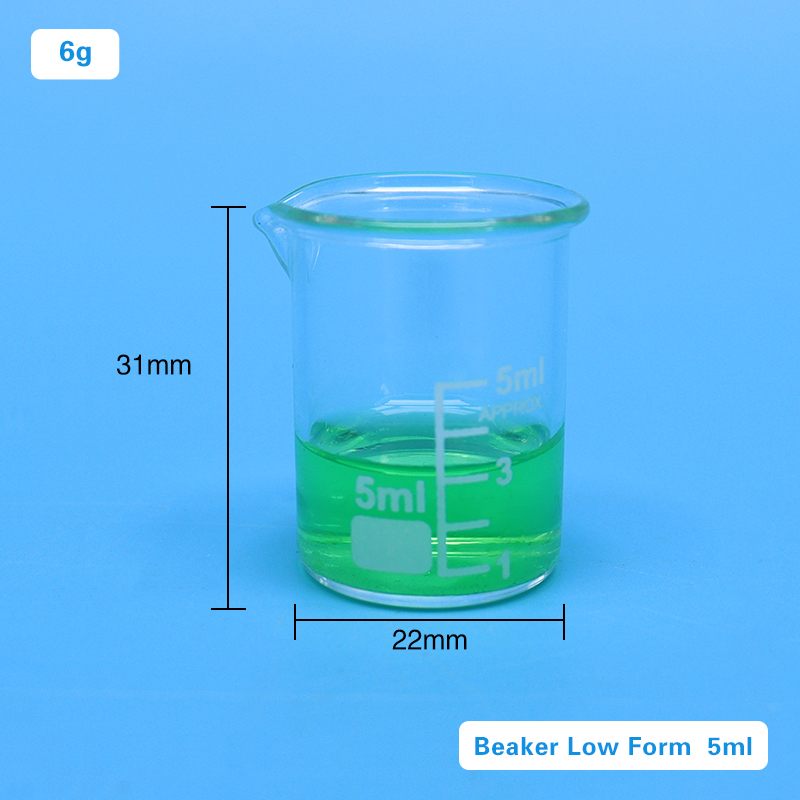
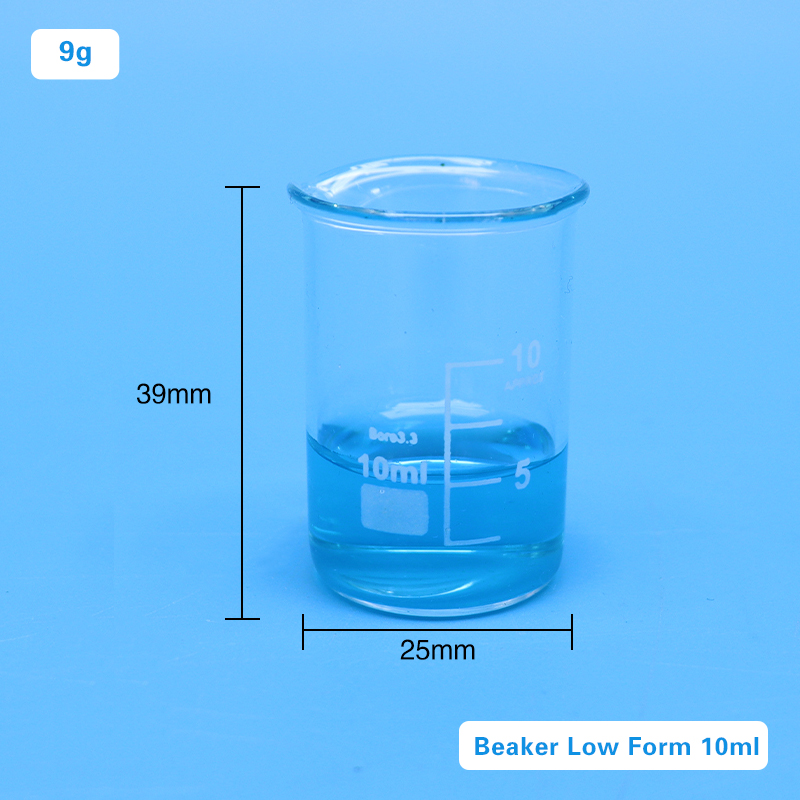
Size Show
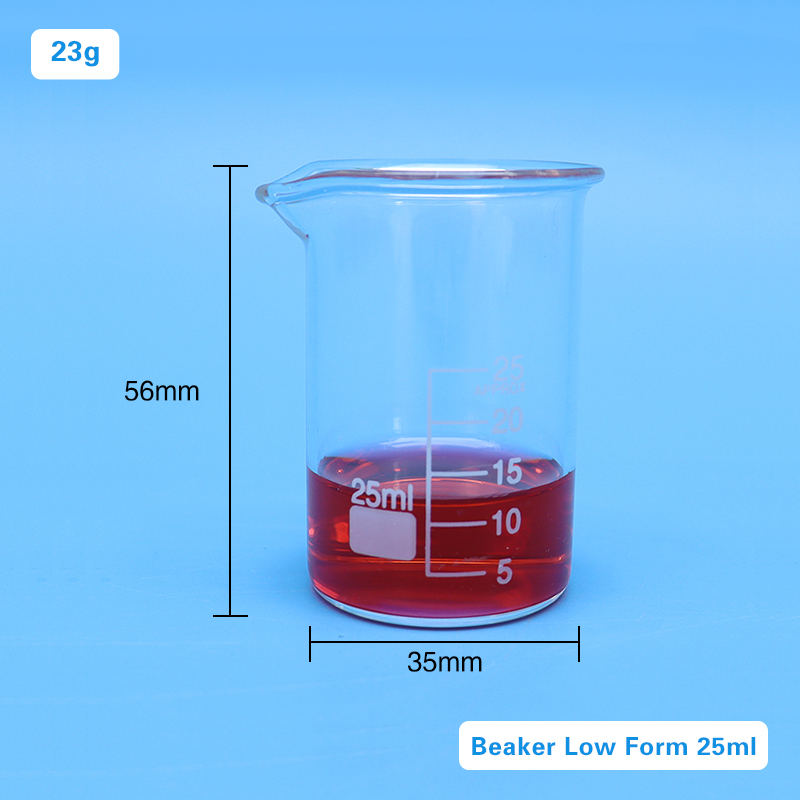
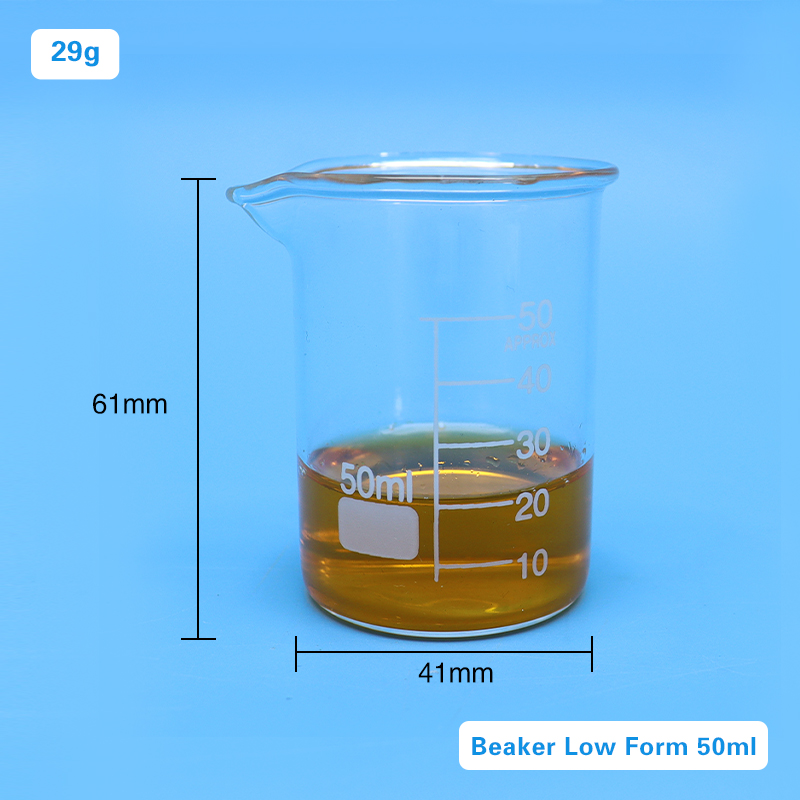
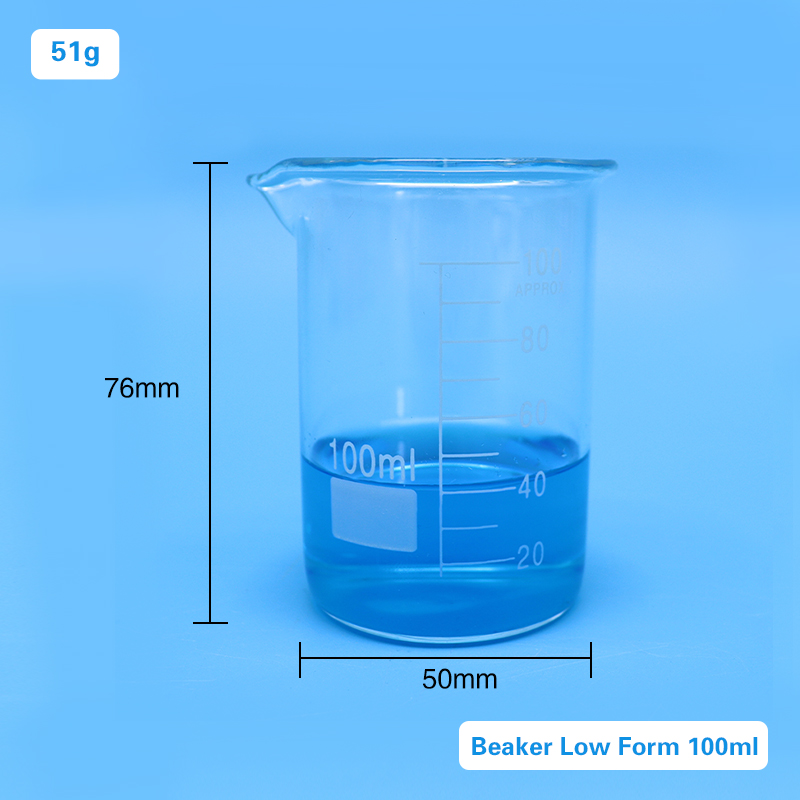
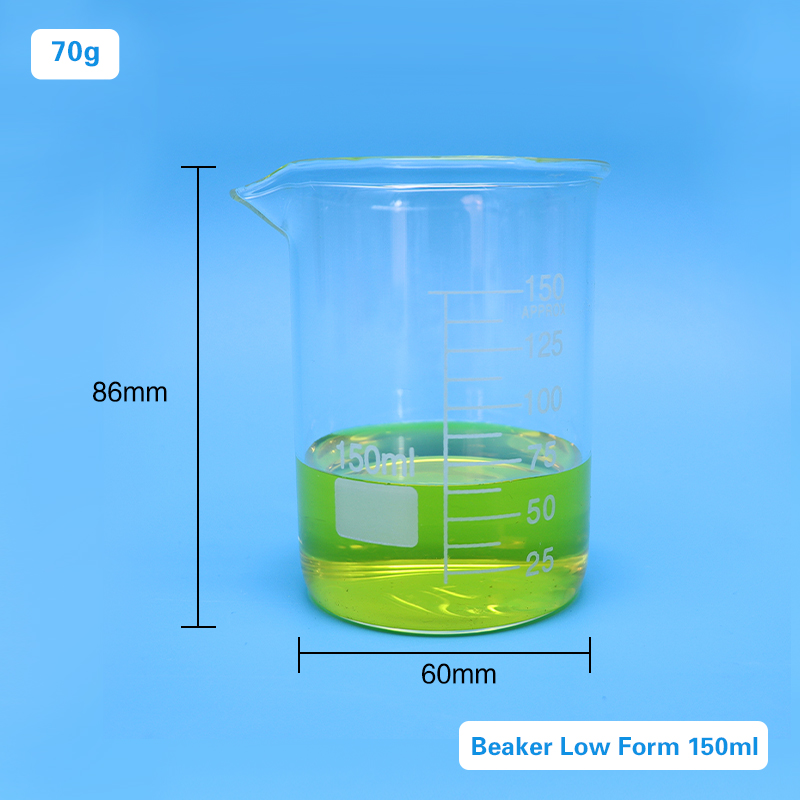
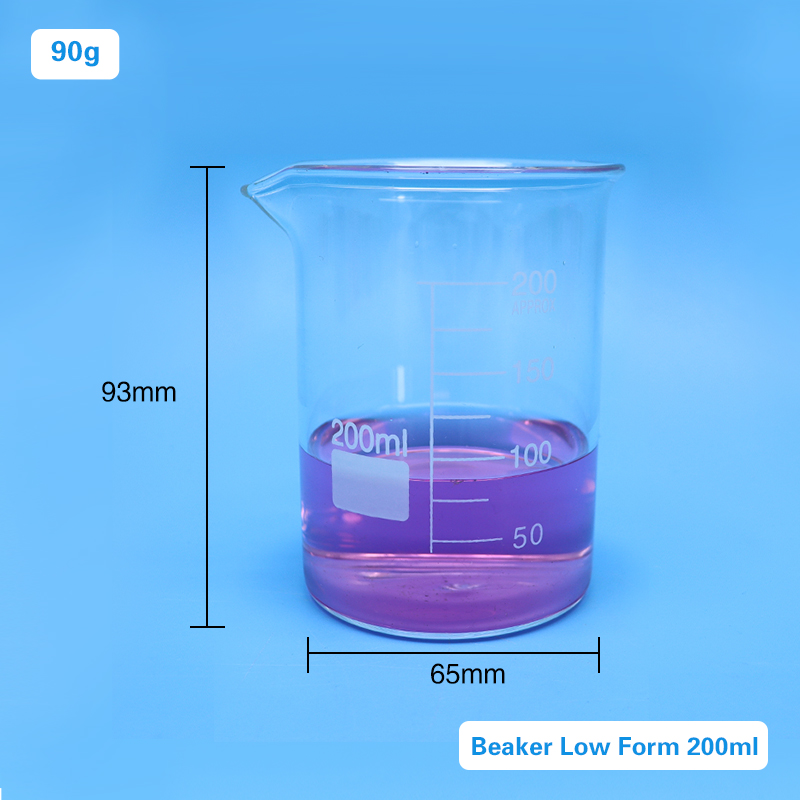
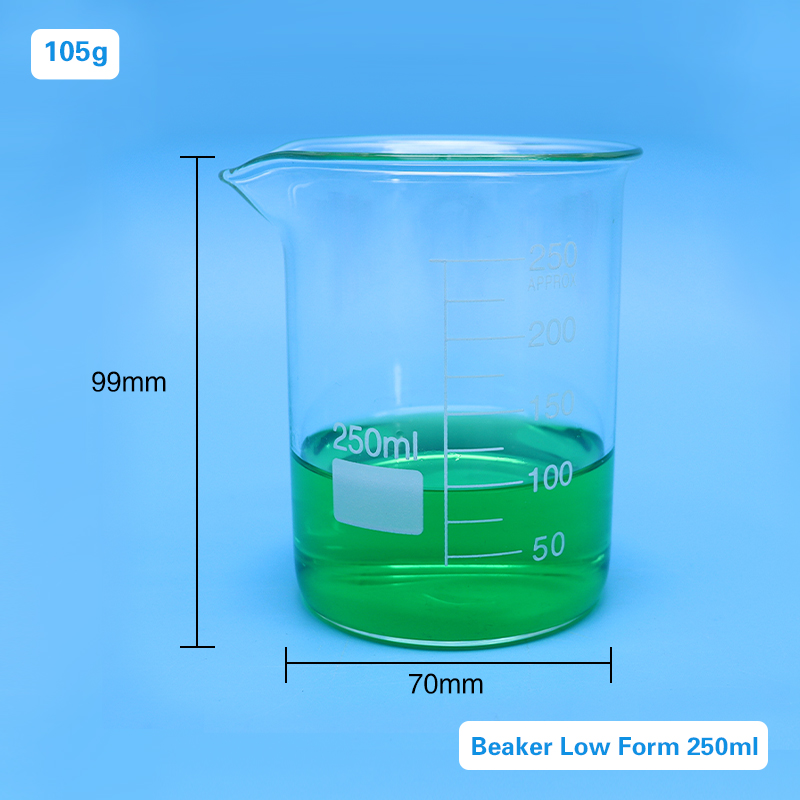
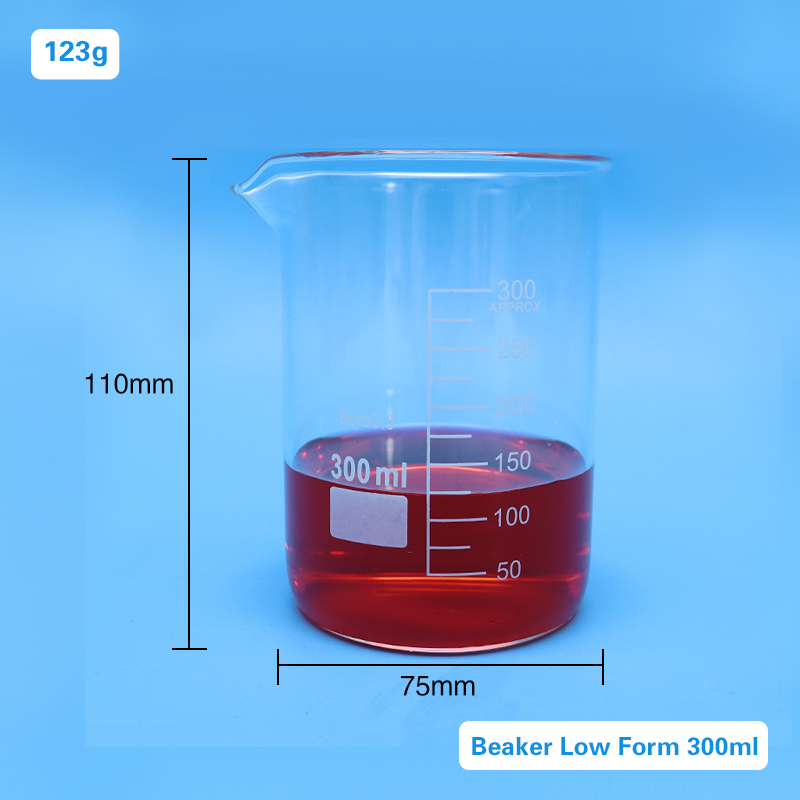
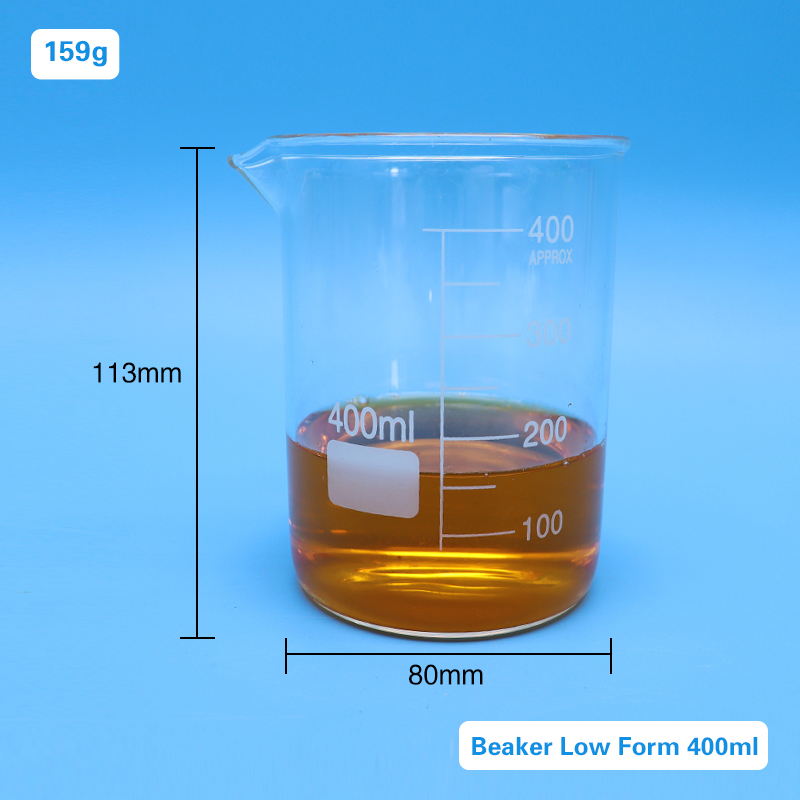
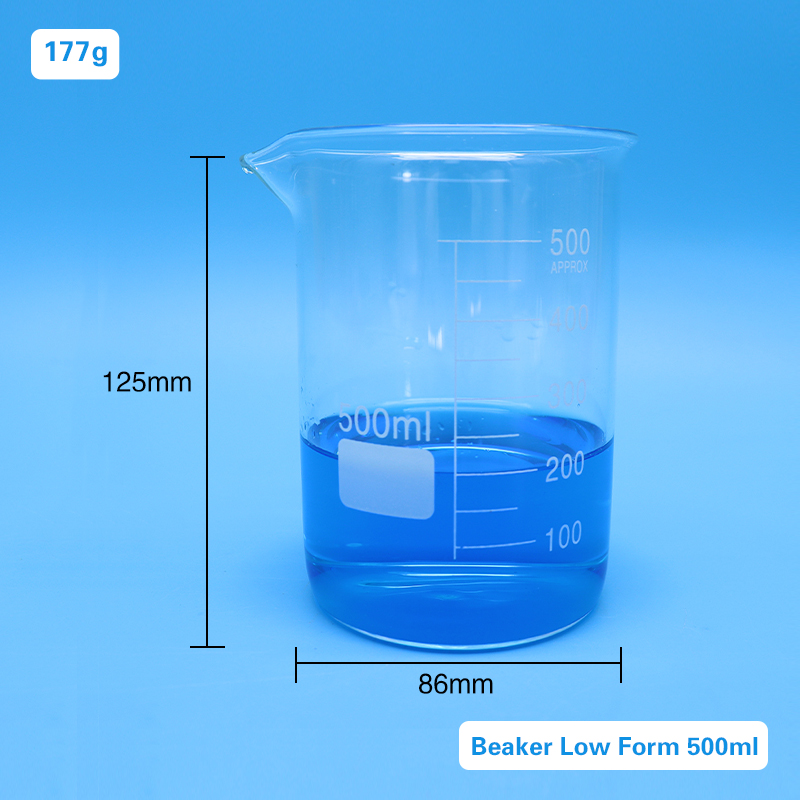
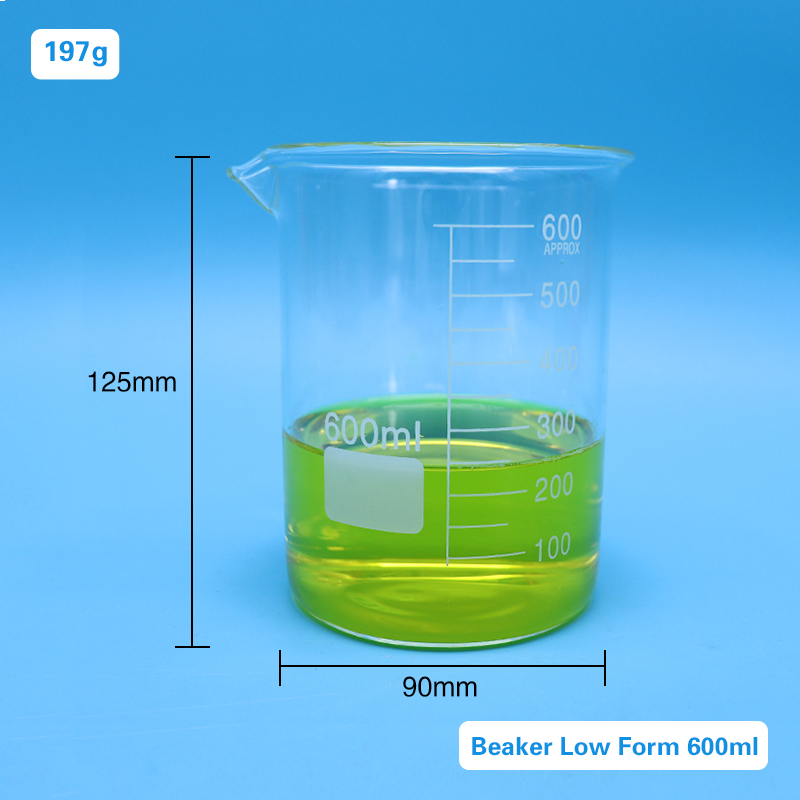
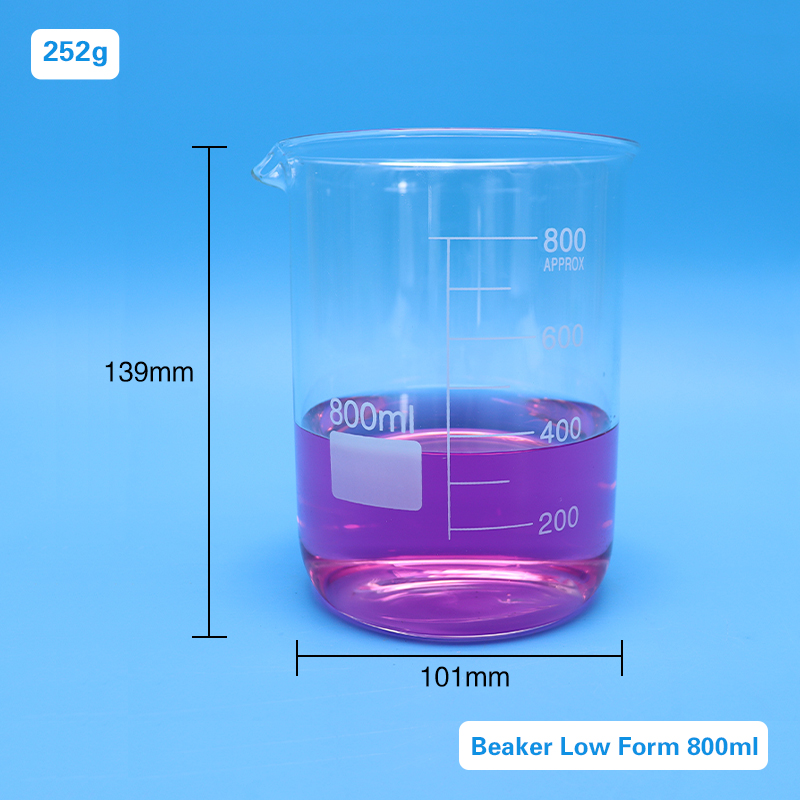
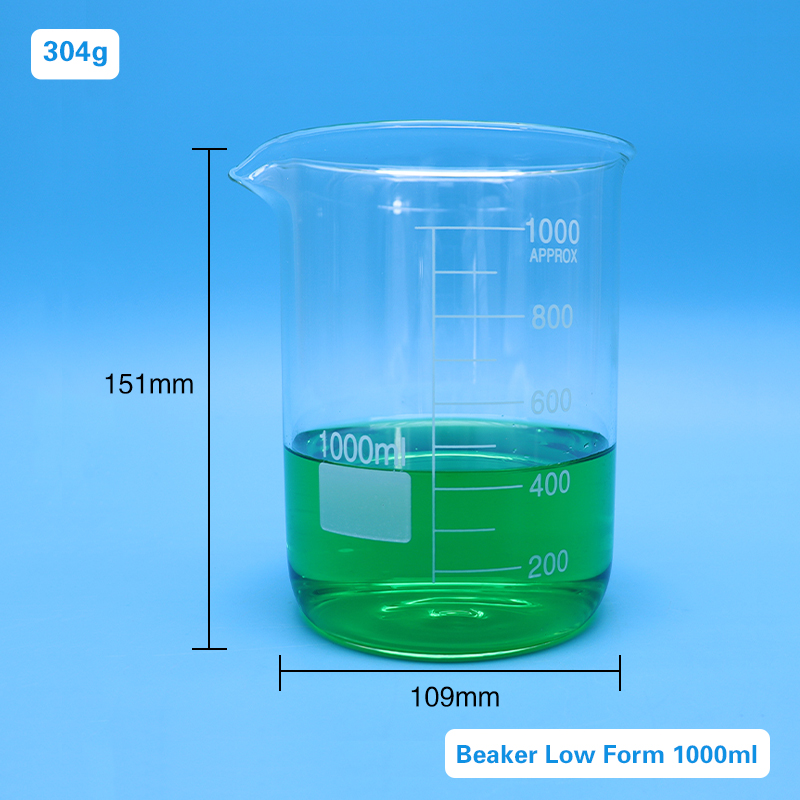
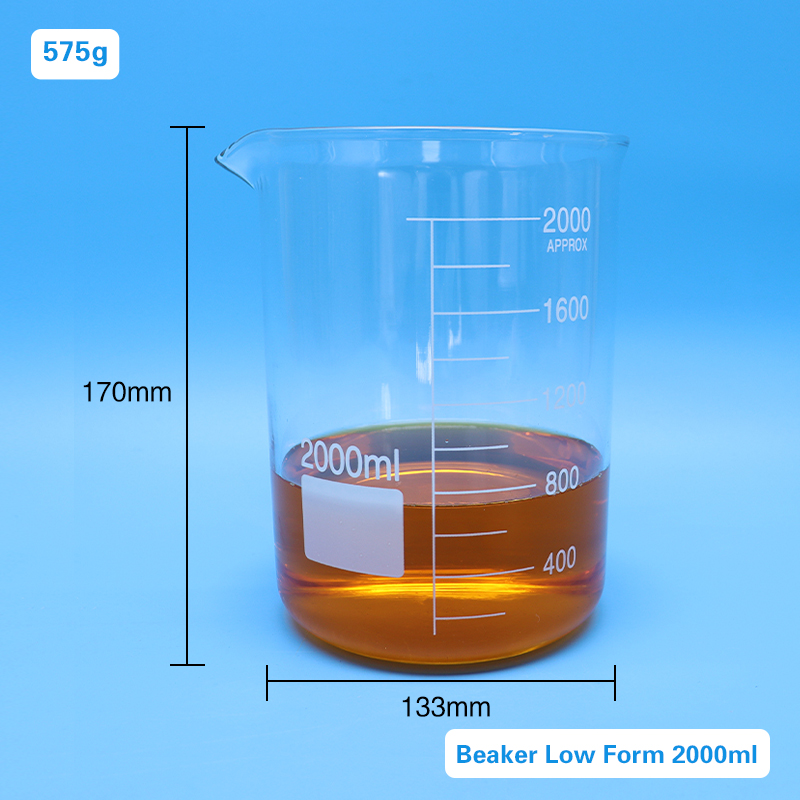
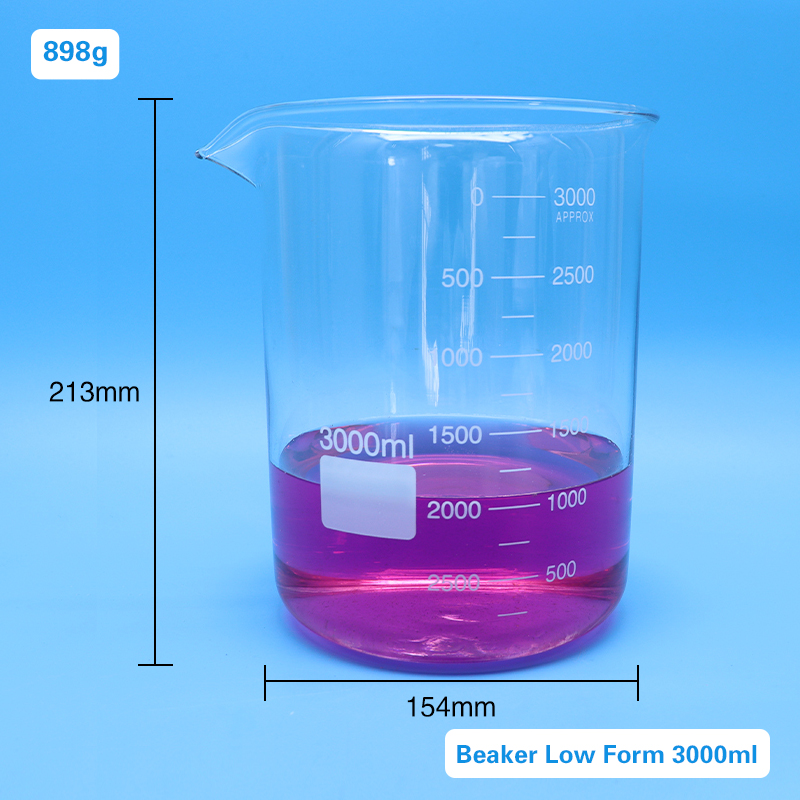
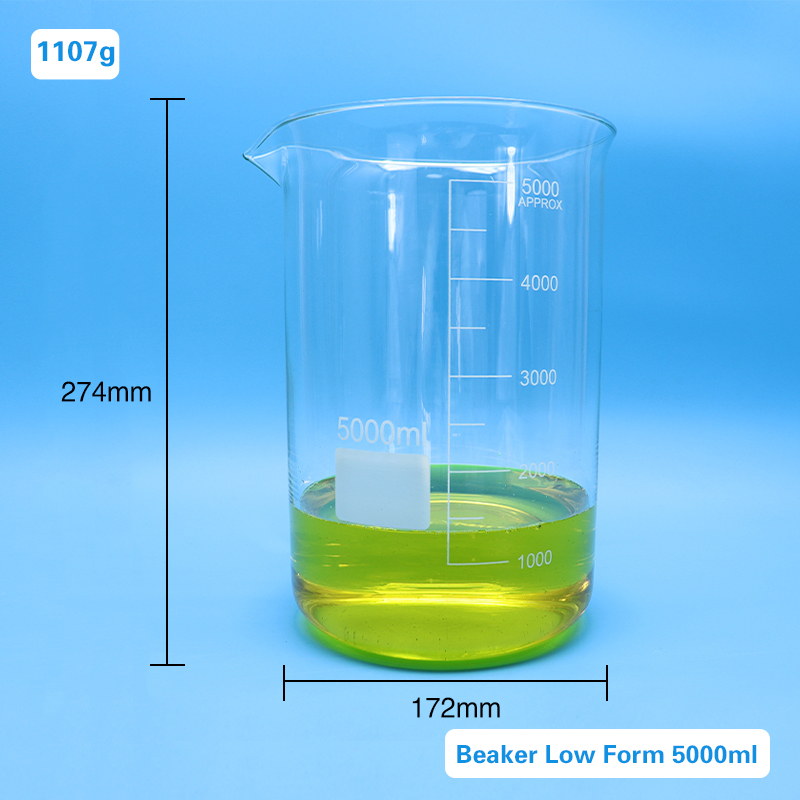
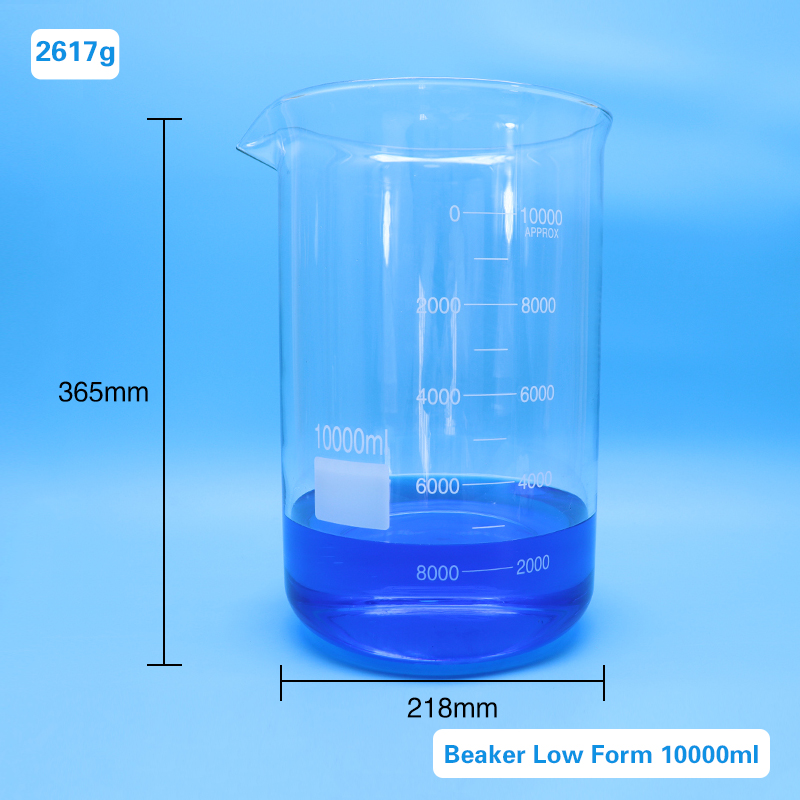
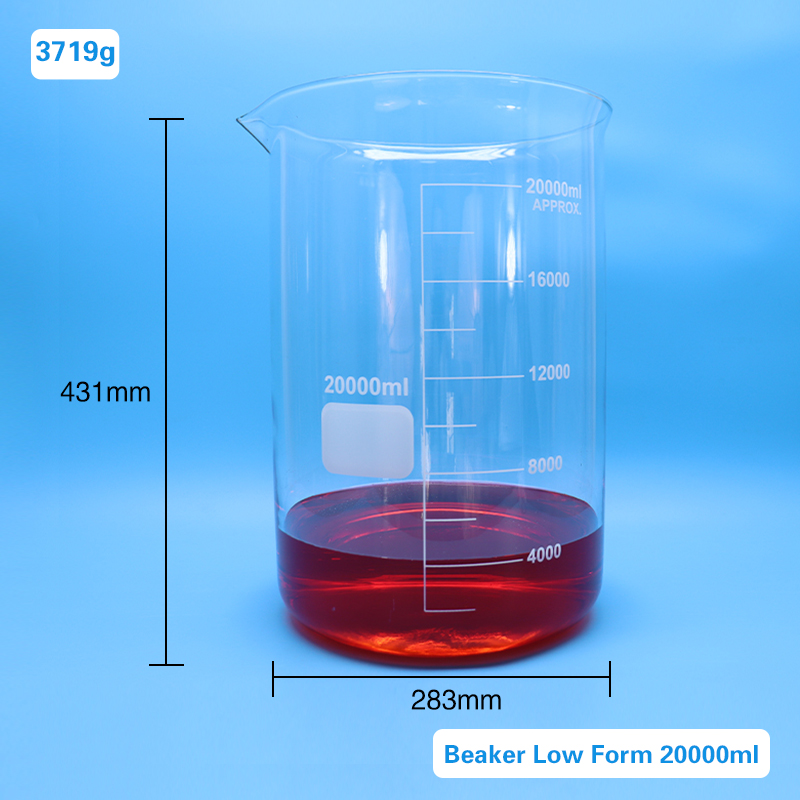
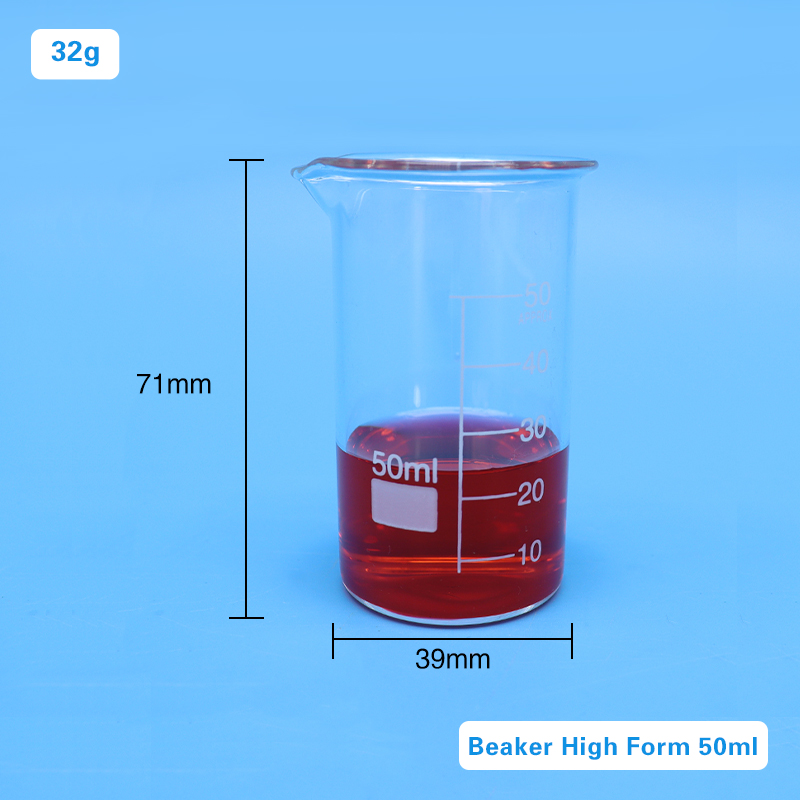
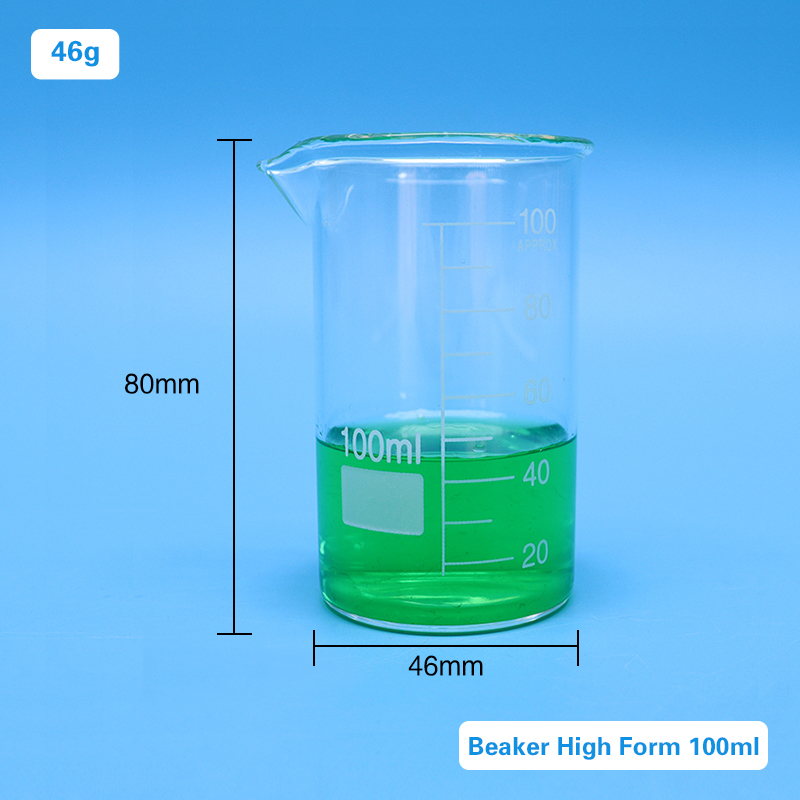
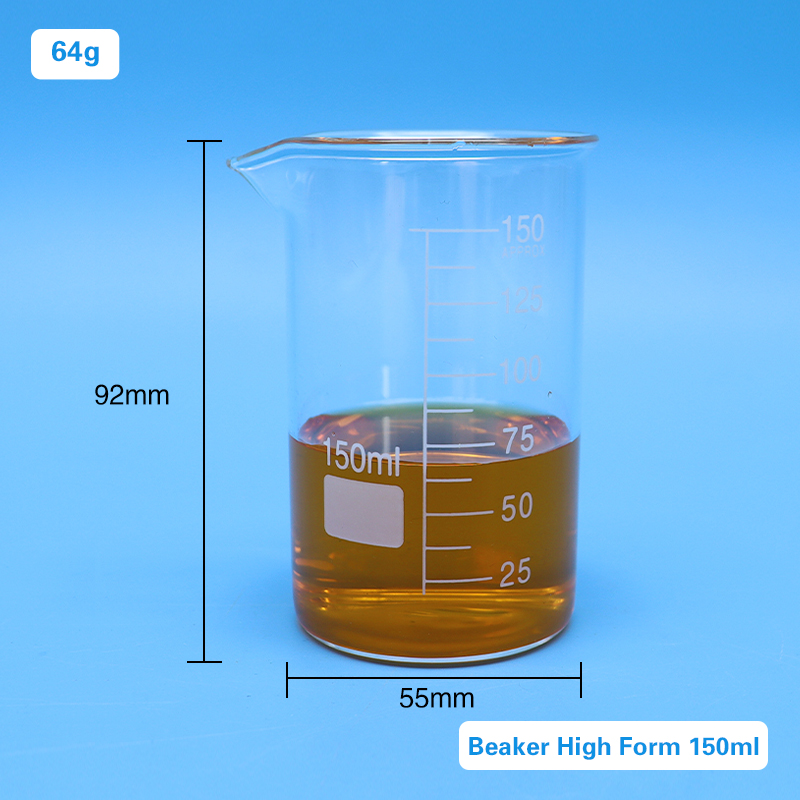
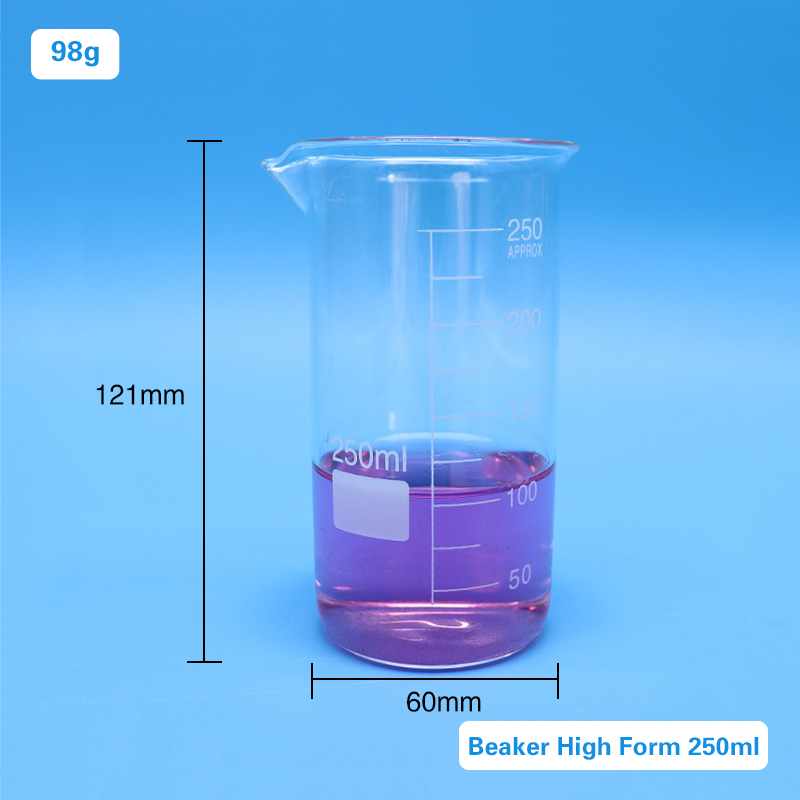
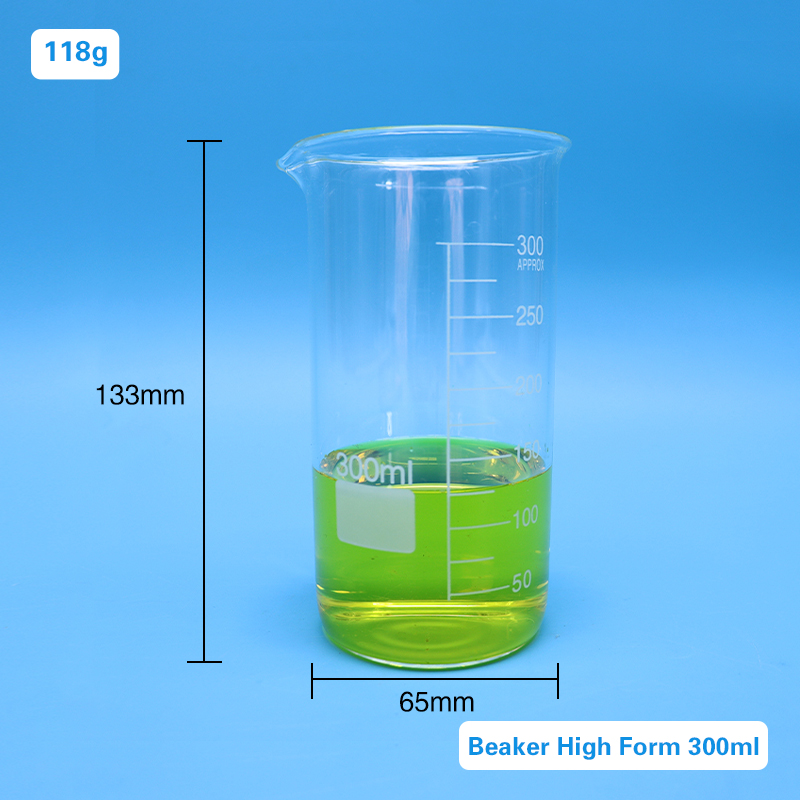
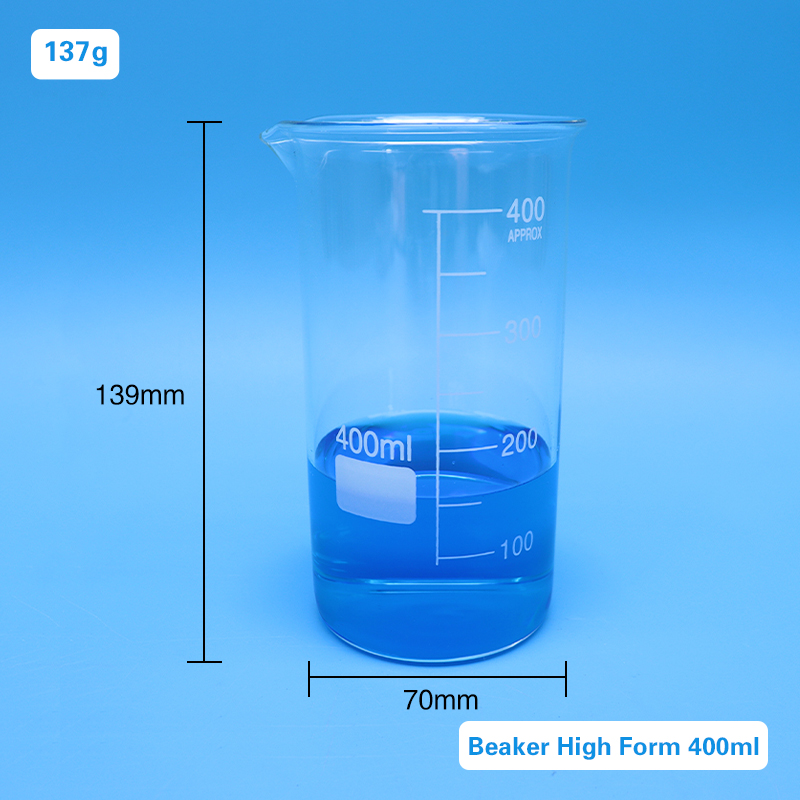
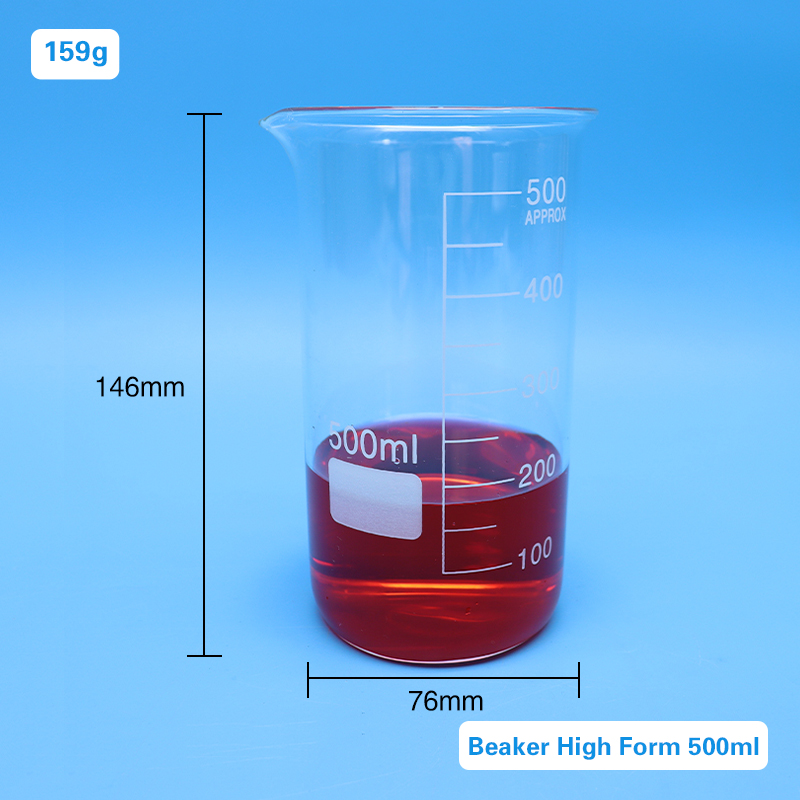
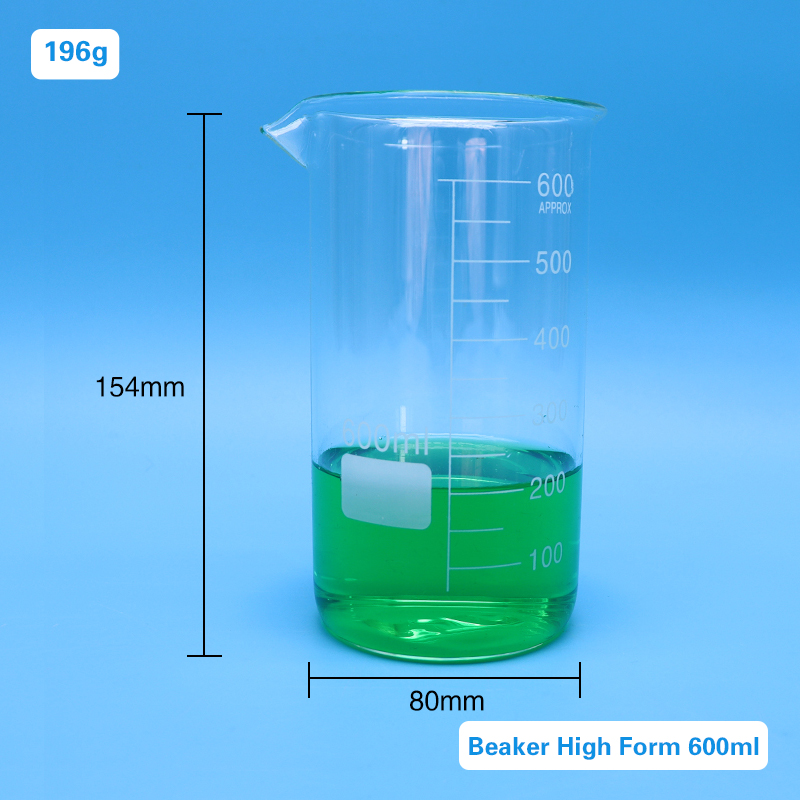
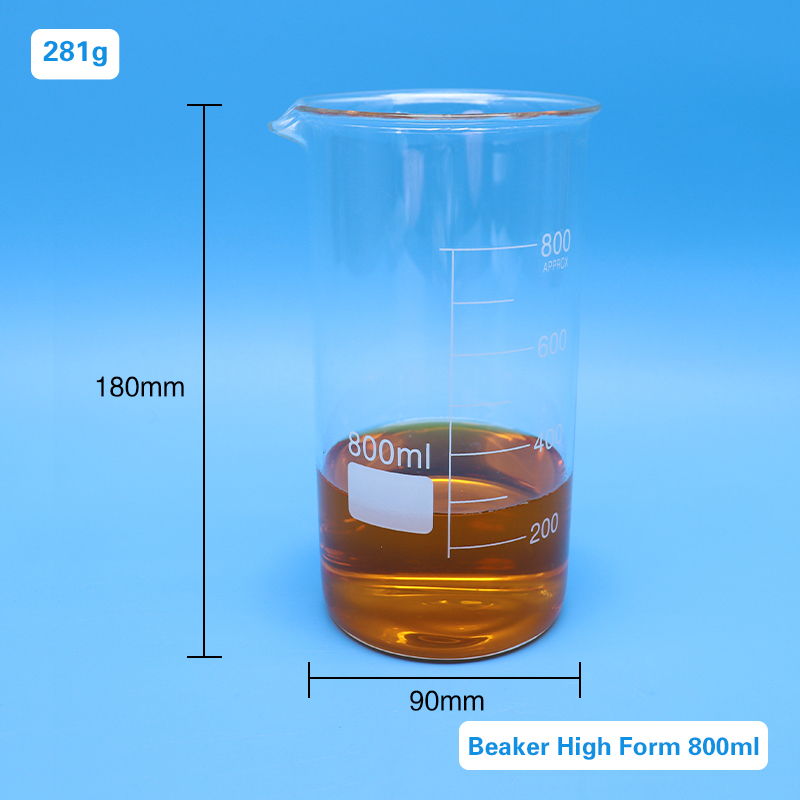
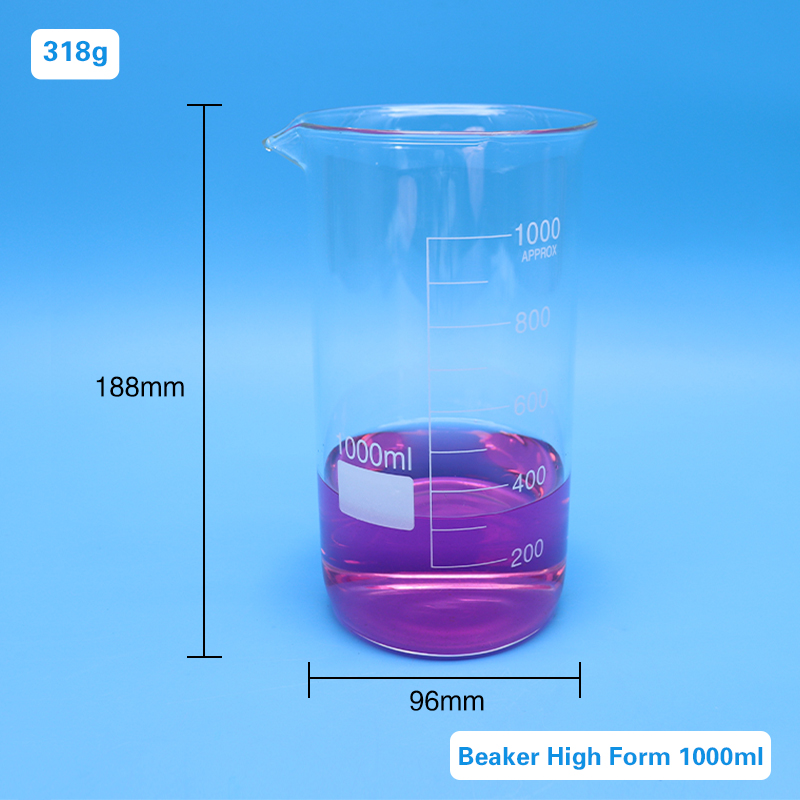
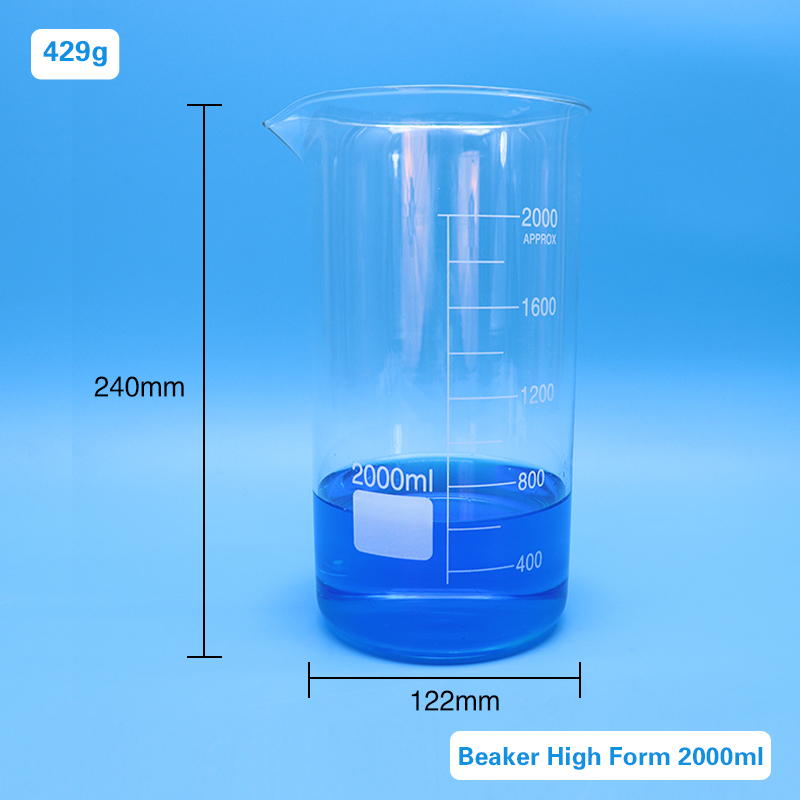
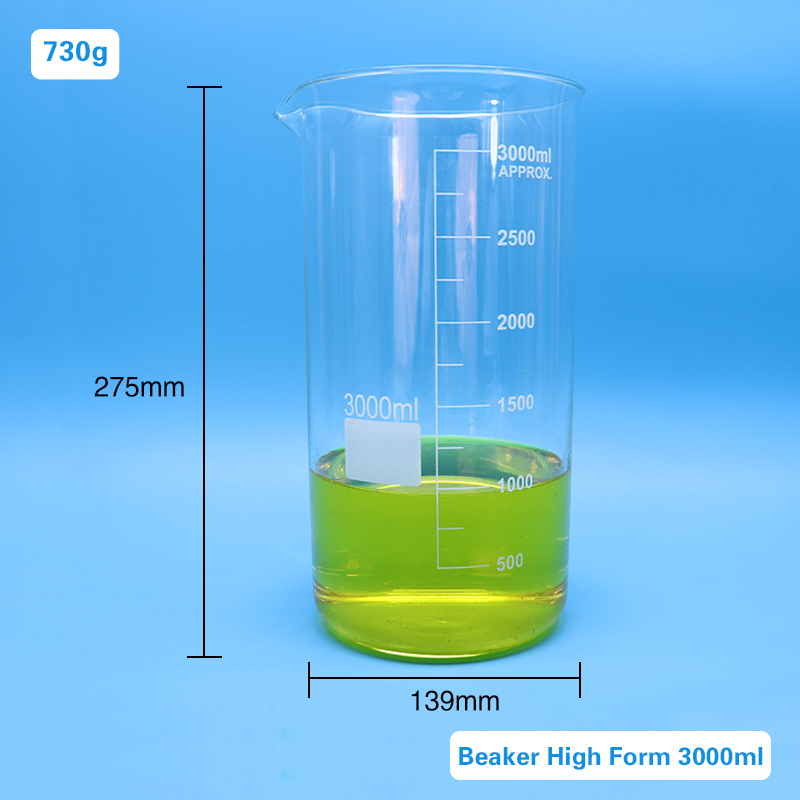
Boro 3.3 Glass Beaker Specs
| Description | Picture | Spec (ml) | Outer Diameter (mm) | Height (mm) | Weight (g) |
|---|---|---|---|---|---|
| Beaker Low Form |
|
5 | 22 | 31 | 6 |
| 10 | 25 | 39 | 9 | ||
| 25 | 35 | 56 | 23 | ||
| 50 | 41 | 61 | 29 | ||
| 100 | 50 | 76 | 51 | ||
| 150 | 60 | 86 | 70 | ||
| 200 | 65 | 93 | 90 | ||
| 250 | 70 | 99 | 105 | ||
| 300 | 75 | 110 | 123 | ||
| 400 | 80 | 113 | 159 | ||
| 500 | 86 | 125 | 177 | ||
| 600 | 90 | 125 | 197 | ||
| 800 | 101 | 139 | 252 | ||
| 1000 | 109 | 151 | 304 | ||
| 2000 | 133 | 170 | 575 | ||
| 3000 | 154 | 213 | 898 | ||
| 5000 | 172 | 274 | 1107 | ||
| 10000 | 218 | 365 | 2617 | ||
| 20000 | 283 | 431 | 3719 | ||
| Beaker High Form |
|
50 | 39 | 71 | 32 |
| 100 | 46 | 80 | 46 | ||
| 150 | 55 | 92 | 64 | ||
| 250 | 60 | 121 | 98 | ||
| 300 | 65 | 133 | 118 | ||
| 400 | 70 | 139 | 137 | ||
| 500 | 76 | 146 | 159 | ||
| 600 | 80 | 154 | 196 | ||
| 800 | 90 | 180 | 281 | ||
| 1000 | 96 | 188 | 318 | ||
| 2000 | 122 | 240 | 429 | ||
| 3000 | 139 | 275 | 730 |
Precautions For Use
- 1. Do not inject more than half of its capacity; too much can easily cause splashing.
- 2. When heating a beaker, place a wire gauze underneath to distribute the heat evenly.
- 3. Do not use products that are corroded, cracked, chipped, or scratched.
- 4. When heating, the outside of the beaker must be wiped dry.
Frequently Asked Questions
What are the main advantages of high borosilicate glass?
High borosilicate glass features an extremely low coefficient of thermal expansion, making it highly resistant to rapid temperature changes. It offers high strength, high chemical stability, and can withstand temperature differences of up to 200°C.
What is the sterilization standard for Boro 3.3 Glass Beakers?
The standard laboratory sterilization temperature for these beakers is 121°C or 134°C. The glass itself handles higher temperatures, and the matching cap can withstand temperatures up to 140°C.
What functions can a Boro 3.3 Glass Beaker serve in a laboratory?
It is highly versatile and can be used as a material reactor, to determine combustion products, to dissolve and crystallize substances, to hold solutions for evaporation, concentration, or heating, and to hold corrosive solids for weighing.
Why do I need to use wire gauze when heating a beaker?
Placing a wire gauze underneath the beaker during heating helps distribute the heat evenly across the flat bottom, preventing localized thermal stress that could crack or shatter the glass.
Can I use a glass beaker that has minor scratches?
No, you should never use glass beakers that are corroded, cracked, chipped, or scratched. Physical imperfections act as stress points and significantly increase the risk of breakage under thermal or chemical stress.