

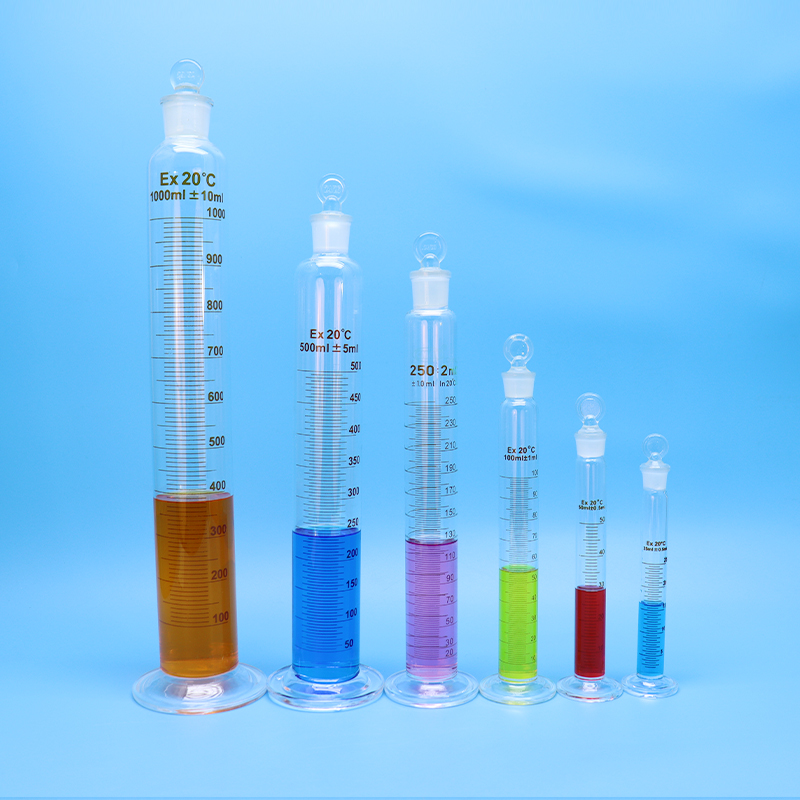

Borosilicate Glass Measuring Cylinder - China Suppliers and Factory for Lab Use, 5ml-2000ml Volume Range
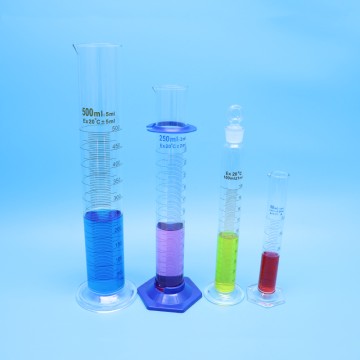
Glass Measuring Cylinder
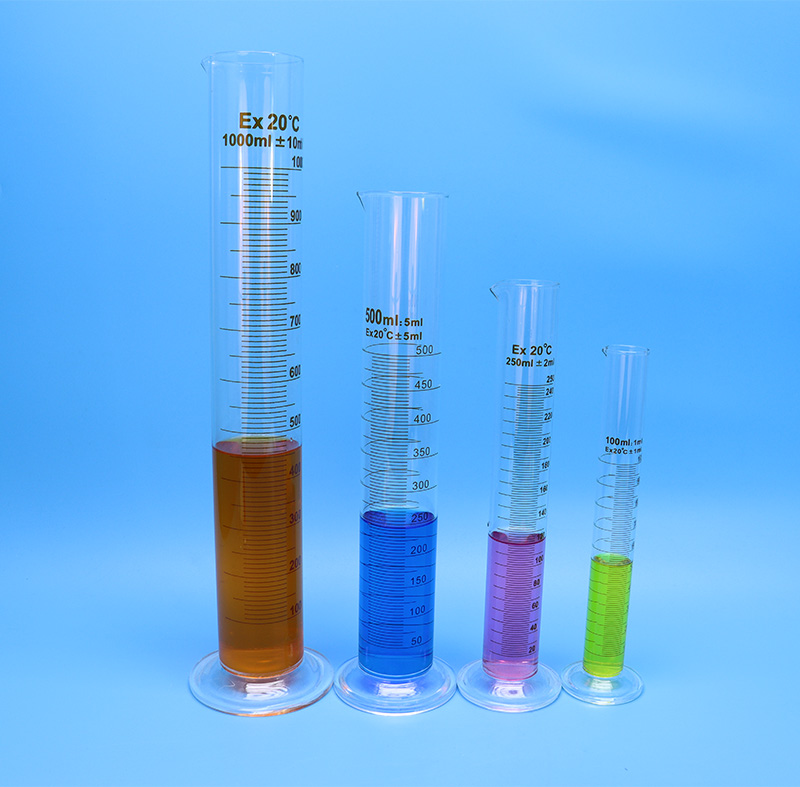
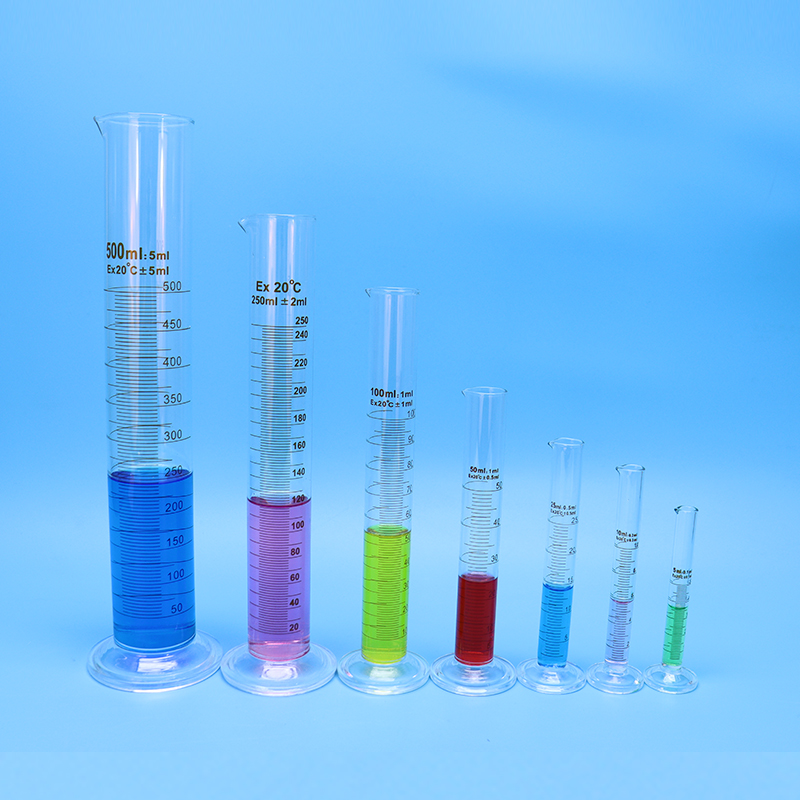
Round Base
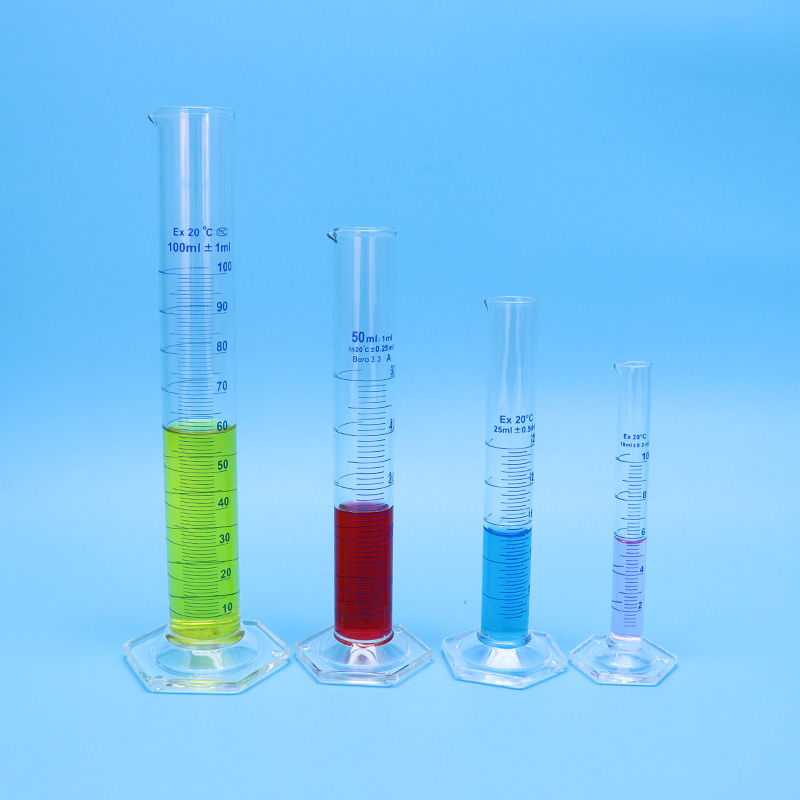
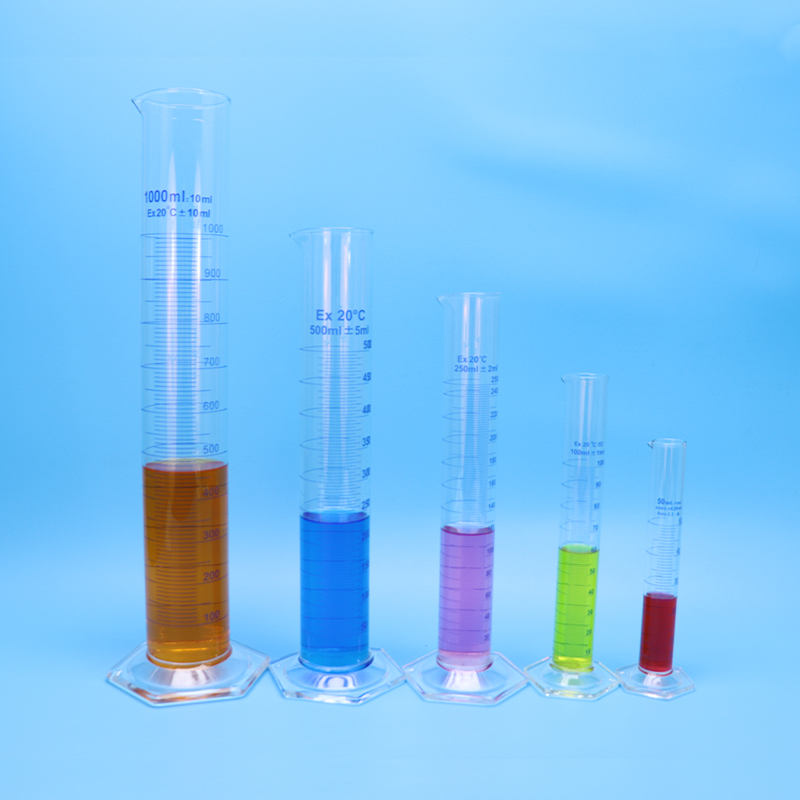
Hexagon Base
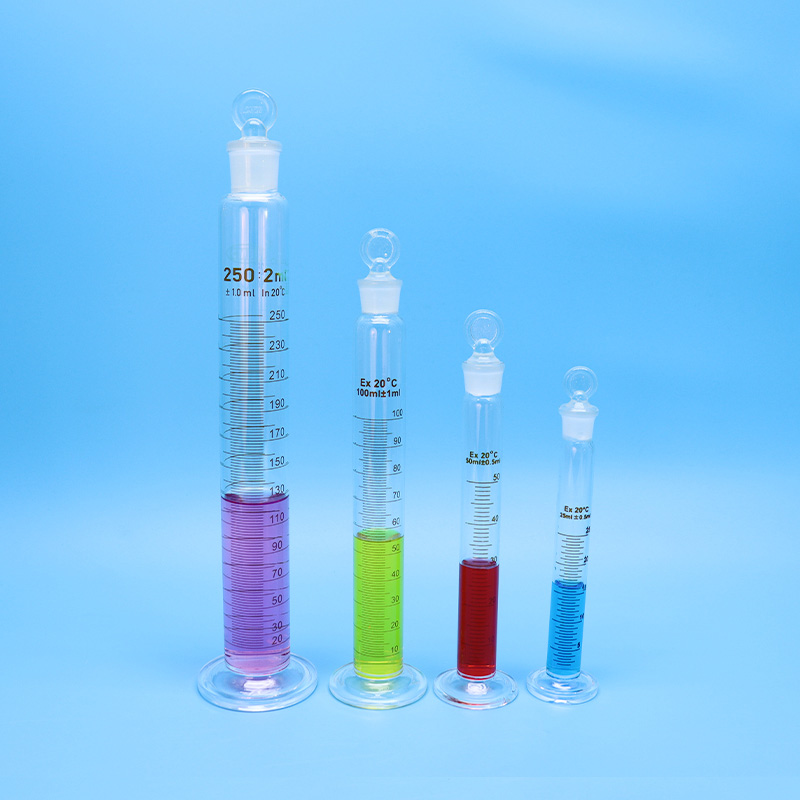
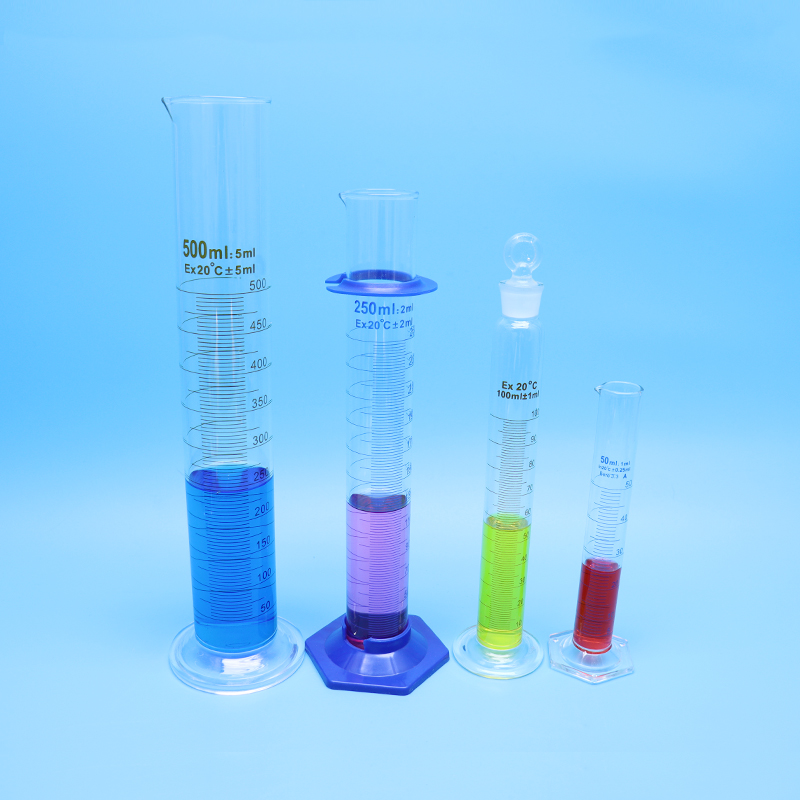
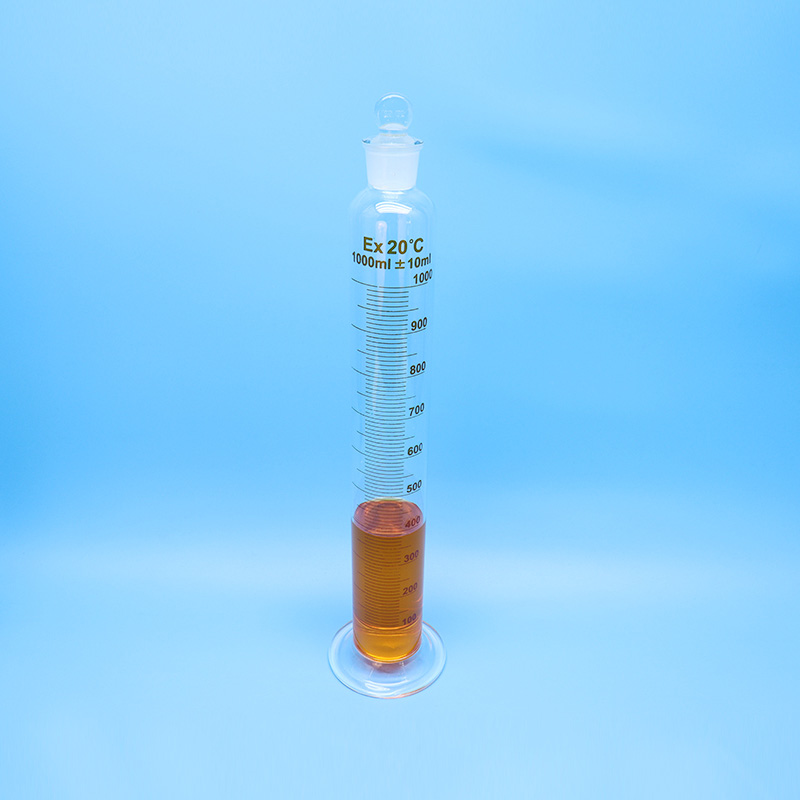
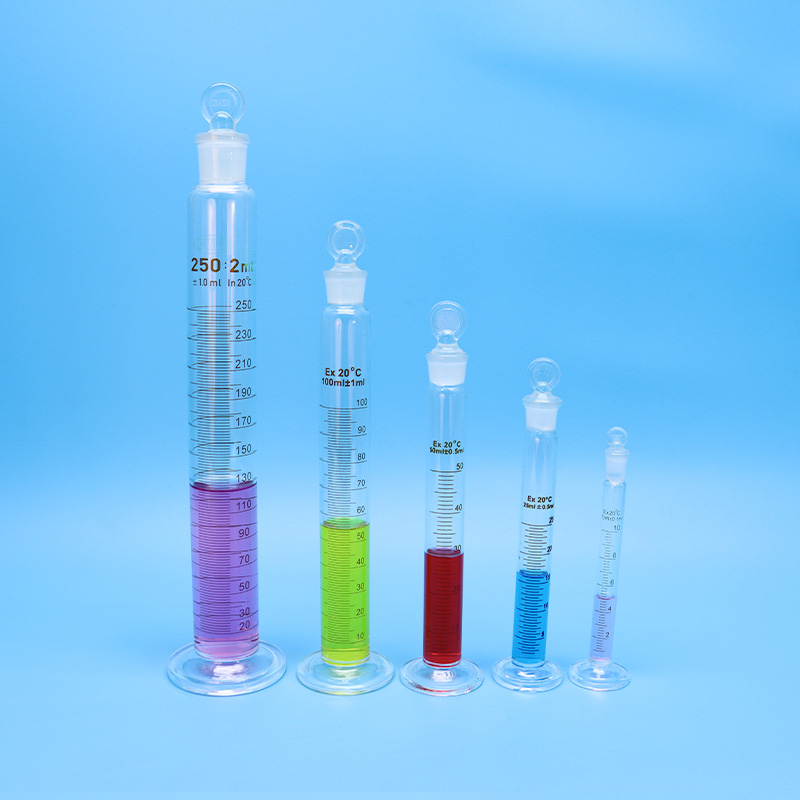
With Glass Stopper
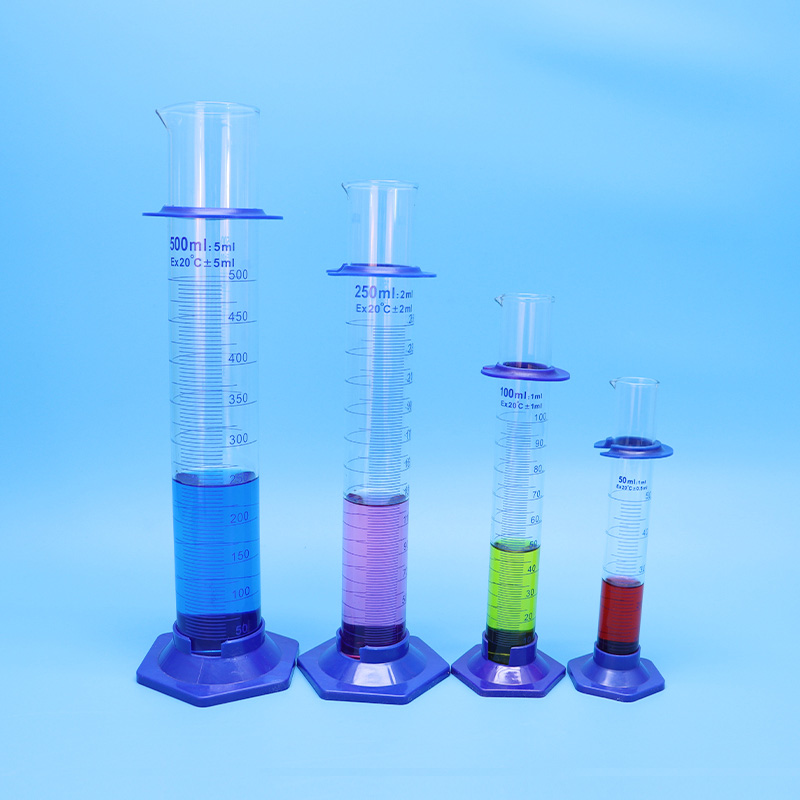
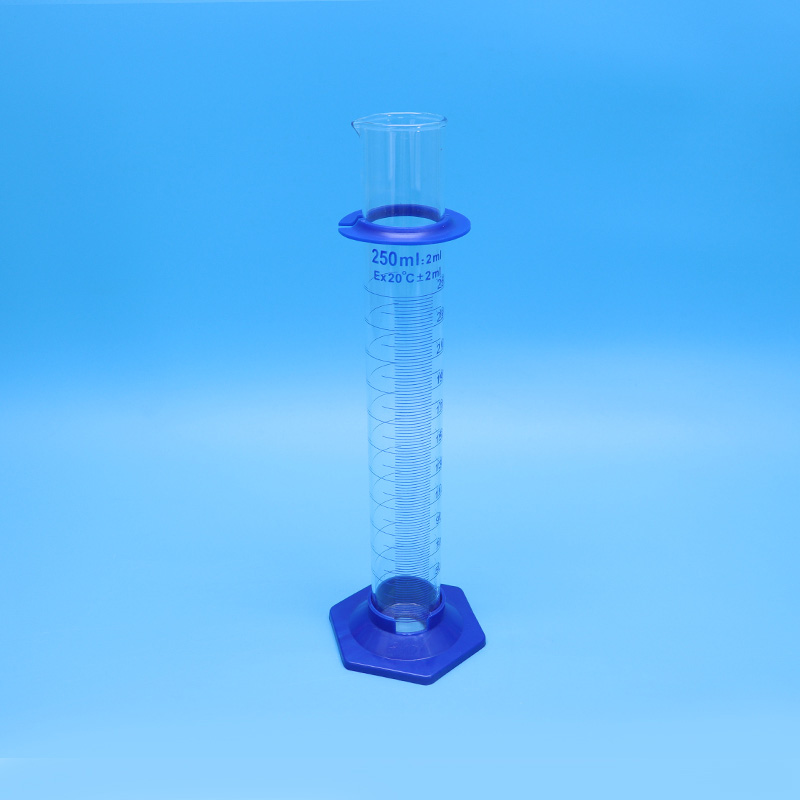
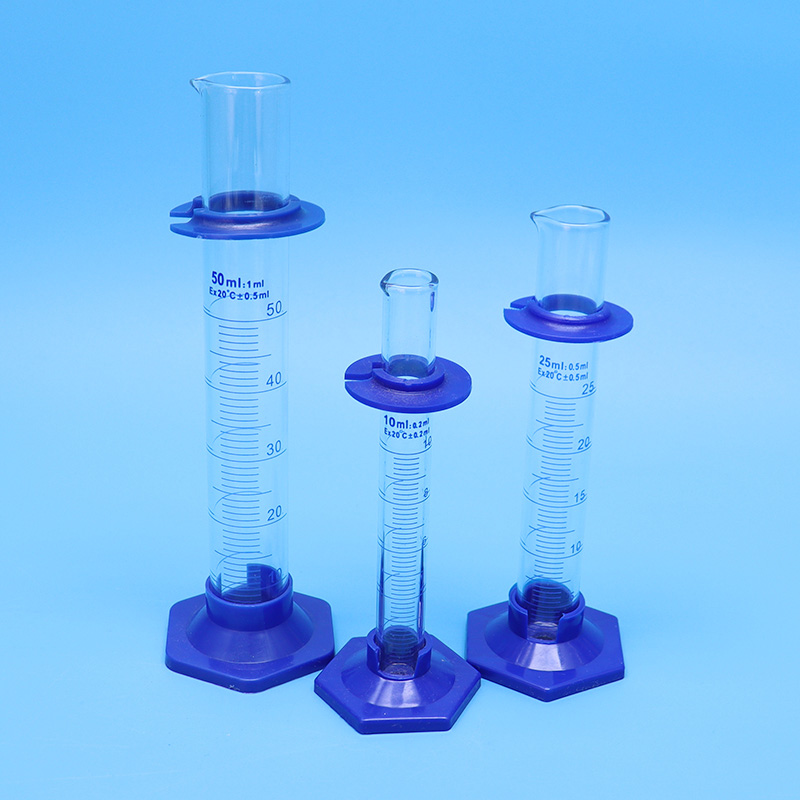
With Plastic Hexagon Base & Guard Ring
Product Show
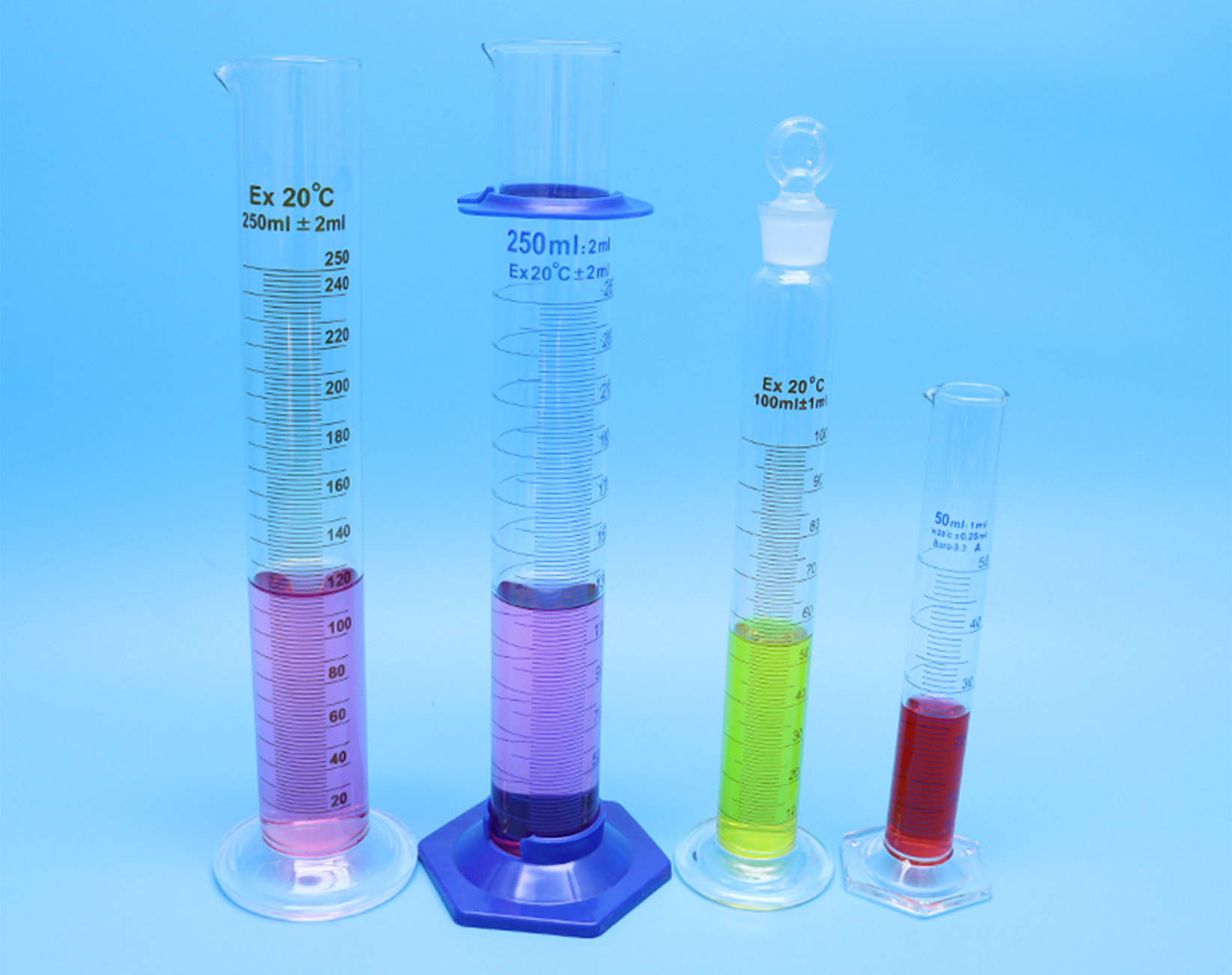
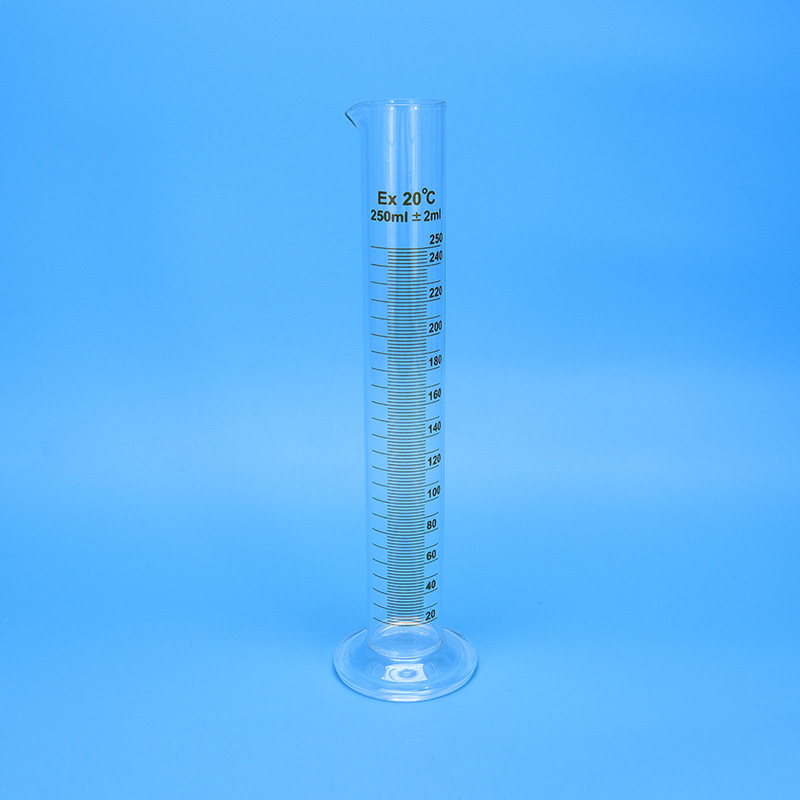
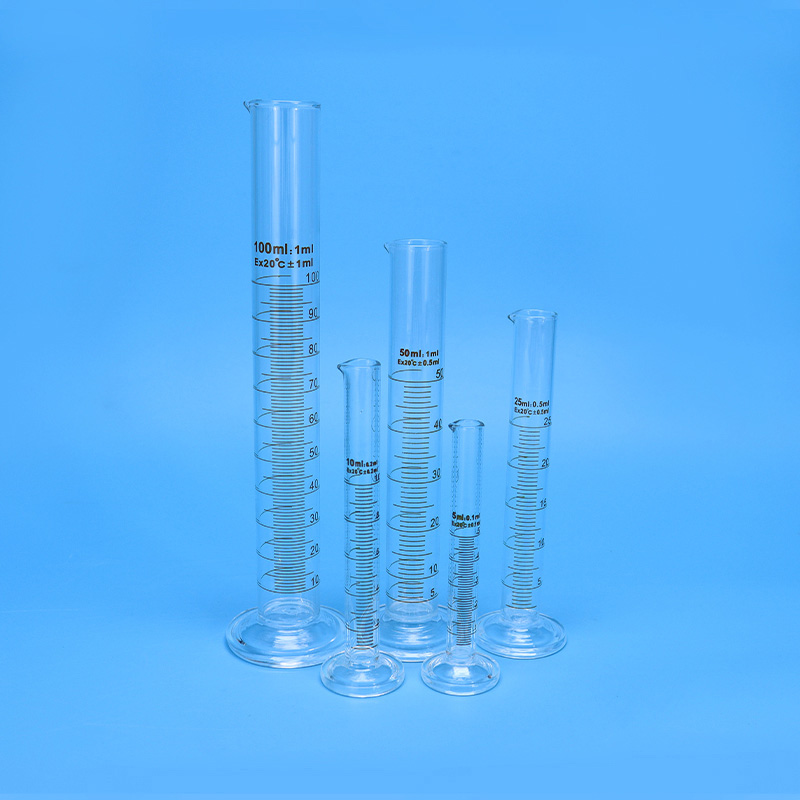
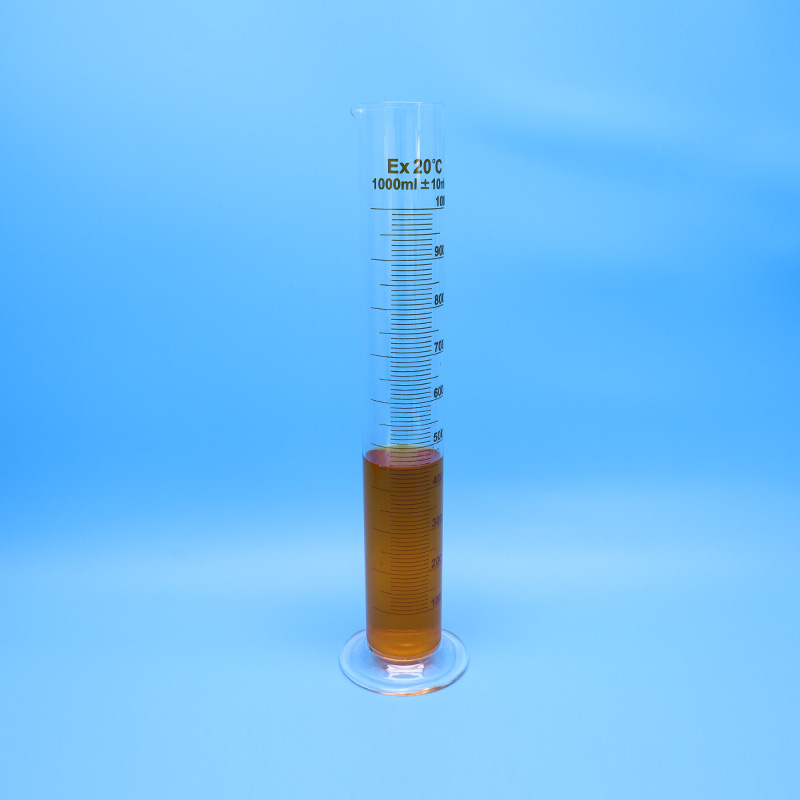
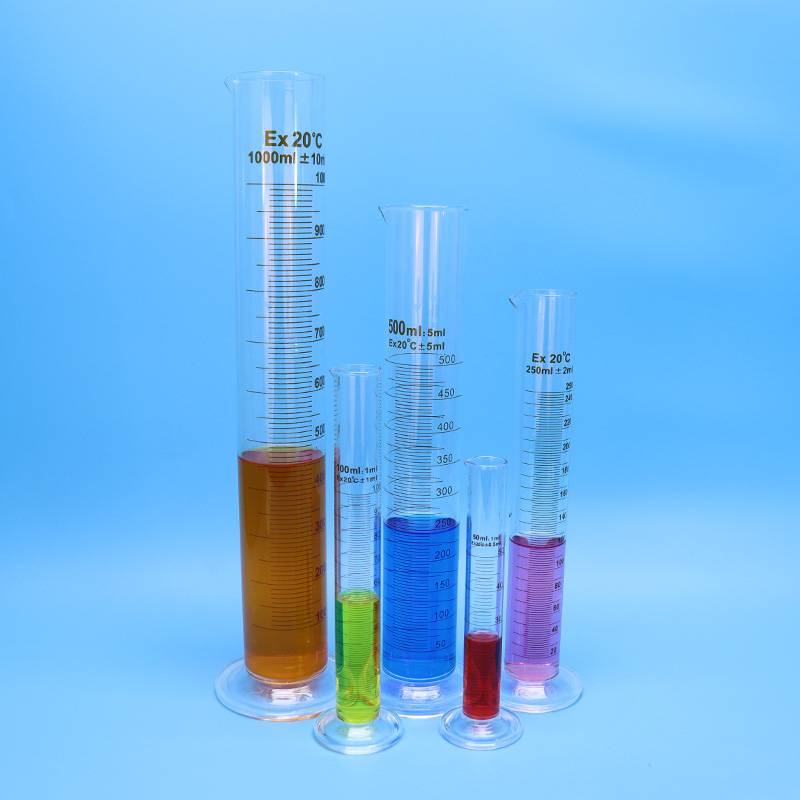
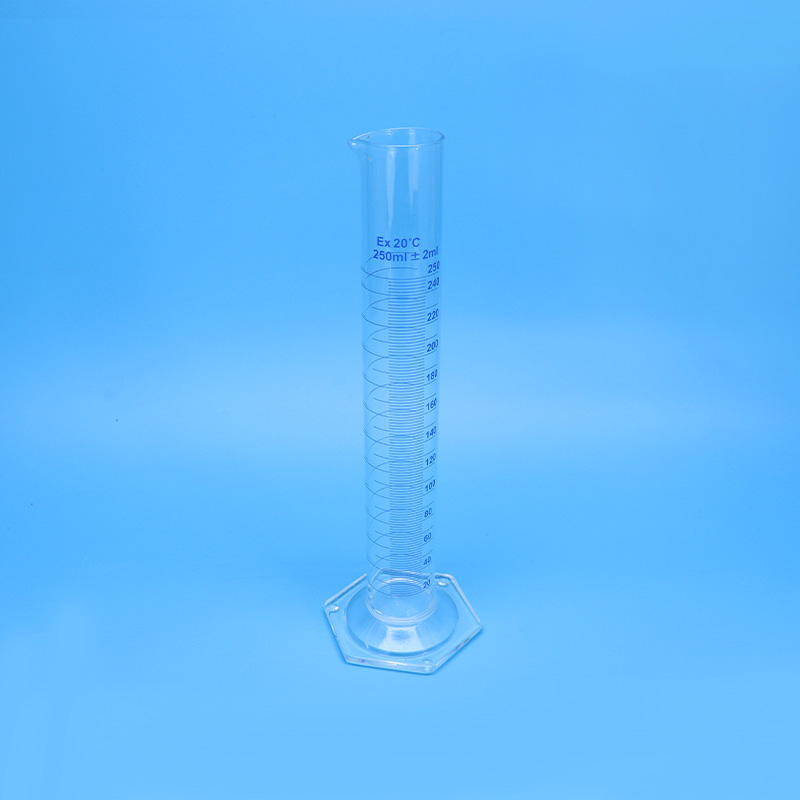
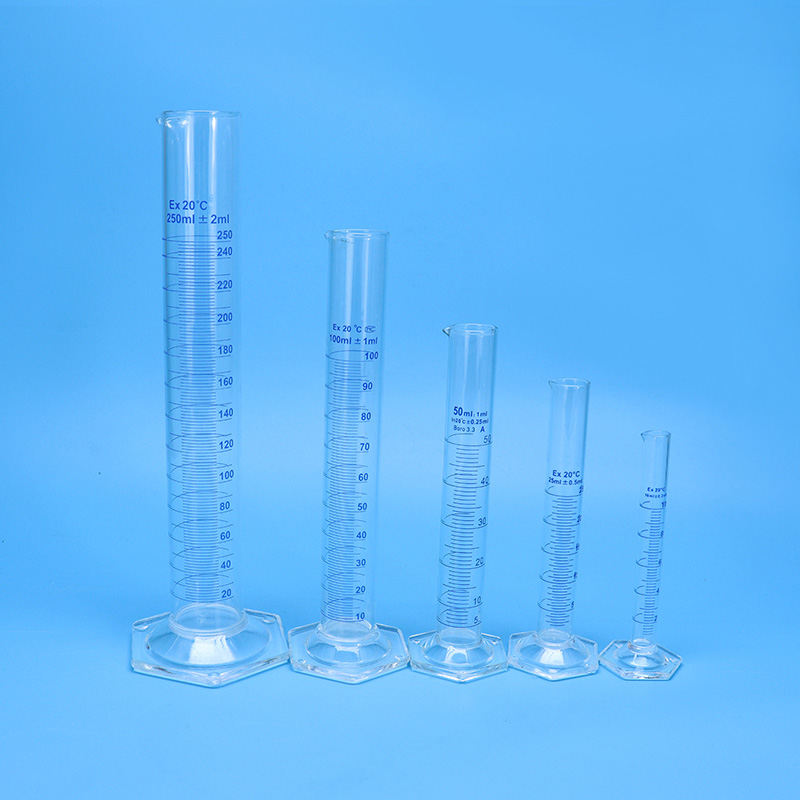
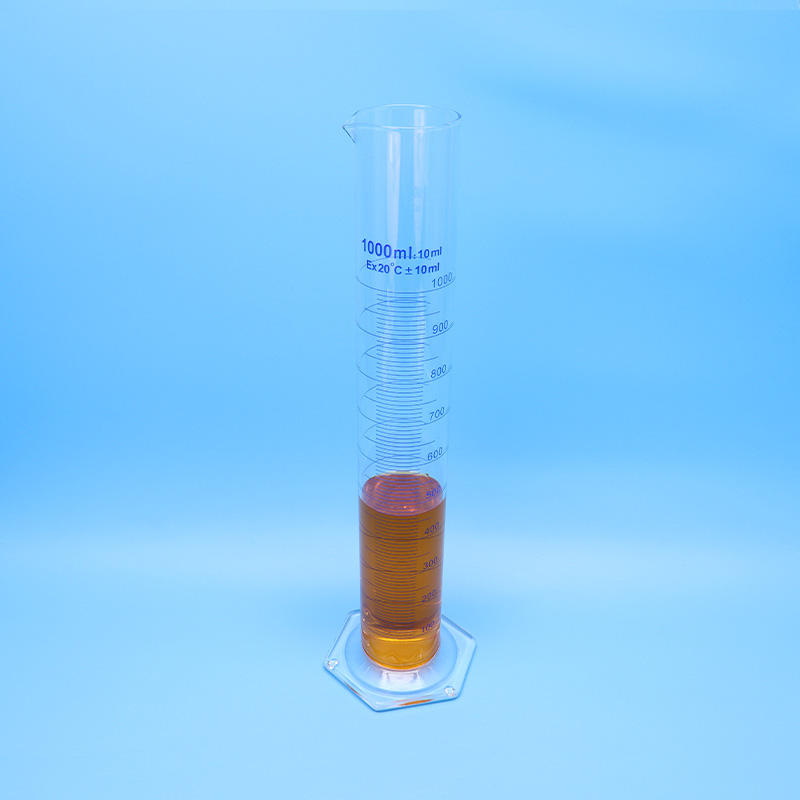
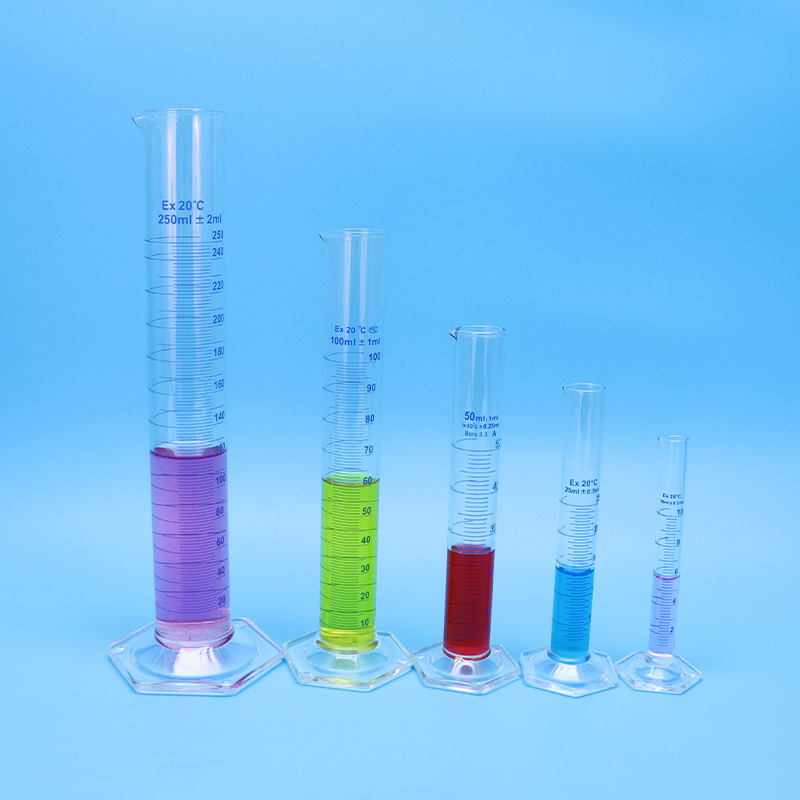
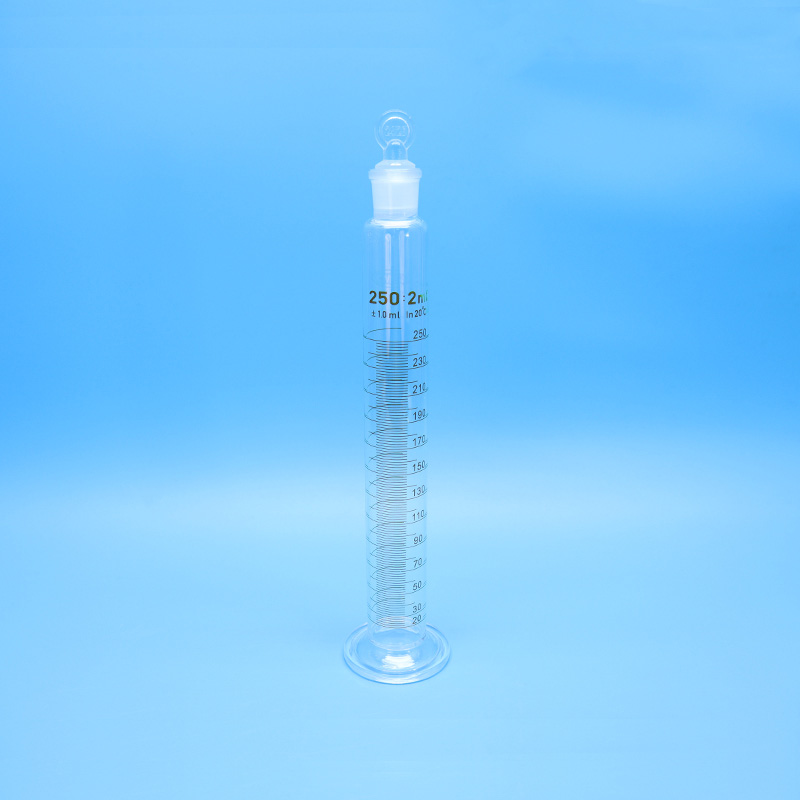
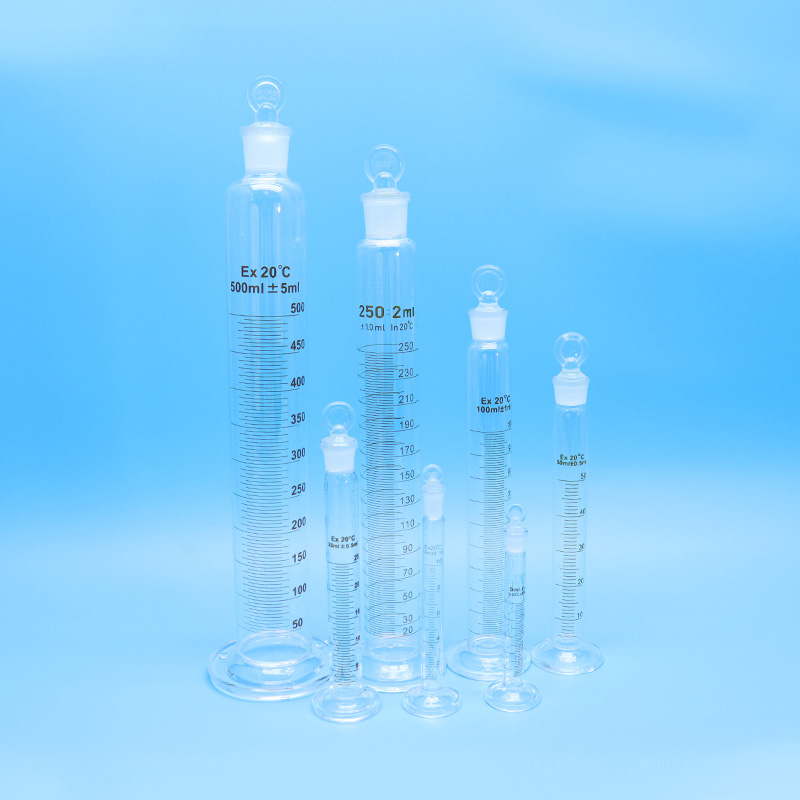
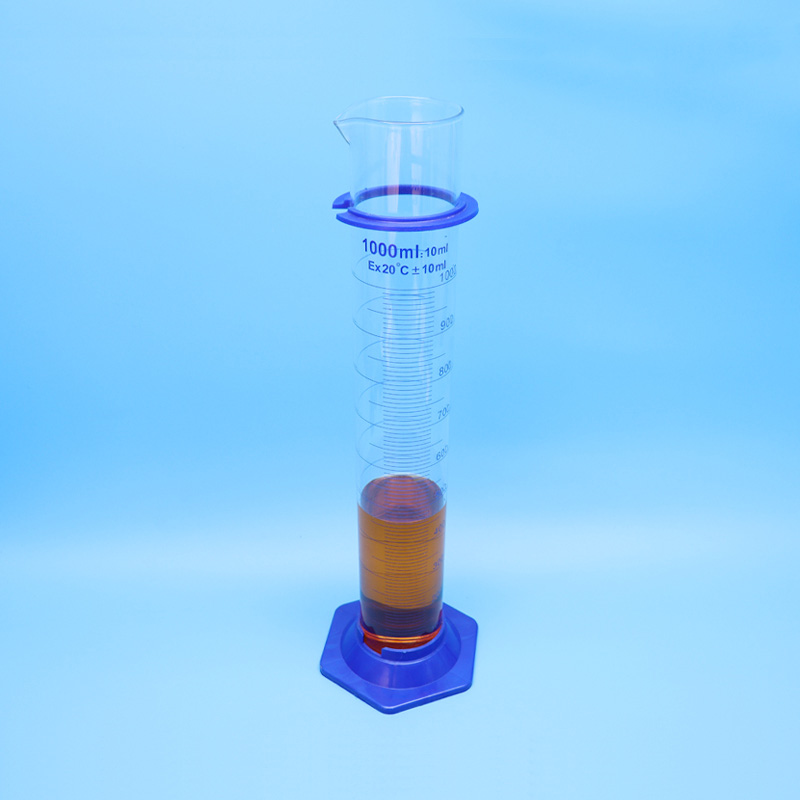
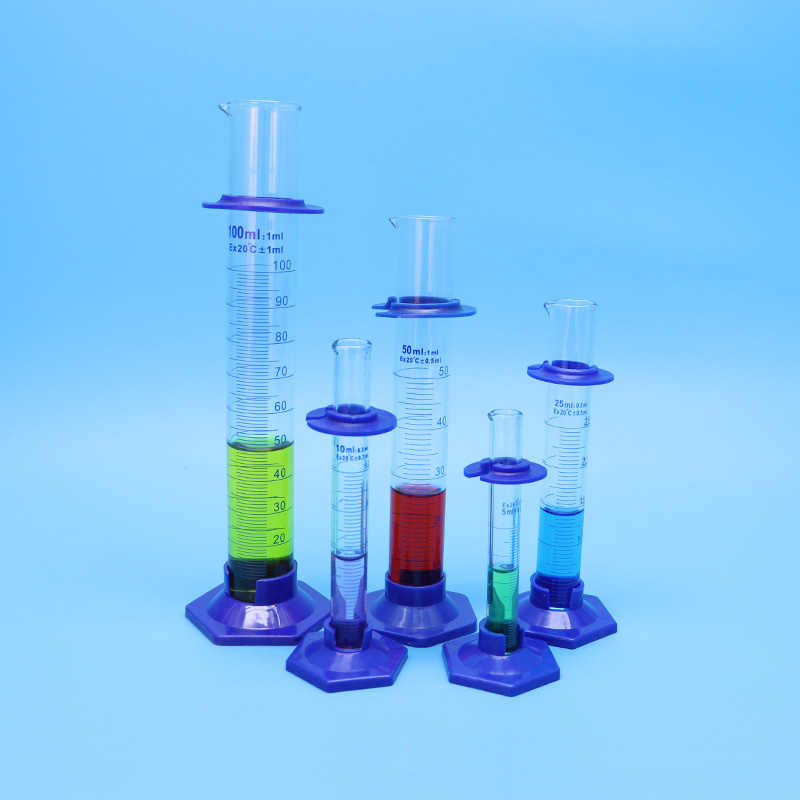
Product Details Show
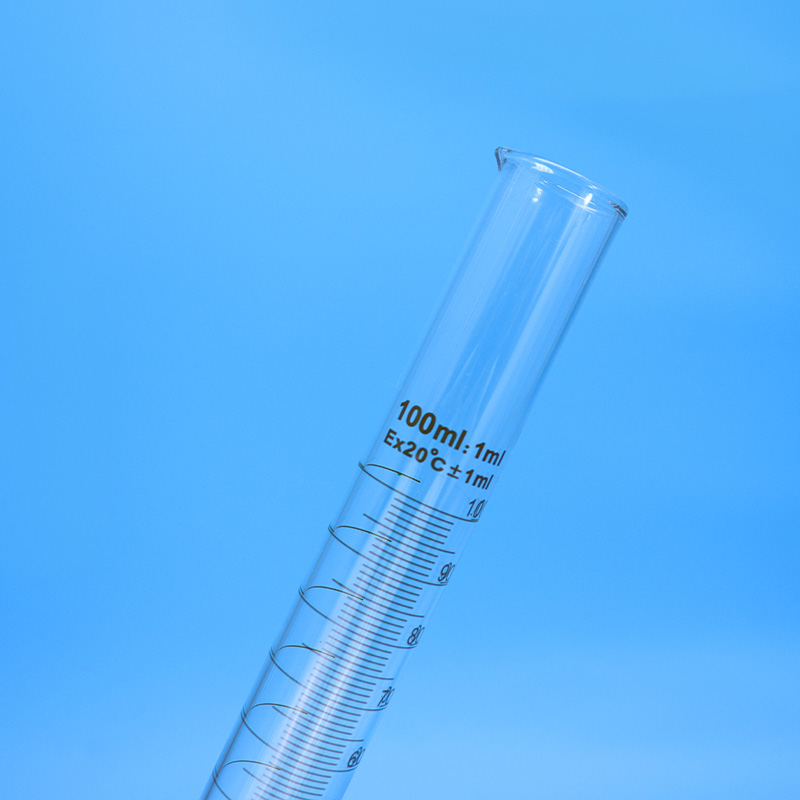
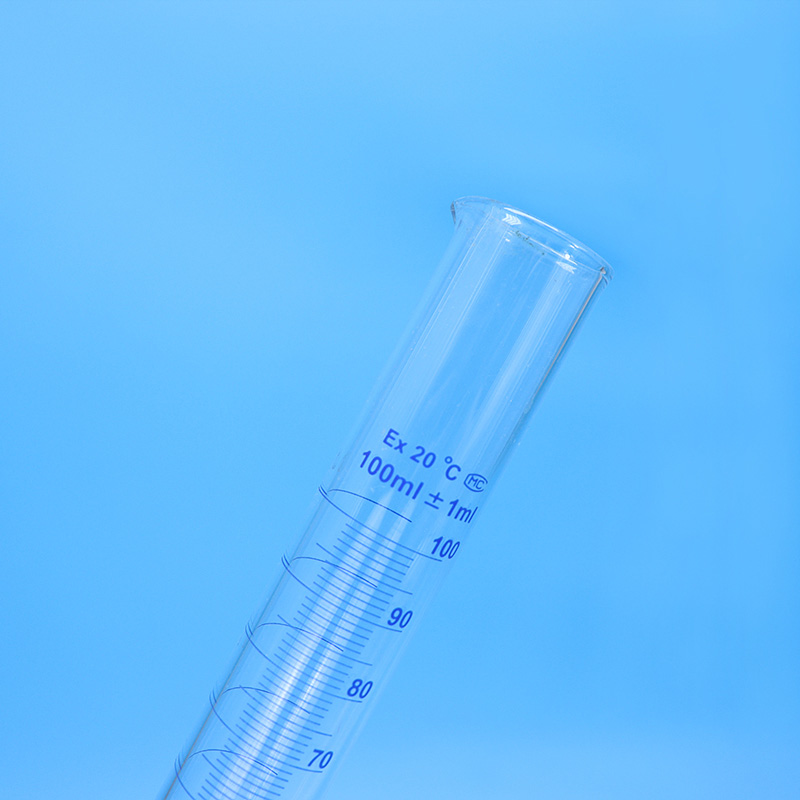
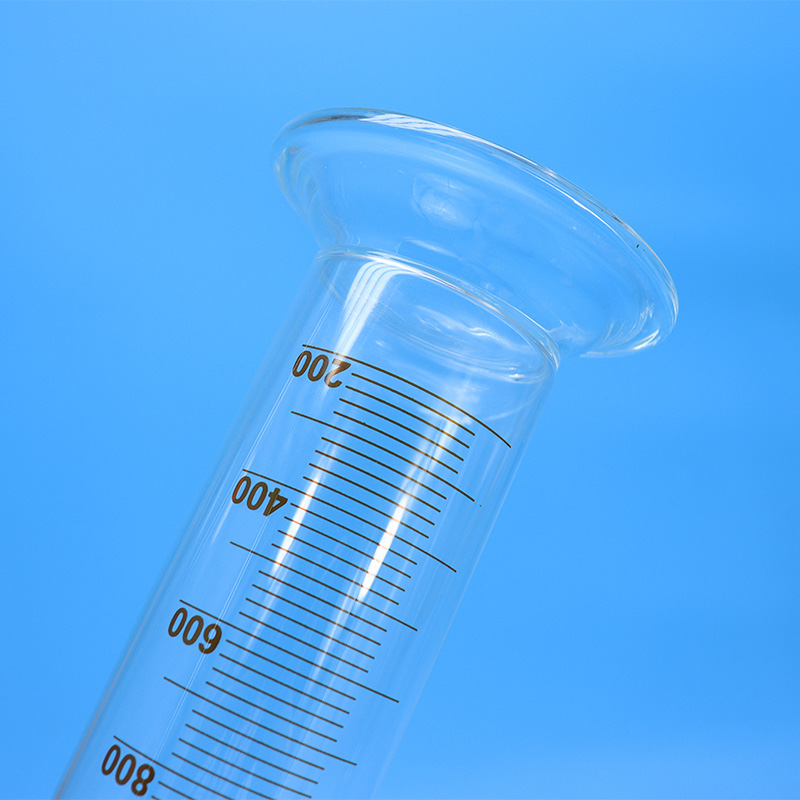
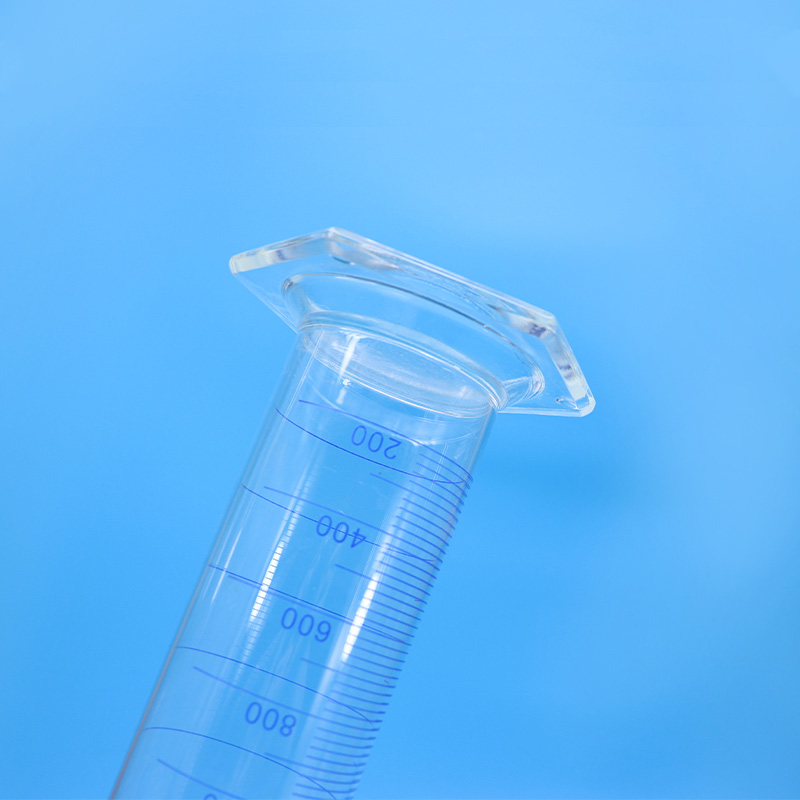
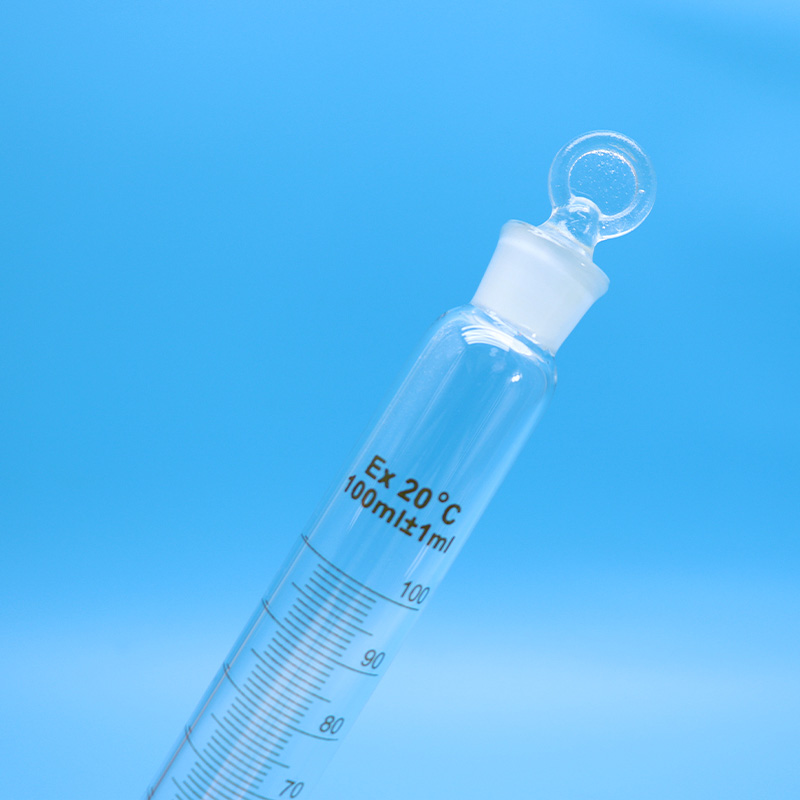
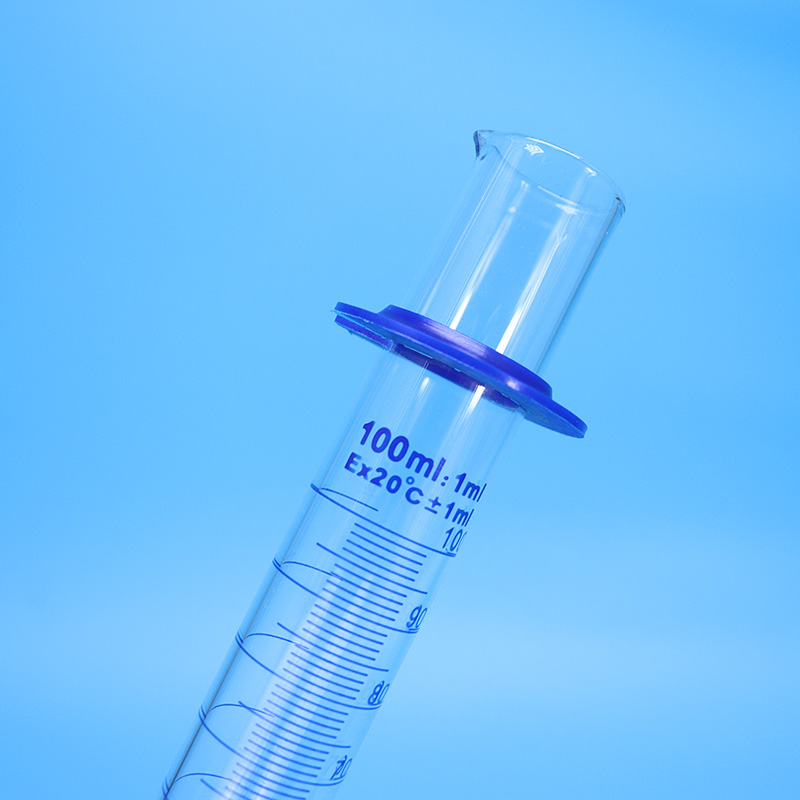
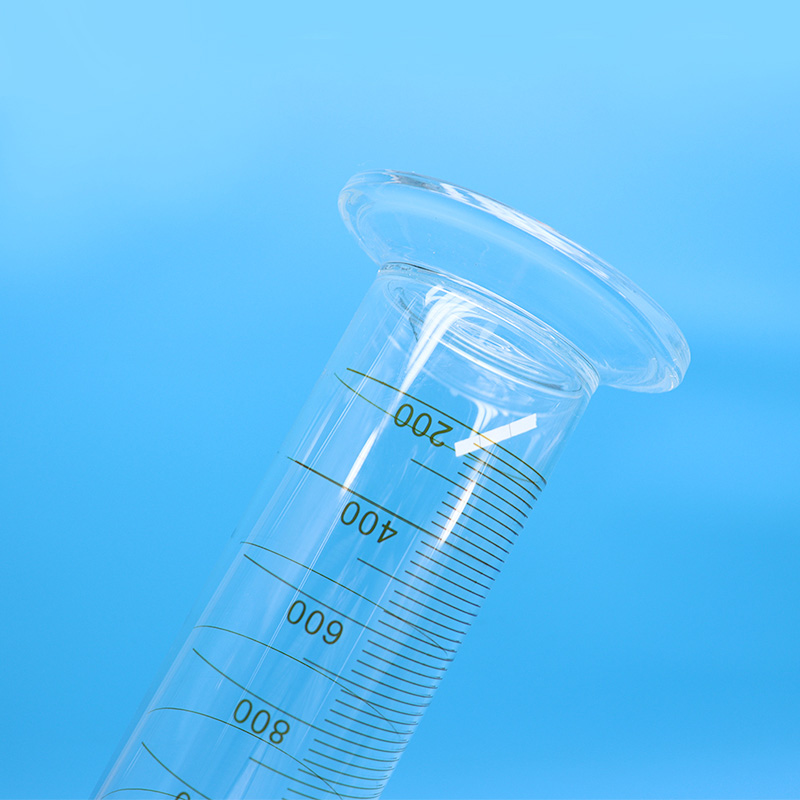

Size Show
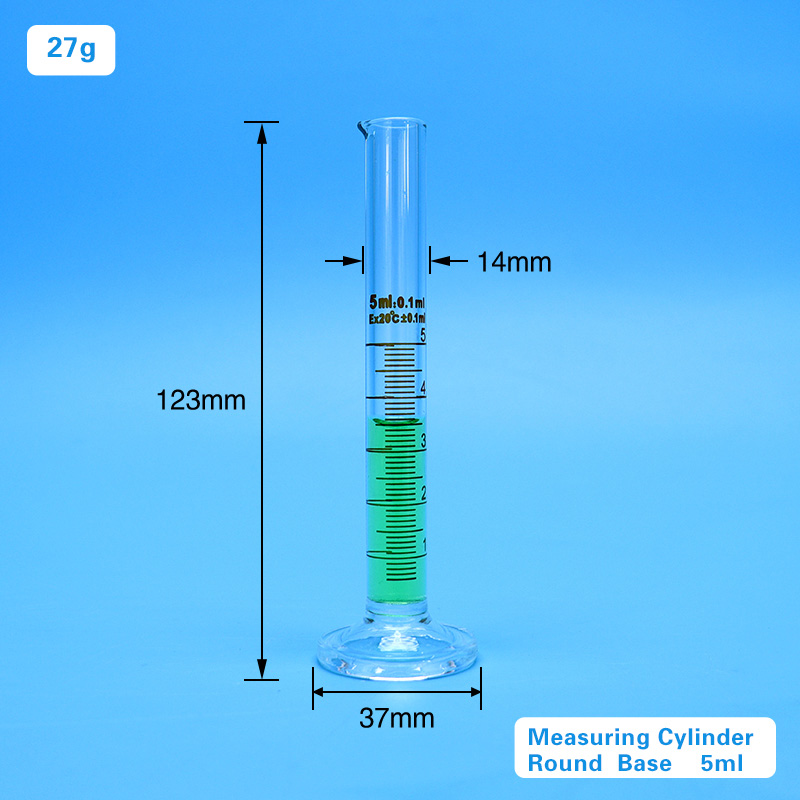
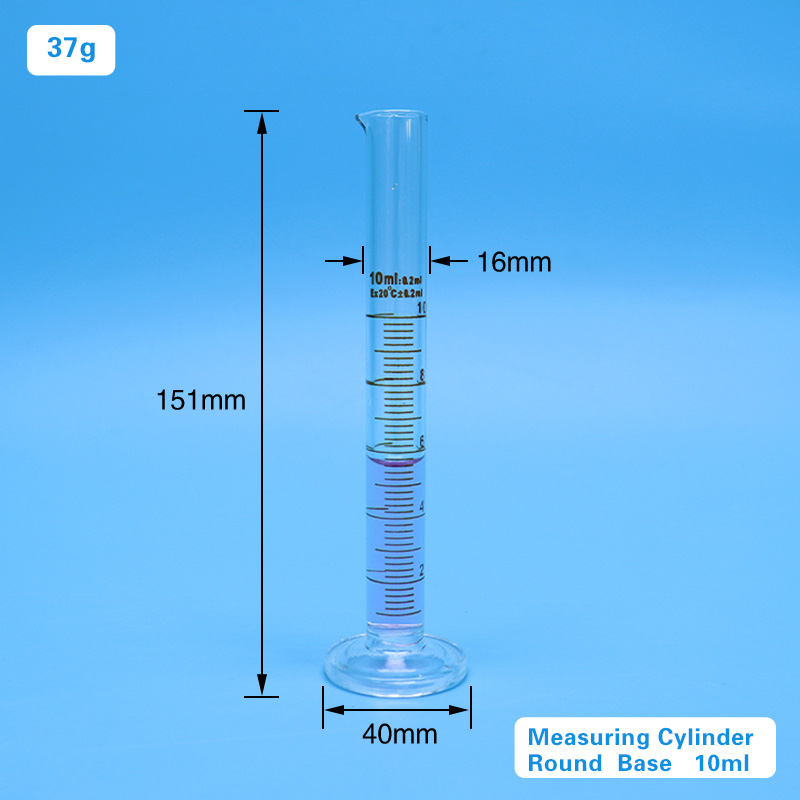
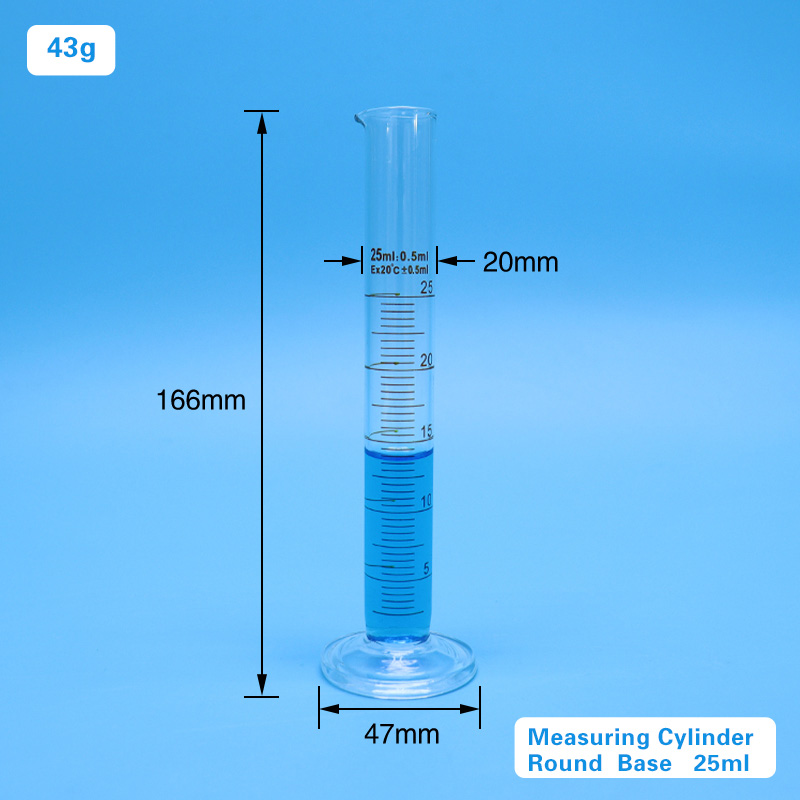
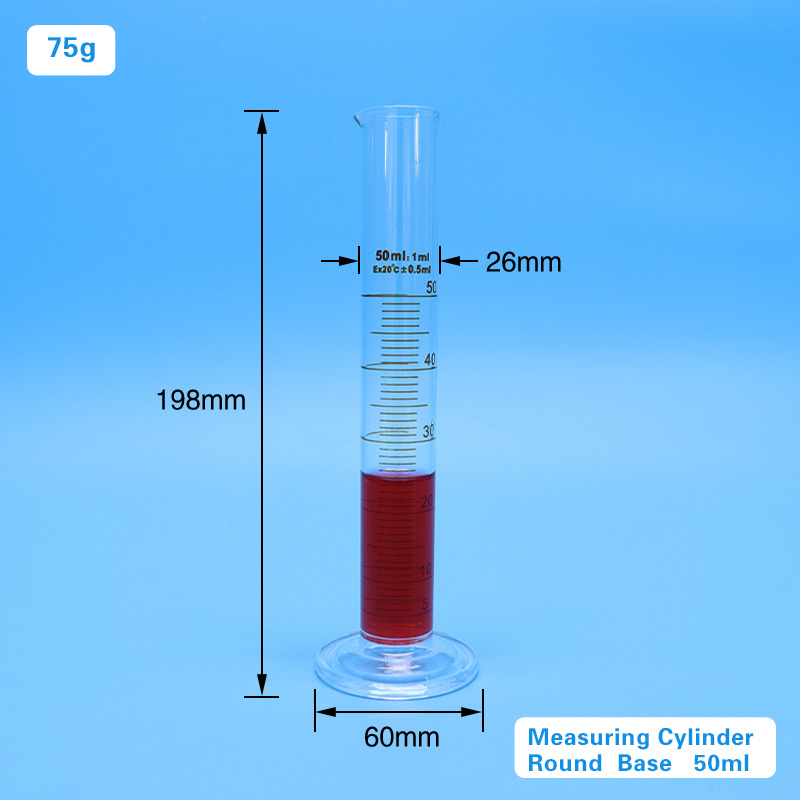
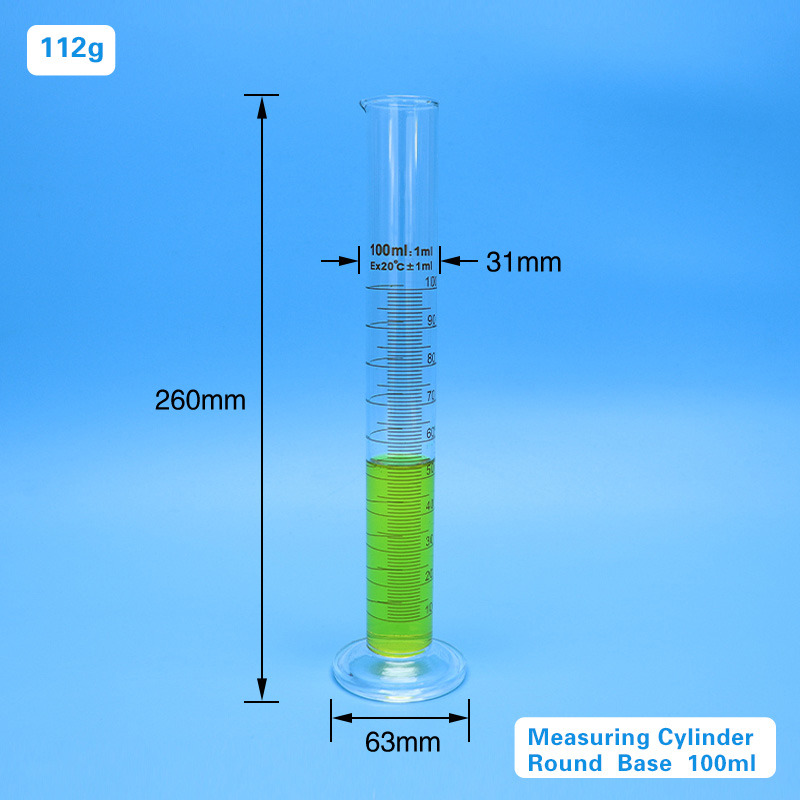
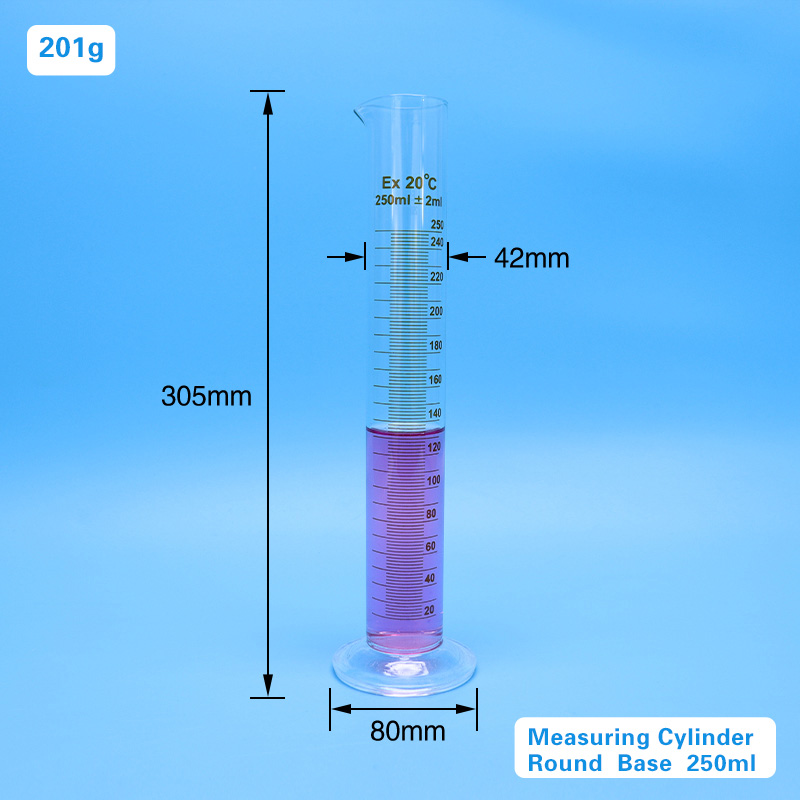
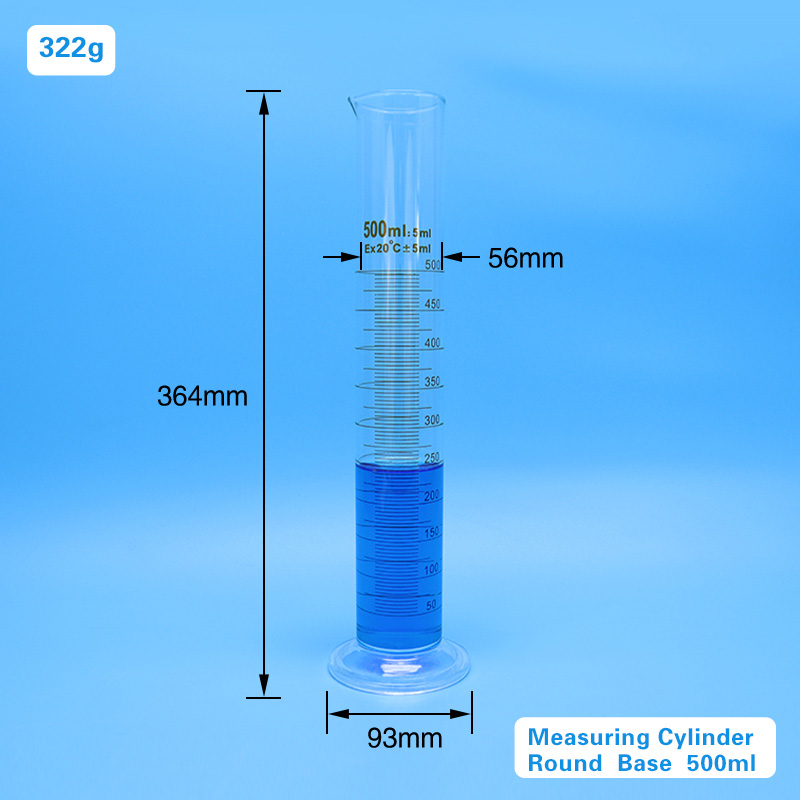
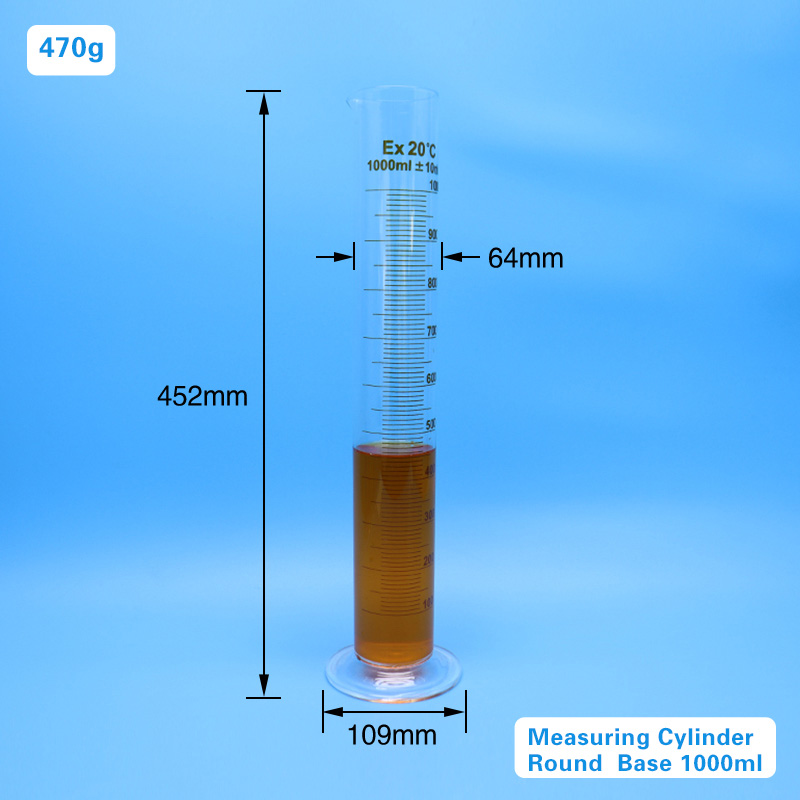
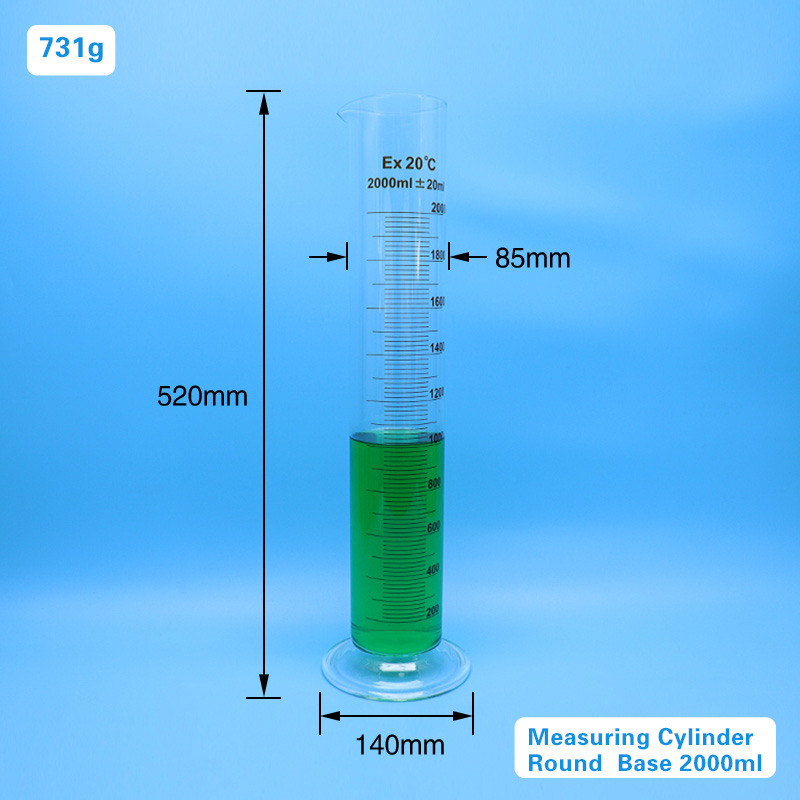
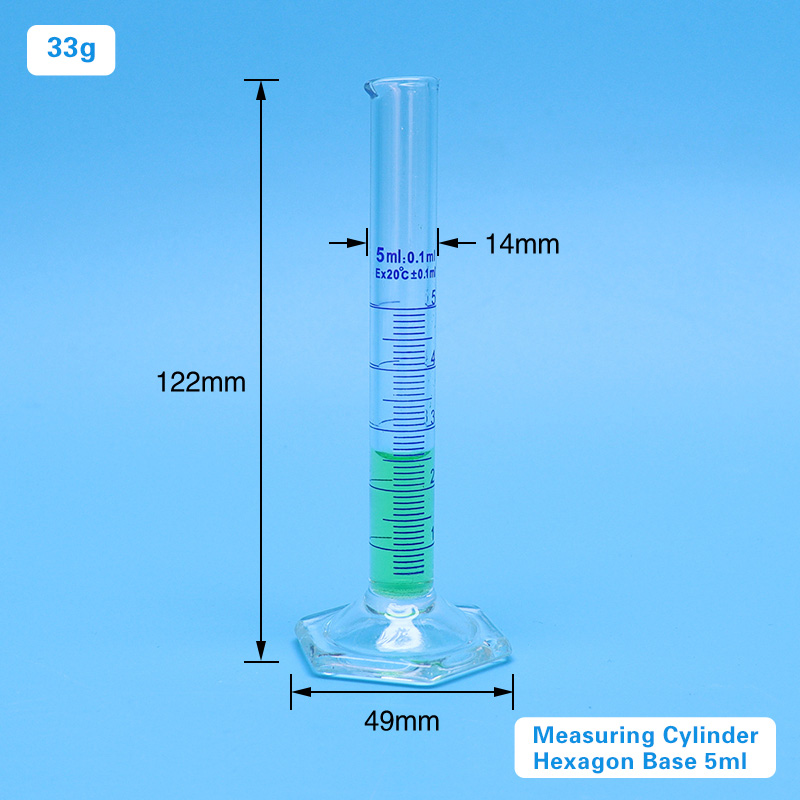
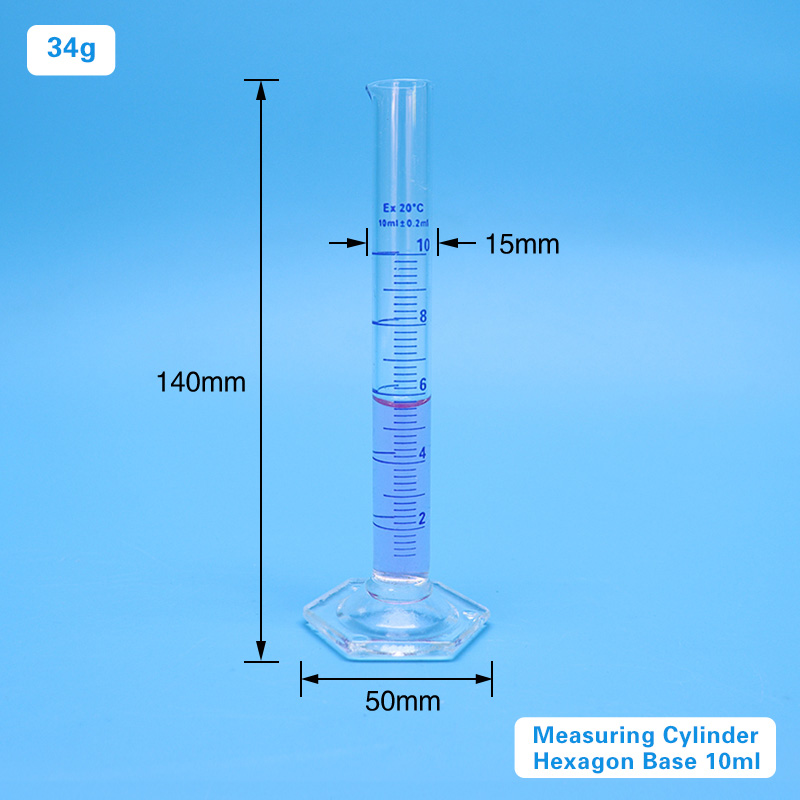
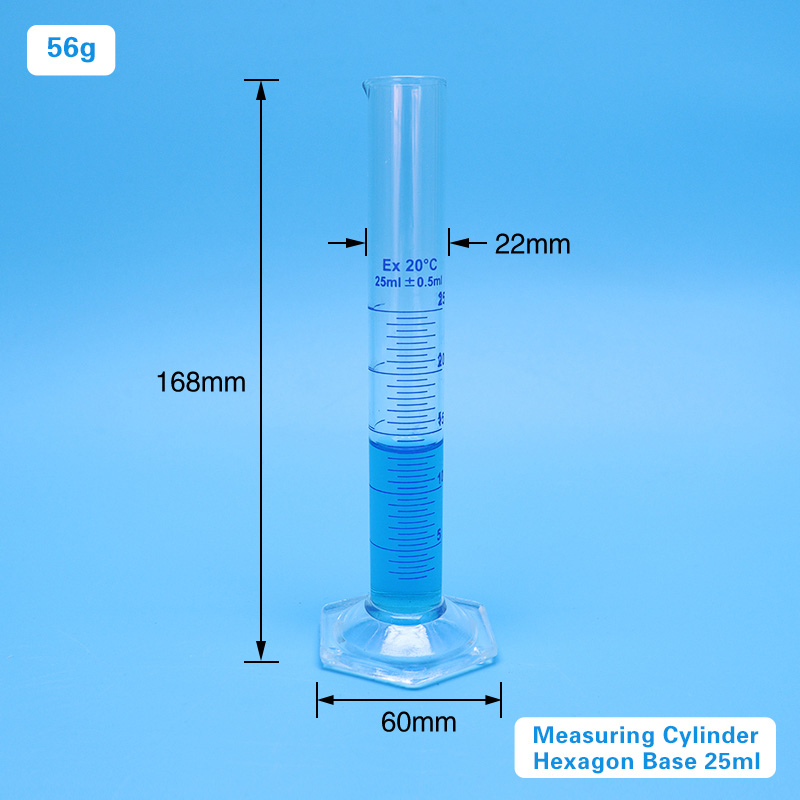
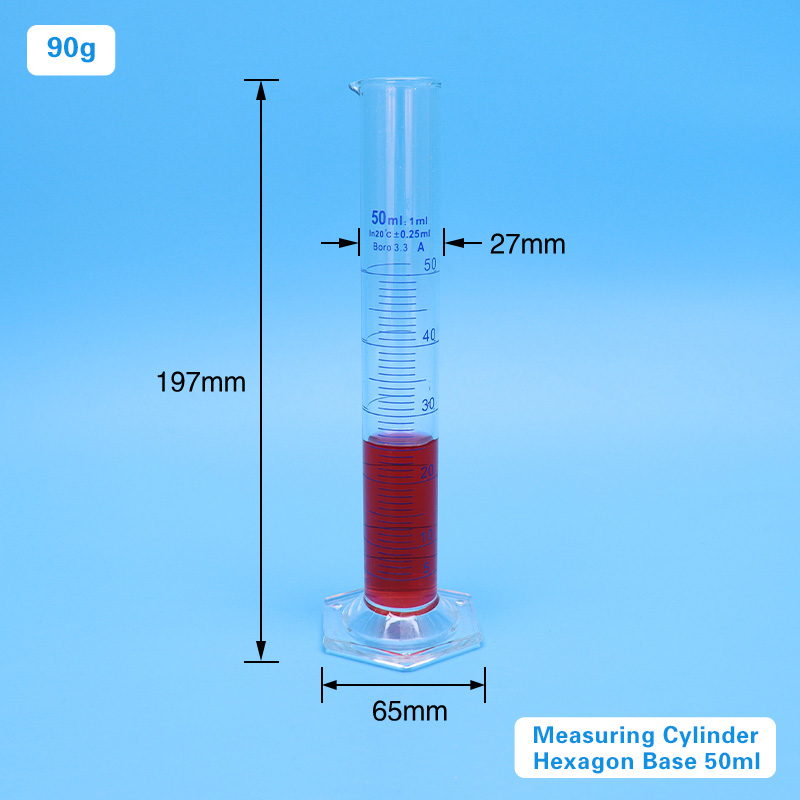
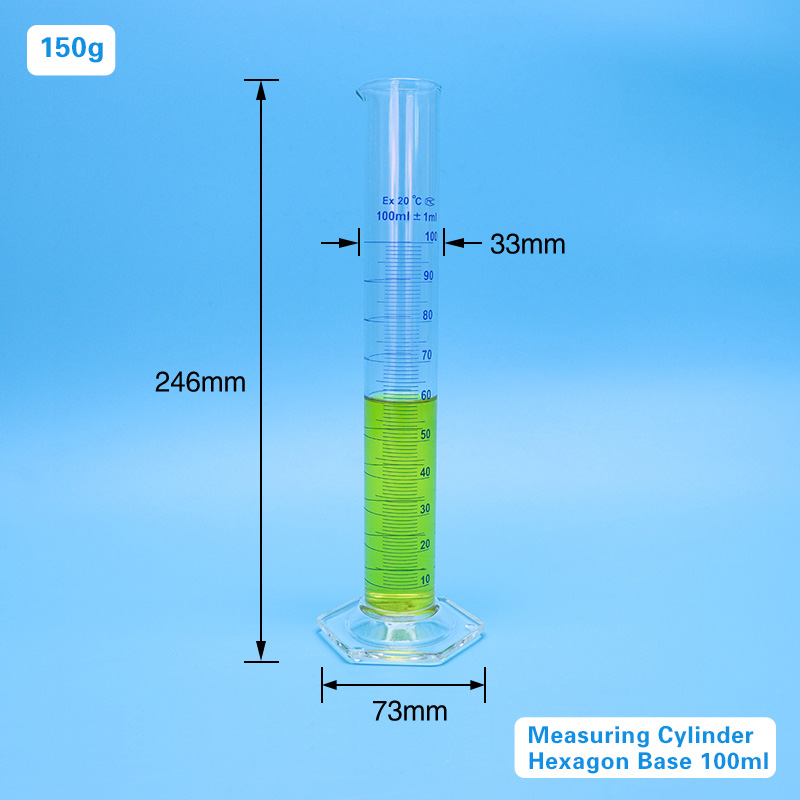
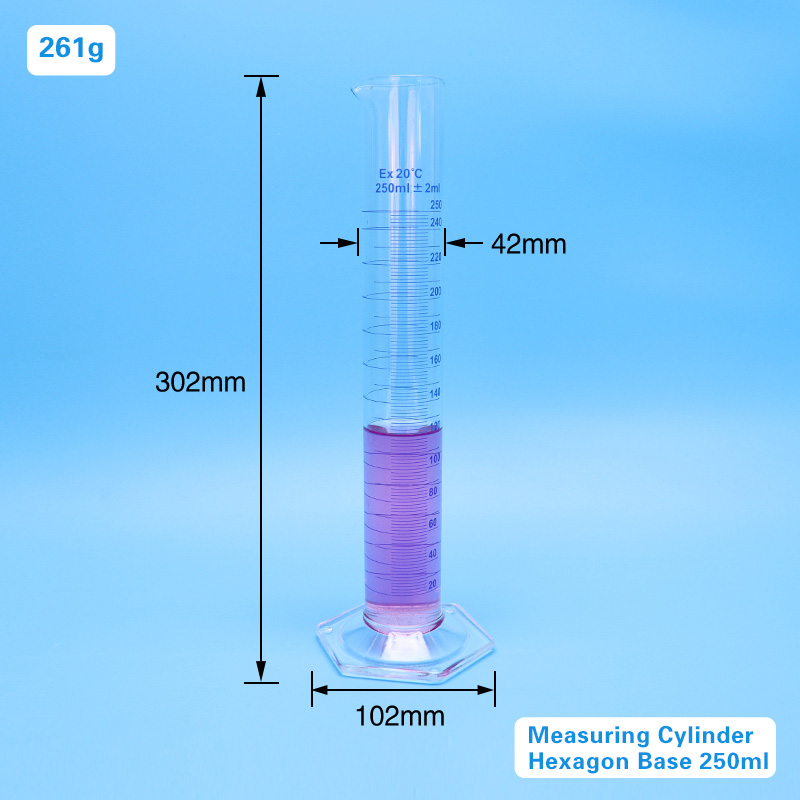
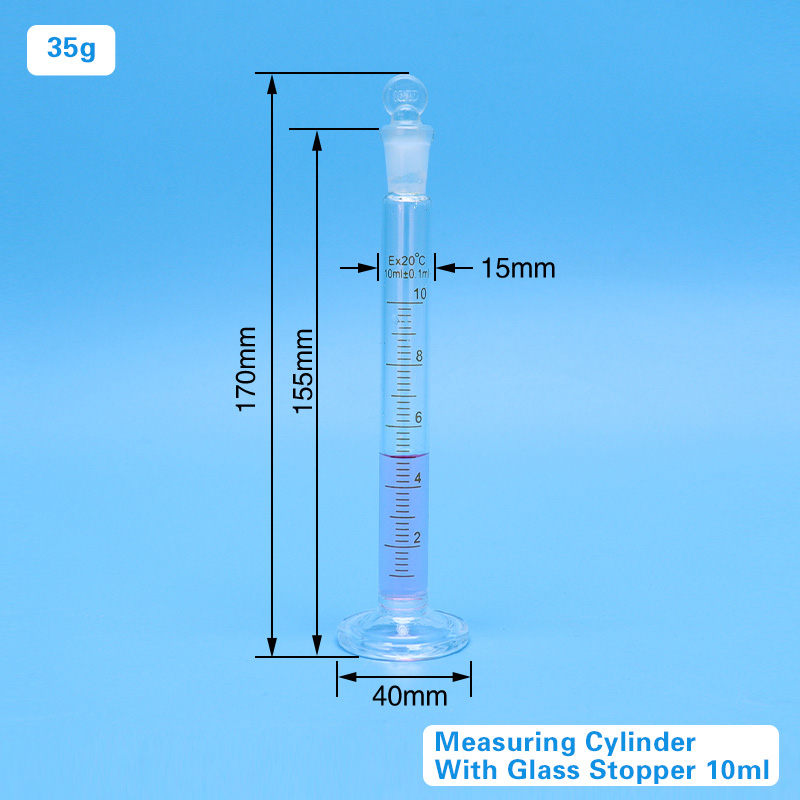
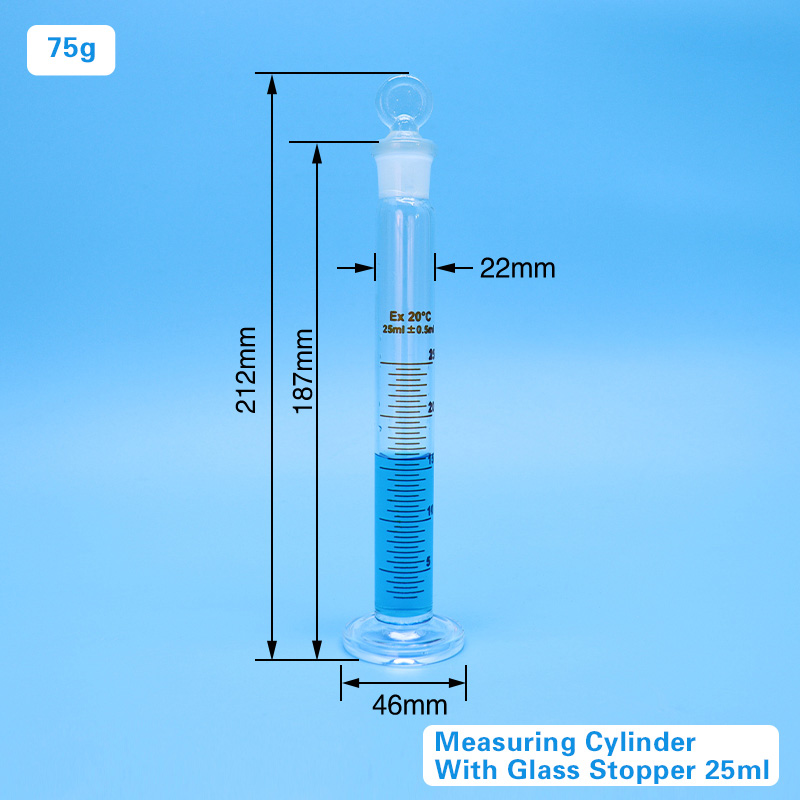
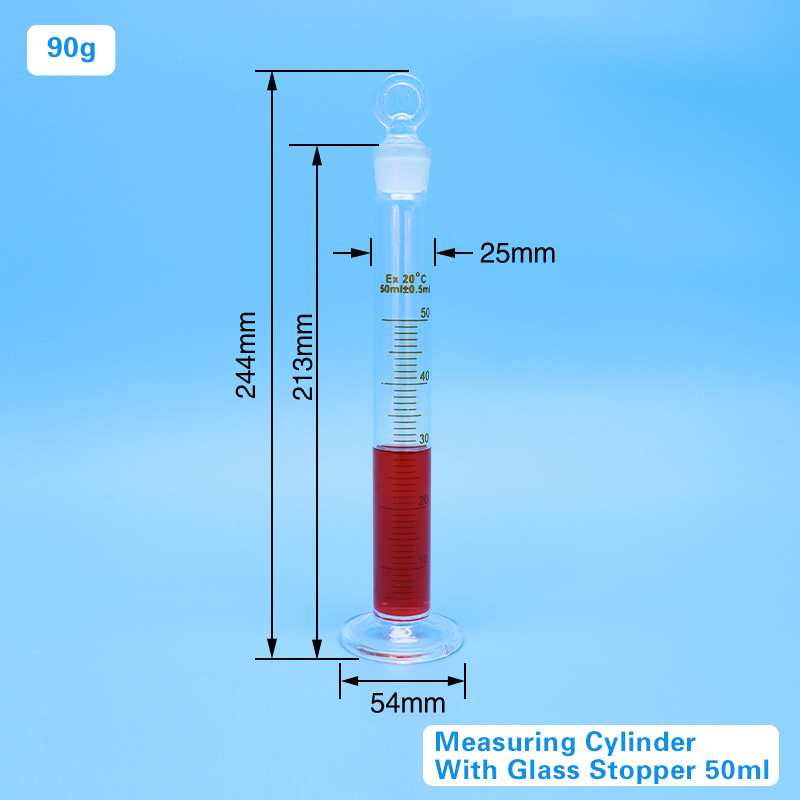
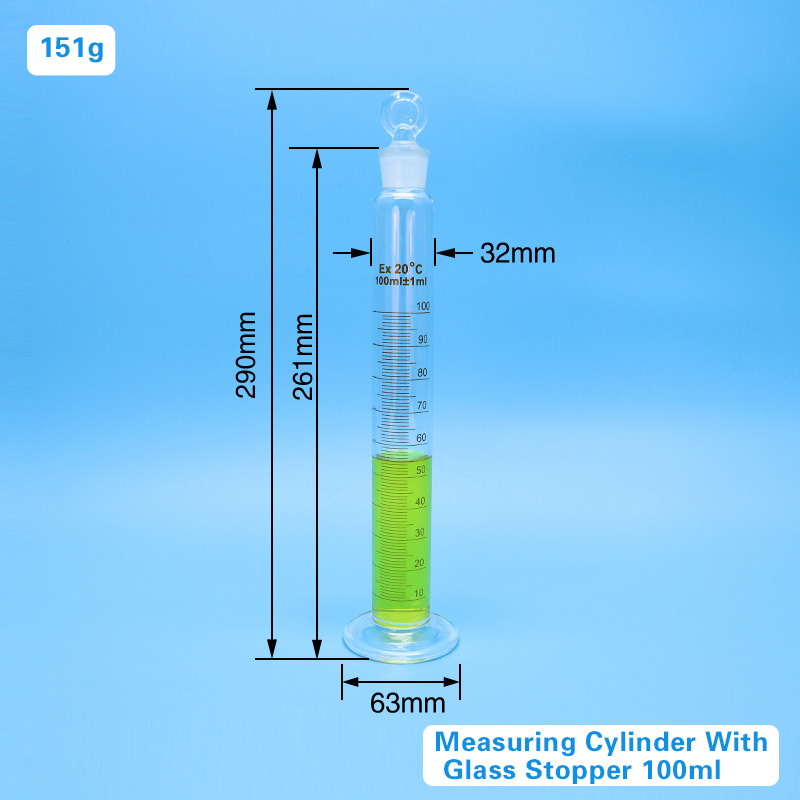
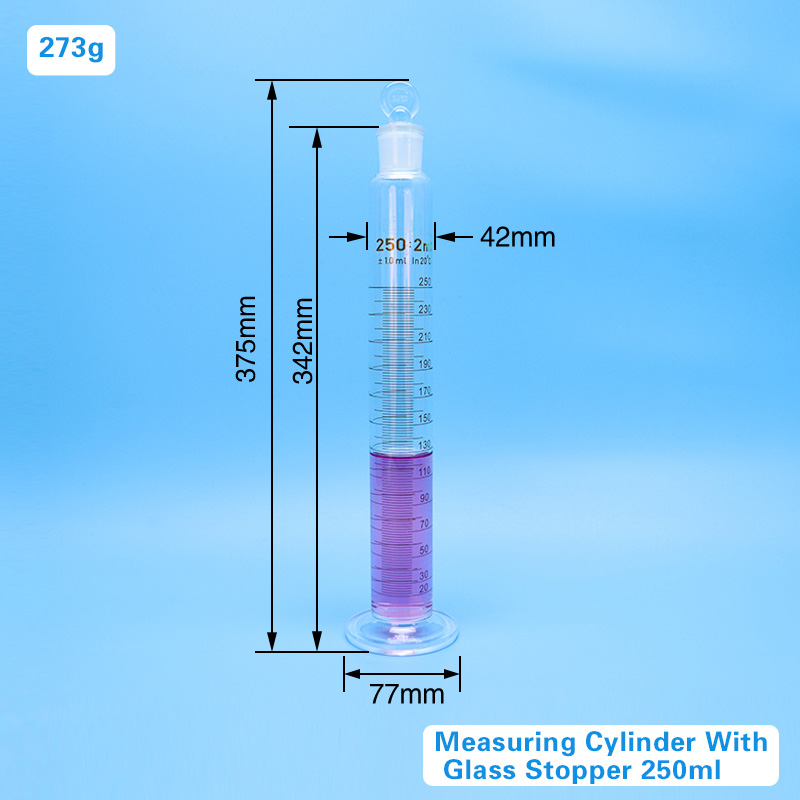
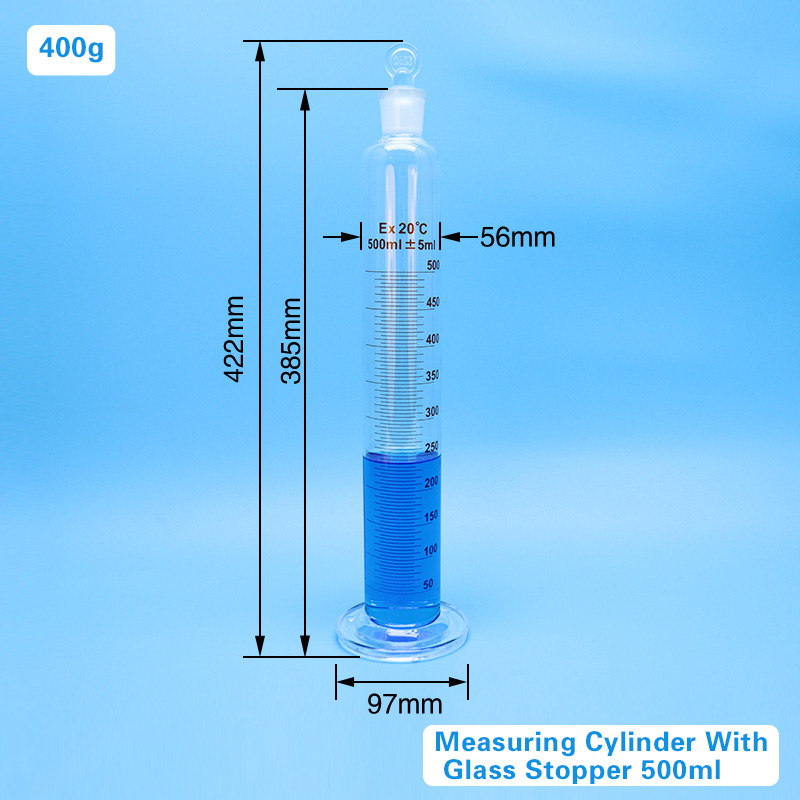
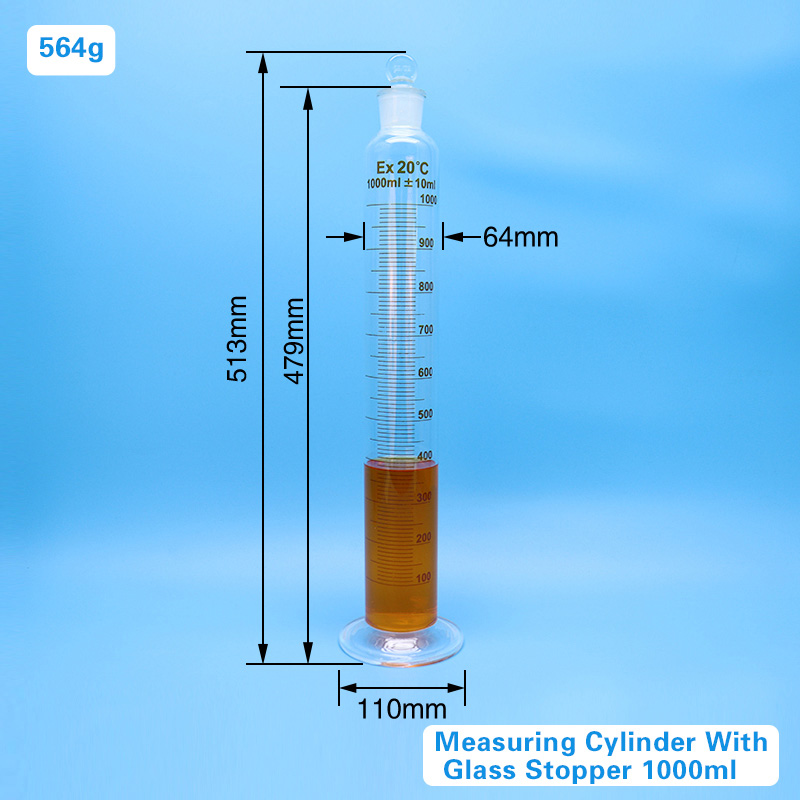
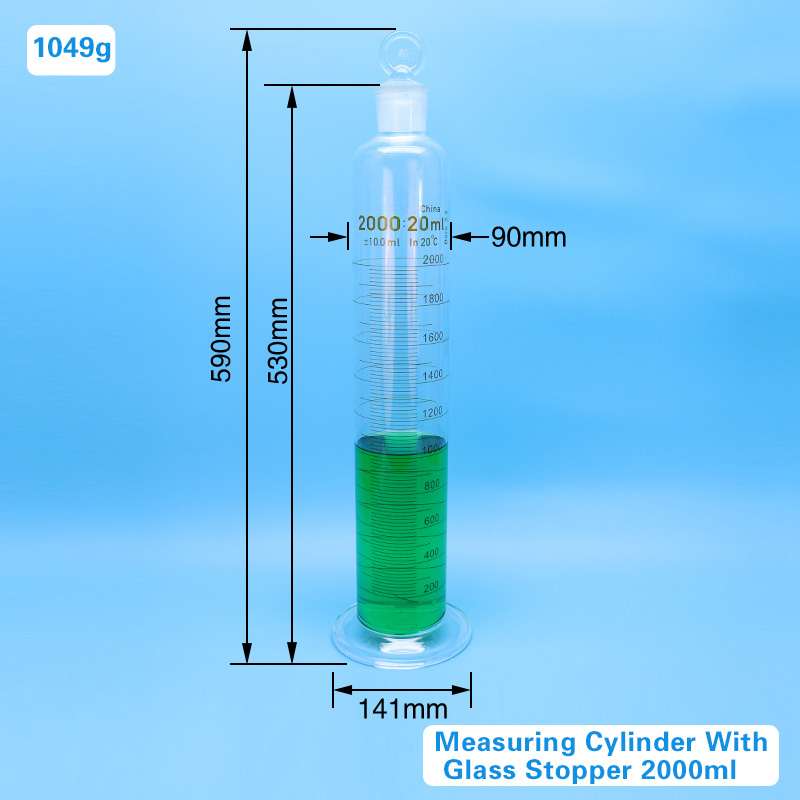
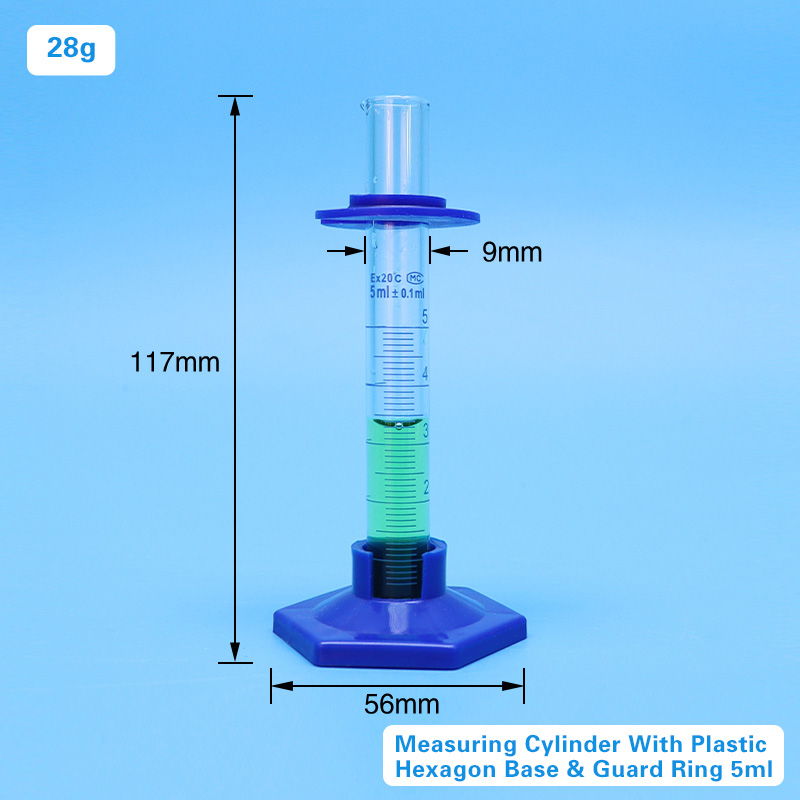
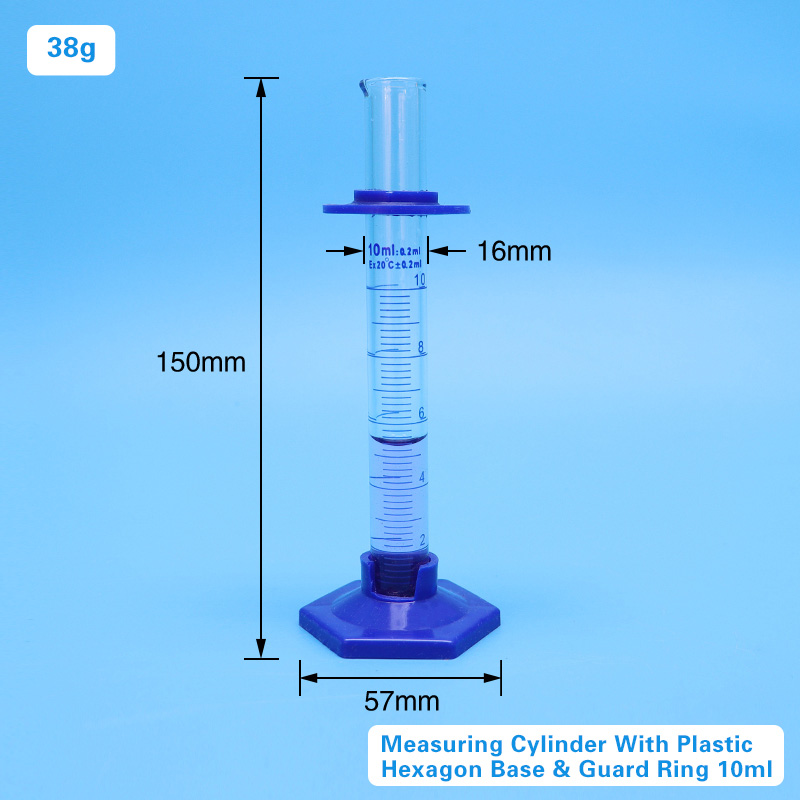
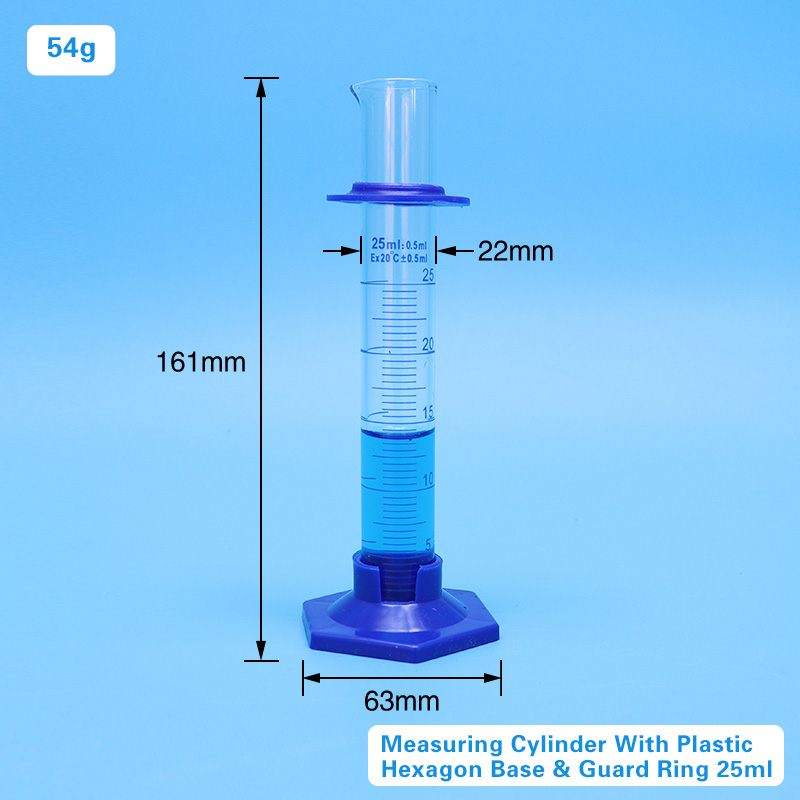
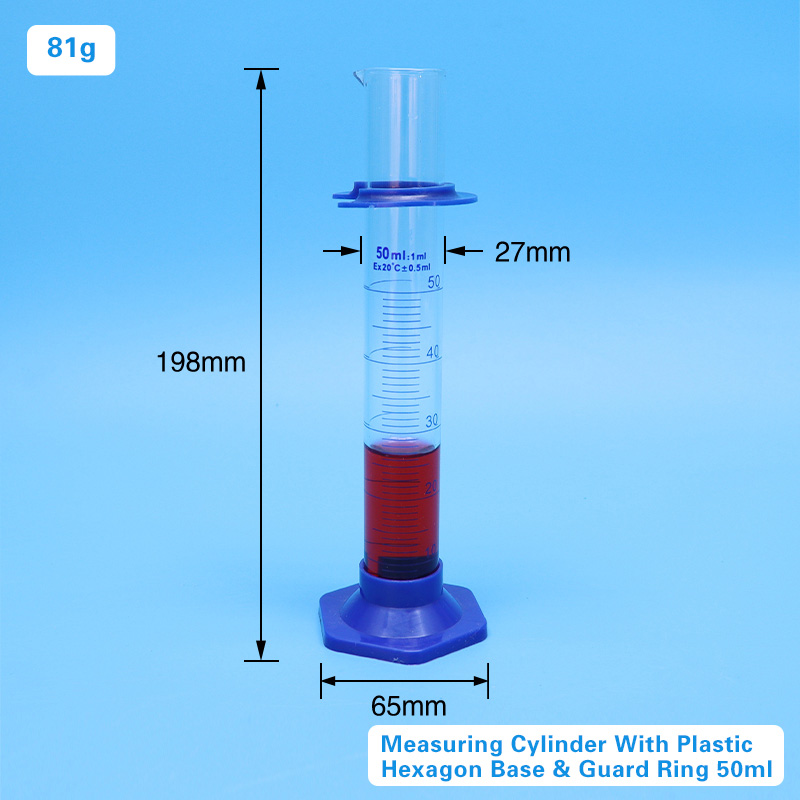
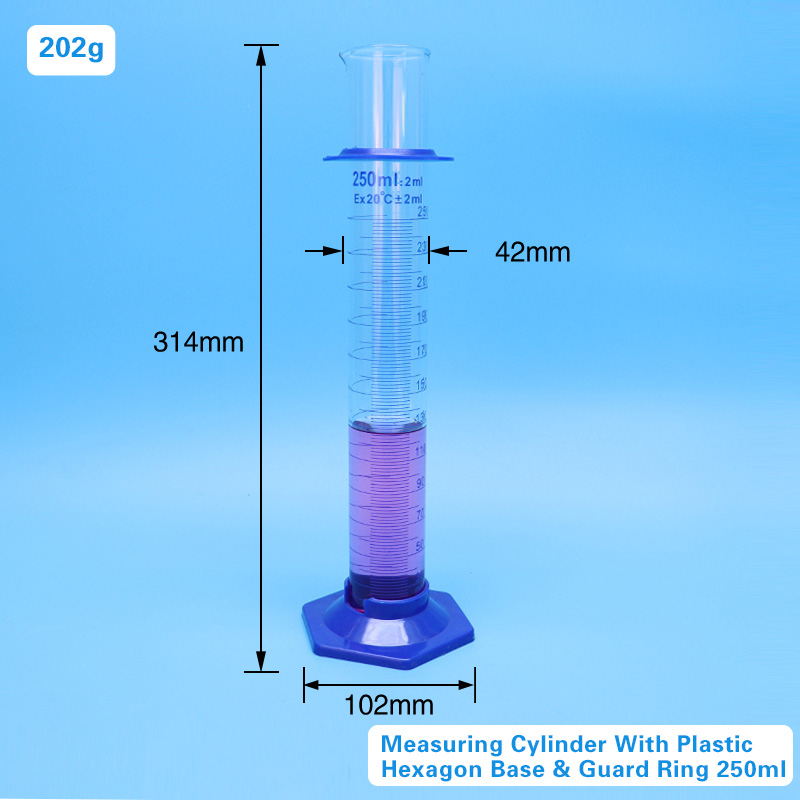
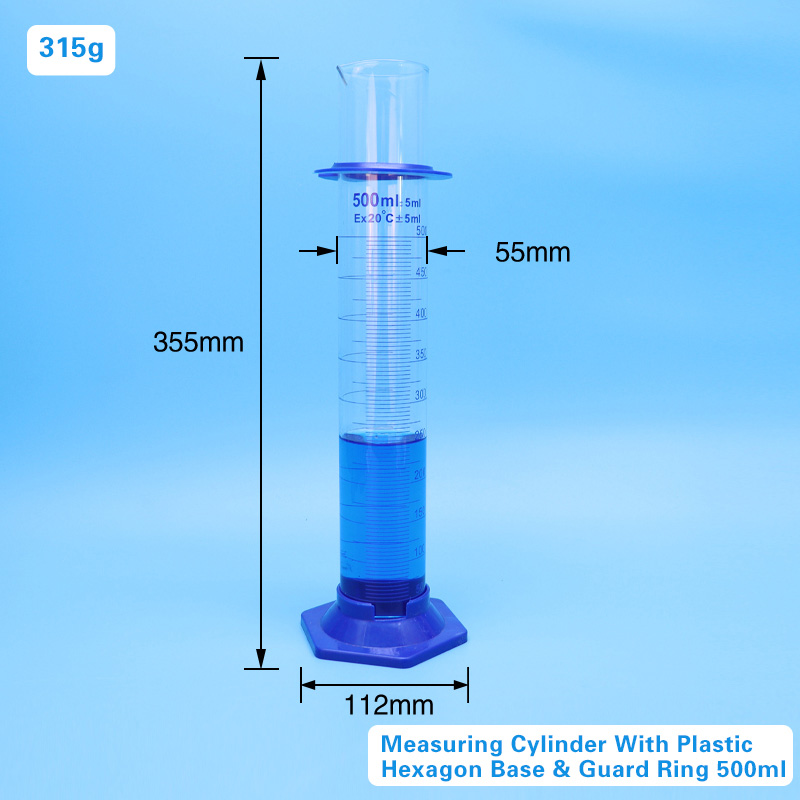
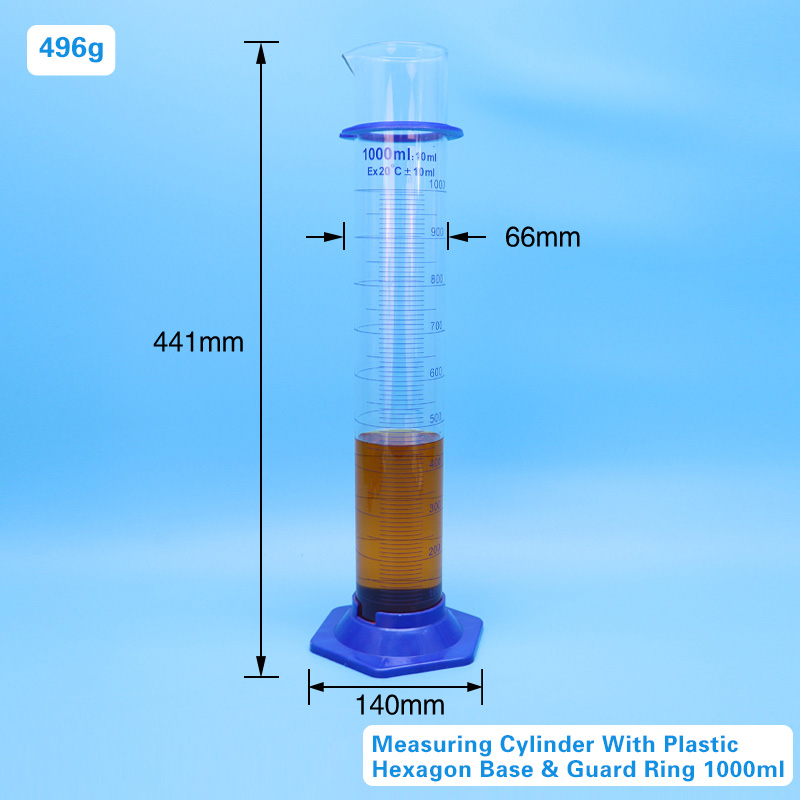
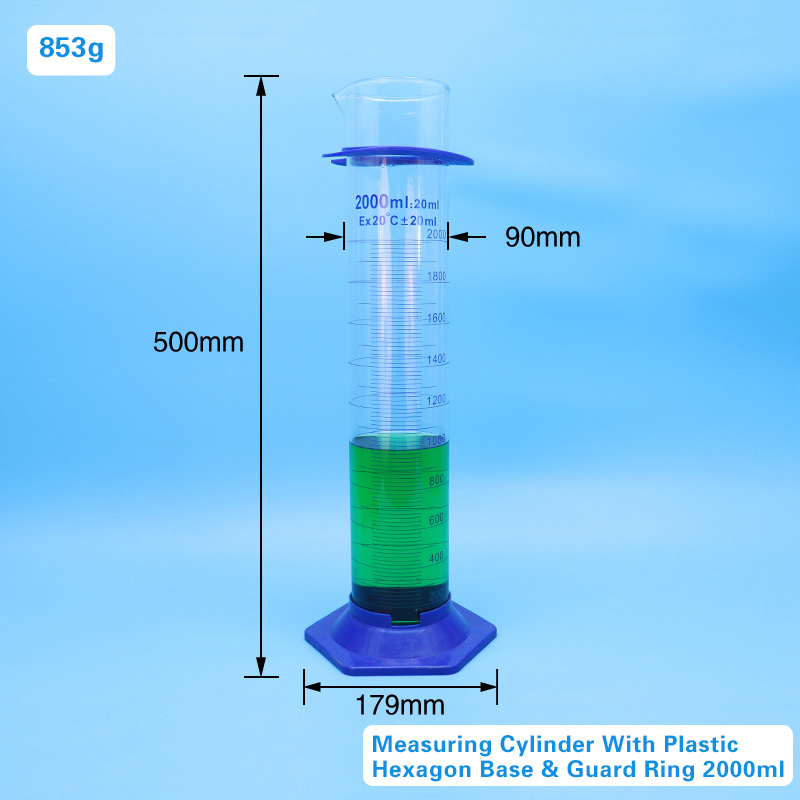
Glass Measuring Cylinder Specs
| Description | Picture | Spec (ml) |
Base Diameter (mm) |
Outer Diameter (mm) |
Height (mm) |
Weight (g) |
|---|---|---|---|---|---|---|
| Measuring Cylinder, Round Base |
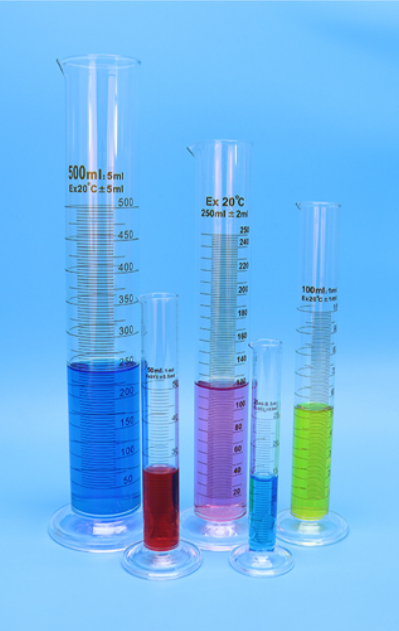
|
5ml | 37 | 14 | 123 | 27 |
| 10ml | 40 | 16 | 151 | 37 | ||
| 25ml | 47 | 20 | 166 | 43 | ||
| 50ml | 60 | 26 | 198 | 75 | ||
| 100ml | 63 | 31 | 260 | 112 | ||
| 250ml | 80 | 42 | 305 | 201 | ||
| 500ml | 93 | 56 | 364 | 322 | ||
| 1000ml | 109 | 64 | 452 | 470 | ||
| 2000ml | 140 | 85 | 520 | 731 | ||
| Measuring Cylinder, Hexagon Base |
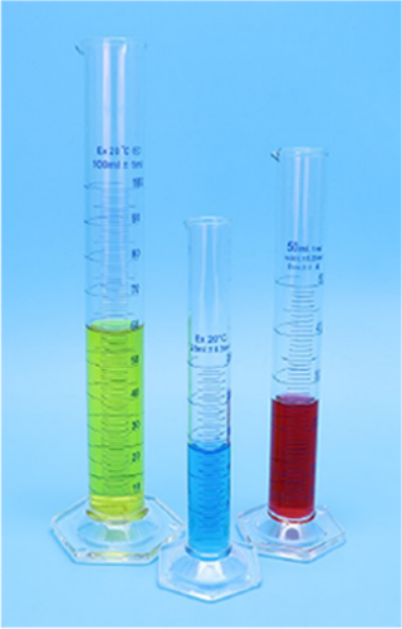
|
5ml | 49 | 14 | 122 | 33 |
| 10ml | 50 | 15 | 140 | 34 | ||
| 25ml | 60 | 22 | 168 | 56 | ||
| 50ml | 65 | 27 | 197 | 90 | ||
| 100ml | 73 | 33 | 246 | 150 | ||
| 250ml | 102 | 42 | 302 | 261 | ||
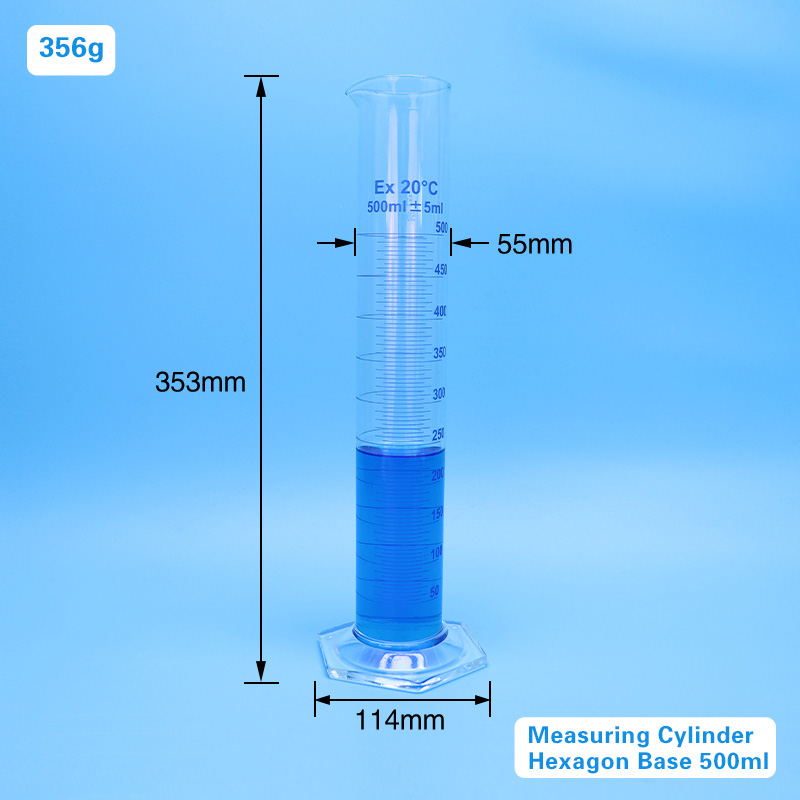
| 500ml | 114 | 55 | 353 | 356 | ||
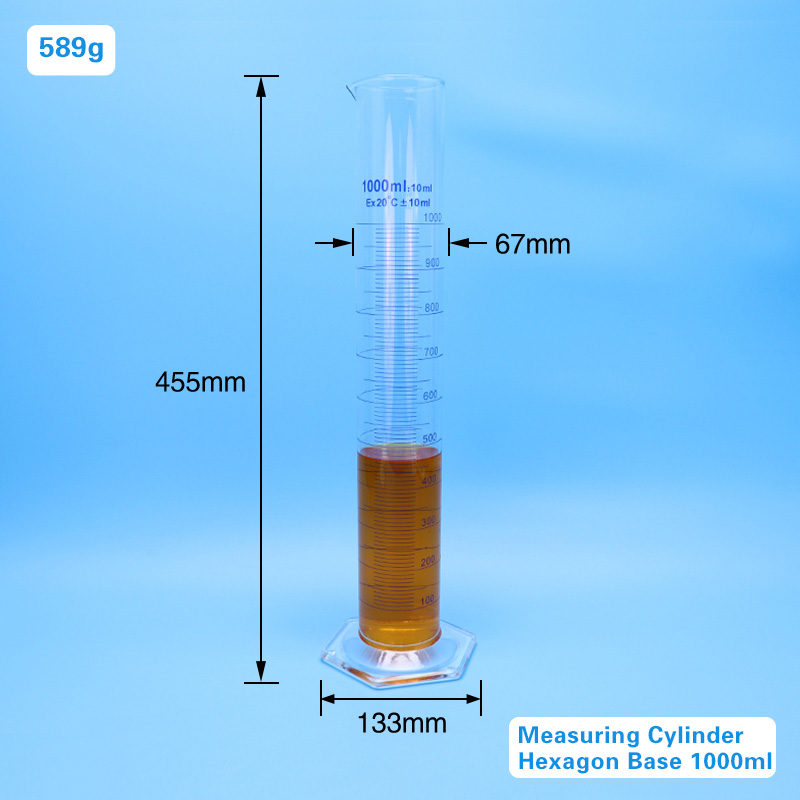
| 1000ml | 133 | 67 | 455 | 589 | ||
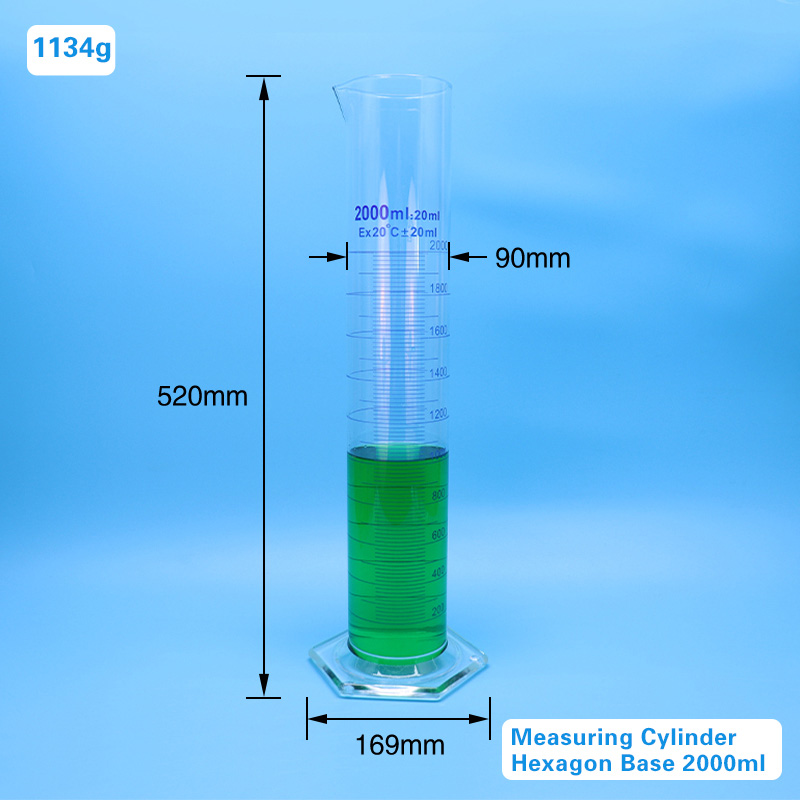
| 2000ml | 169 | 90 | 520 | 1134 | ||
| Measuring Cylinder With Glass Stopper |
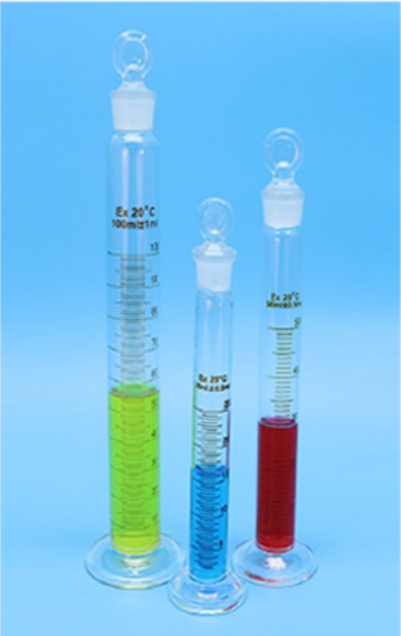
|
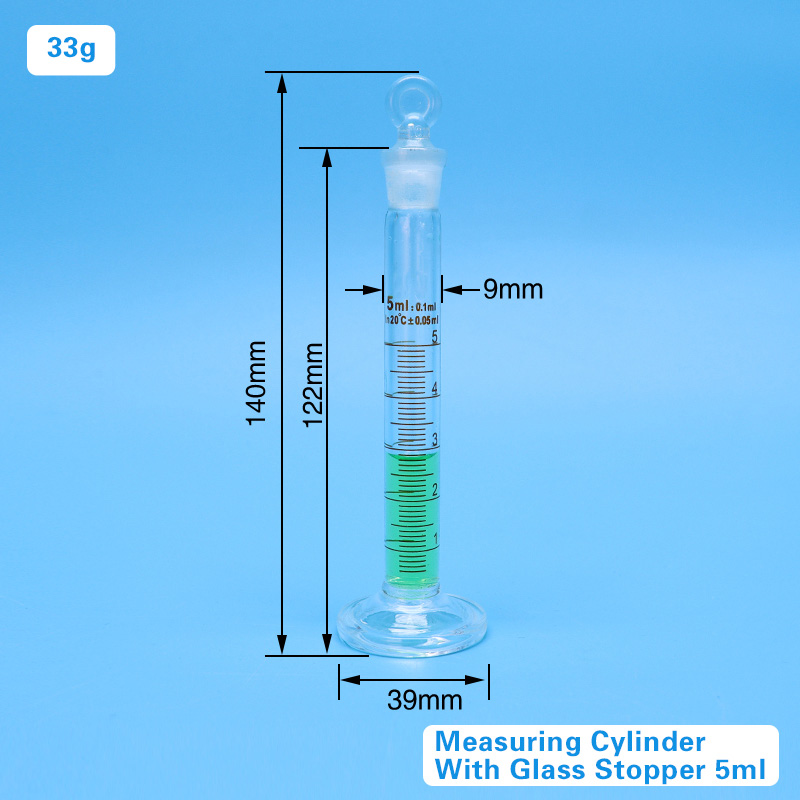
5ml | 39 | 9 | 140 | 33 |
| 10ml | 40 | 15 | 170 | 35 | ||
| 25ml | 46 | 22 | 212 | 75 | ||
| 50ml | 54 | 25 | 244 | 90 | ||
| 100ml | 63 | 32 | 290 | 151 | ||
| 250ml | 77 | 42 | 375 | 273 | ||
| 500ml | 97 | 56 | 422 | 400 | ||
| 1000ml | 110 | 64 | 513 | 564 | ||
| 2000ml | 141 | 90 | 590 | 1049 | ||
| Measuring Cylinder With Plastic Hexagon Base Guard Ring |
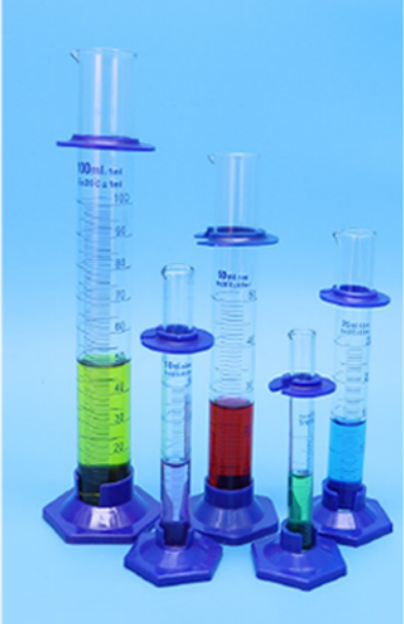
|
5ml | 56 | 9 | 117 | 28 |
| 10ml | 57 | 16 | 150 | 38 | ||
| 25ml | 63 | 22 | 161 | 54 | ||
| 50ml | 65 | 27 | 198 | 81 | ||
| 100ml | 75 | 33 | 247 | 116 | ||
| 250ml | 102 | 42 | 314 | 202 | ||
| 500ml | 110 | 55 | 355 | 315 | ||
| 1000ml | 122 | 66 | 441 | 496 | ||
| 2000ml | 179 | 90 | 500 | 853 |
Precautions
- 1. When pouring liquid into a graduated cylinder, tilt the cylinder slightly and keep the mouth of the bottle close to the cylinder's opening. When the amount to be added is slightly less than the required volume, switch to a dropper to add the liquid until the desired amount is reached.
- 2. After injecting the liquid, wait 1 - 2 minutes for the liquid adhering to the inner wall to flow down, and then read the scale value. Otherwise, the measured value will be underestimated.
- 3. Do not dilute or prepare solutions in a graduated cylinder; do not heat the graduated cylinder.
- 4. Do not carry out chemical reactions in a graduated cylinder: it may damage the cylinder and sometimes even cause danger.
- 5. Do not leave the graduated cylinder with chemicals for long periods to avoid contamination by dust and evaporation of water from the solution.
- 6. Do not use scouring powder to clean to avoid scratching the markings.
Frequently Asked Questions (FAQ)
Why is BORO 3.3 high borosilicate glass used for measuring cylinders?
BORO 3.3 high borosilicate glass features a very low coefficient of thermal expansion and excellent chemical inertness. It resists thermal shock, acid, and alkaline erosion, preventing volumetric distortion and ensuring long-lasting measurement accuracy in lab environments.
How do I correctly read the liquid level in a glass measuring cylinder?
Place the measuring cylinder on a flat, horizontal surface. Keep your line of sight completely level with the lowest point of the liquid's concave meniscus (or the highest point for convex menisci, such as mercury) to avoid parallax errors.
Can I dissolve solutes or carry out reactions directly inside the cylinder?
No. Graduated cylinders are volumetric measuring instruments calibrated strictly for receiving or delivering specified liquid volumes. Mixing, dissolving, heating, or reacting chemicals creates thermal and mechanical stress that can permanently alter calibration accuracy or crack the glass.
What are the advantages of a hexagonal base over a round base?
While round bases provide a classic, compact footprint, hexagonal bases offer superior anti-roll protection. If the cylinder is tipped or placed on an uneven surface, the flat facets prevent it from rolling off the workbench, reducing accidental breakage.
What is the purpose of the bumper guard ring on models with plastic bases?
The plastic guard ring is positioned near the top of the cylinder. If the cylinder accidentally tips over, the guard ring makes contact with the bench first, absorbing shock and preventing the glass rim and spout from shattering.
How should the graduated cylinder be cleaned without damaging the scale?
Rinse thoroughly with mild laboratory detergent and warm water using a soft-bristled brush. Never use scouring powders, abrasive pads, or harsh abrasives, as they will scratch both the glass surface and the permanently fired enamel graduation marks.