
0102030405
Borosilicate Glass Measuring Cylinder - China Suppliers & Factory for Lab, Chemical, and School Use
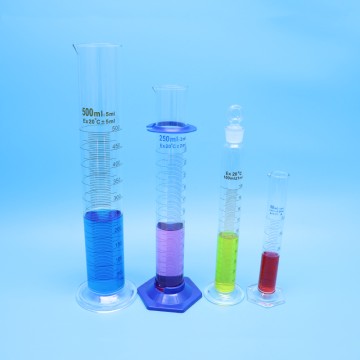
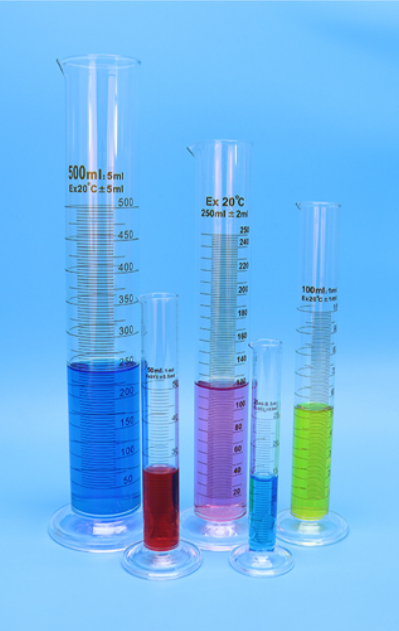
Glass Measuring Cylinder
High borosilicate glass
Stable base
Clear scale
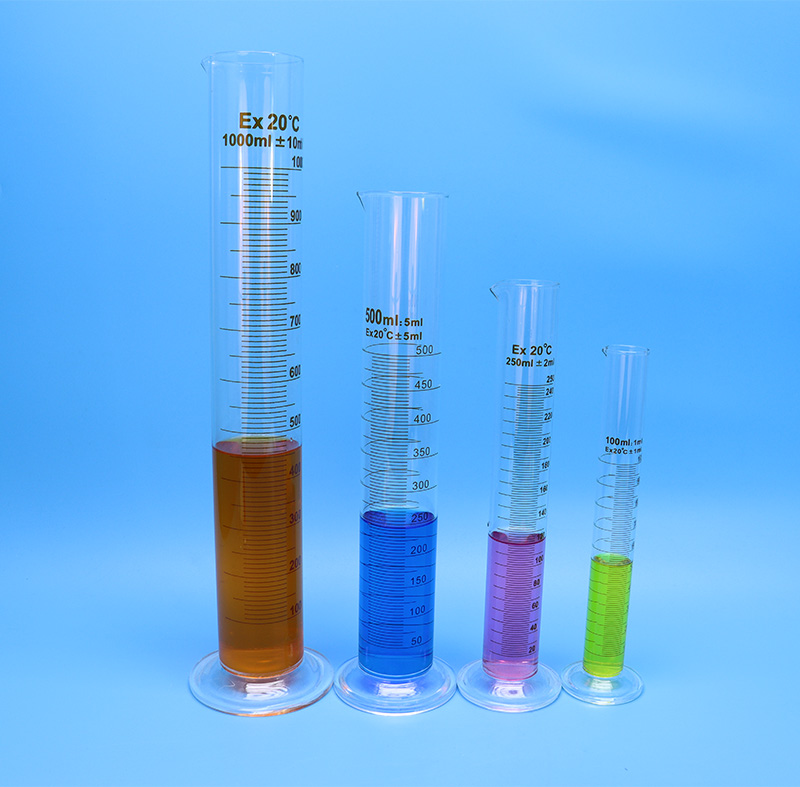
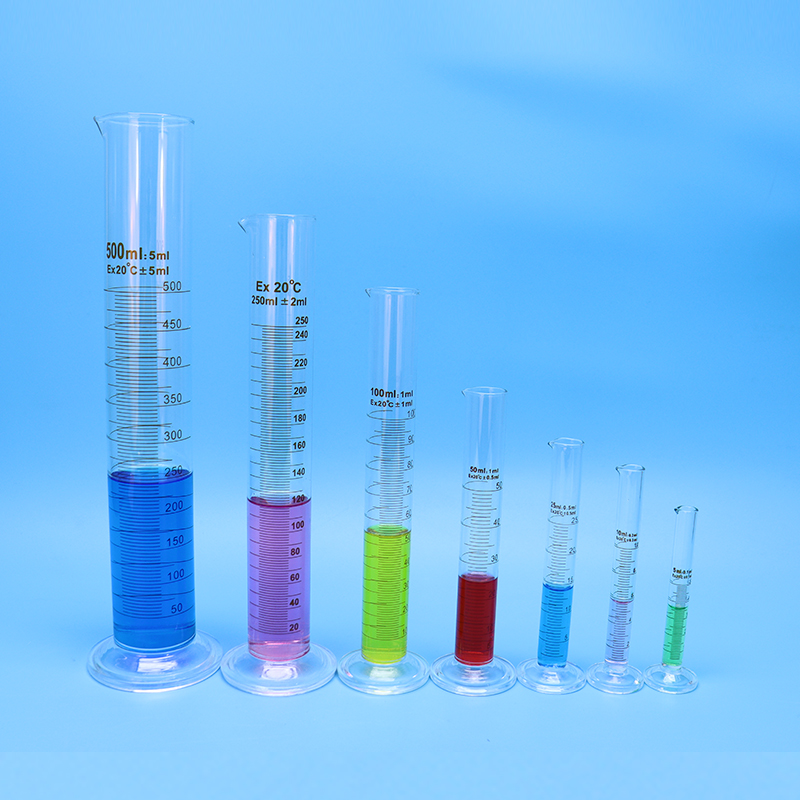
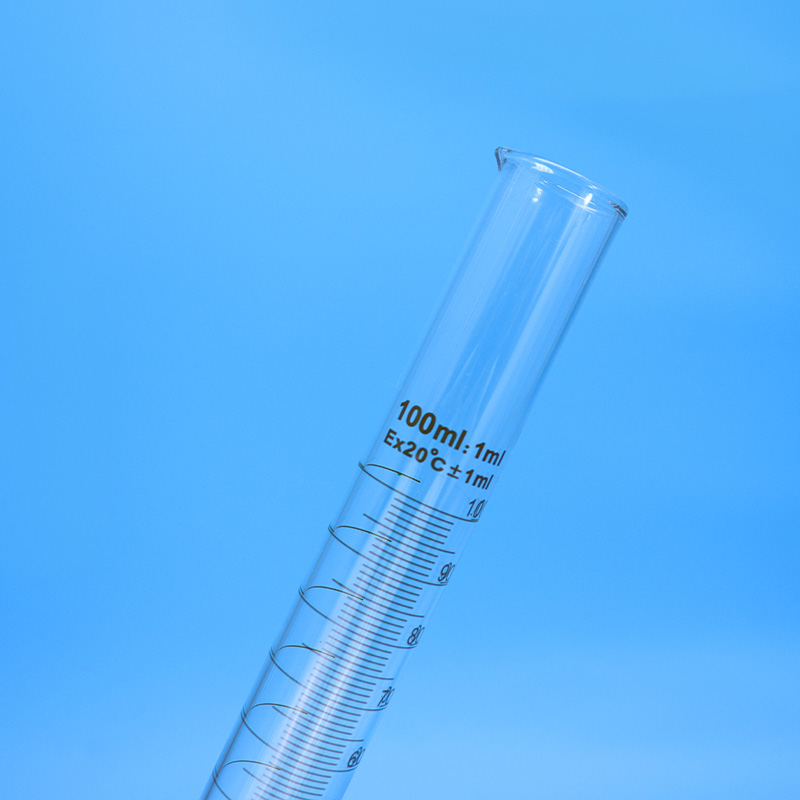
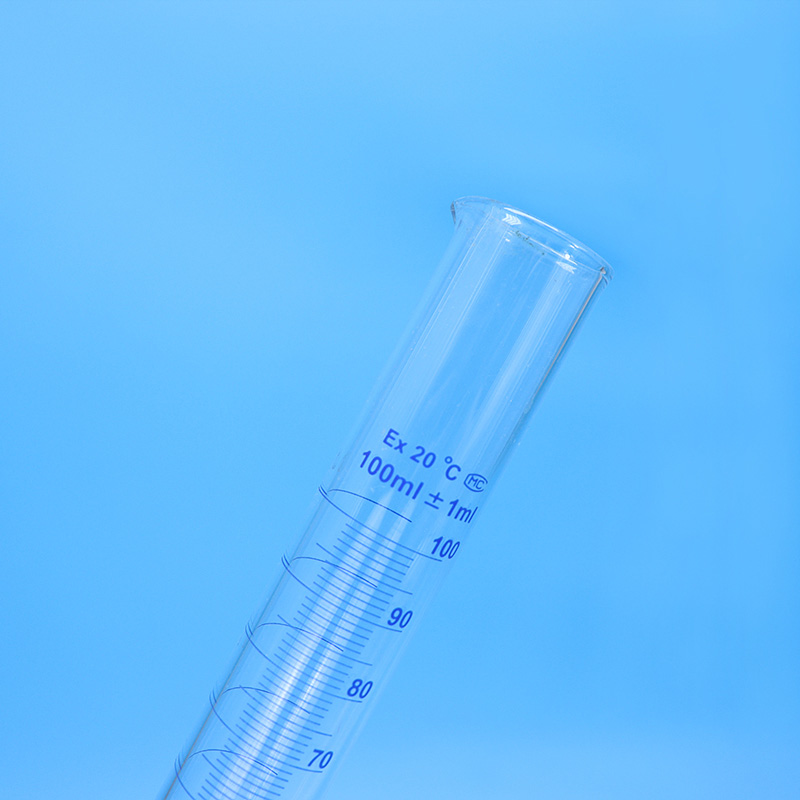
Measuring Cylinder Round Base
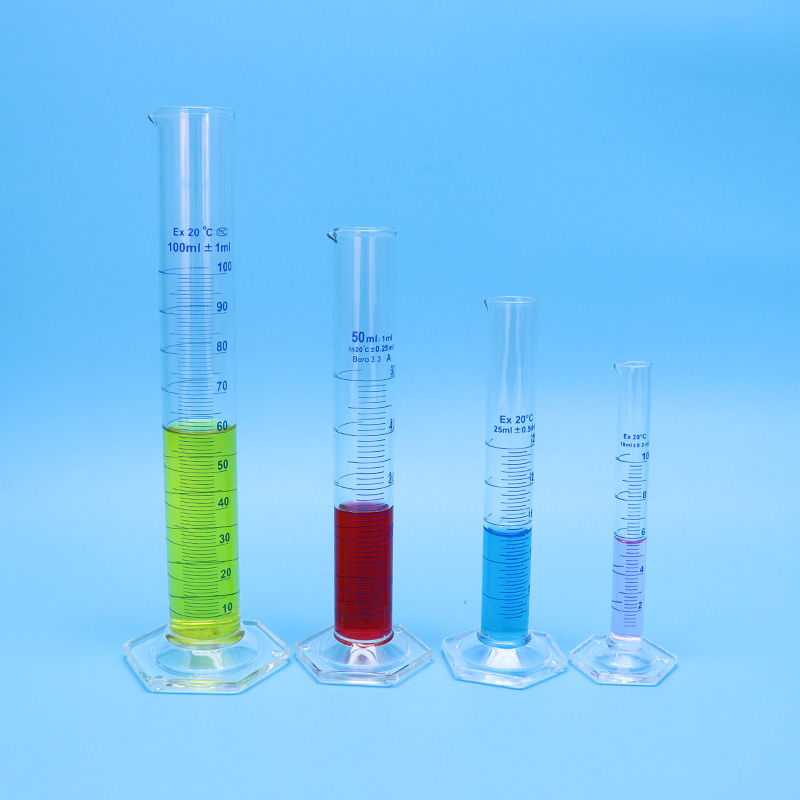
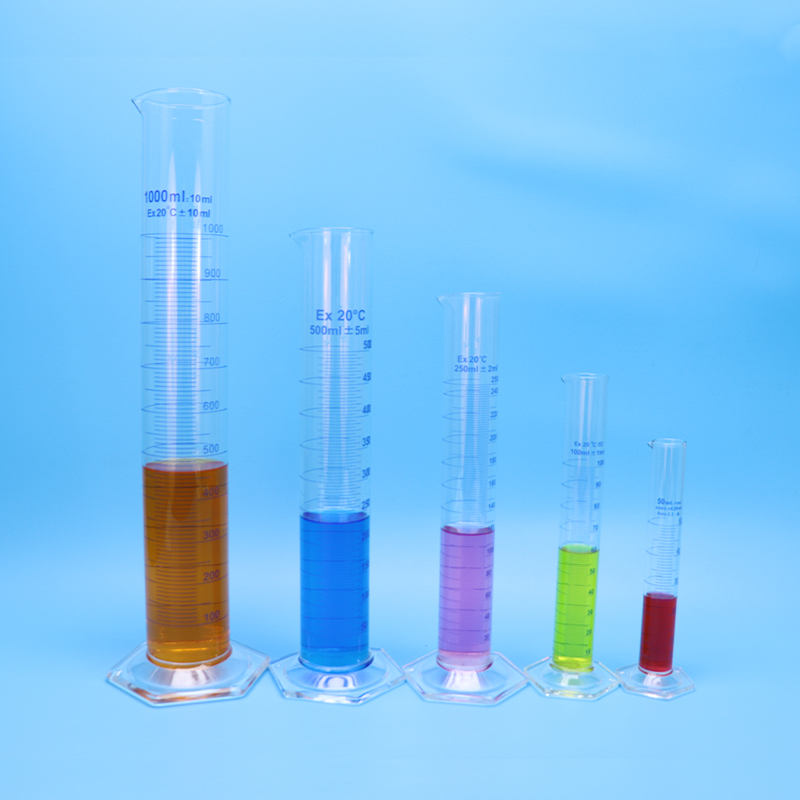
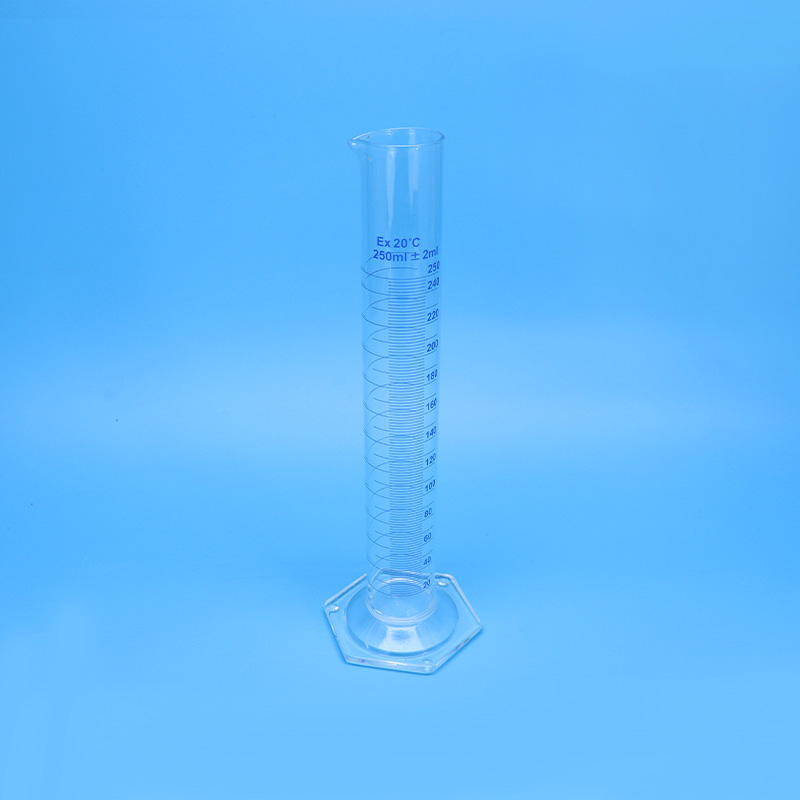
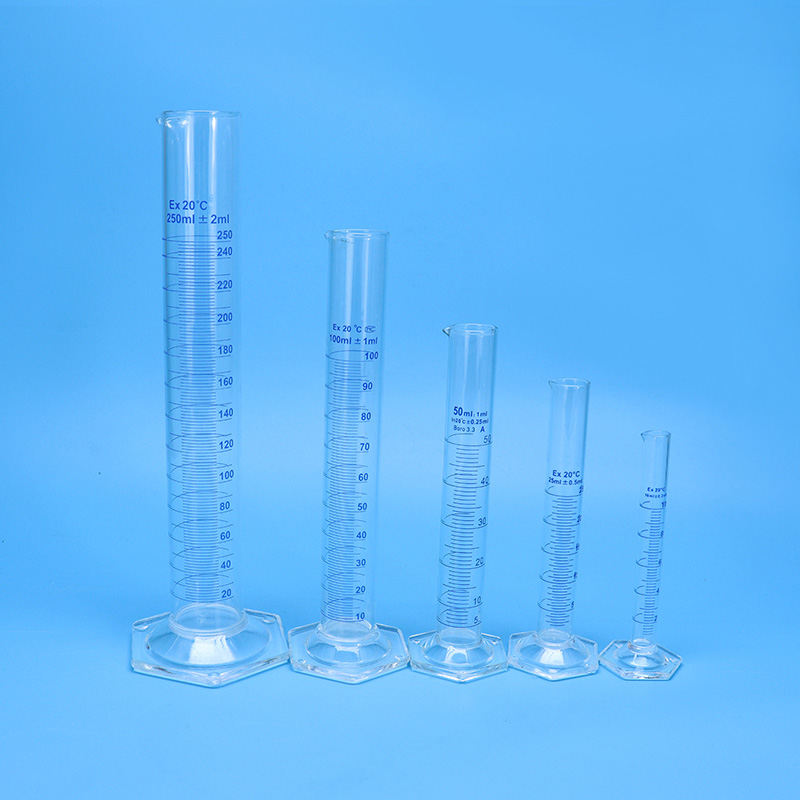
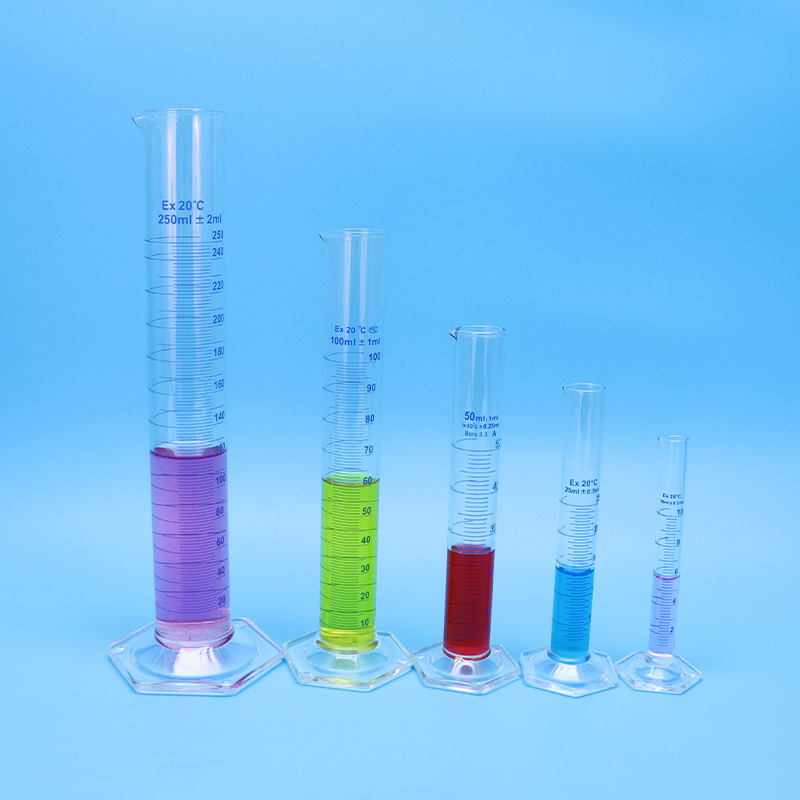
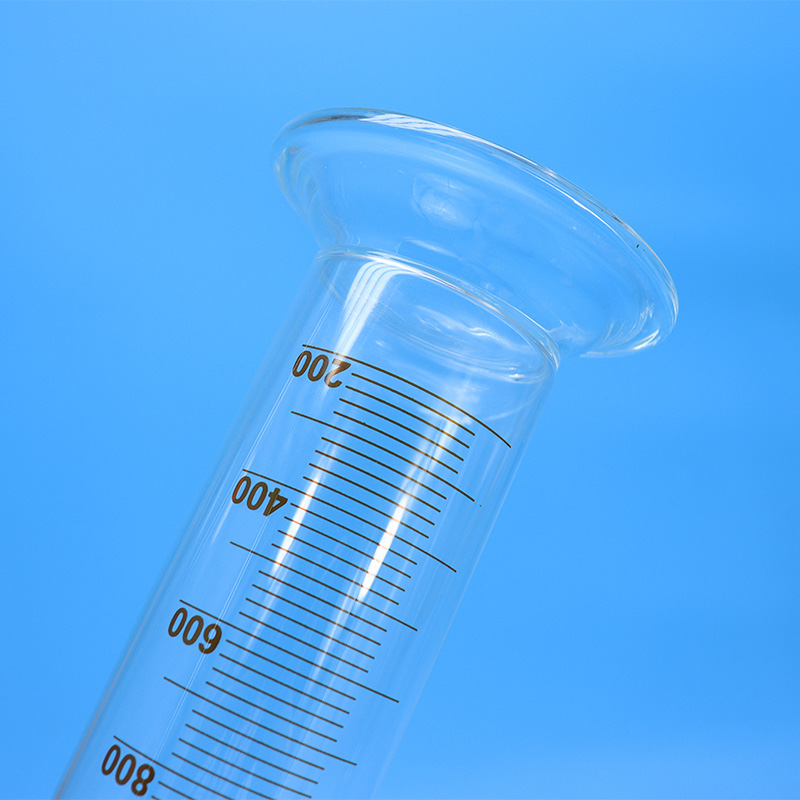
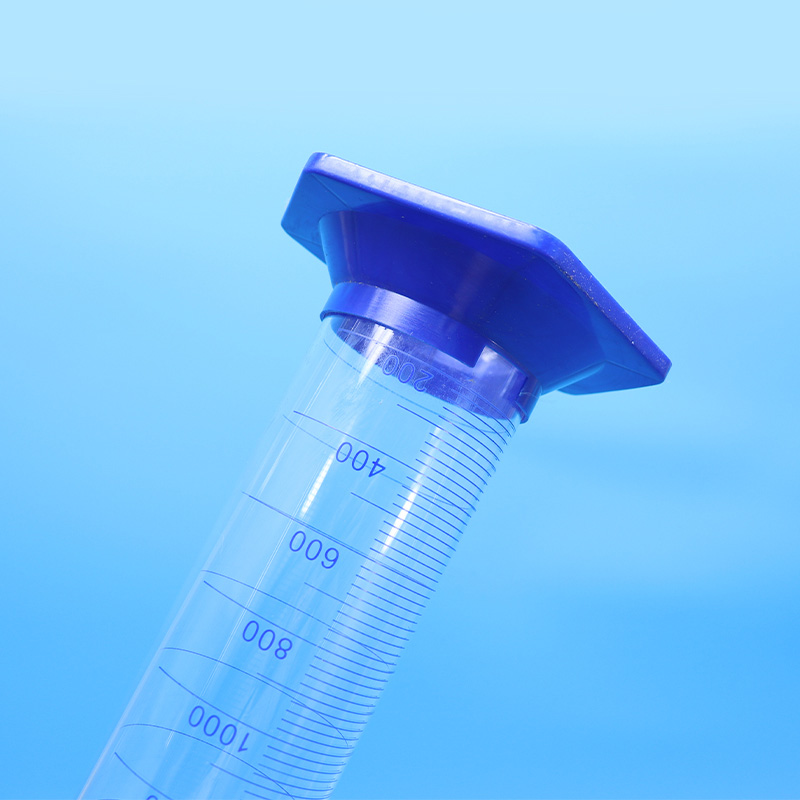
Measuring Cylinder Hexagon Base
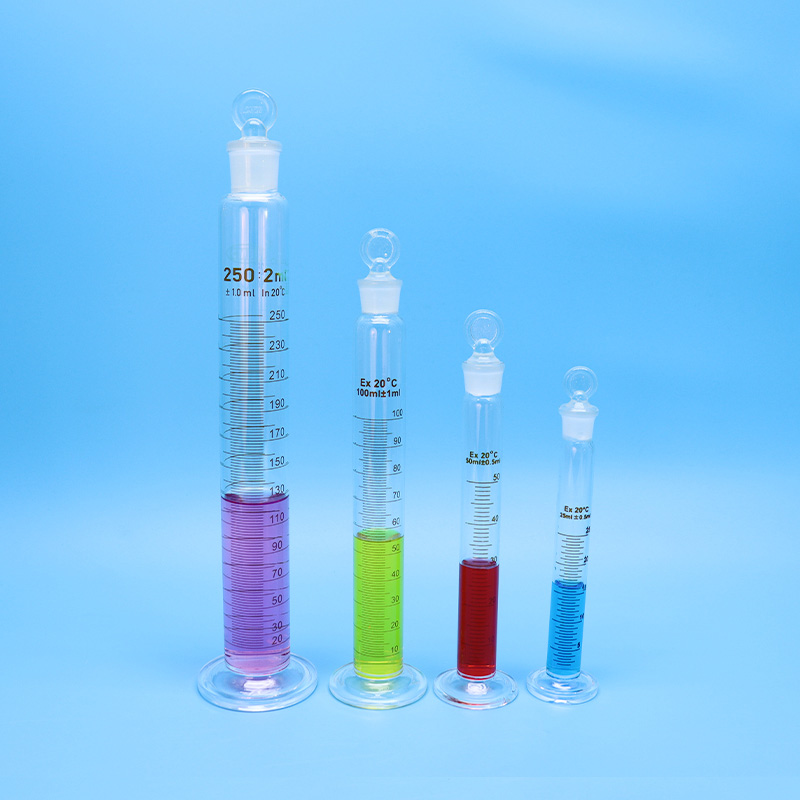
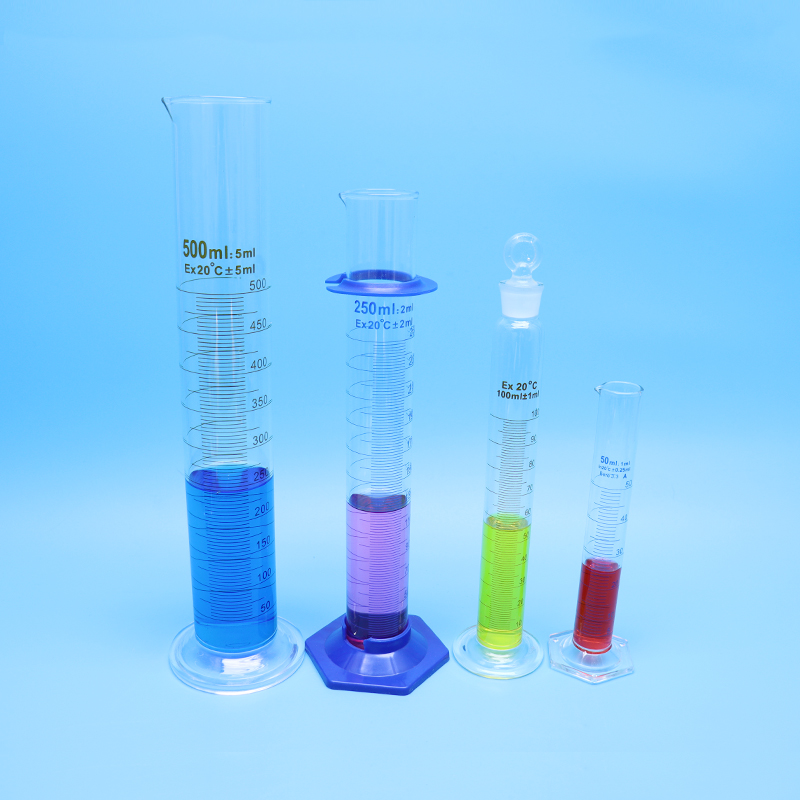
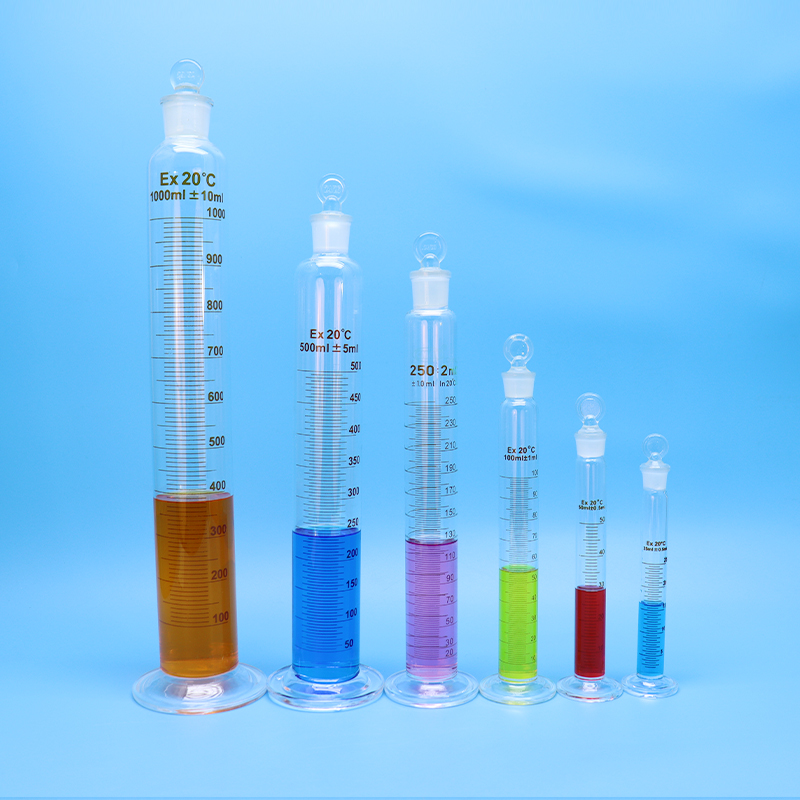
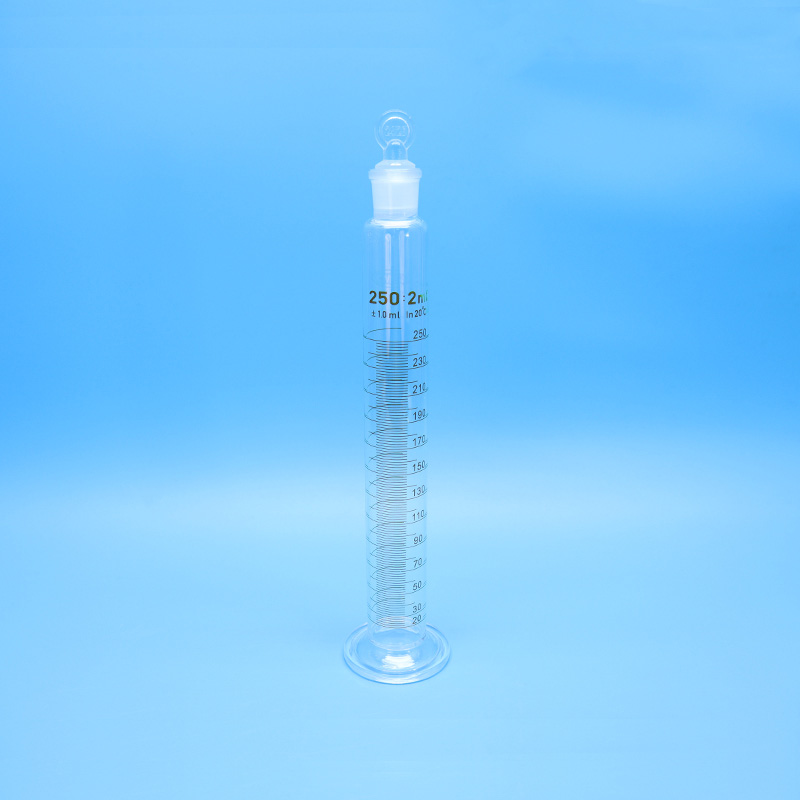
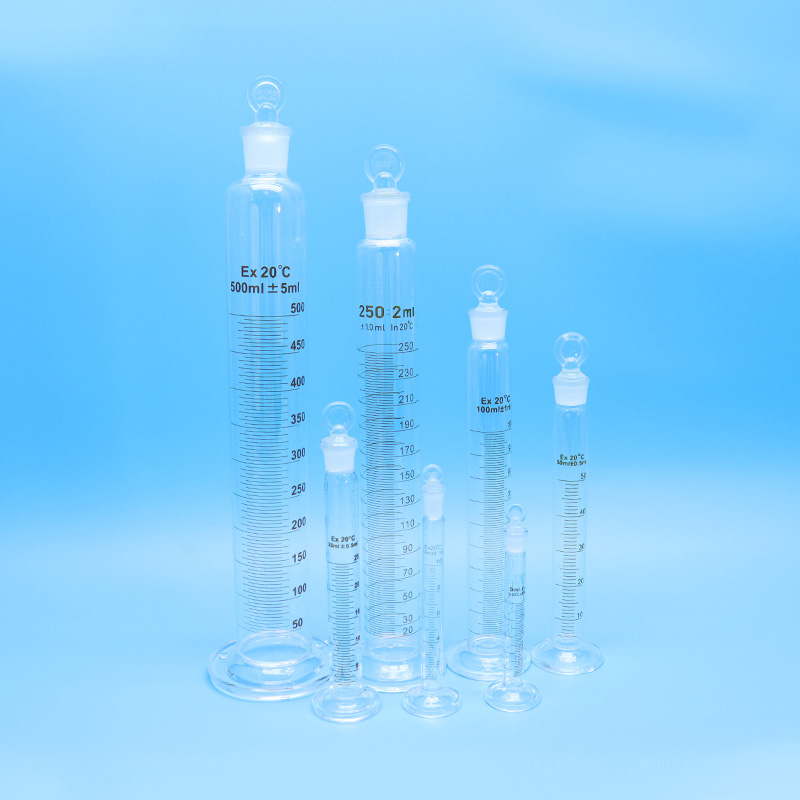
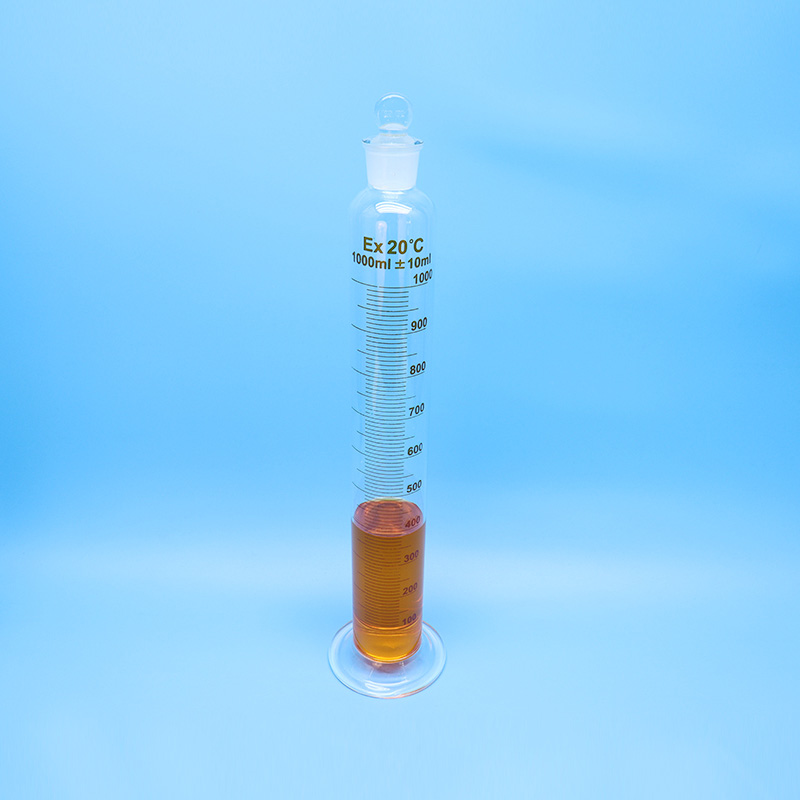
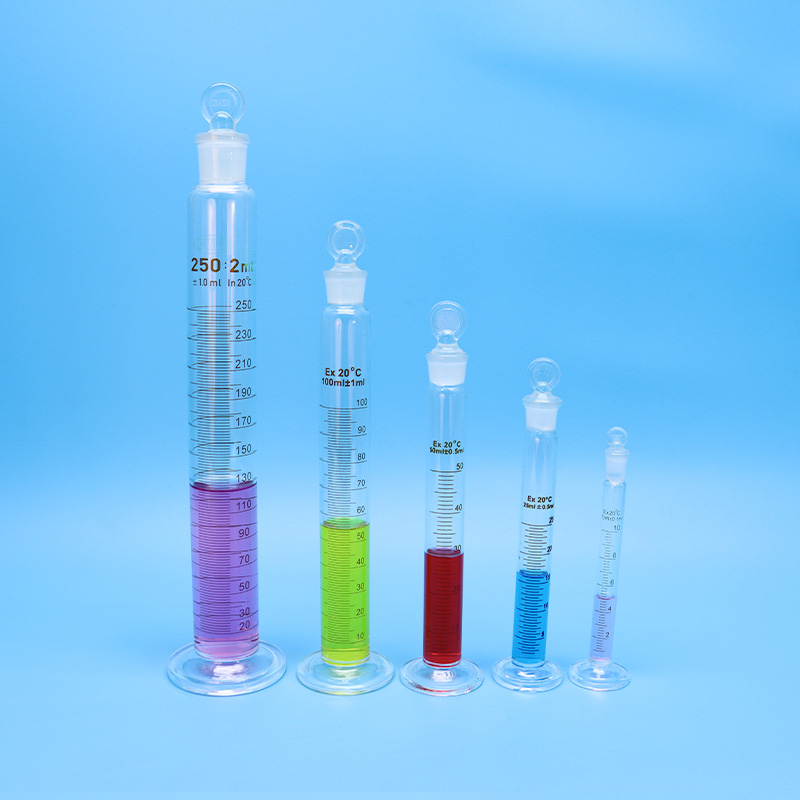
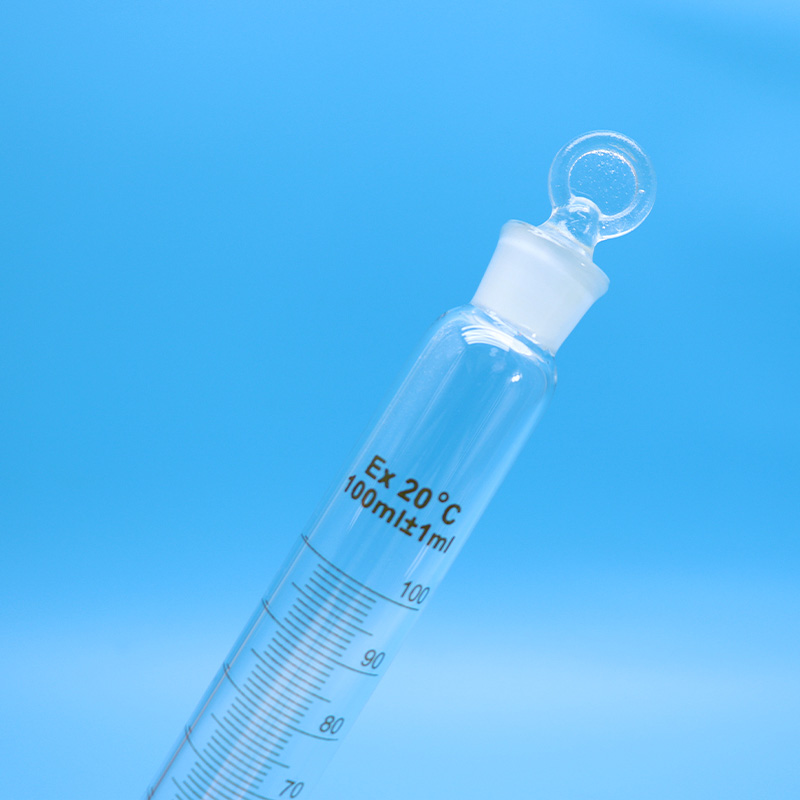
Measuring Cylinder With Glass Stopper
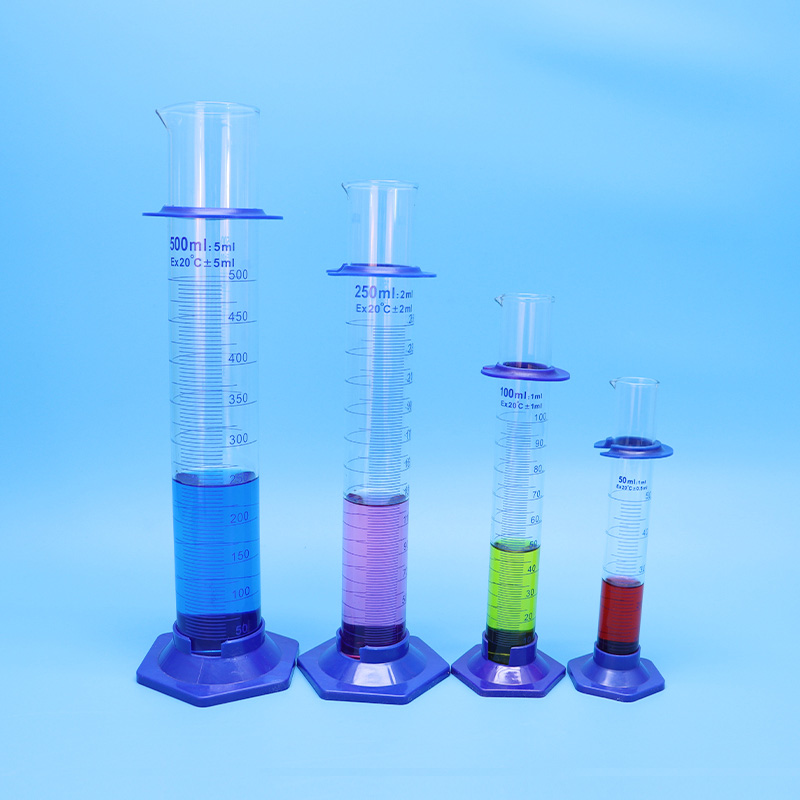
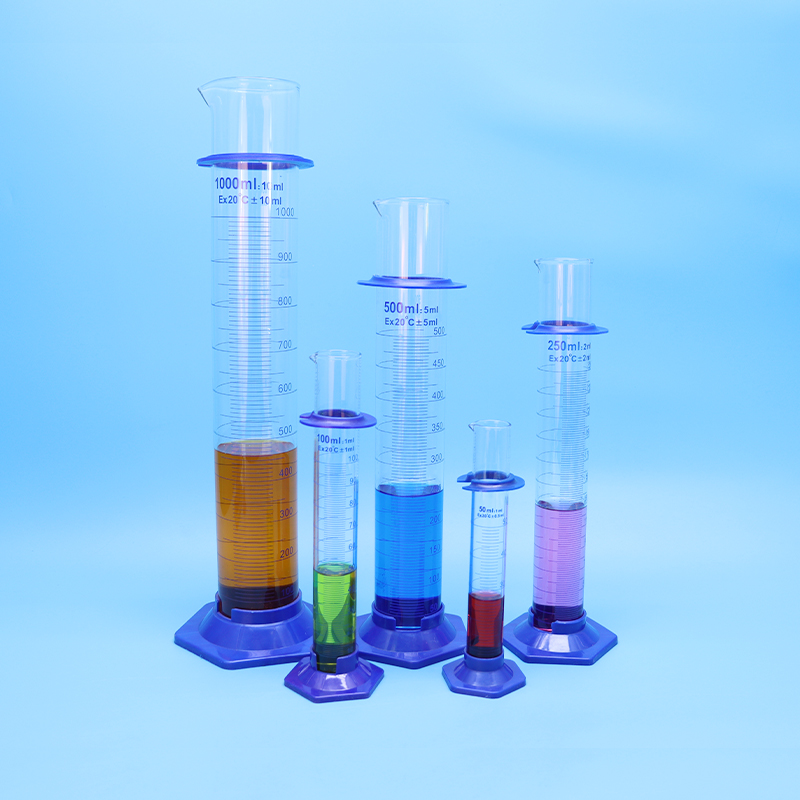
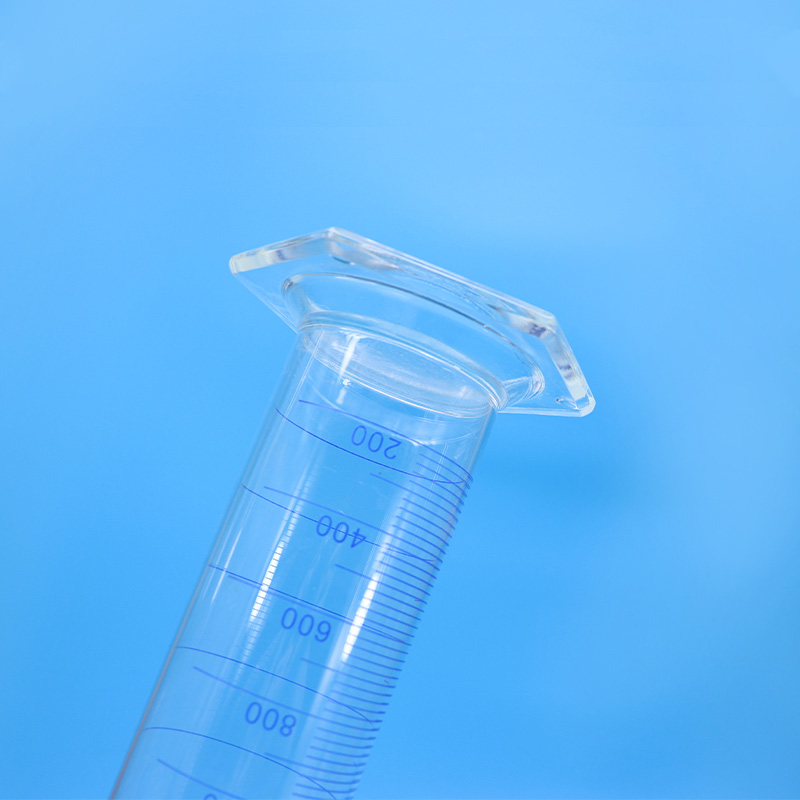
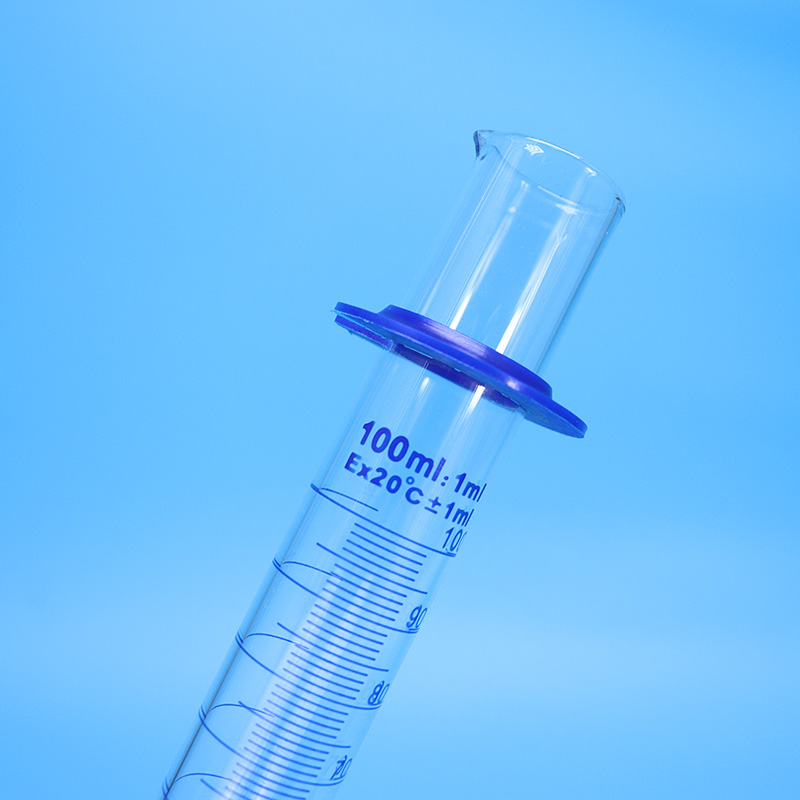
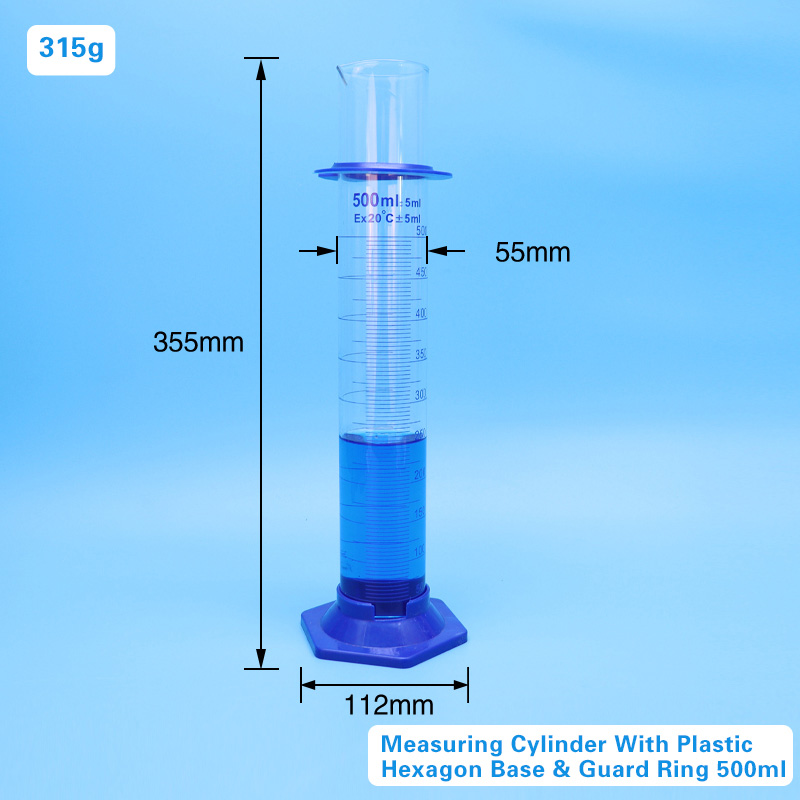
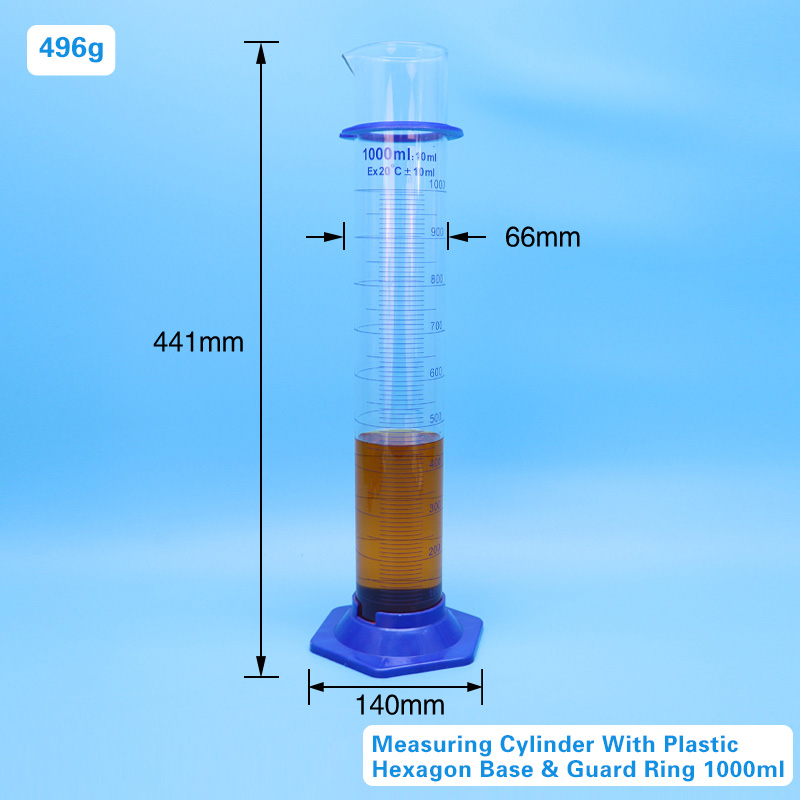
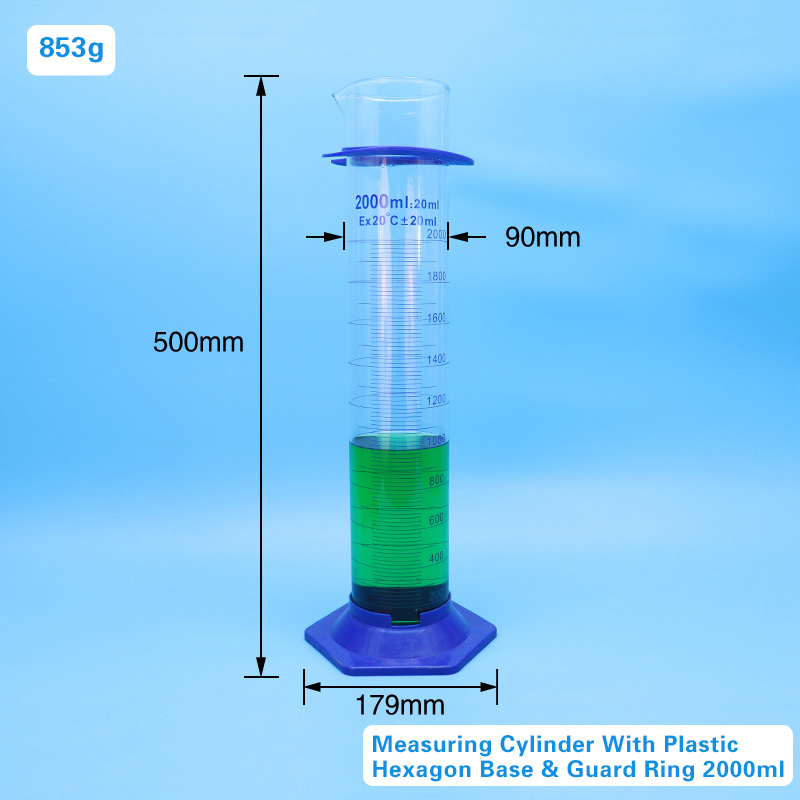
Measuring Cylinder With Plastic Hexagon Base & Guard Ring
Product Name: Glass Measuring Cylinder
Product Type: 5–2000ml
Product Material: High borosilicate glass
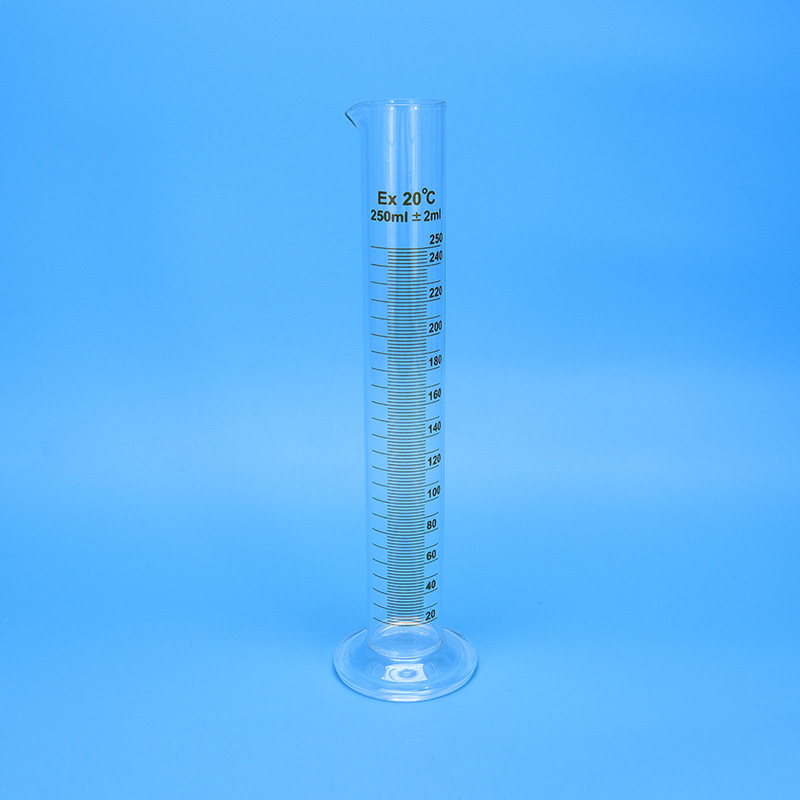
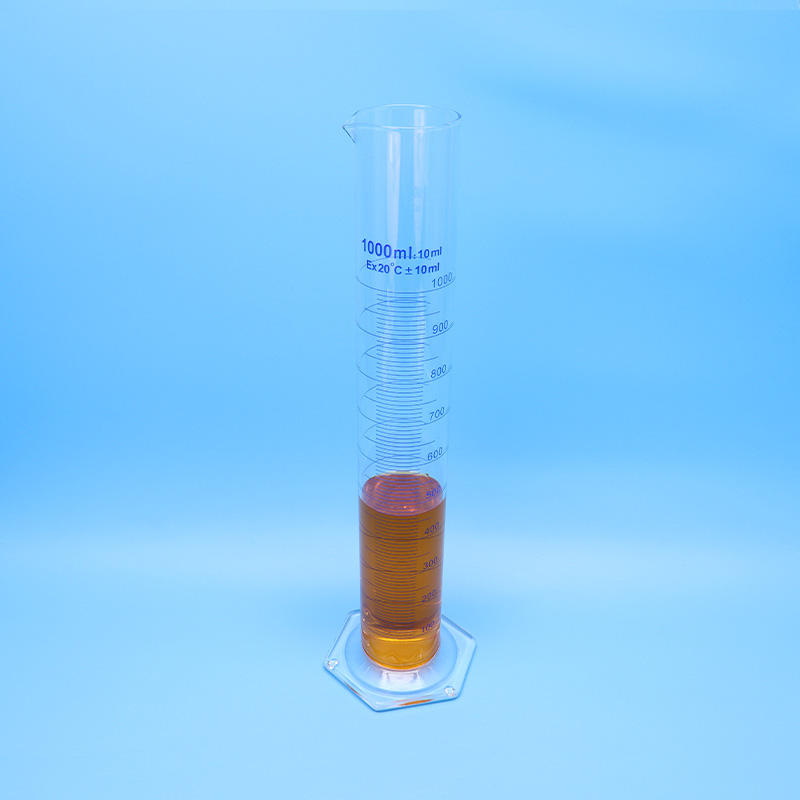
Product Introduction: The graduated cylinder is a tall, cylindrical container with a spout on one side of the top for easy pouring. The bottom has a wide base to maintain stability. The walls of the cylinder are marked with graduations from bottom to top. When reading the measurement, the experimenter should ensure that their line of sight is level with the lowest point of the liquid's meniscus.
Product Show
- Made of BORO3.3 high borosilicate glass, resistant to high temperatures and corrosion.
- The color is clean and transparent, and the simple opening is smooth without gnaw marks.
- The overflow outlet (mold forming) allows smooth and controllable liquid flow.
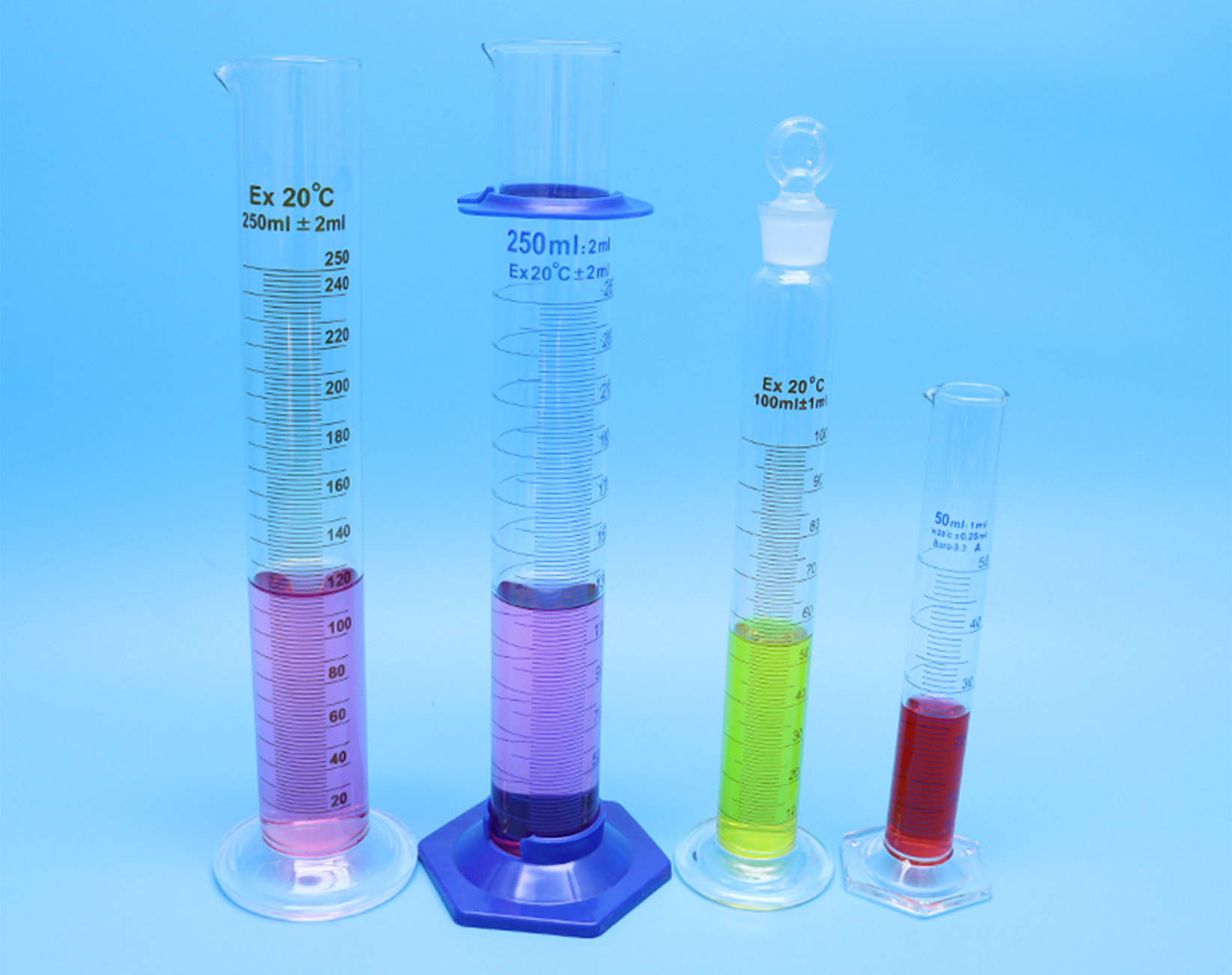
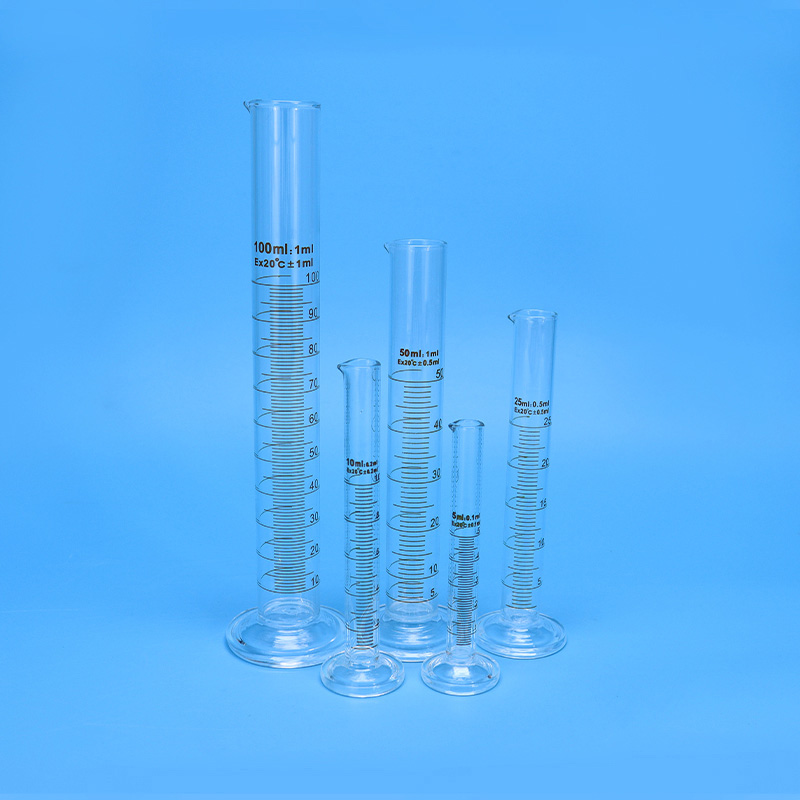
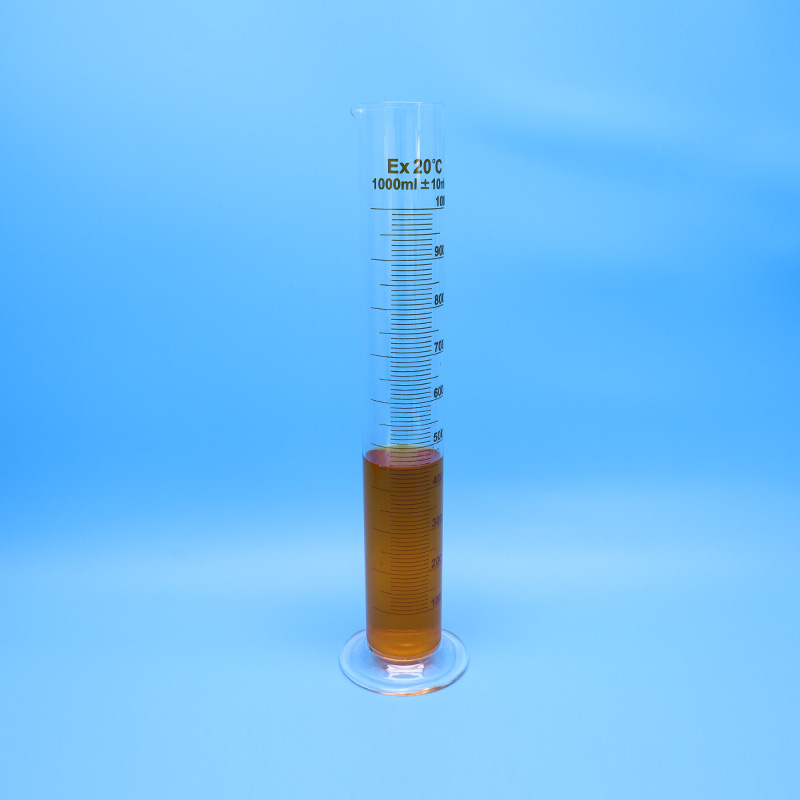
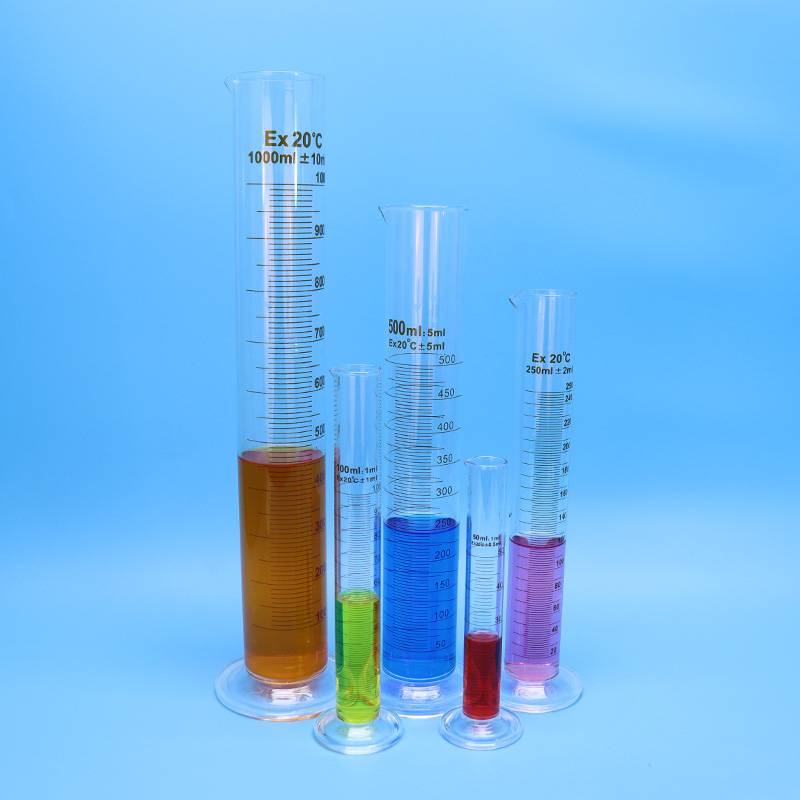
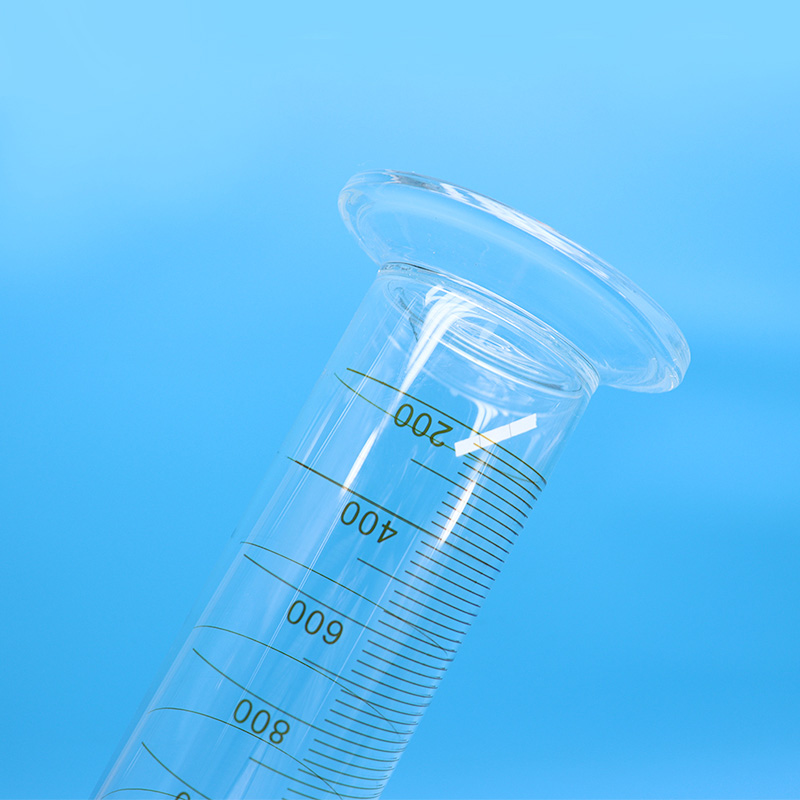
Measuring Cylinder Round Base Show
Measuring Cylinder Hexagon Base Show
Measuring Cylinder With Glass Stopper Show
Measuring Cylinder With Plastic Hexagon Base & Guard Ring Show
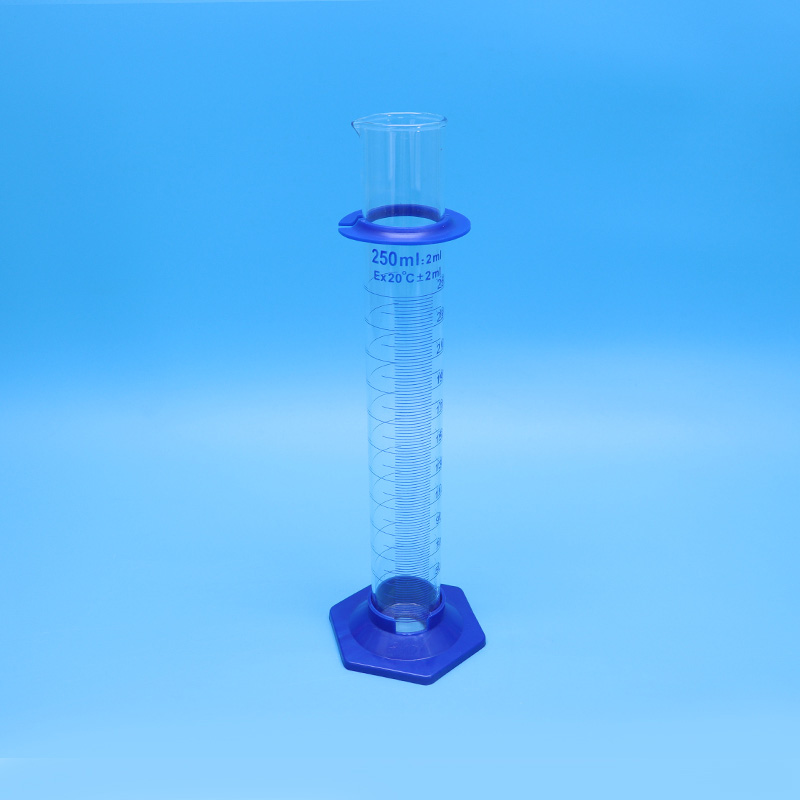
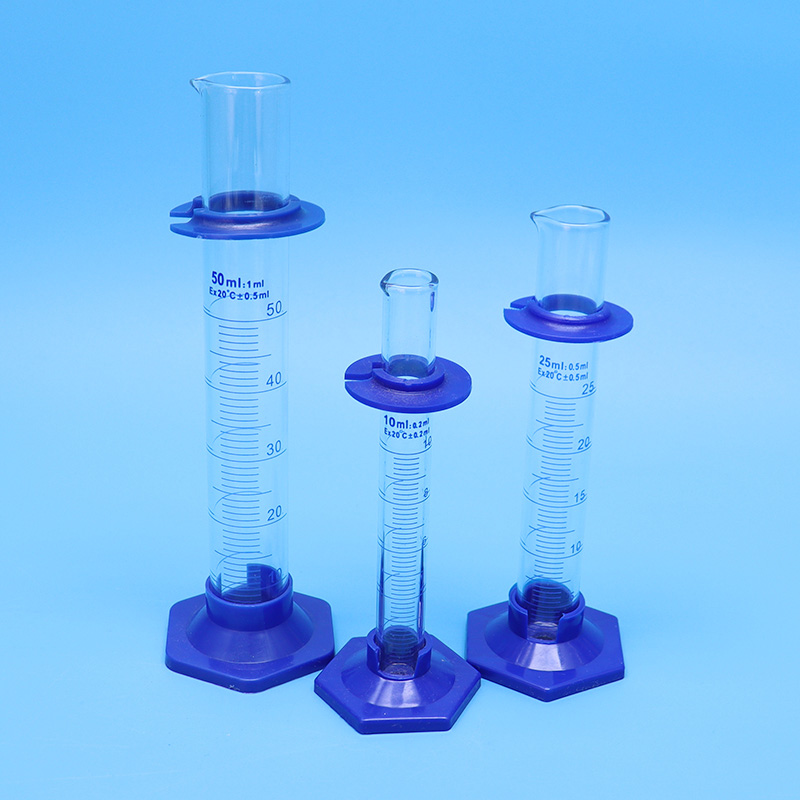
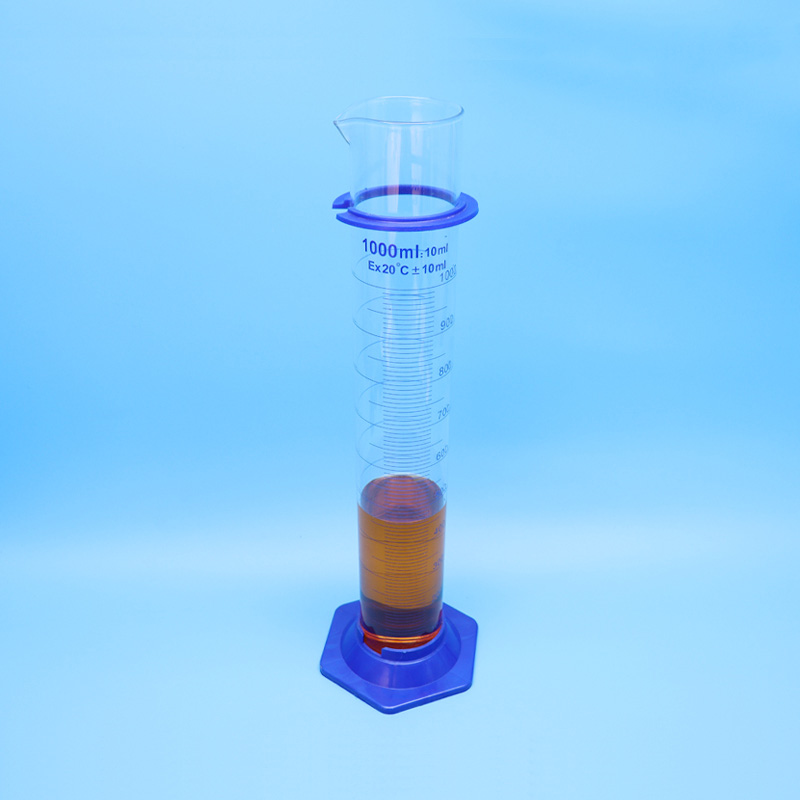
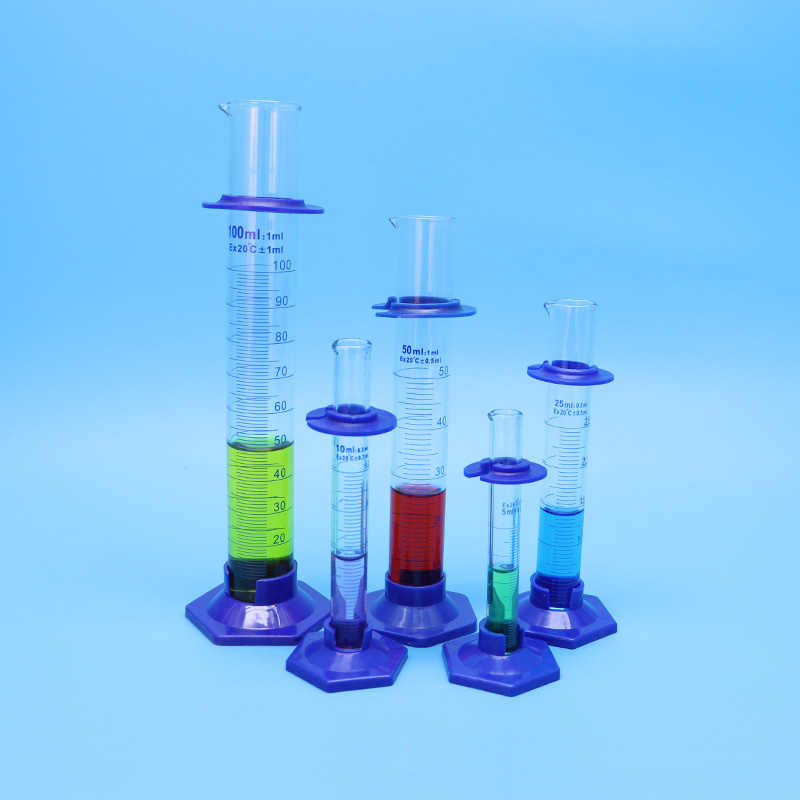
Product Details Show
Size Show
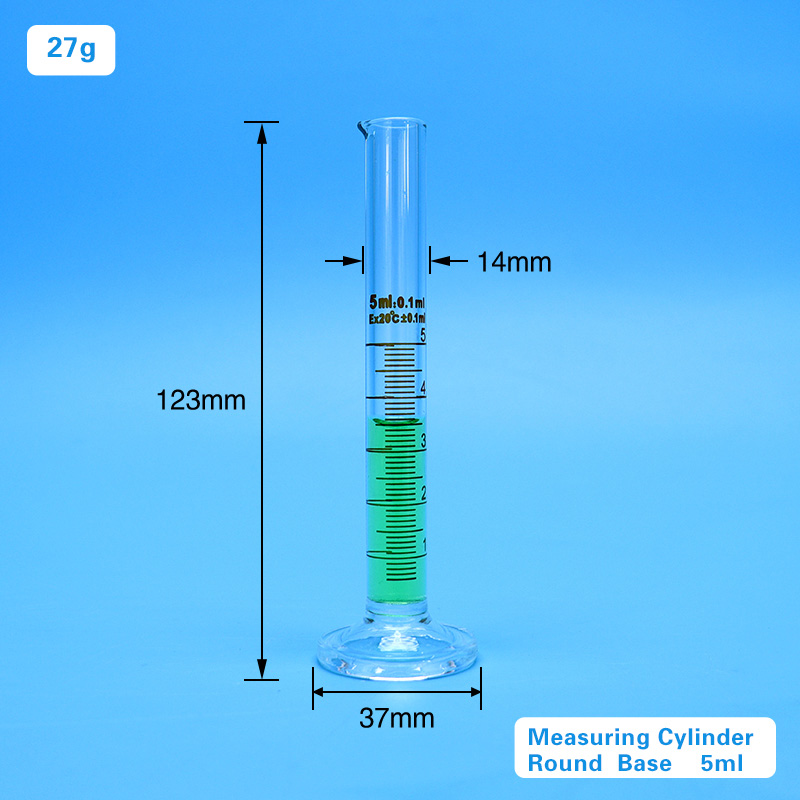
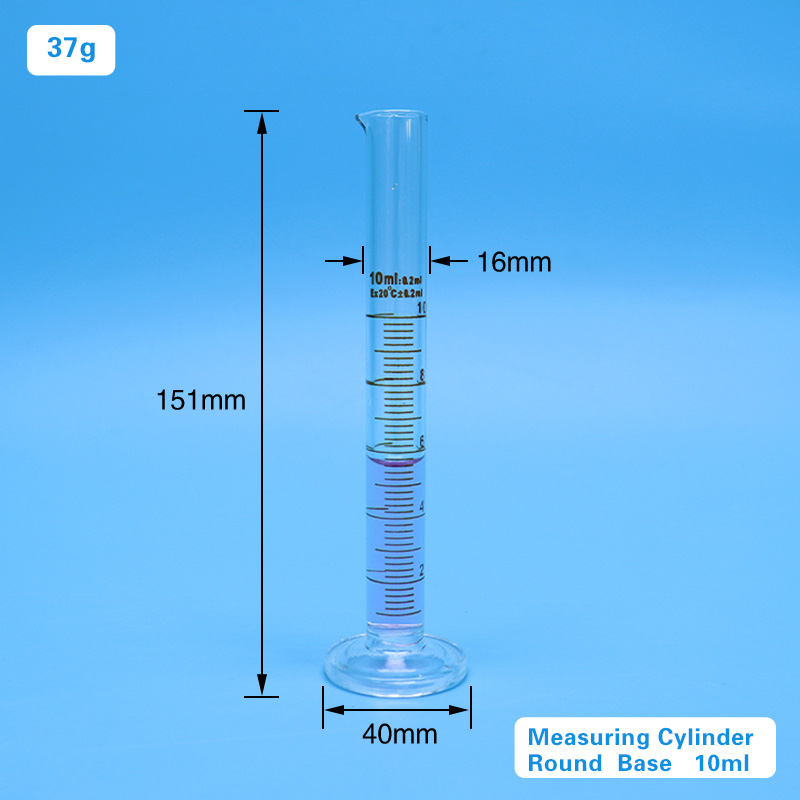
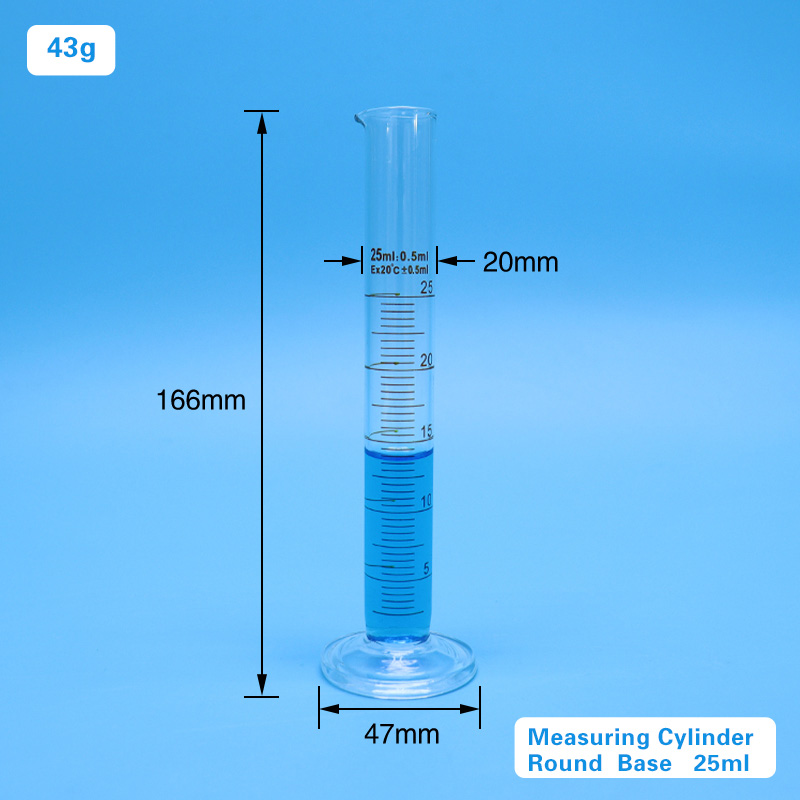
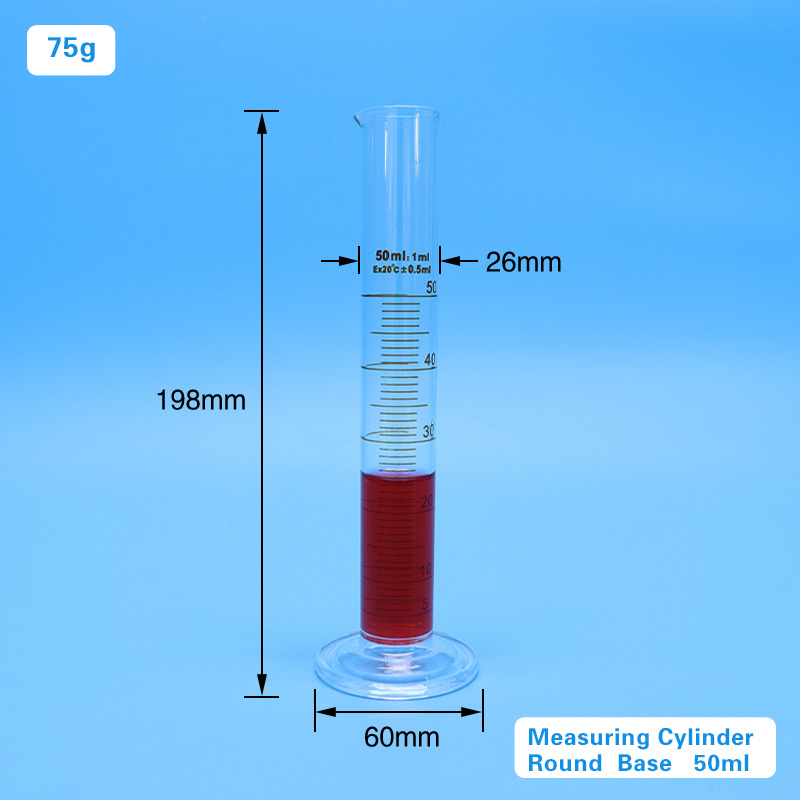
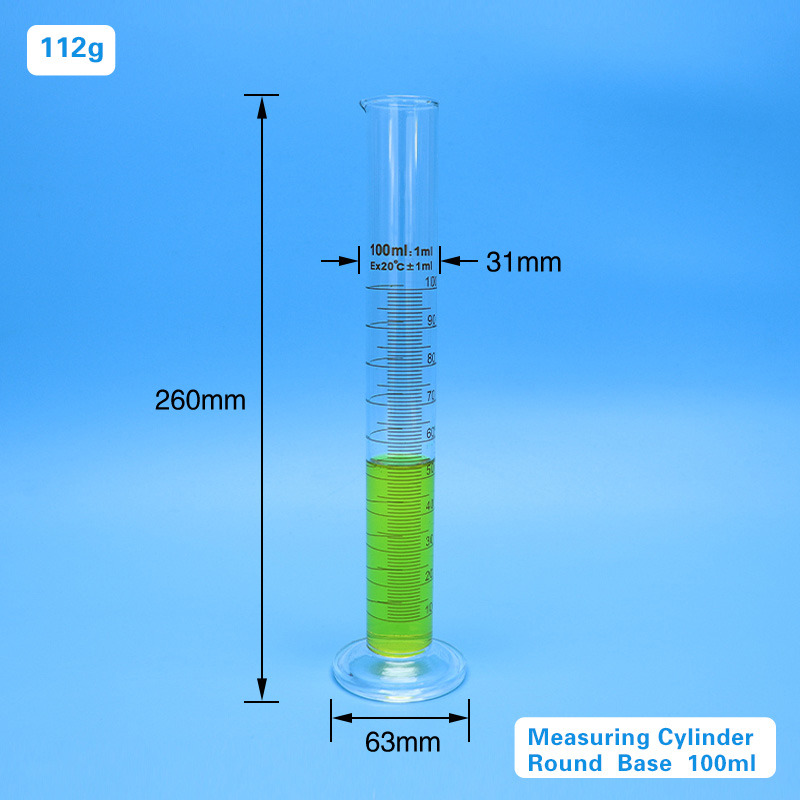
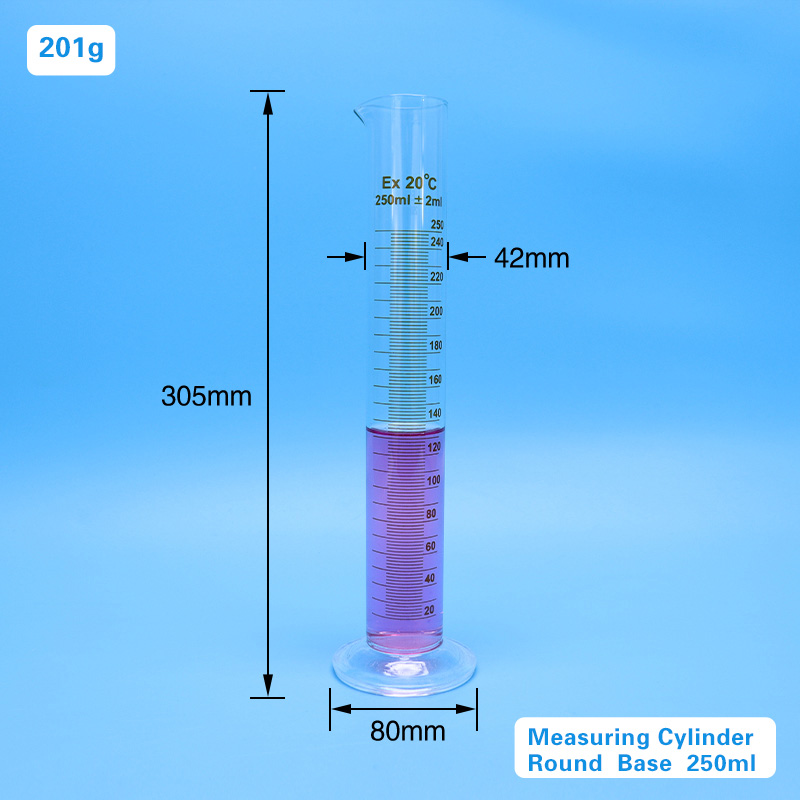
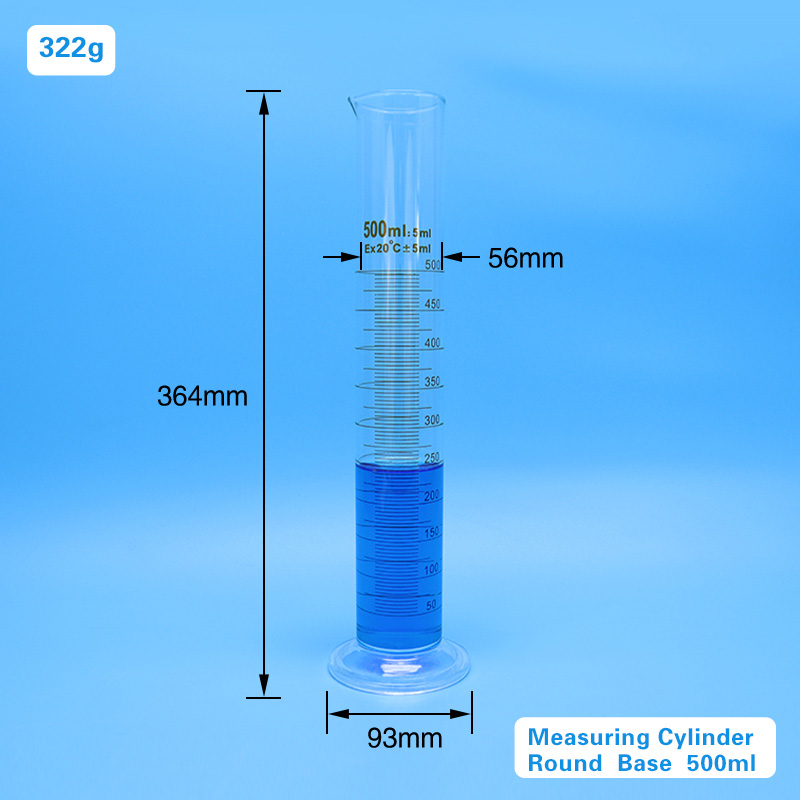
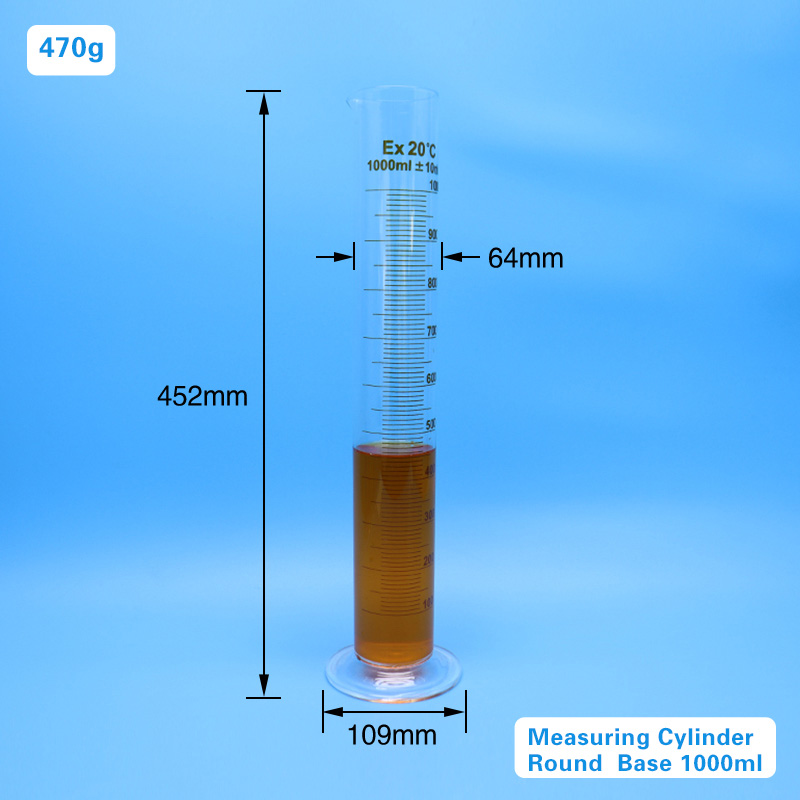
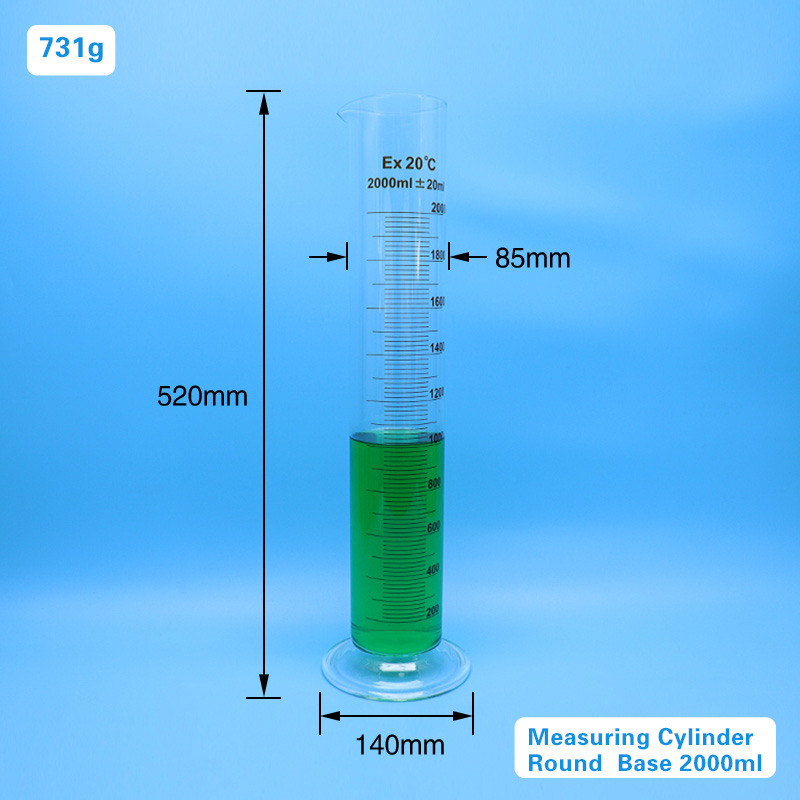
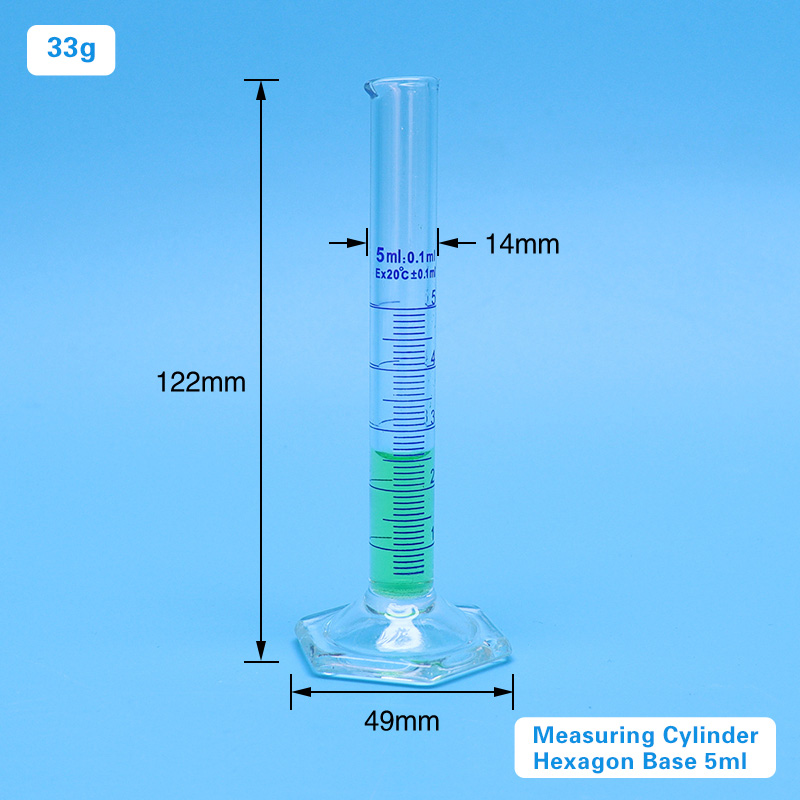
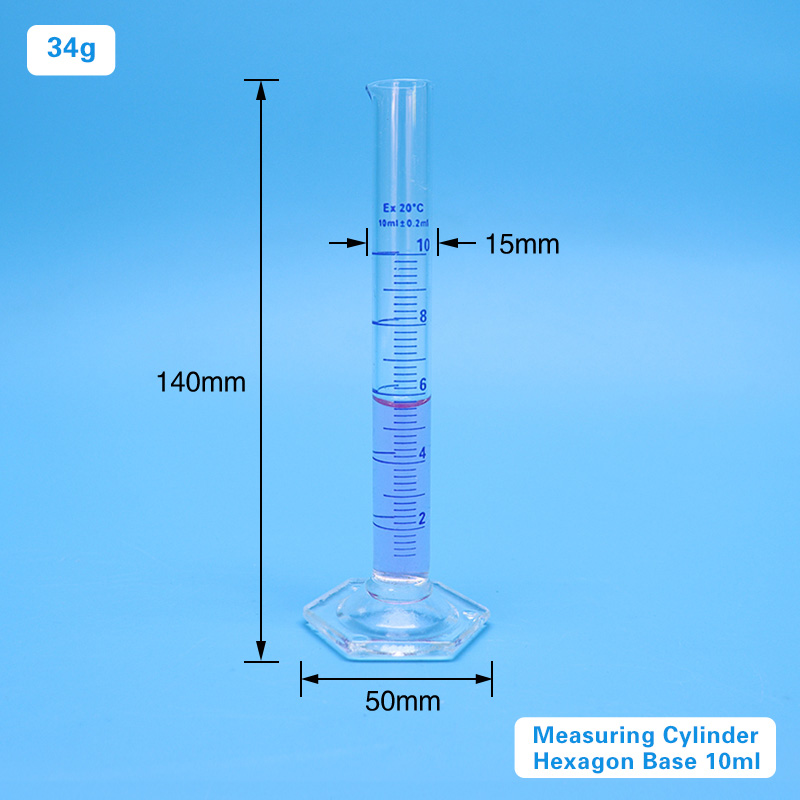
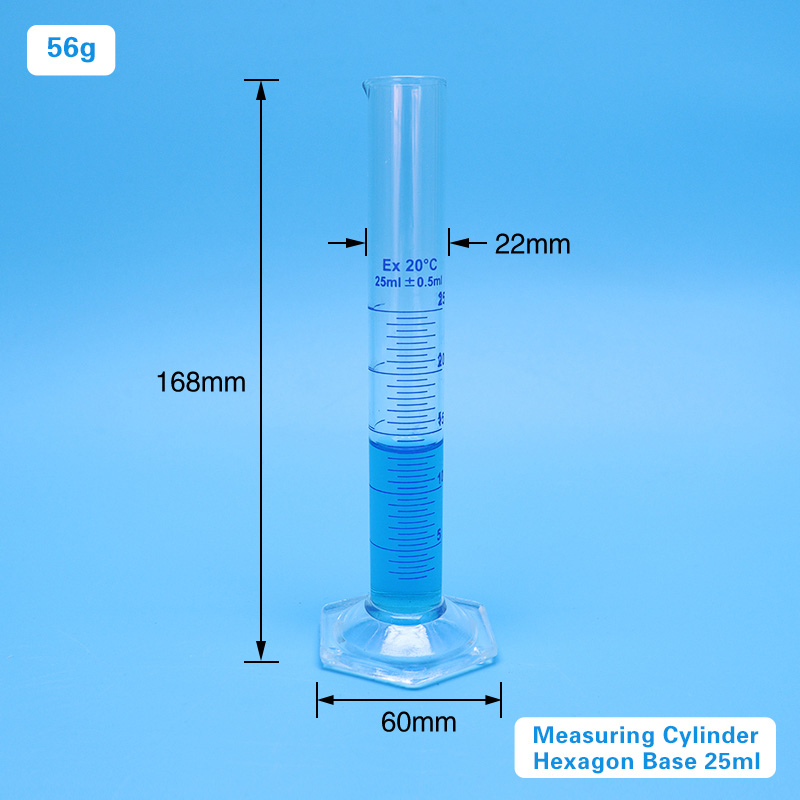
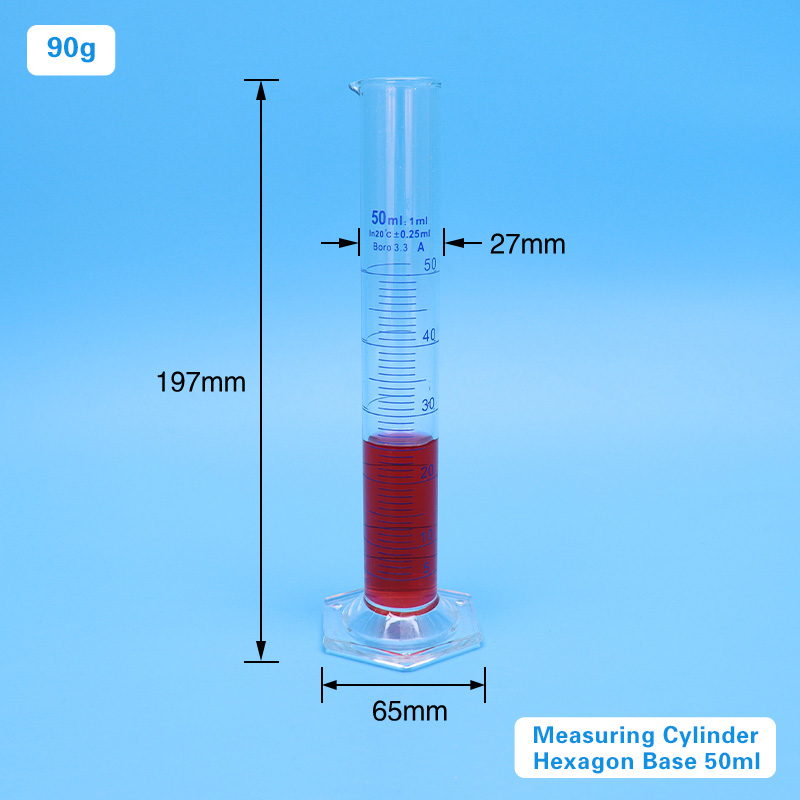
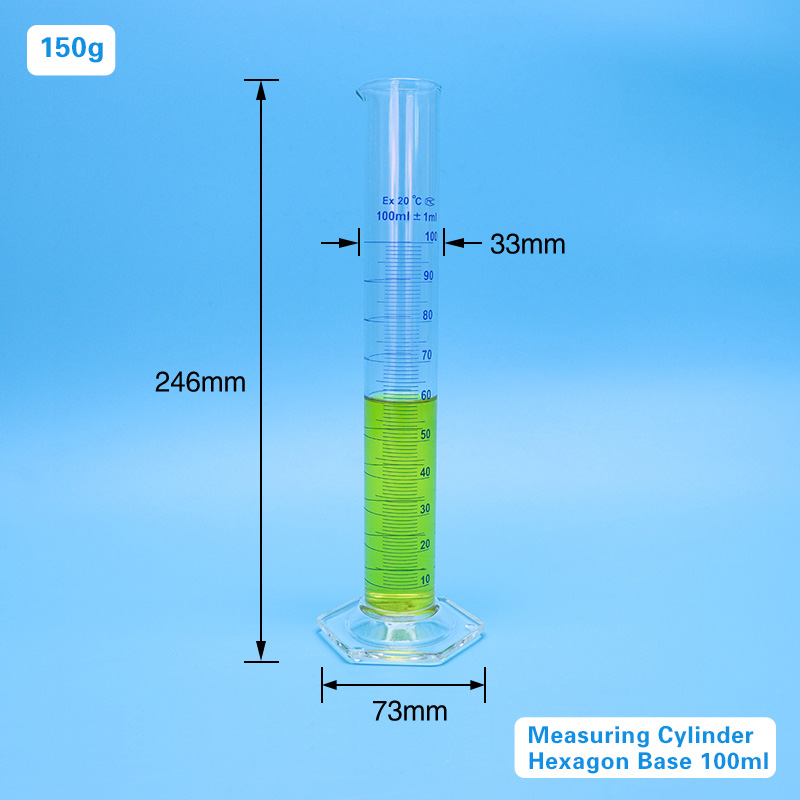
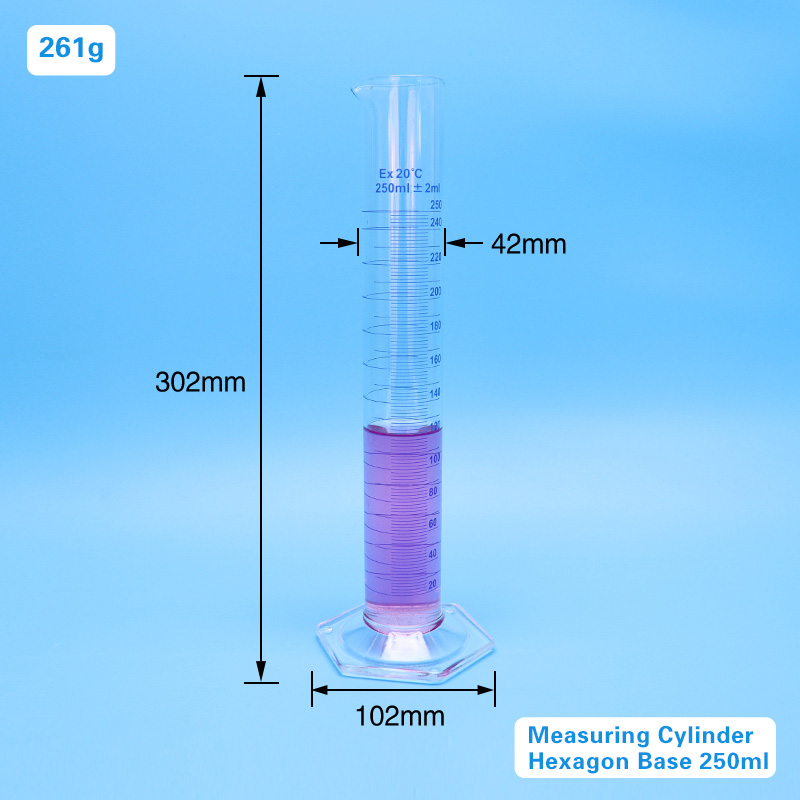
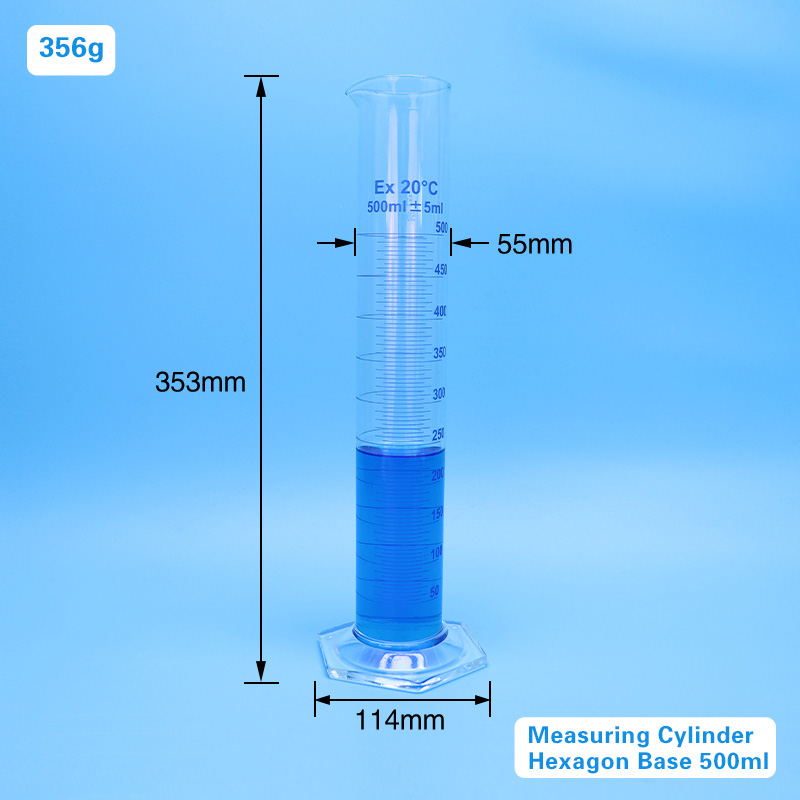
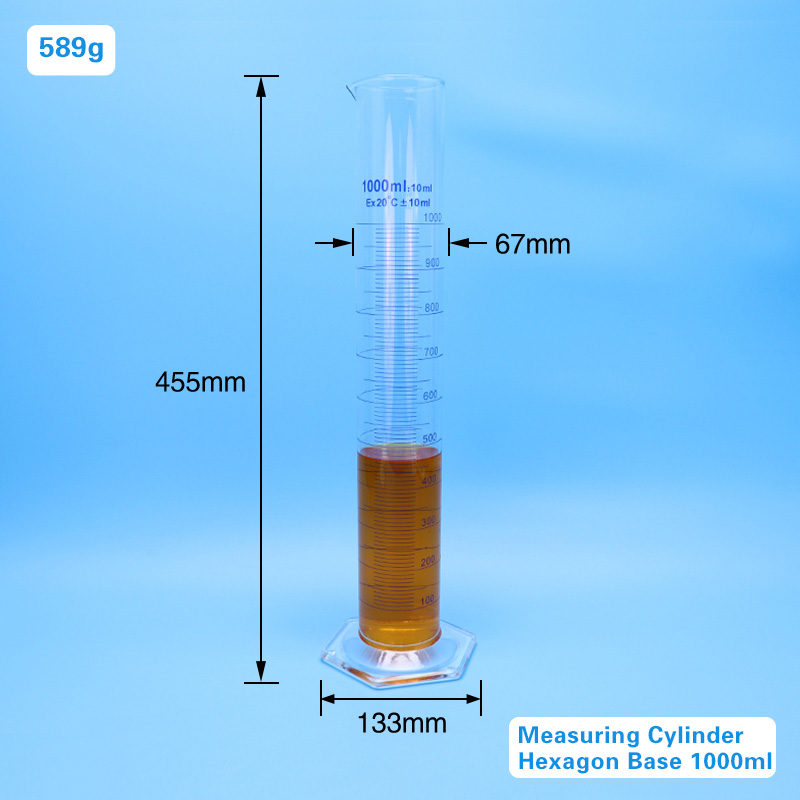
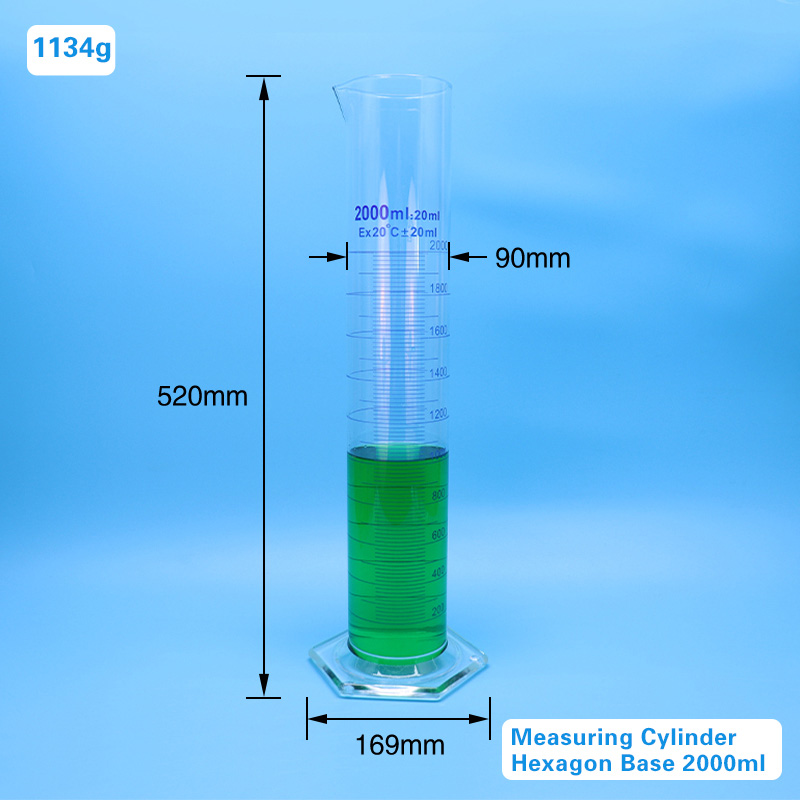
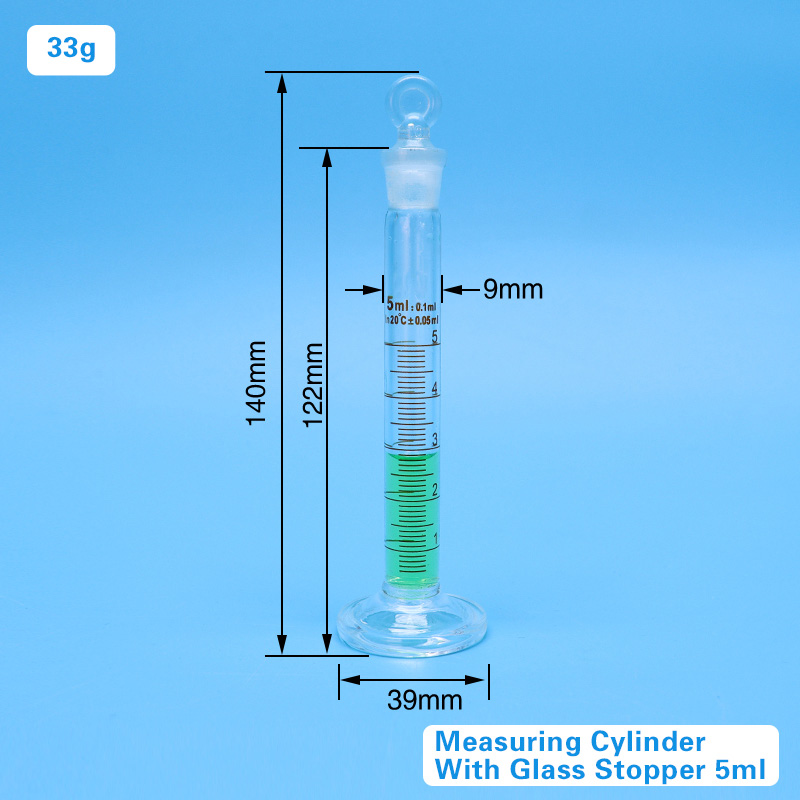
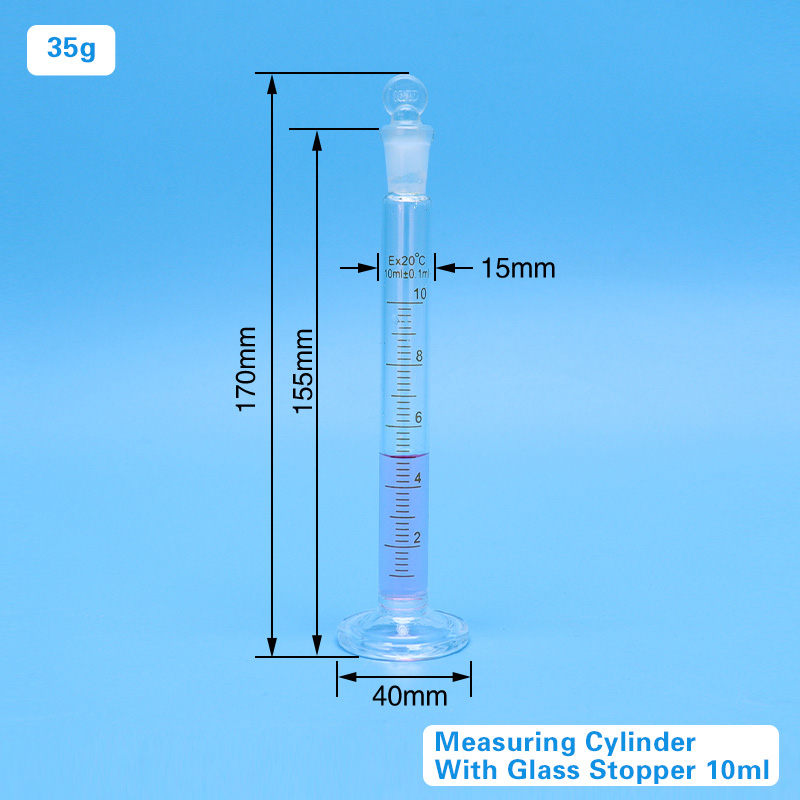
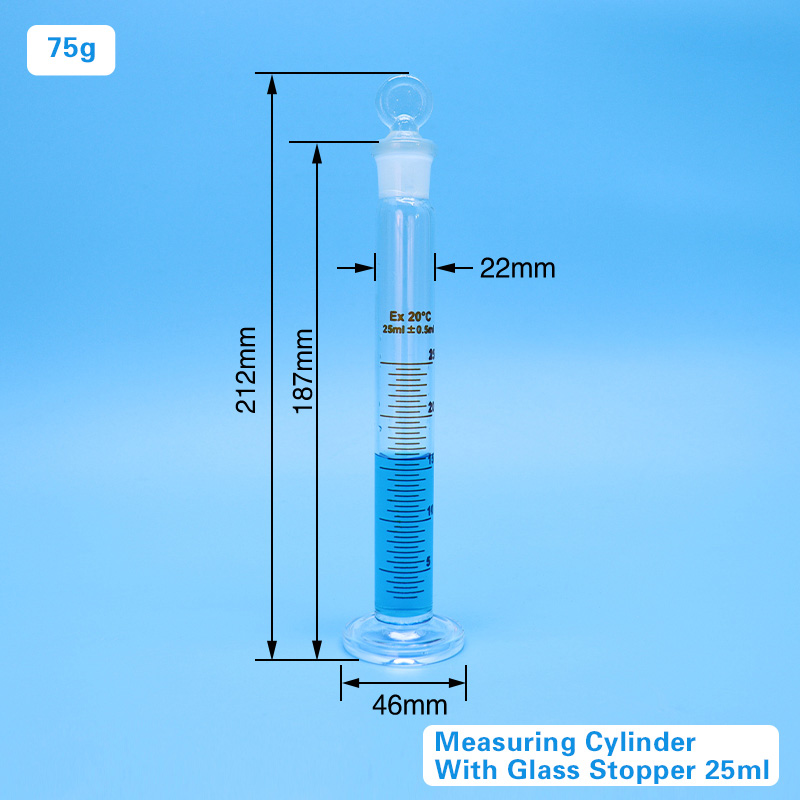
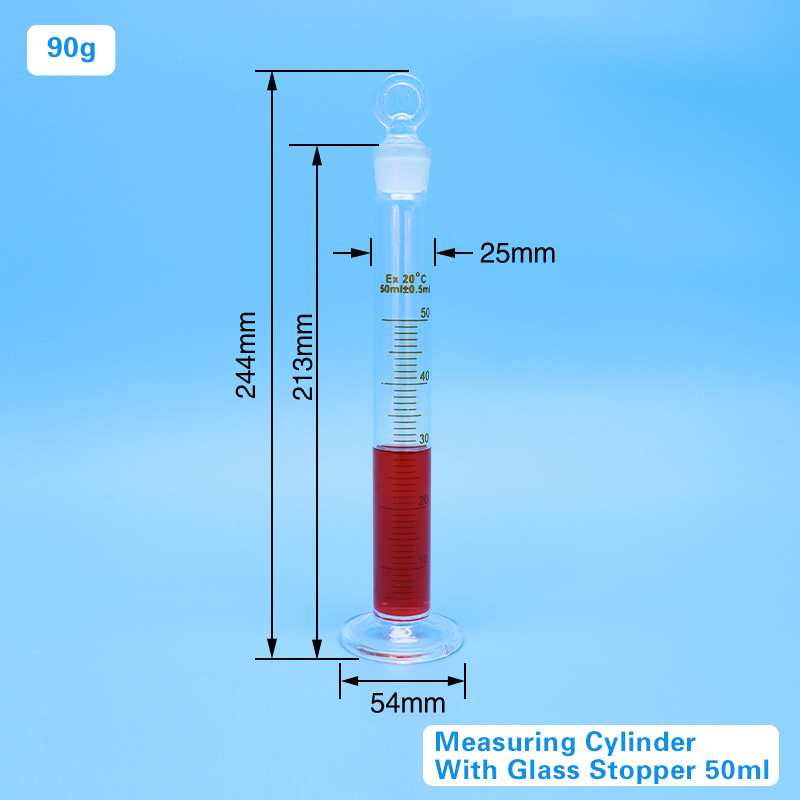
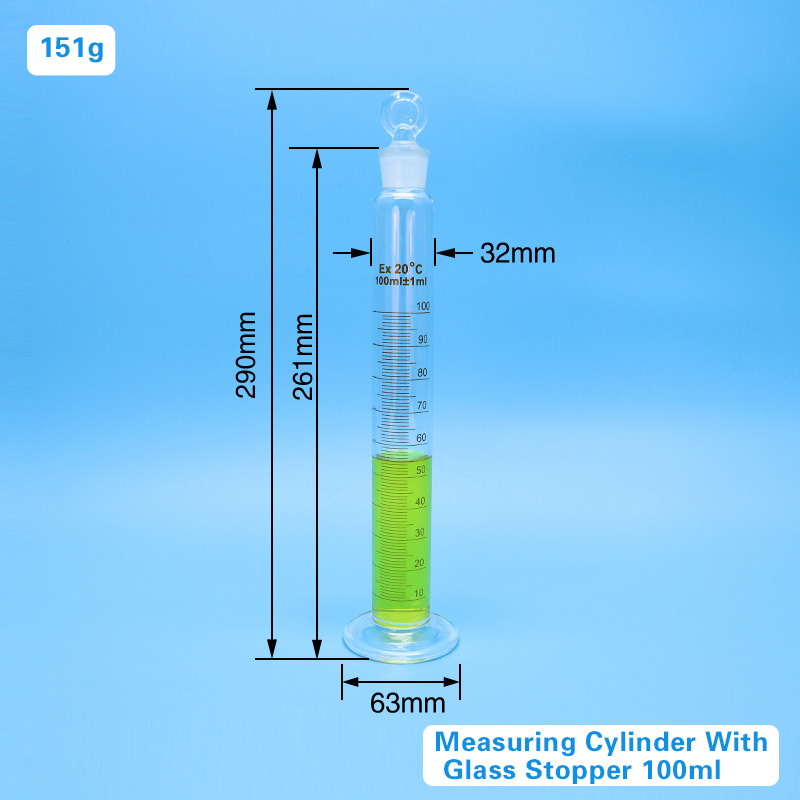
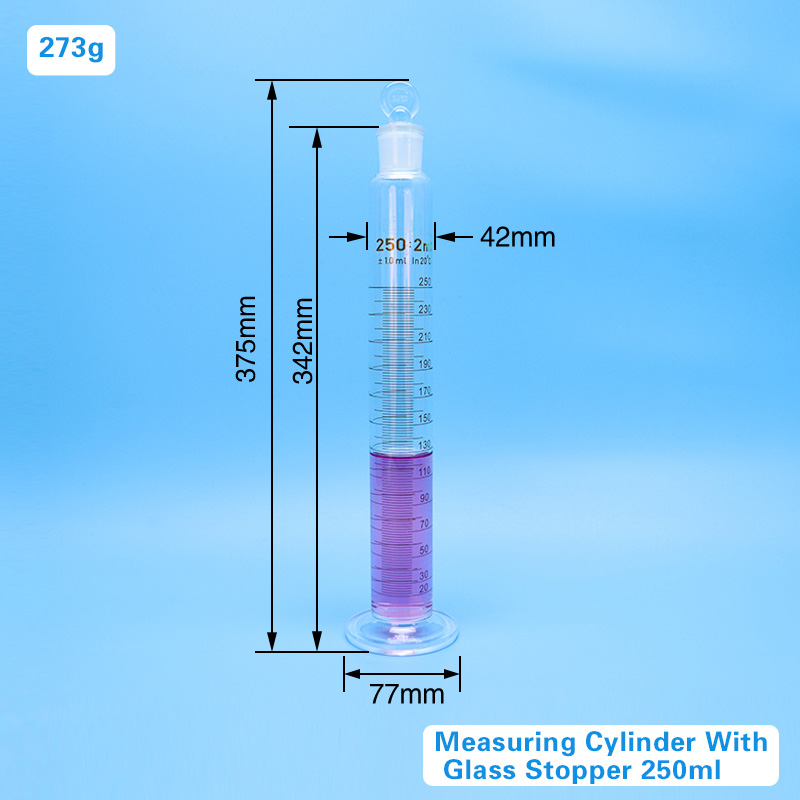
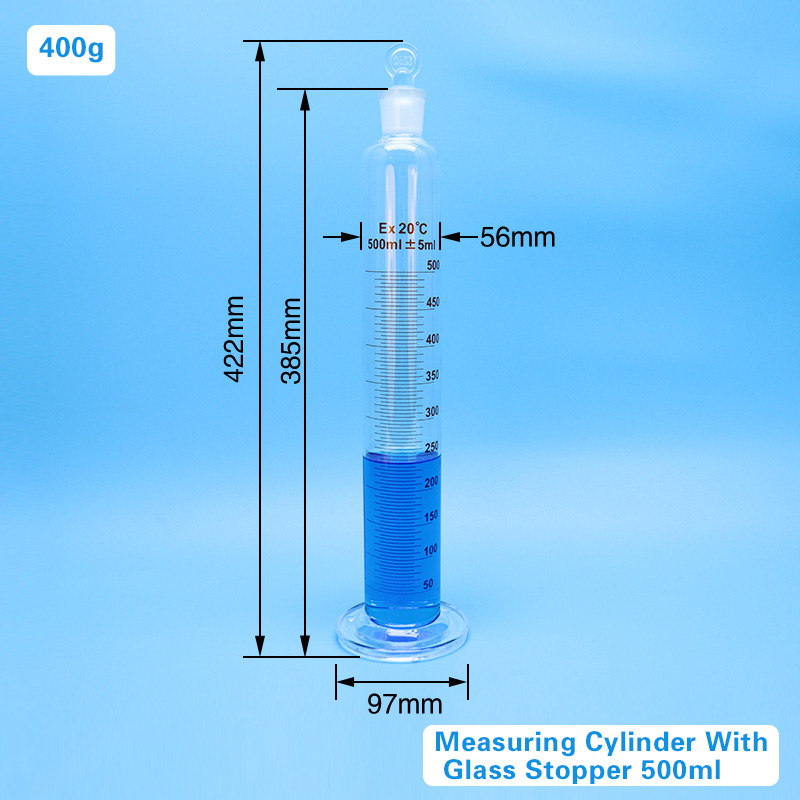
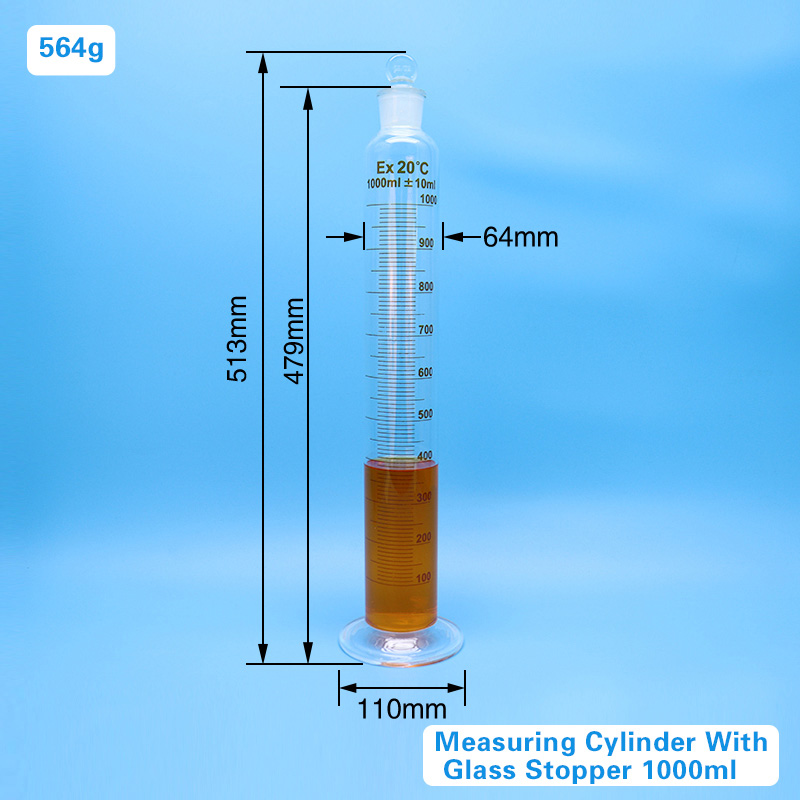
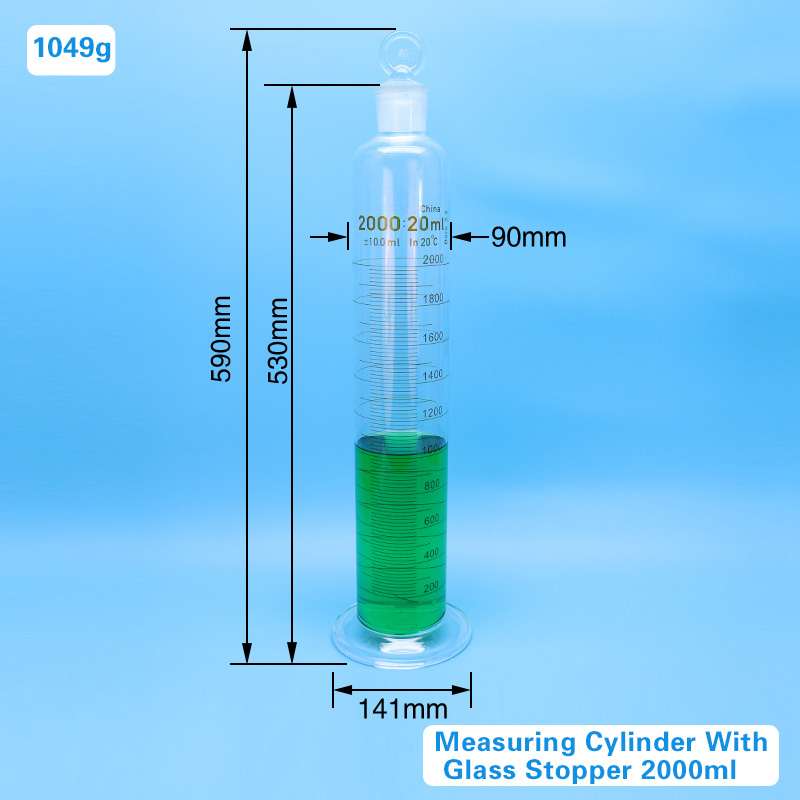
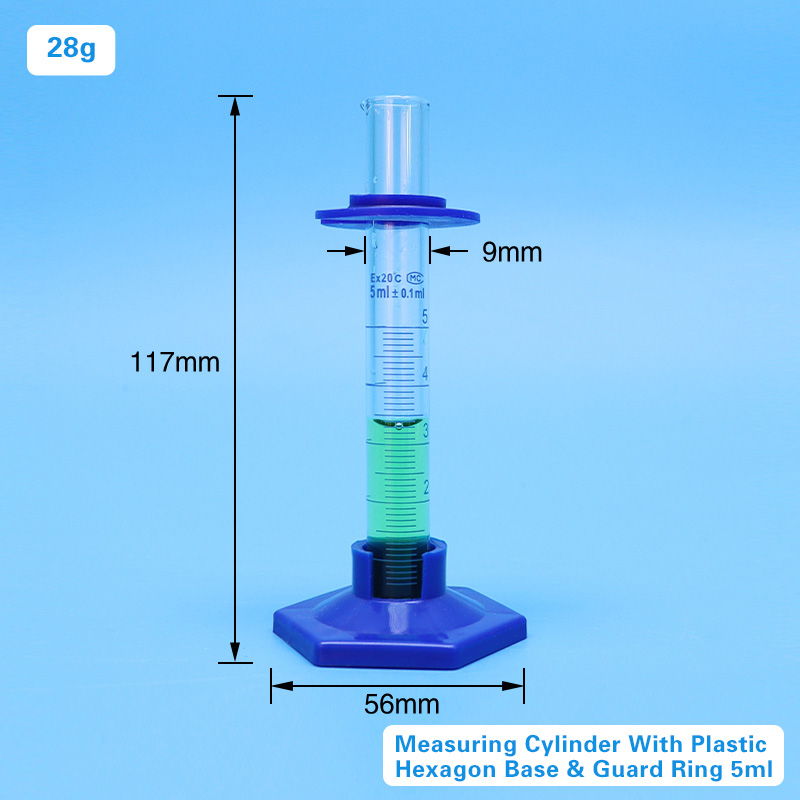
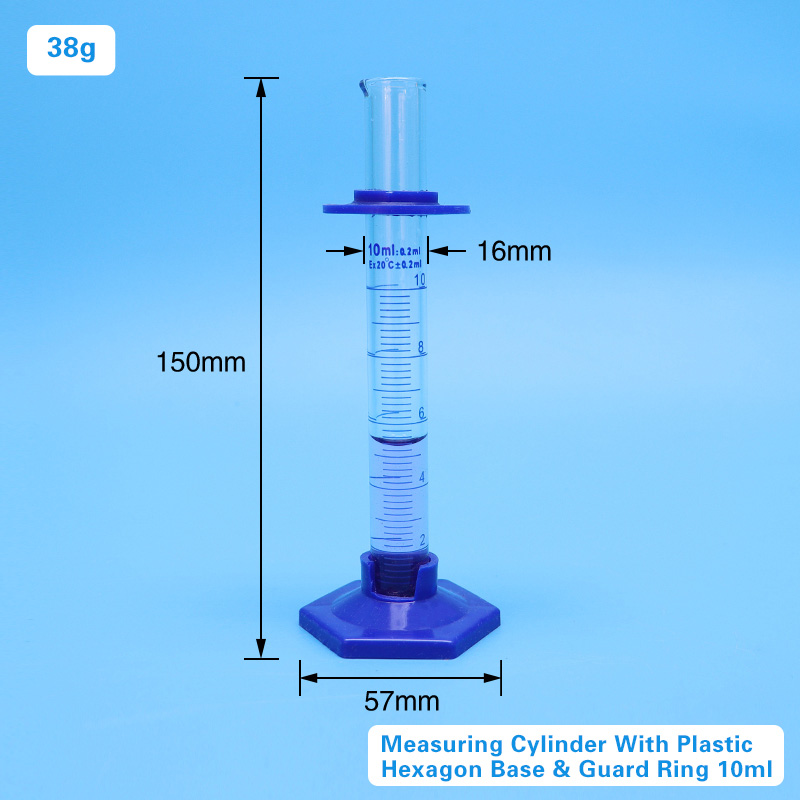
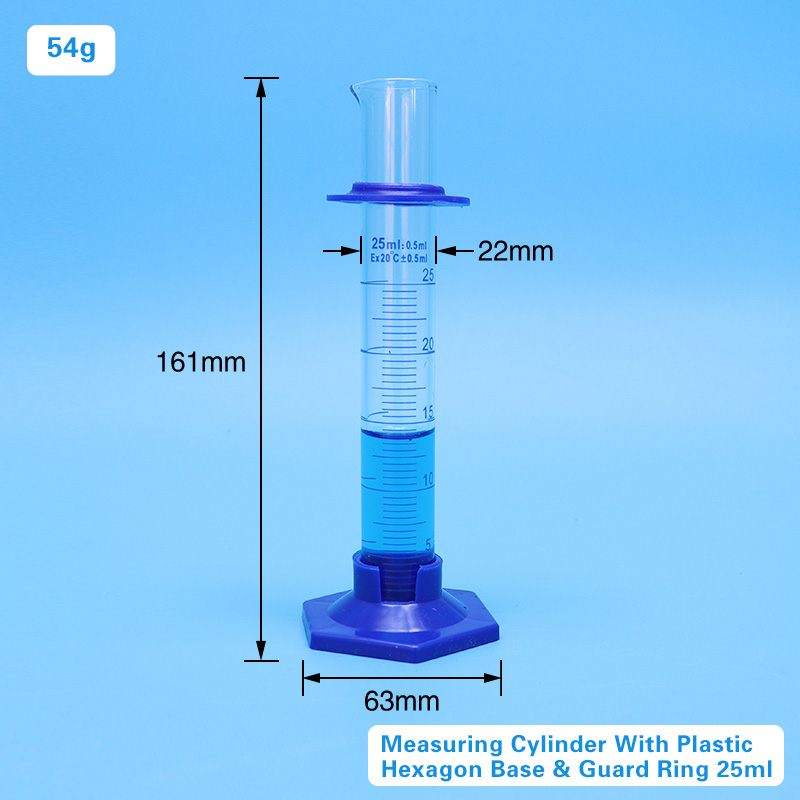
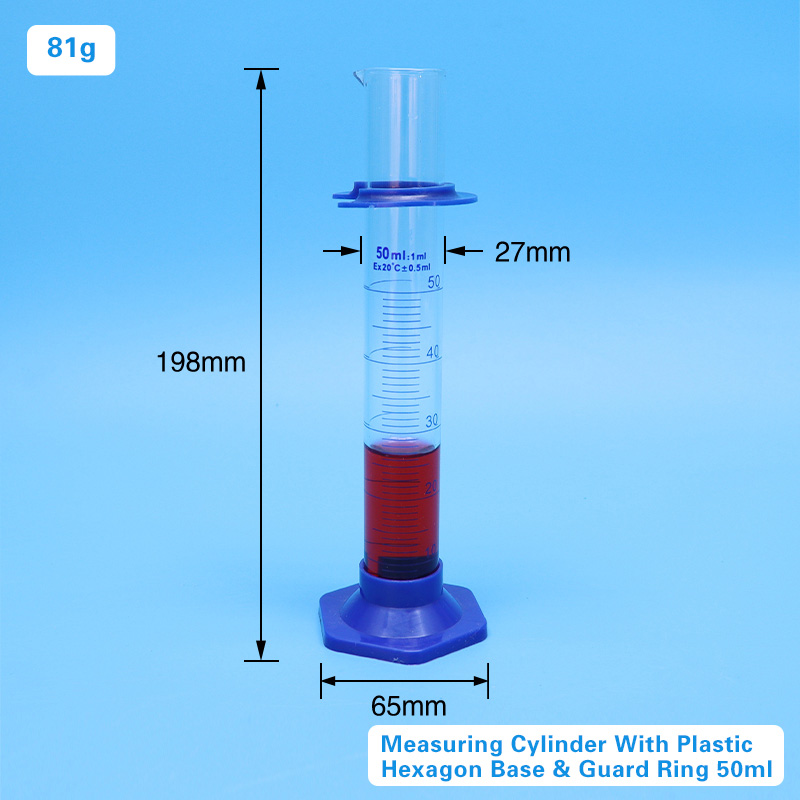
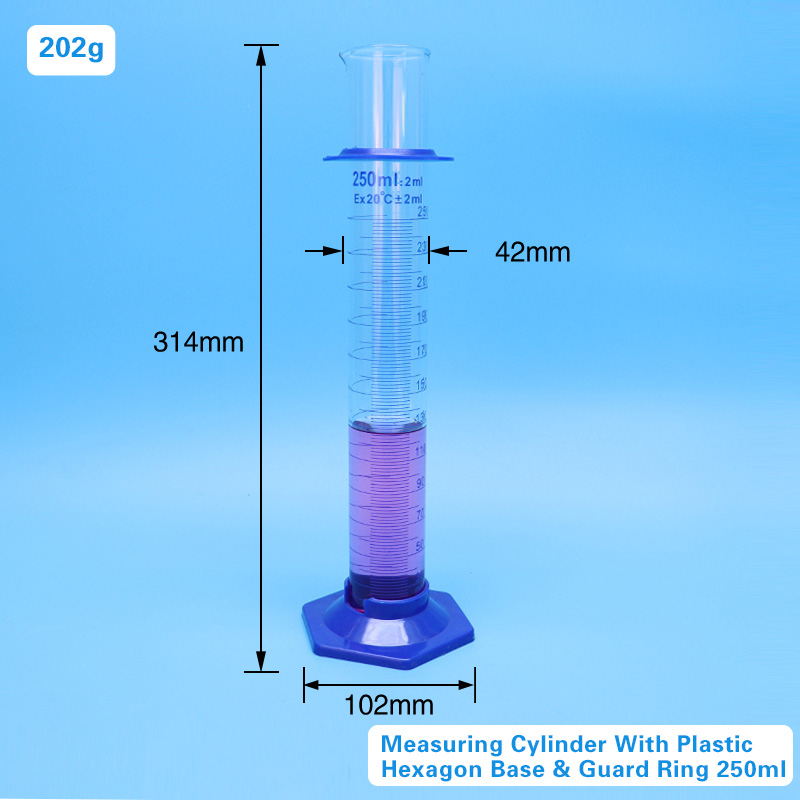
Glass Measuring Cylinder Specs
| Description | Picture | Spec (ml) |
Base Diameter (mm) |
Outer Diameter (mm) |
Height (mm) |
Weight (g) |
|---|---|---|---|---|---|---|
| Measuring Cylinder, Round Base |
|
5ml | 37 | 14 | 123 | 27 |
| 10ml | 40 | 16 | 151 | 37 | ||
| 25ml | 47 | 20 | 166 | 43 | ||
| 50ml | 60 | 26 | 198 | 75 | ||
| 100ml | 63 | 31 | 260 | 112 | ||
| 250ml | 80 | 42 | 305 | 201 | ||
| 500ml | 93 | 56 | 364 | 322 | ||
| 1000ml | 109 | 64 | 452 | 470 | ||
| 2000ml | 140 | 85 | 520 | 731 | ||
| Measuring Cylinder, Hexagon Base |
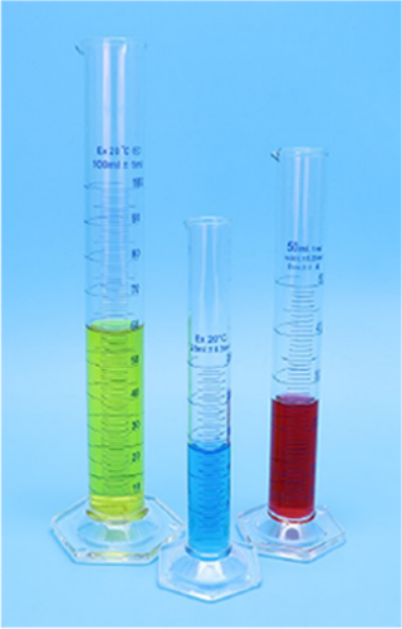
|
5ml | 49 | 14 | 122 | 33 |
| 10ml | 50 | 15 | 140 | 34 | ||
| 25ml | 60 | 22 | 168 | 56 | ||
| 50ml | 65 | 27 | 197 | 90 | ||
| 100ml | 73 | 33 | 246 | 150 | ||
| 250ml | 102 | 42 | 302 | 261 | ||
| 500ml | 114 | 55 | 353 | 356 | ||
| 1000ml | 133 | 67 | 455 | 589 | ||
| 2000ml | 169 | 90 | 520 | 1134 | ||
| Measuring Cylinder With Glass Stopper |
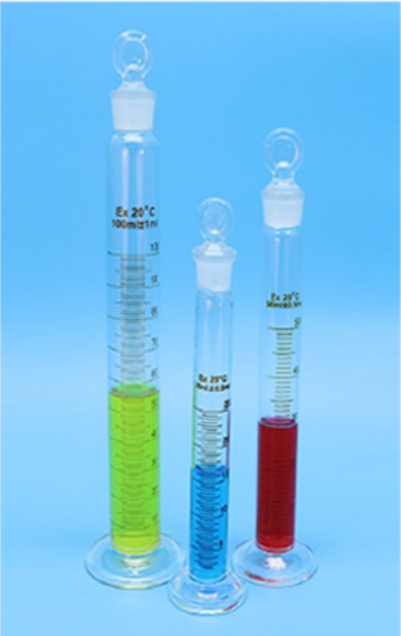
|
5ml | 39 | 9 | 140 | 33 |
| 10ml | 40 | 15 | 170 | 35 | ||
| 25ml | 46 | 22 | 212 | 75 | ||
| 50ml | 54 | 25 | 244 | 90 | ||
| 100ml | 63 | 32 | 290 | 151 | ||
| 250ml | 77 | 42 | 375 | 273 | ||
| 500ml | 97 | 56 | 422 | 400 | ||
| 1000ml | 110 | 64 | 513 | 564 | ||
| 2000ml | 141 | 90 | 590 | 1049 | ||
| Measuring Cylinder With Plastic Hexagon Base Guard Ring |
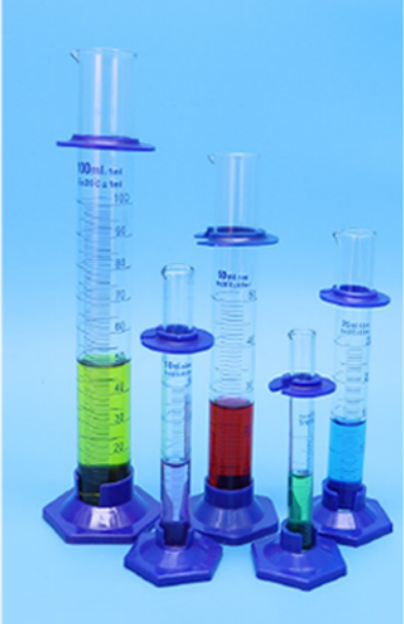
|
5ml | 56 | 9 | 117 | 28 |
| 10ml | 57 | 16 | 150 | 38 | ||
| 25ml | 63 | 22 | 161 | 54 | ||
| 50ml | 65 | 27 | 198 | 81 | ||
| 100ml | 75 | 33 | 247 | 116 | ||
| 250ml | 102 | 42 | 314 | 202 | ||
| 500ml | 110 | 55 | 355 | 315 | ||
| 1000ml | 122 | 66 | 441 | 496 | ||
| 2000ml | 179 | 90 | 500 | 853 |
Precautions
1.
When pouring liquid into a graduated cylinder, tilt the cylinder slightly and keep the mouth of the bottle close to the cylinder's opening. When the amount to be added is slightly less than the required volume, switch to a dropper to add the liquid until the desired amount is reached.
2.
After injecting the liquid, wait 1 - 2 minutes for the liquid adhering to the inner wall to flow down, and then read the scale value. Otherwise, the measured value will be underestimated.
3.
Do not dilute or prepare solutions in a graduated cylinder; do not heat the graduated cylinder.
4.
Do not carry out chemical reactions in a graduated cylinder: it may damage the cylinder and sometimes even cause danger.
5.
Do not leave the graduated cylinder with chemicals for long periods to avoid contamination by dust and evaporation of water from the solution.
6.
Do not use scouring powder to clean to avoid scratching the markings.
Frequently Asked Questions (FAQ)
1. What are the advantages of BORO 3.3 high borosilicate glass cylinders?
BORO 3.3 high borosilicate glass provides exceptional thermal stability and chemical resistance against acids, alkalis, and solvents. It minimizes thermal expansion and withstands rigorous laboratory cleaning processes.
2. How do I achieve the most accurate reading on a graduated cylinder?
Place the measuring cylinder on a flat, horizontal surface. Position your eye directly level with the lowest point of the concave liquid meniscus to prevent parallax errors. Wait 1 to 2 minutes after pouring to let residual wall fluid settle.
3. What is the difference between a round base and a hexagonal base?
A hexagonal base significantly increases laboratory safety by preventing the cylinder from rolling if knocked over on a workbench. A round base provides a classic, compact footprint for general applications.
4. Why should a plastic bumper guard ring be used?
The guard ring sits around the upper neck of the measuring cylinder. If the cylinder accidentally tips over, the plastic ring absorbs the impact and prevents the delicate glass spout and rim from breaking.
5. Can glass measuring cylinders be used for mixing, heating, or chemical reactions?
No. Measuring cylinders are calibrated strictly for volume measurement (TD/In). Heating or conducting exothermic reactions in them alters thermal calibration accuracy and may cause stress cracks or chemical hazard spills.
6. How should graduated glass cylinders be properly cleaned?
Clean using mild laboratory-grade detergent and soft bristle brushes. Never use abrasive scouring powders or stiff wire brushes, as scratches can permanently damage the printed graduation marks and compromise volumetric accuracy.