
0102030405
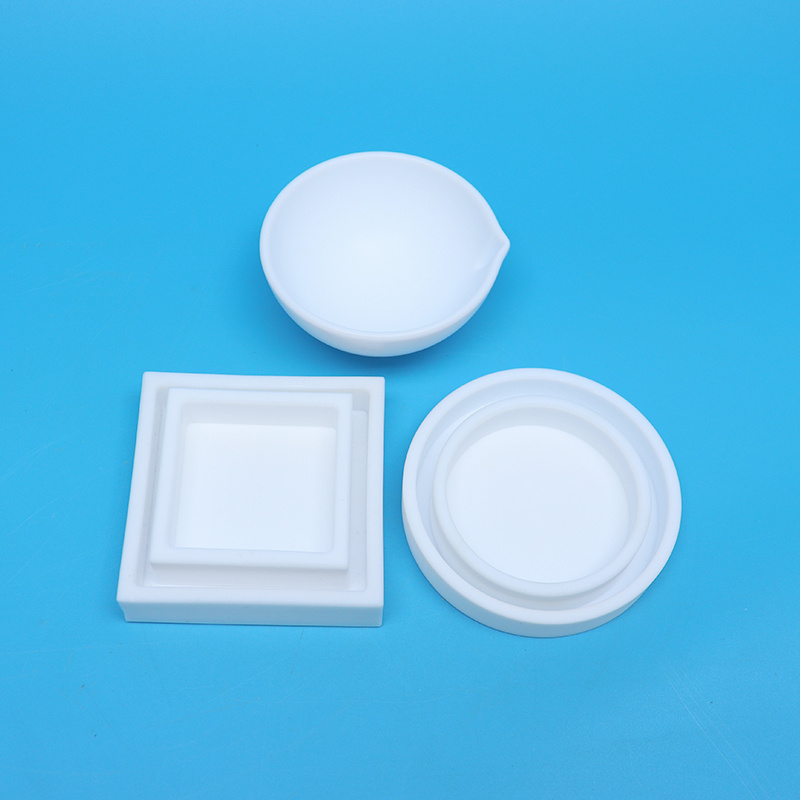
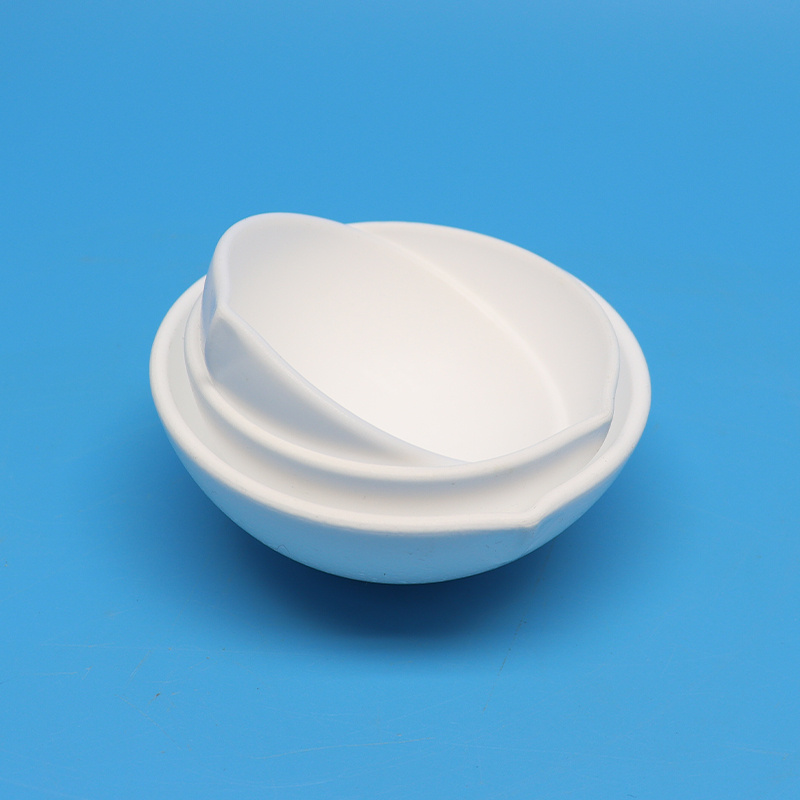
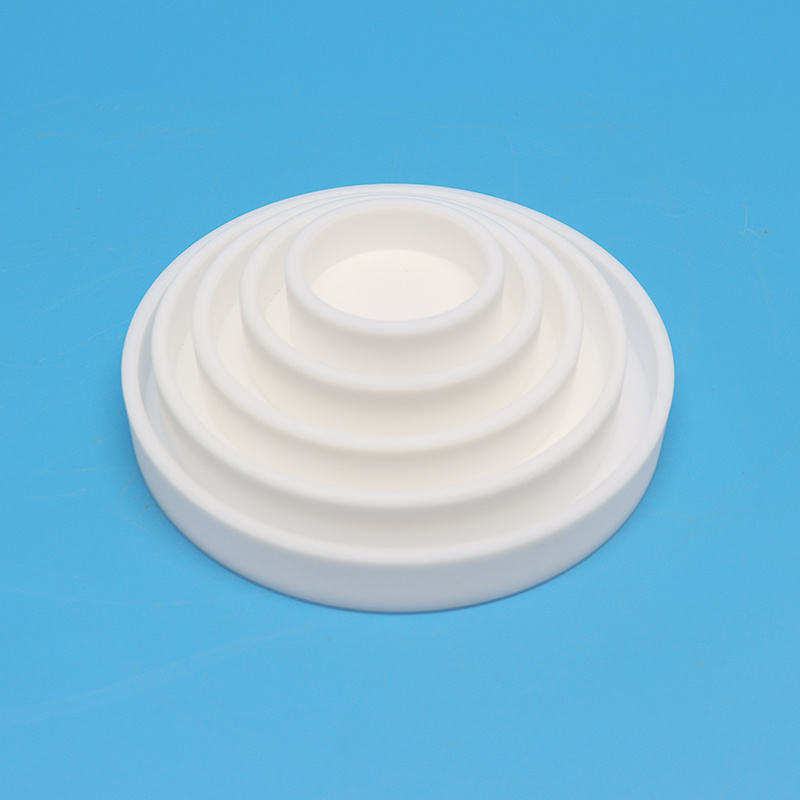
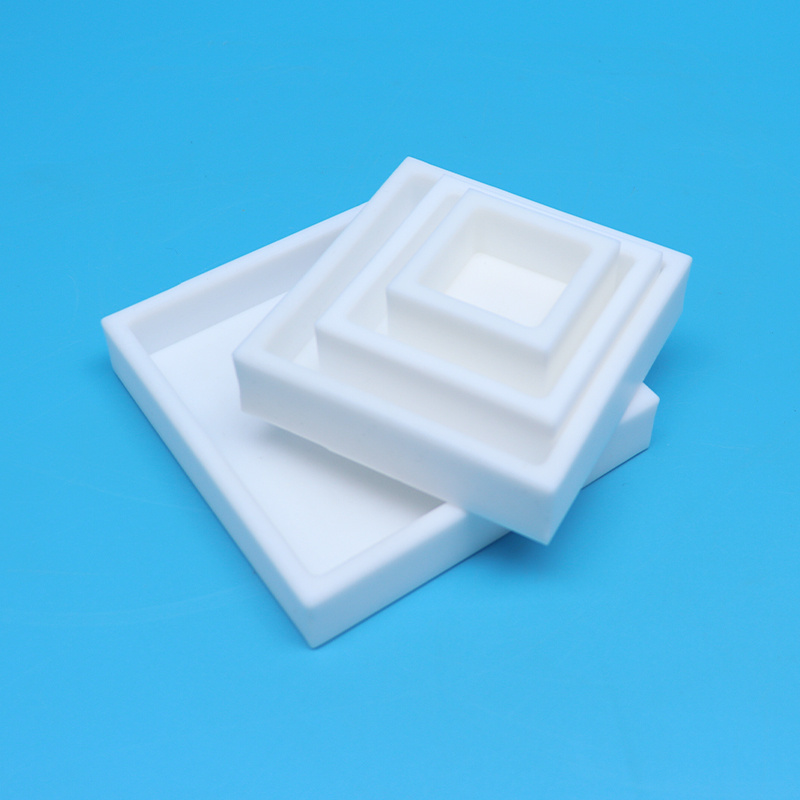
Corrosion and Acid Resistant PTFE Evaporating Dish - High-Quality China Suppliers and Factory for Lab Use
Notes
Avoid direct heating with open flames: PTFE may decompose above 260 ° C. It is recommended to use a water bath or electric heating plate for heating.
Cleaning methods: It is recommended to soak, scrub, acid soak (such as 5% hydrochloric acid), and high-pressure sterilization to ensure no residue.
Storage: Avoid scratching the surface with sharp objects. Long term storage requires dust-proof.
PTFE Evaporating Dish
- ✓Polytetrafluoroethylene material
- ✓Non stick lubrication
- ✓Complete specifications
PTFE Evaporating Dish
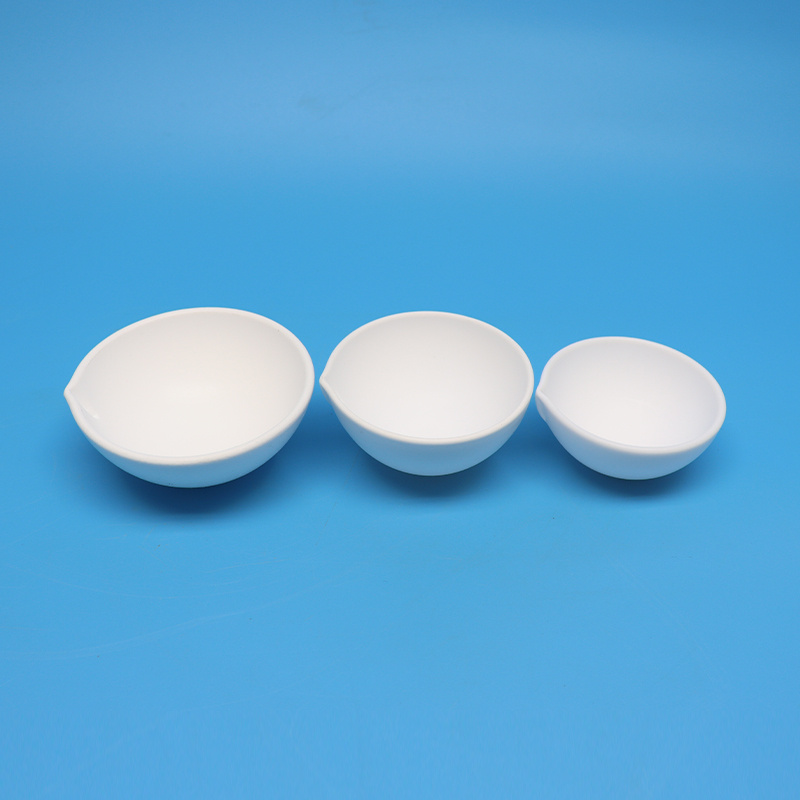
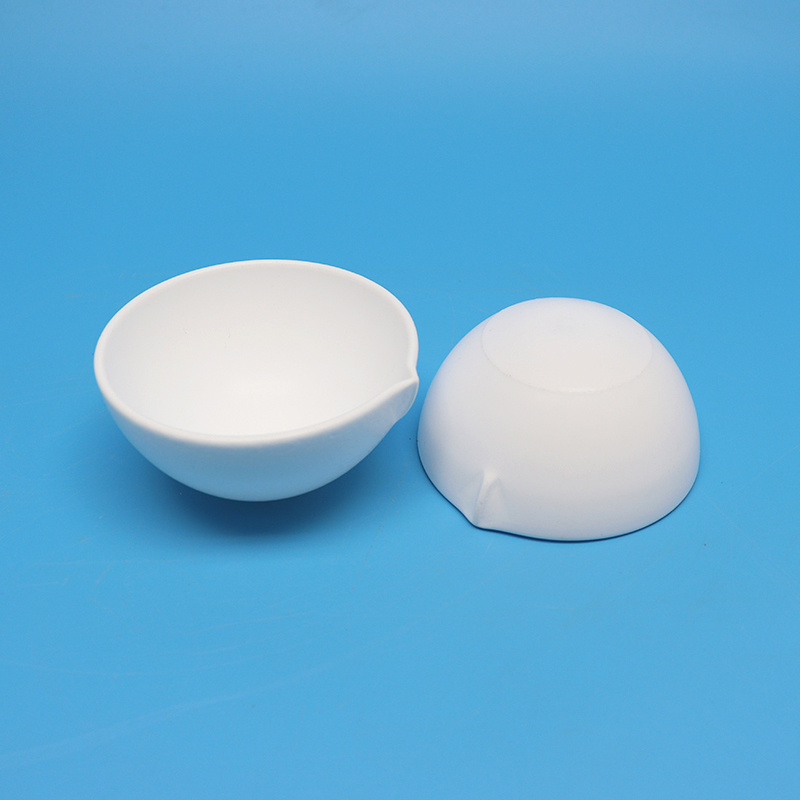
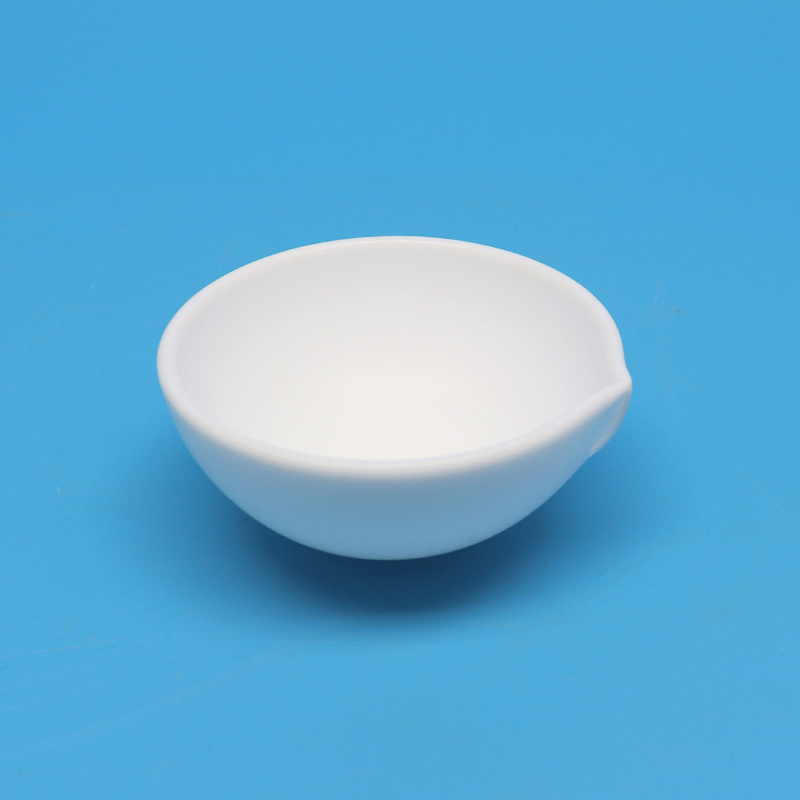
Product Name: PTFE Evaporating Dish
Product Type: 20- -200mm
Product Material: PTFE
Product Introduction: The PTFE Evaporating Dish is made of PTFE material, which is resistant to high temperature, acid and alkali, corrosion, aqua regia, and various organic solvents; Except for molten metal sodium and liquid fluorine, polytetrafluoroethylene is non hygroscopic, non flammable, and stable to oxygen and ultraviolet radiation, making it excellent in weather resistance.
Product Show
- ✓No burrs, low friction coefficient, and low surface tension
- ✓Durable and environmentally friendly, non-toxic and harmless
- ✓The use temperature reaches 250°C and has good mechanical toughness; Even if the temperature drops to -196°C, it can maintain a 5% elongation rate.
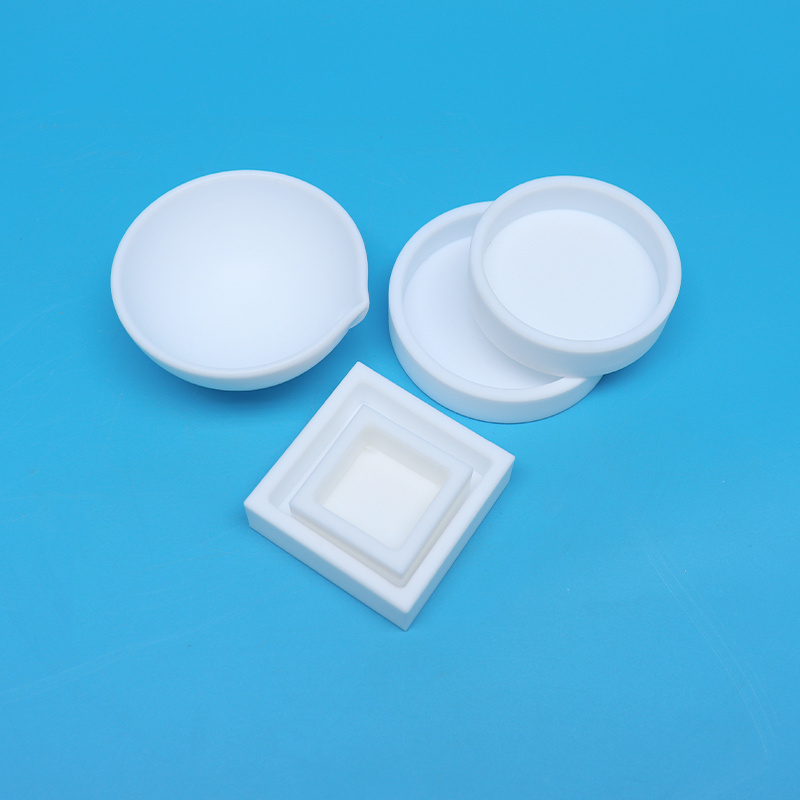
Flat Bottom Show
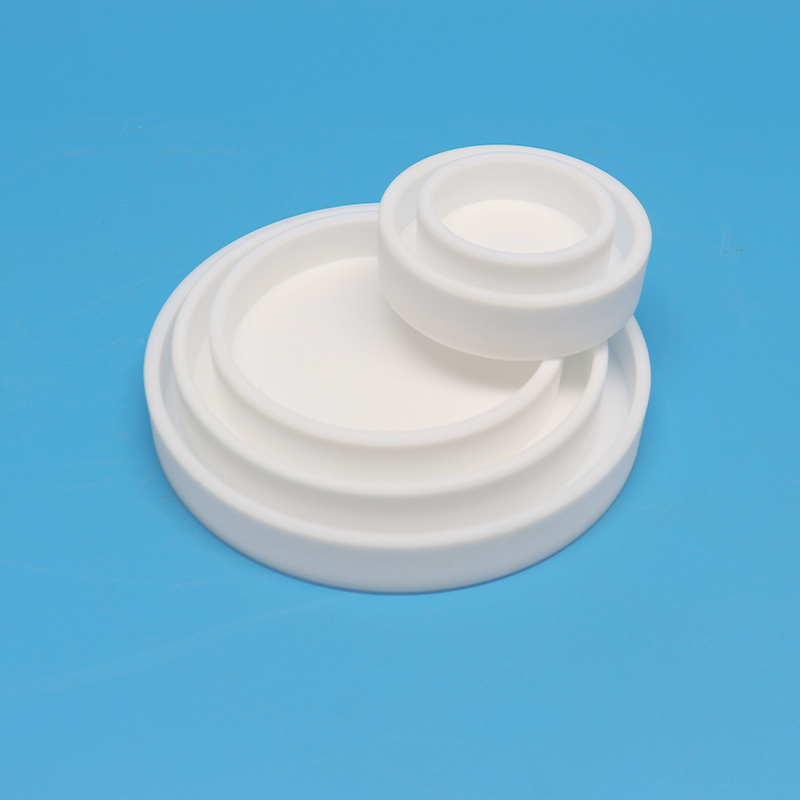
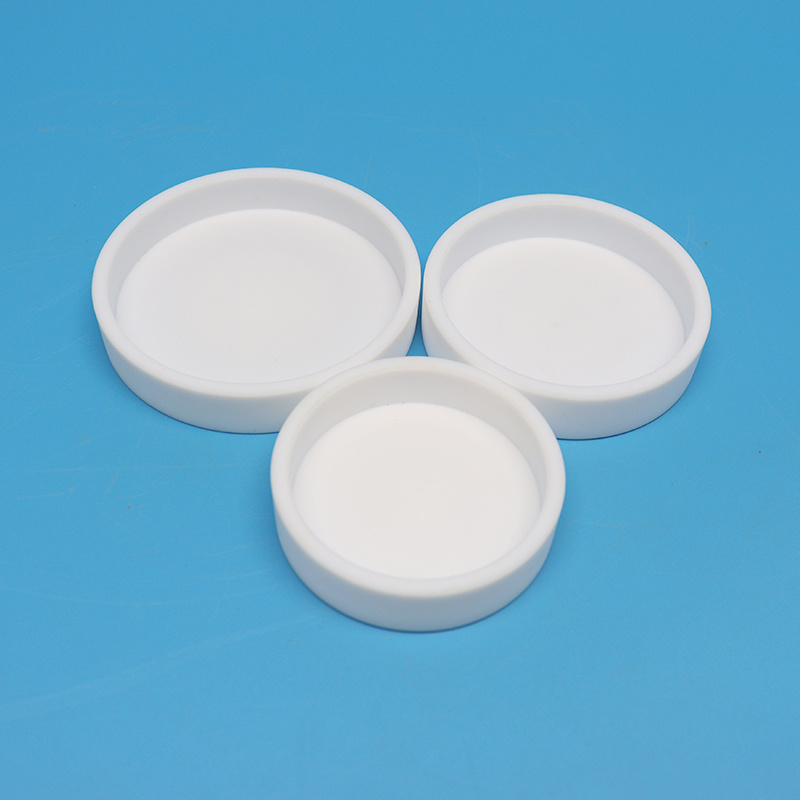
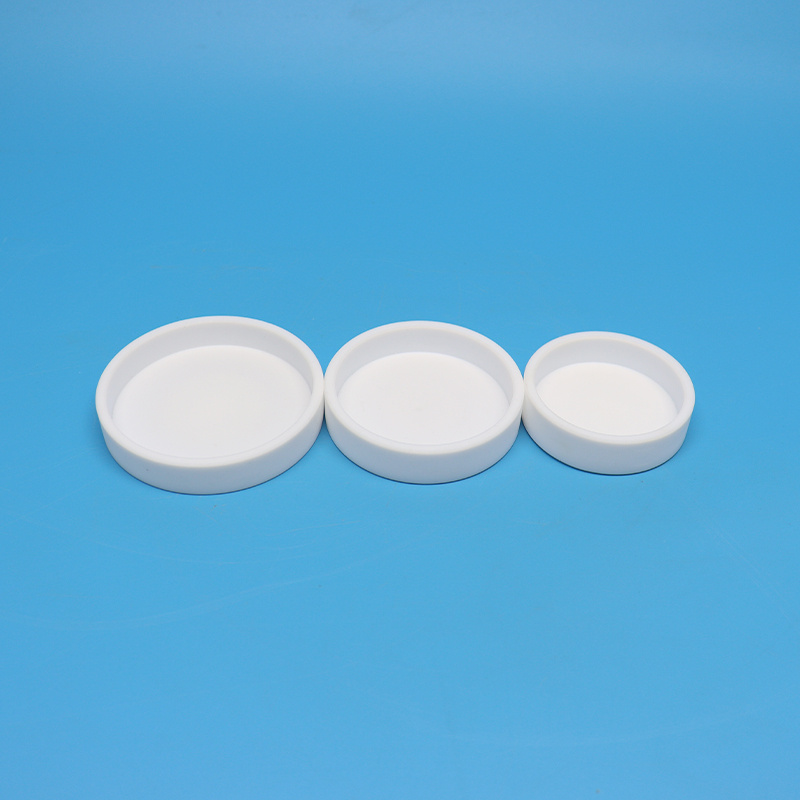
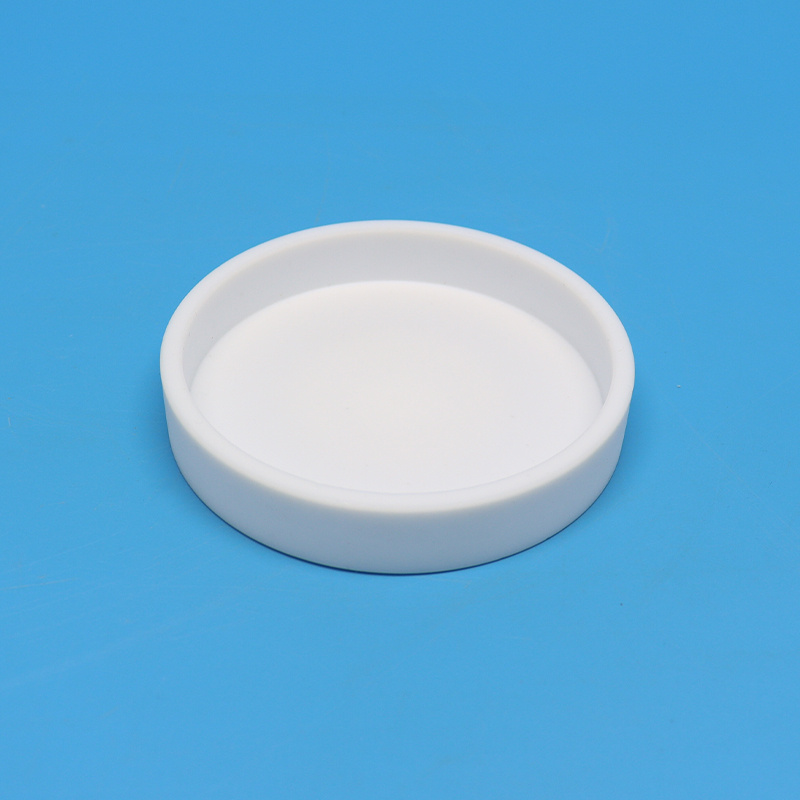
Round Bottom Show
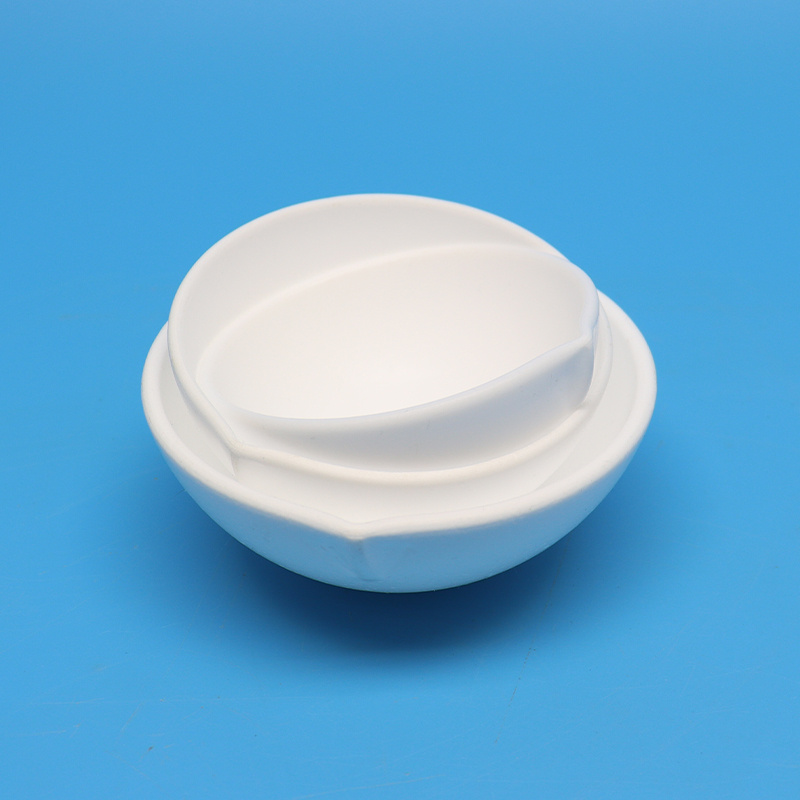
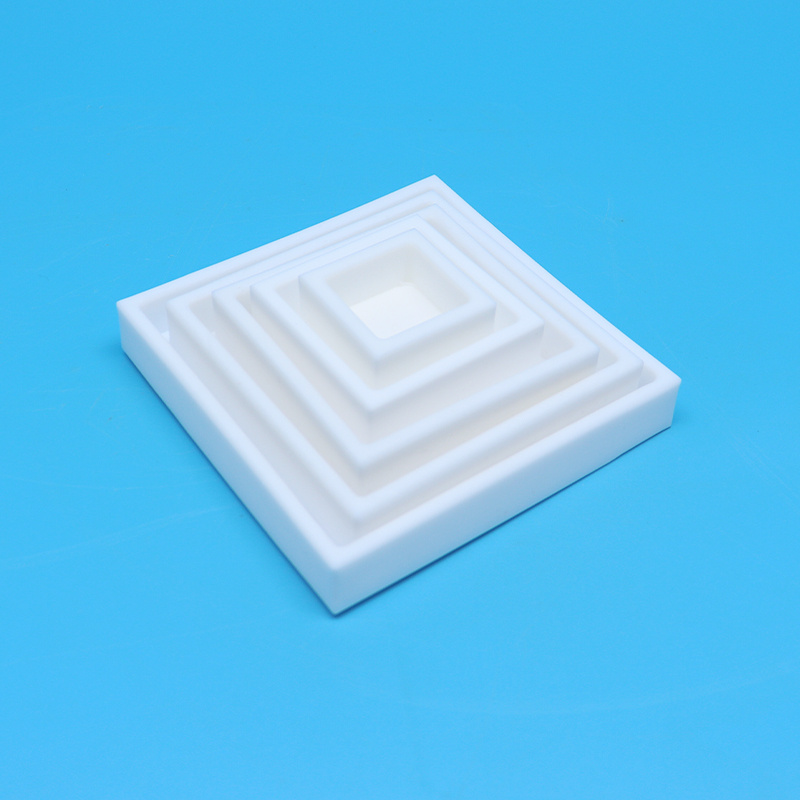
Square Shape Show
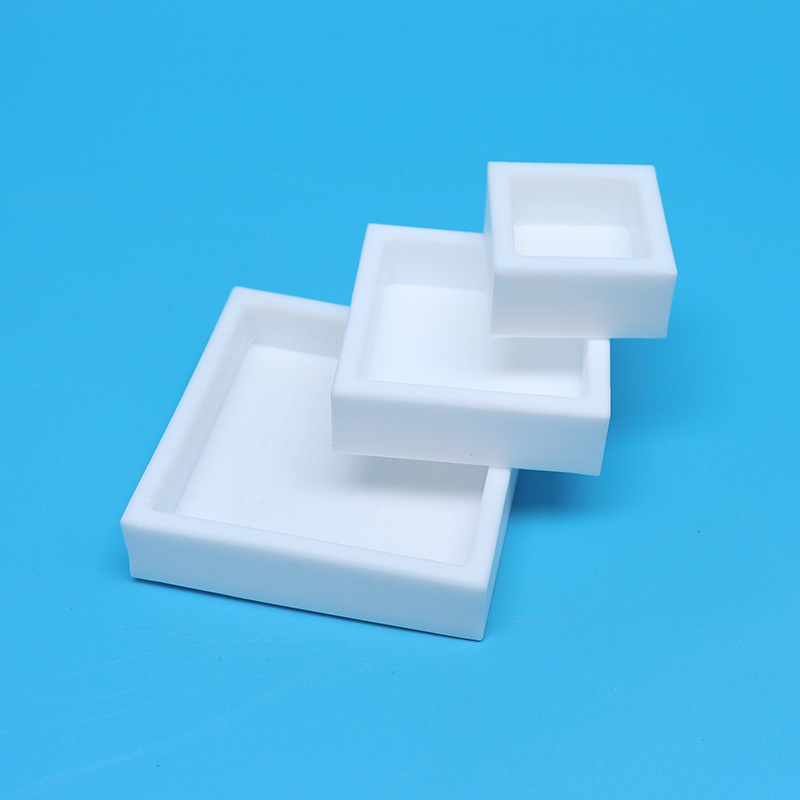
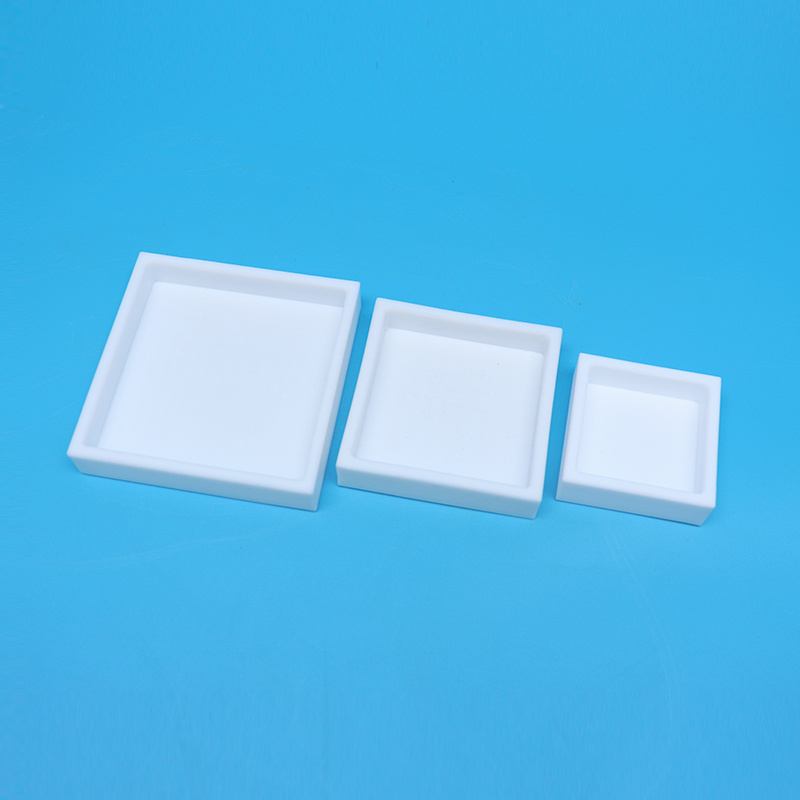
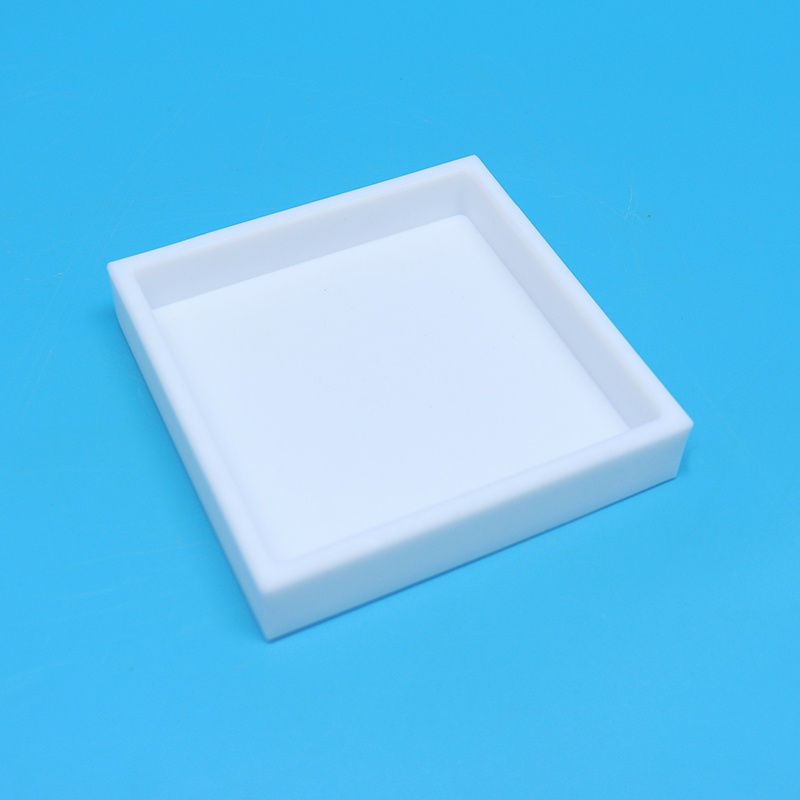
Product Details Show
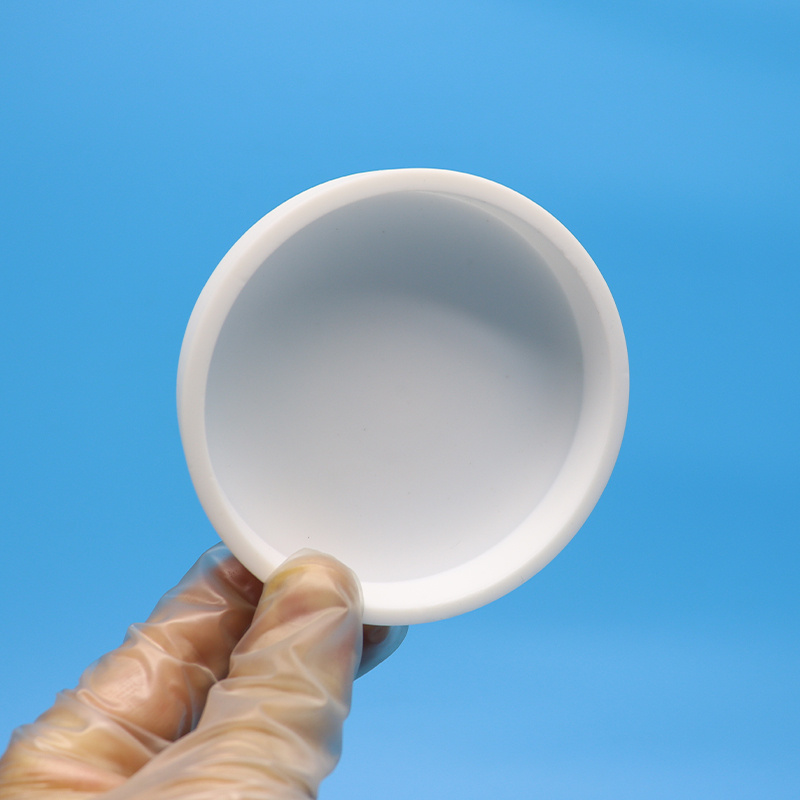
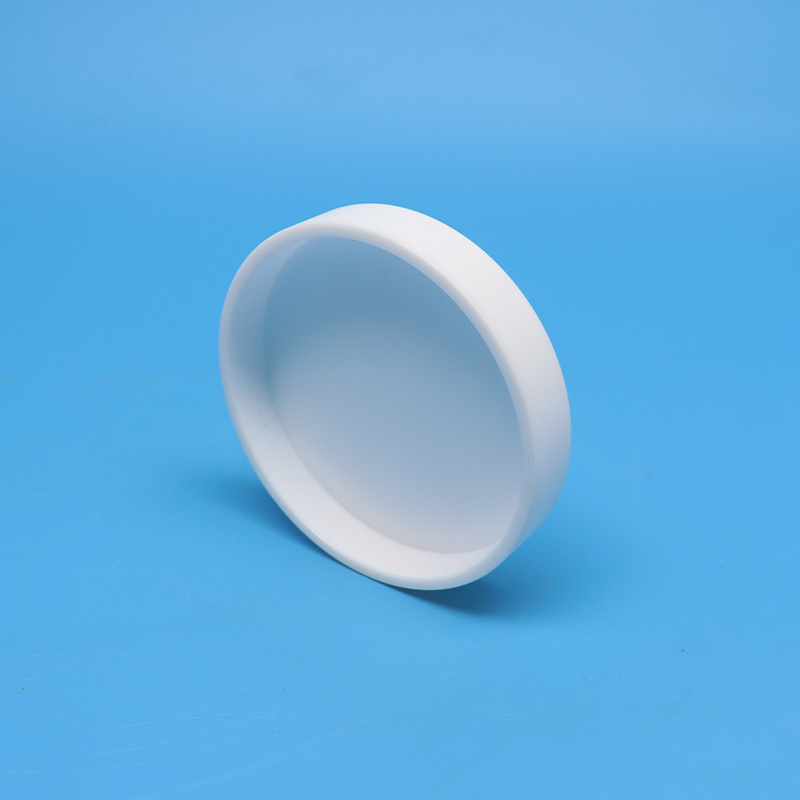
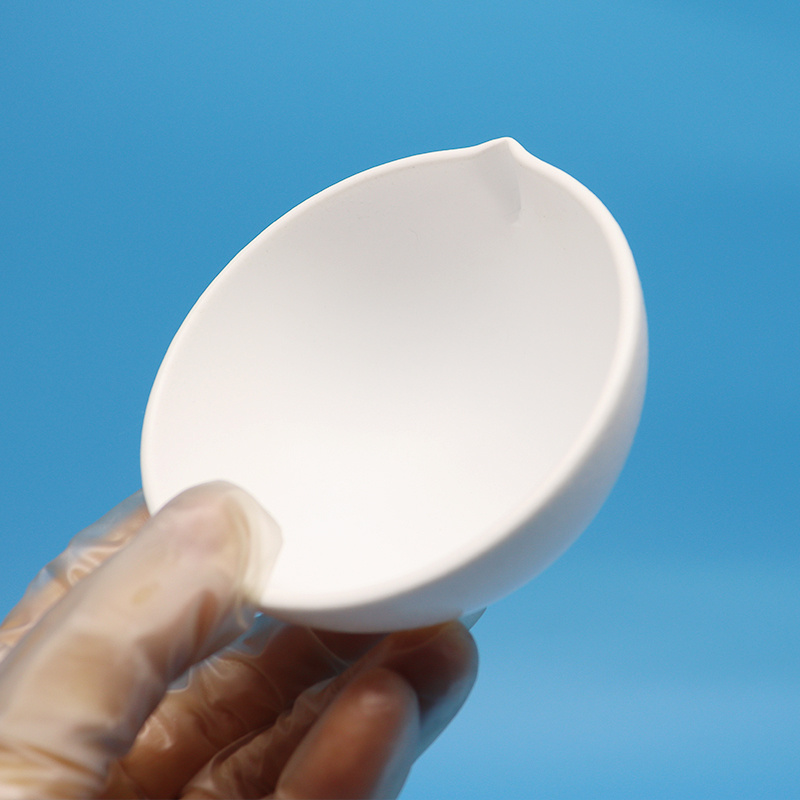
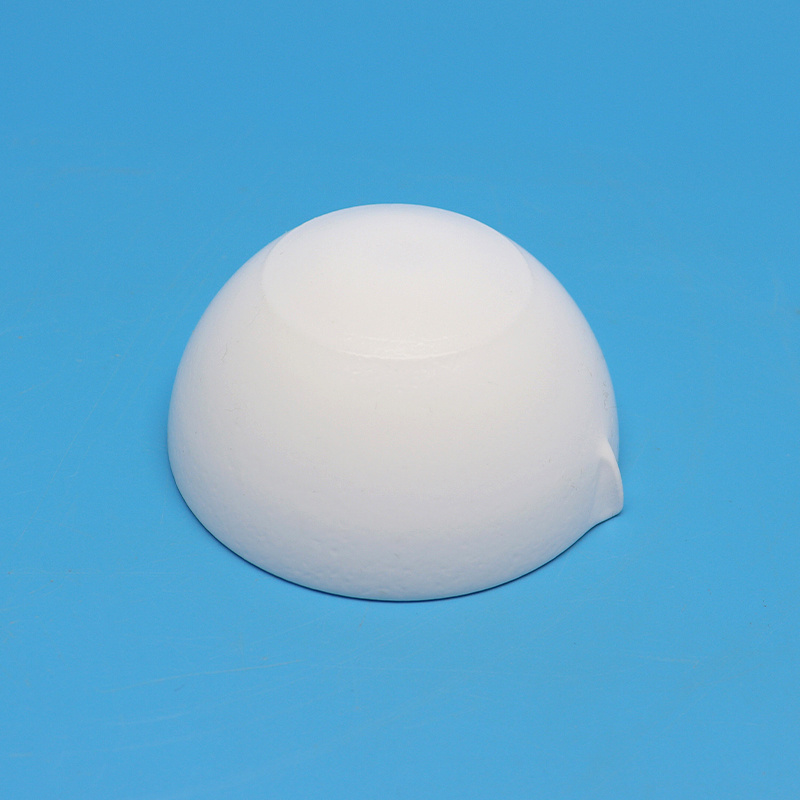
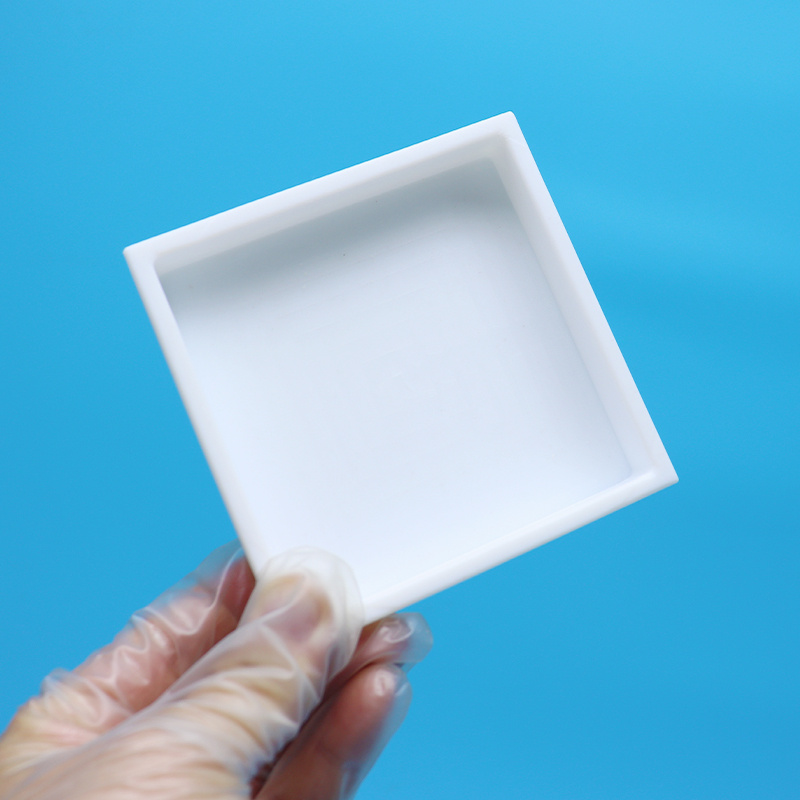
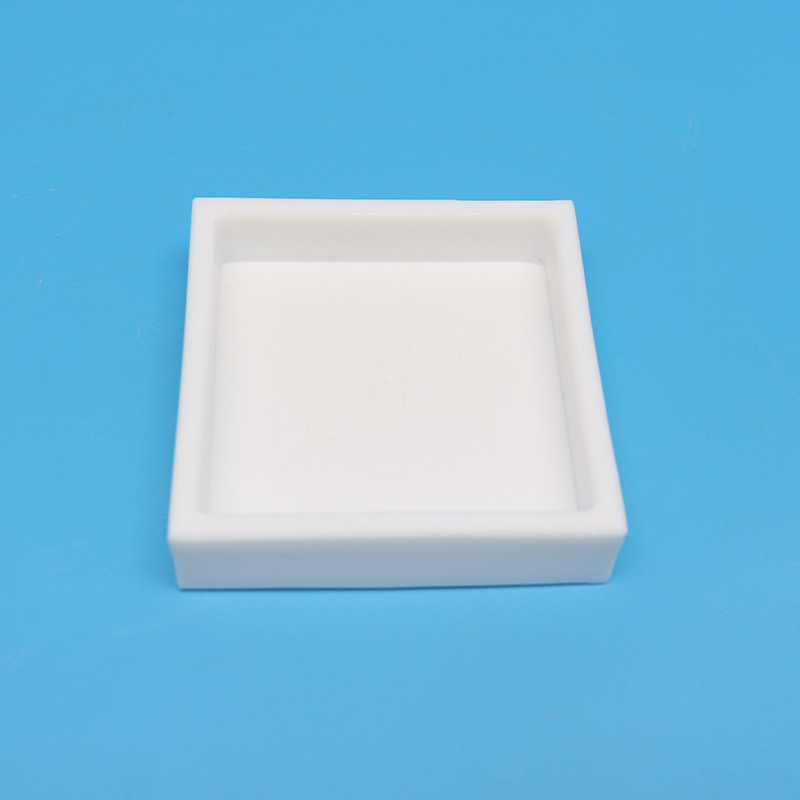
Size Show
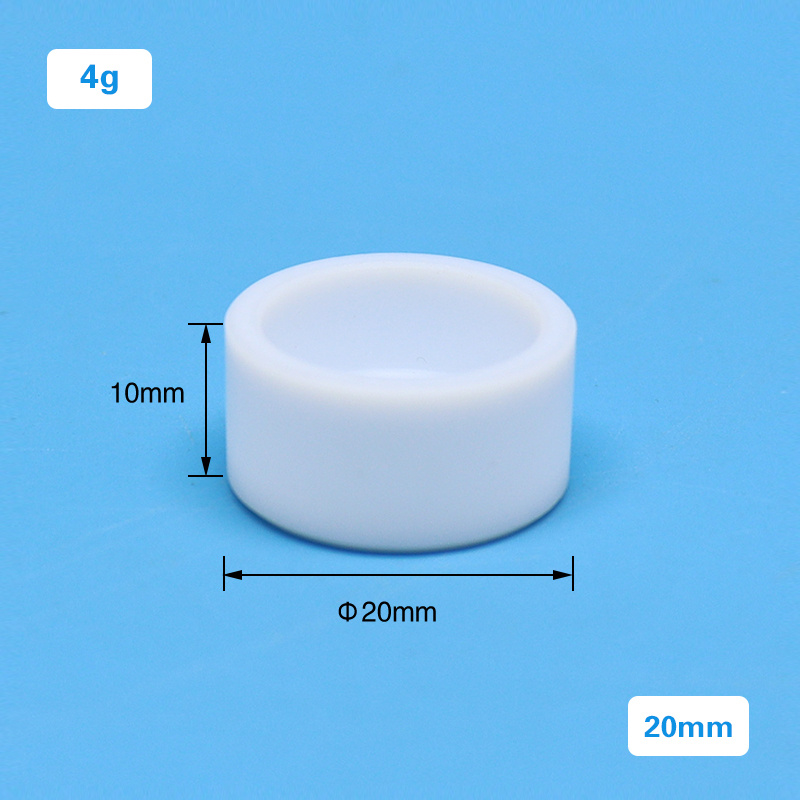
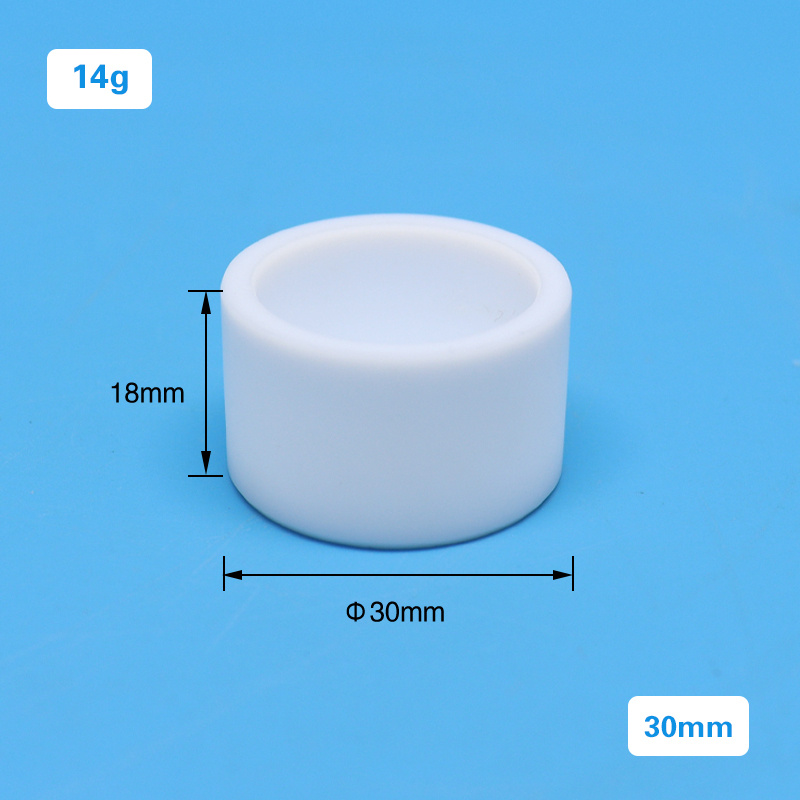
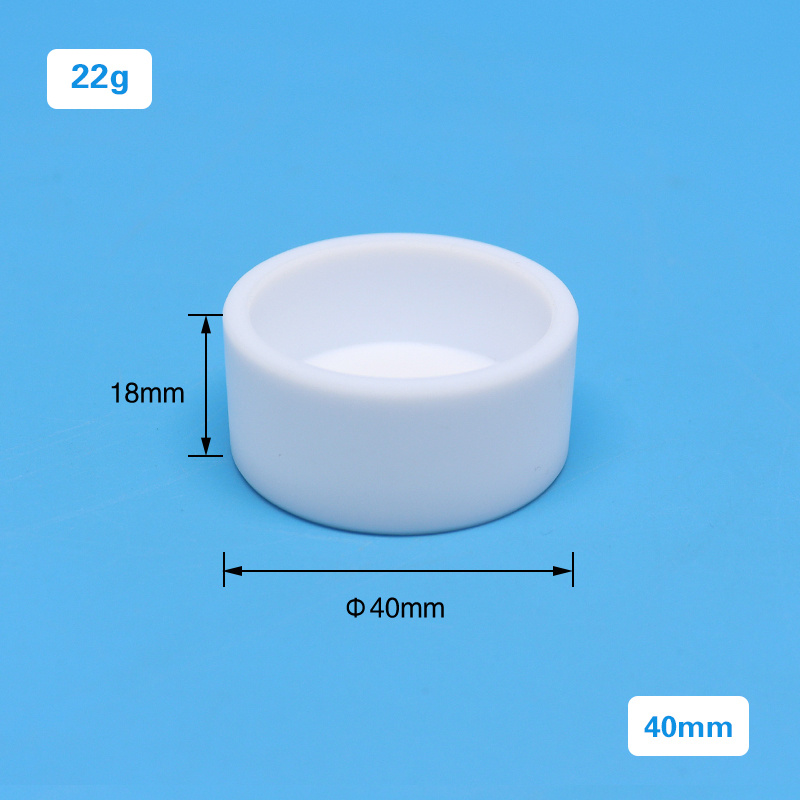
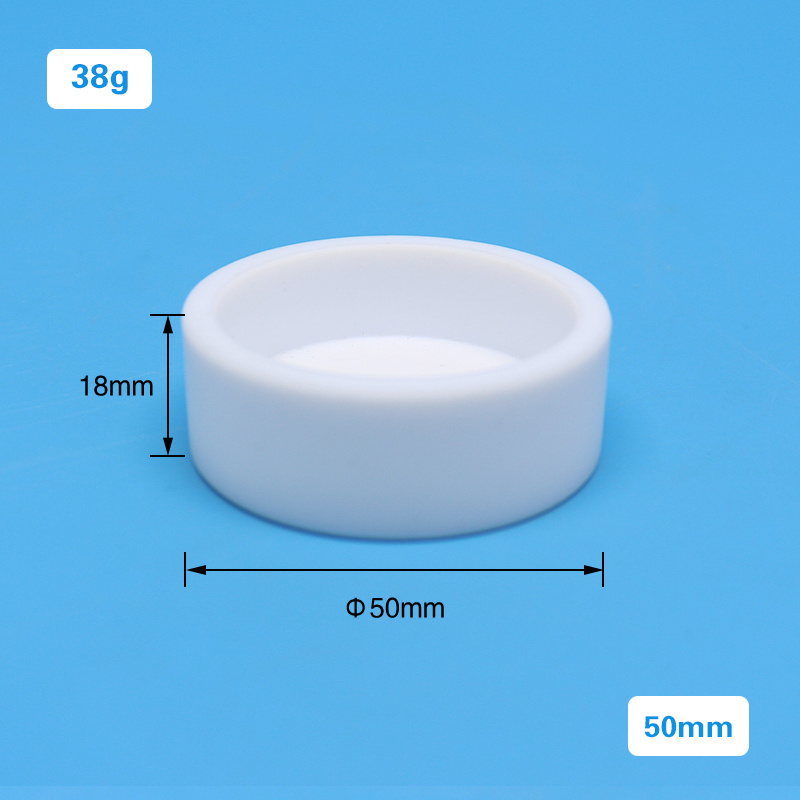
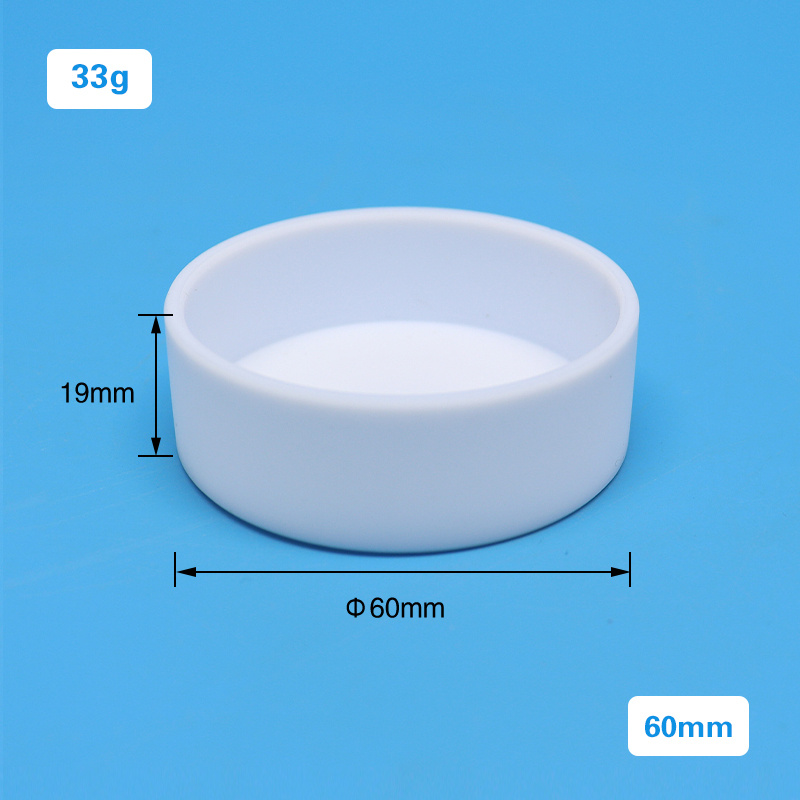
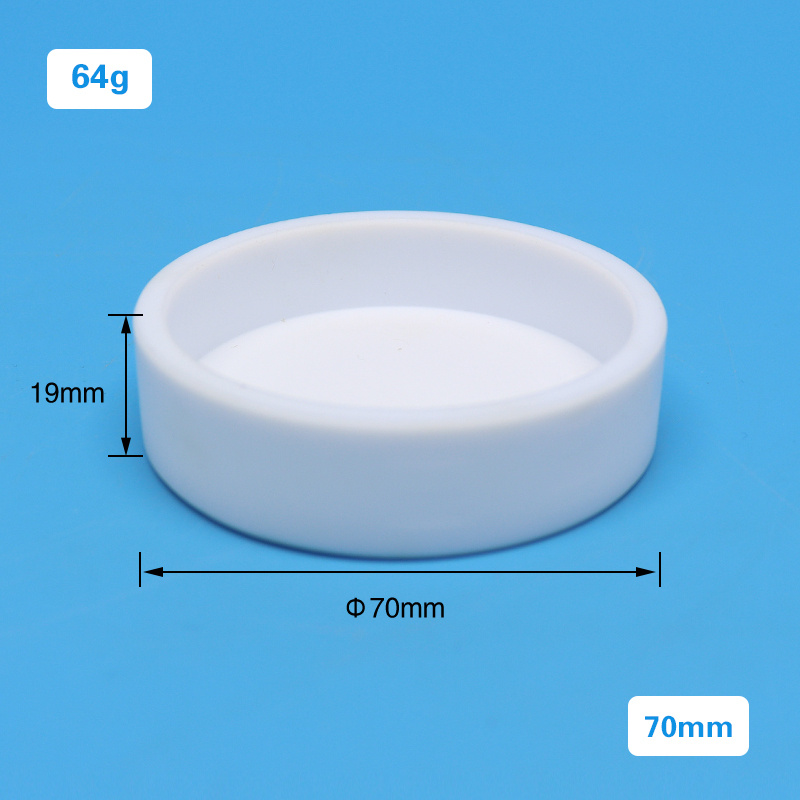
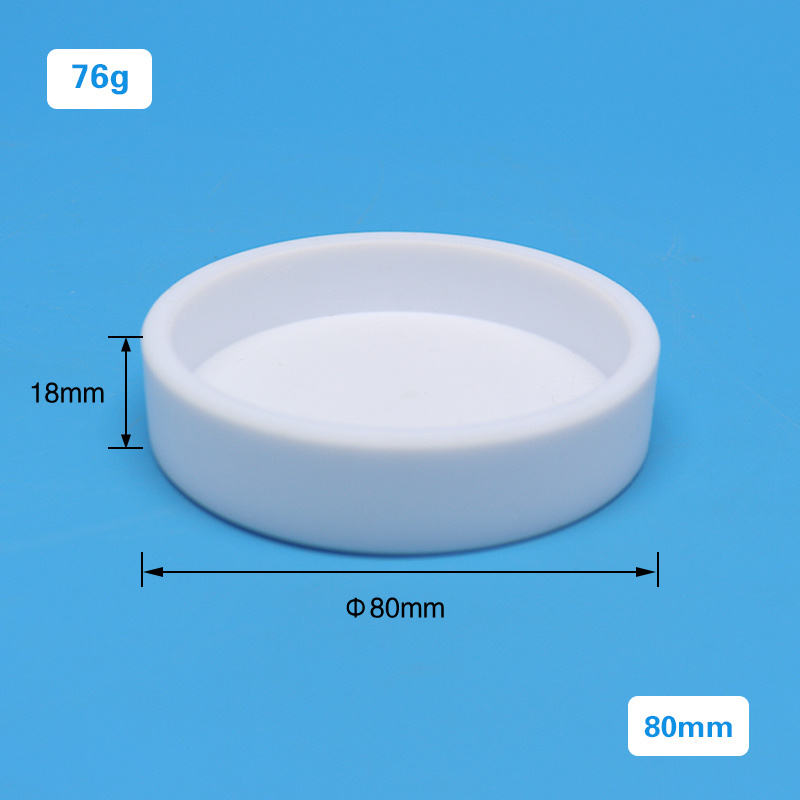
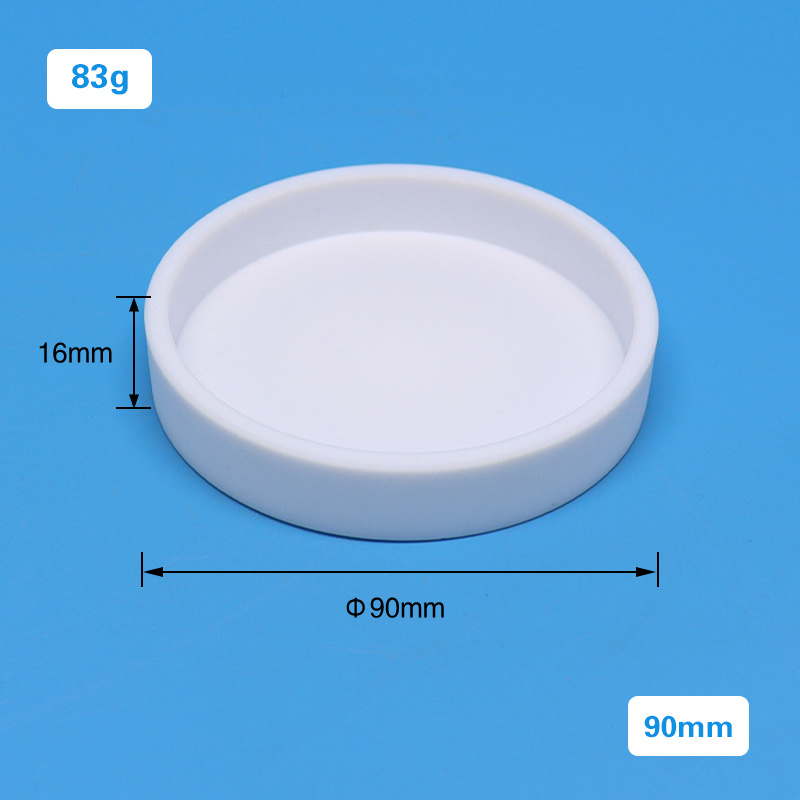
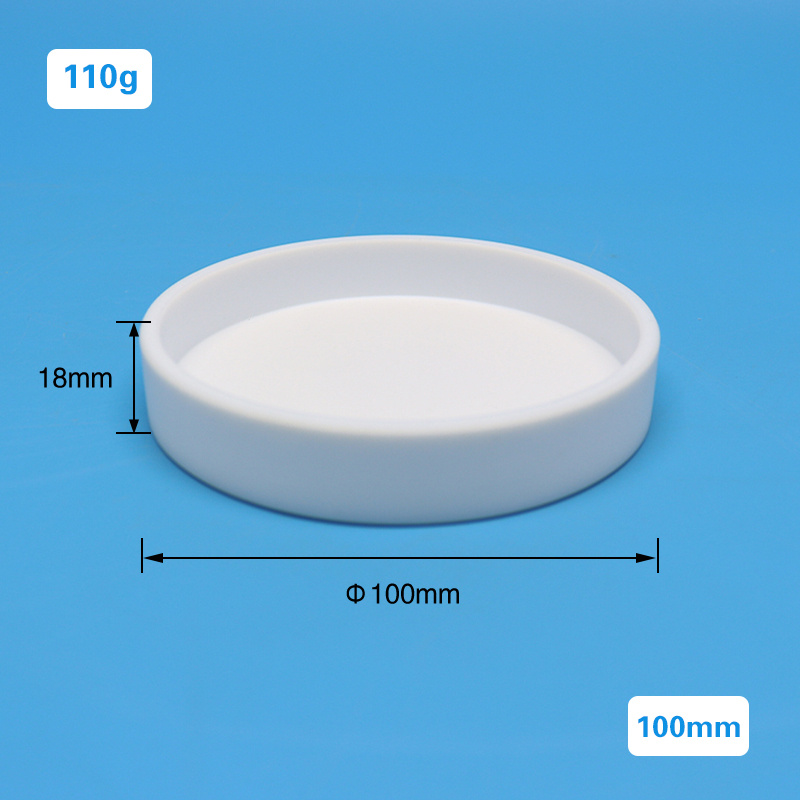
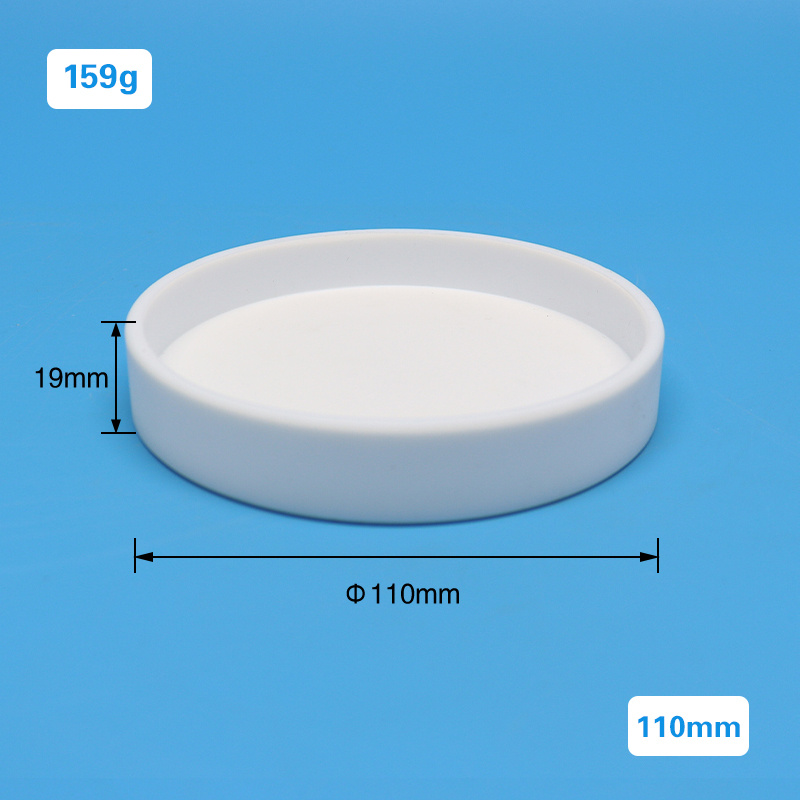
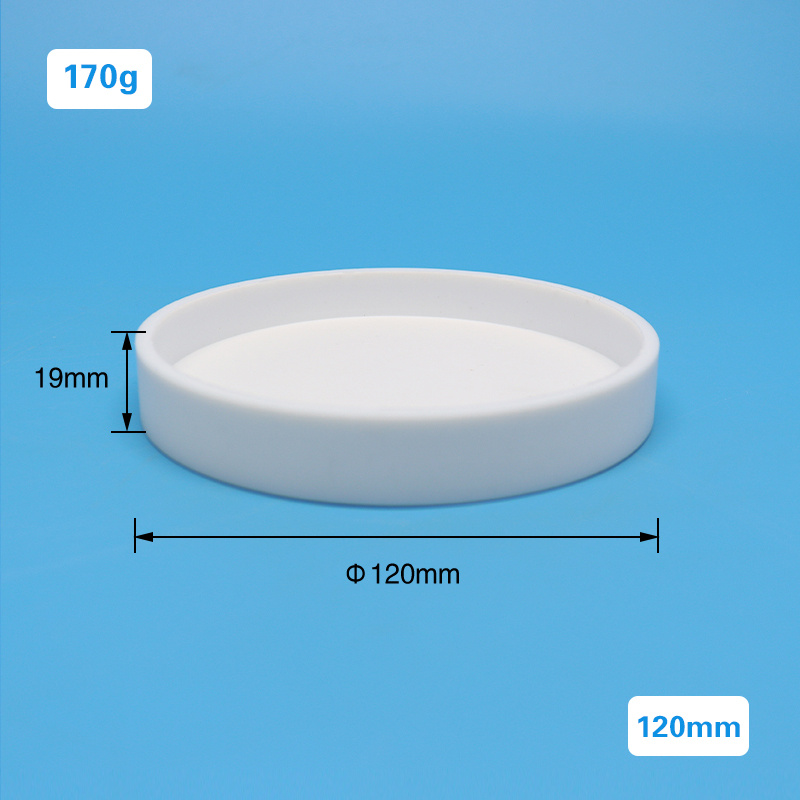
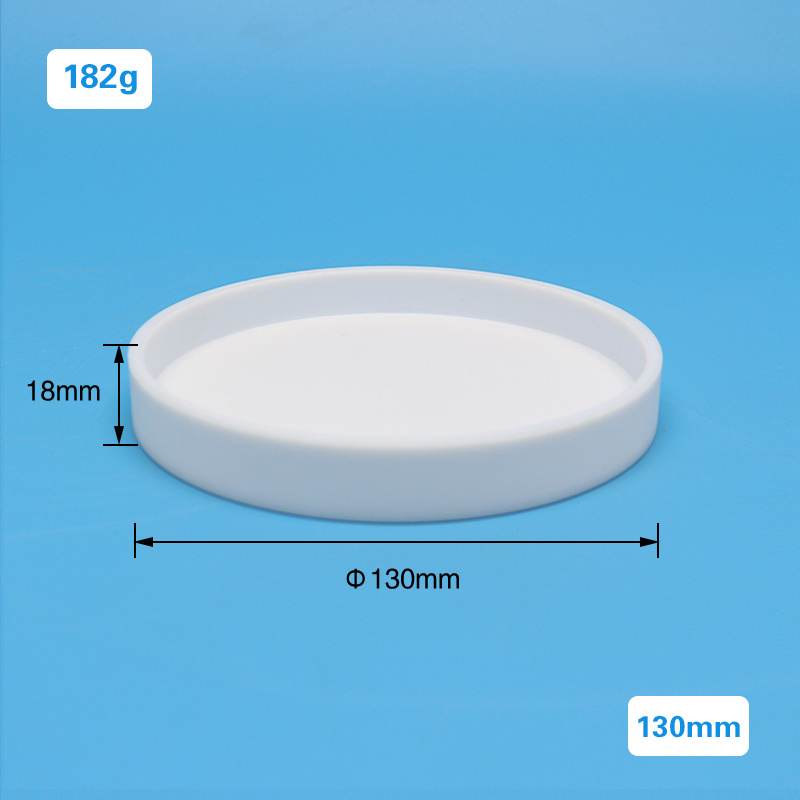
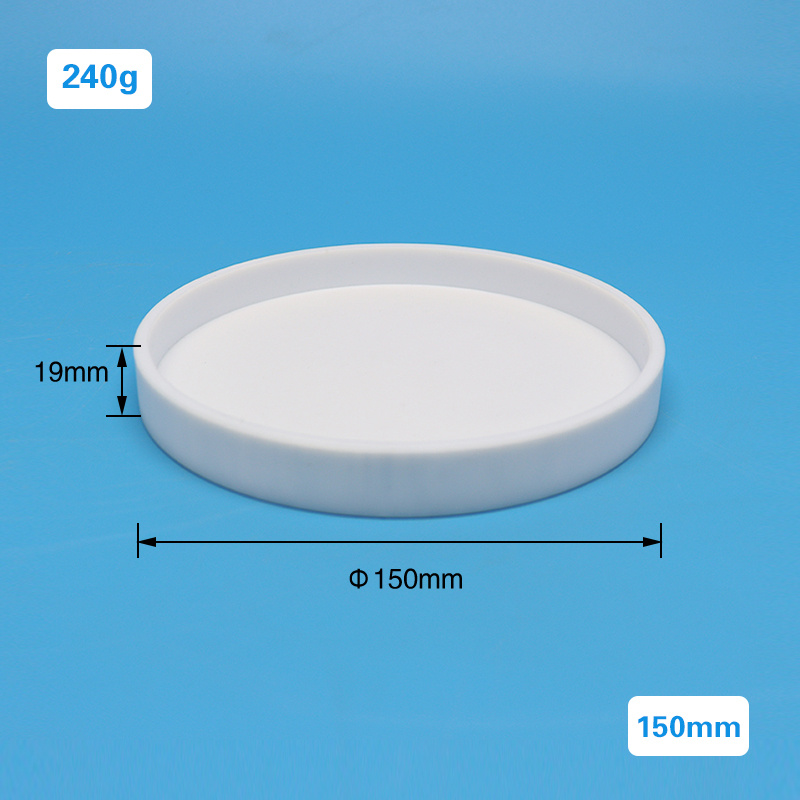
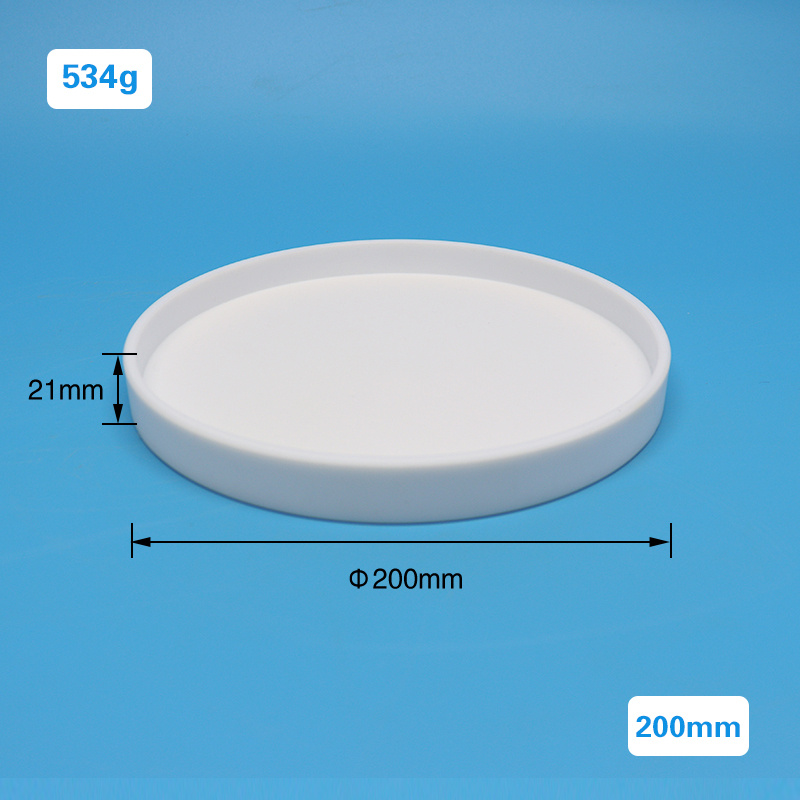
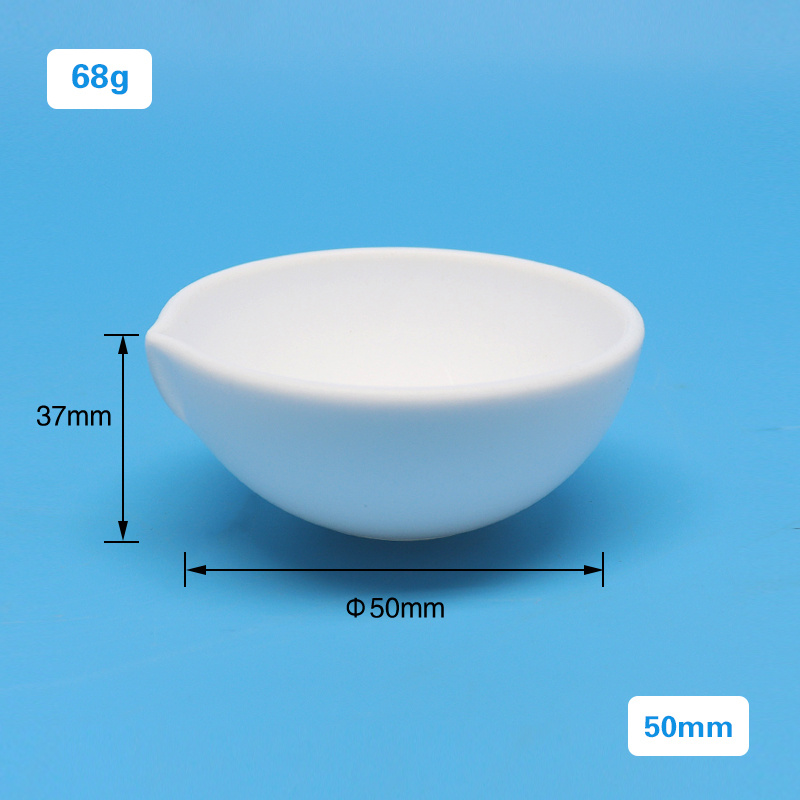
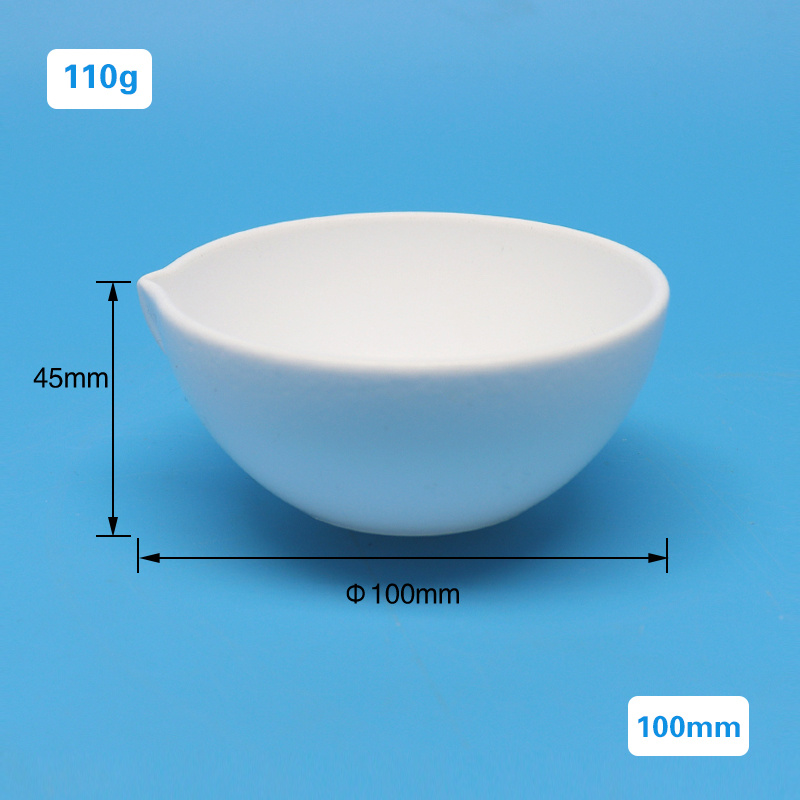
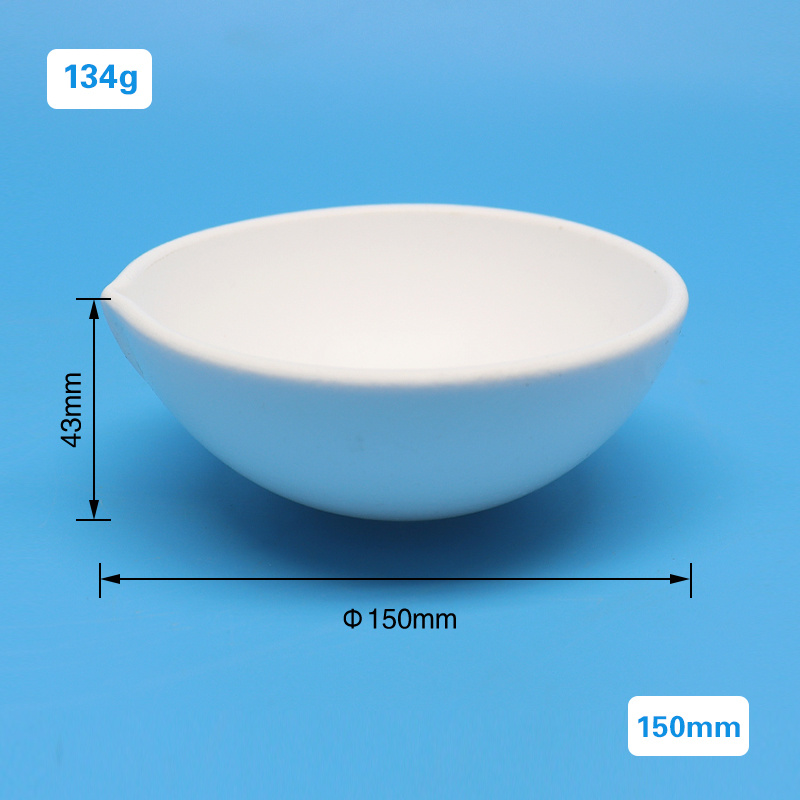
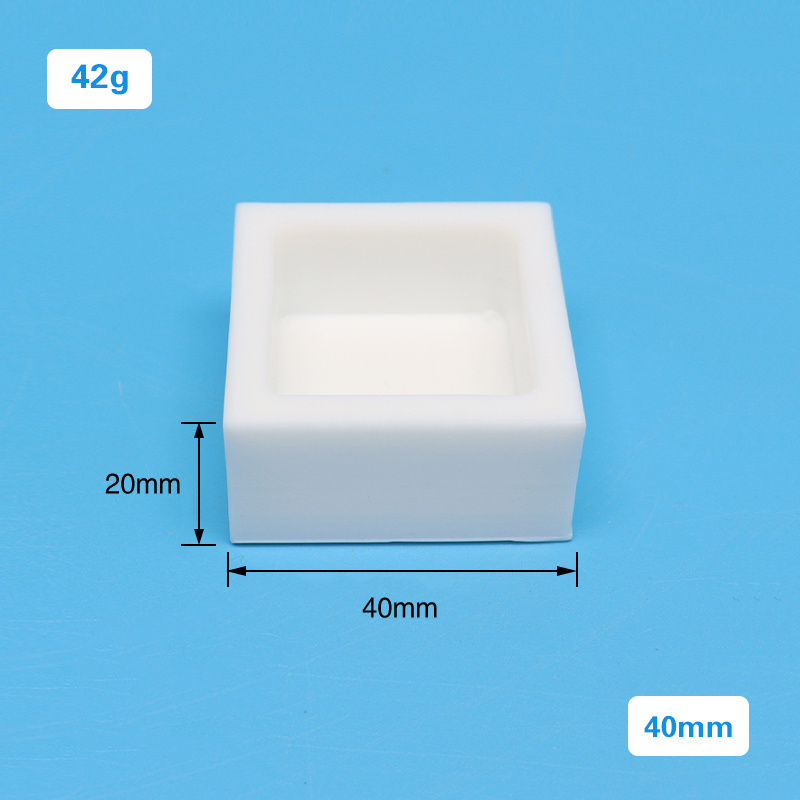
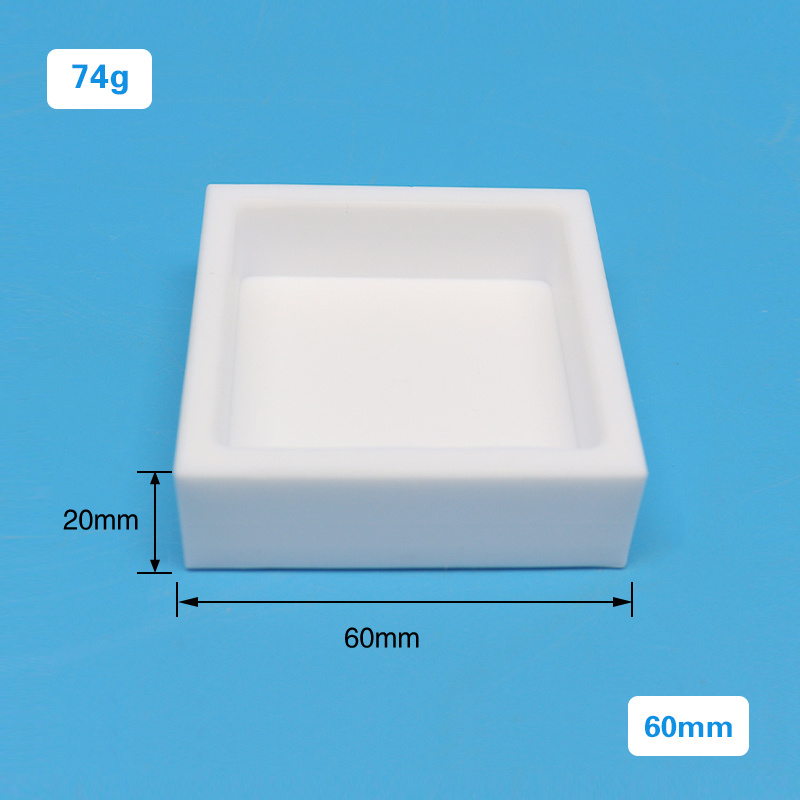
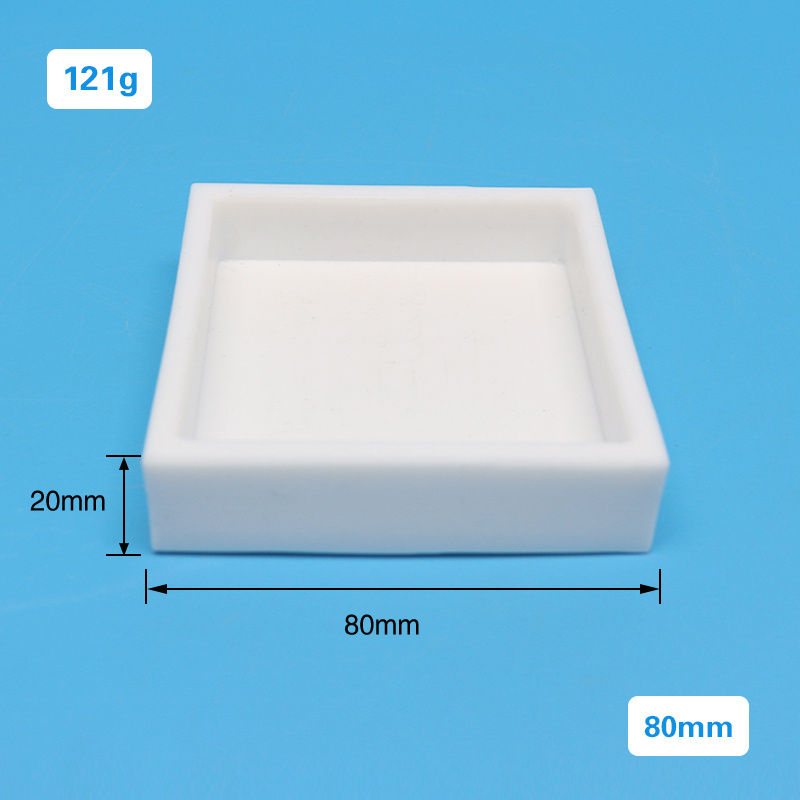
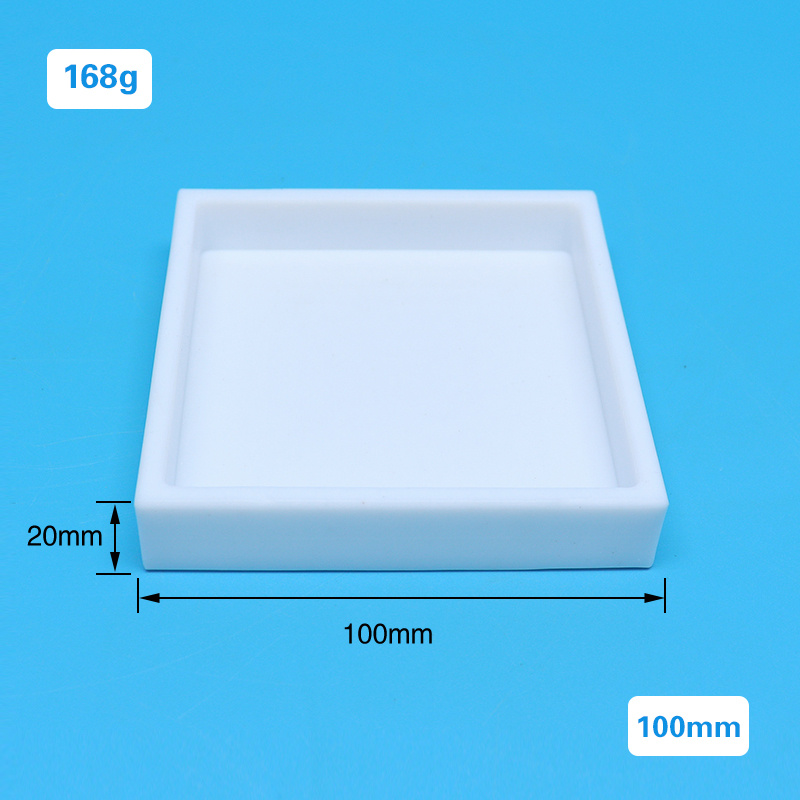
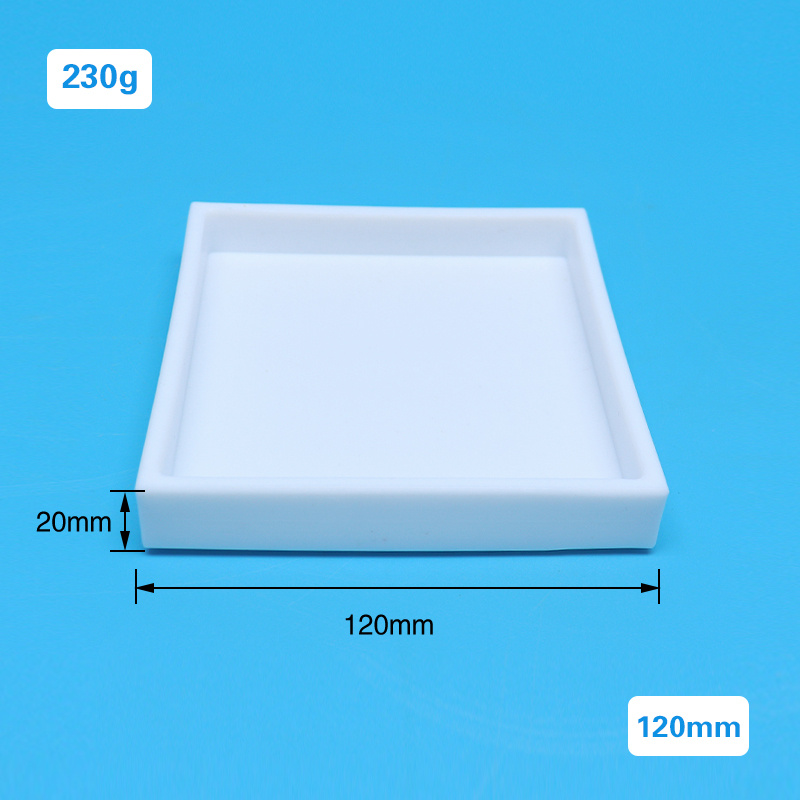
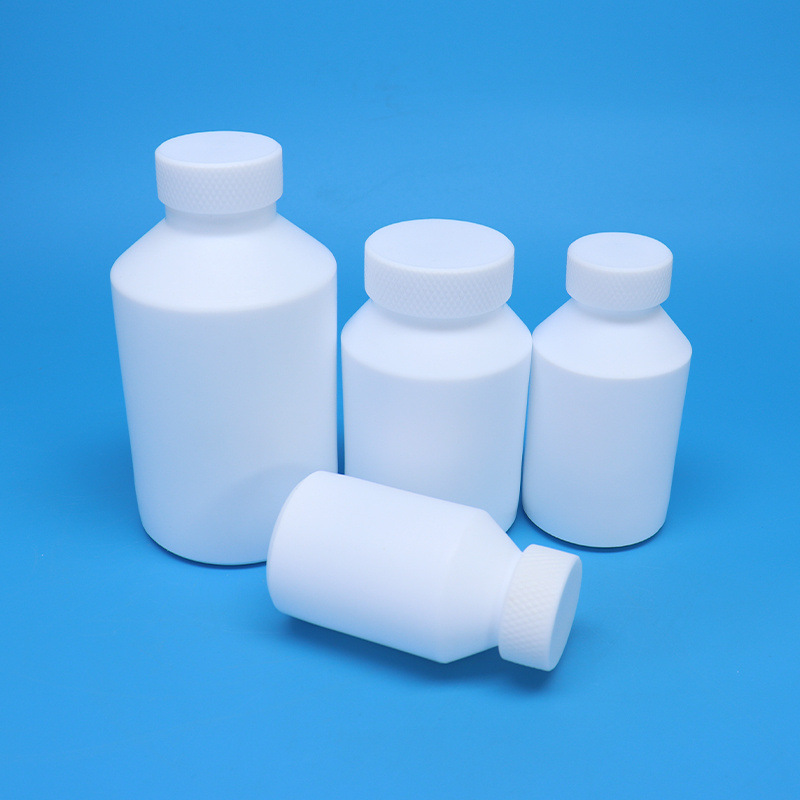
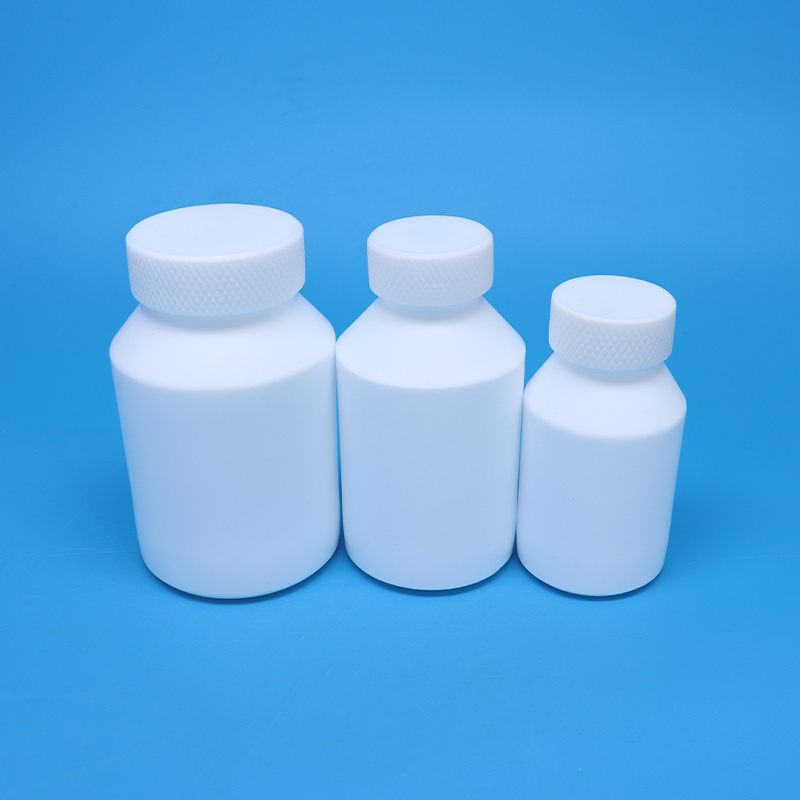
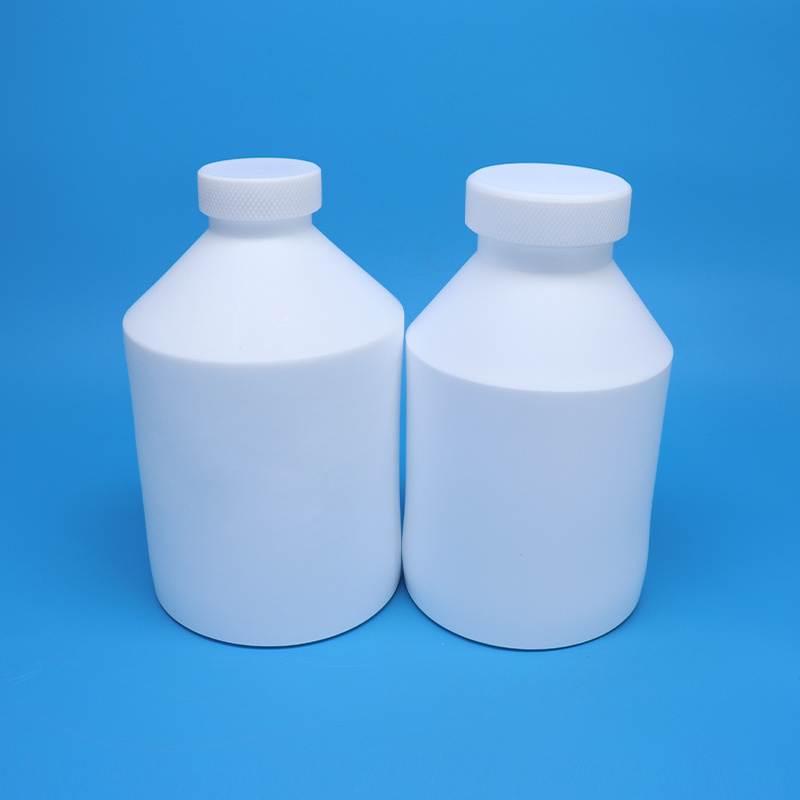
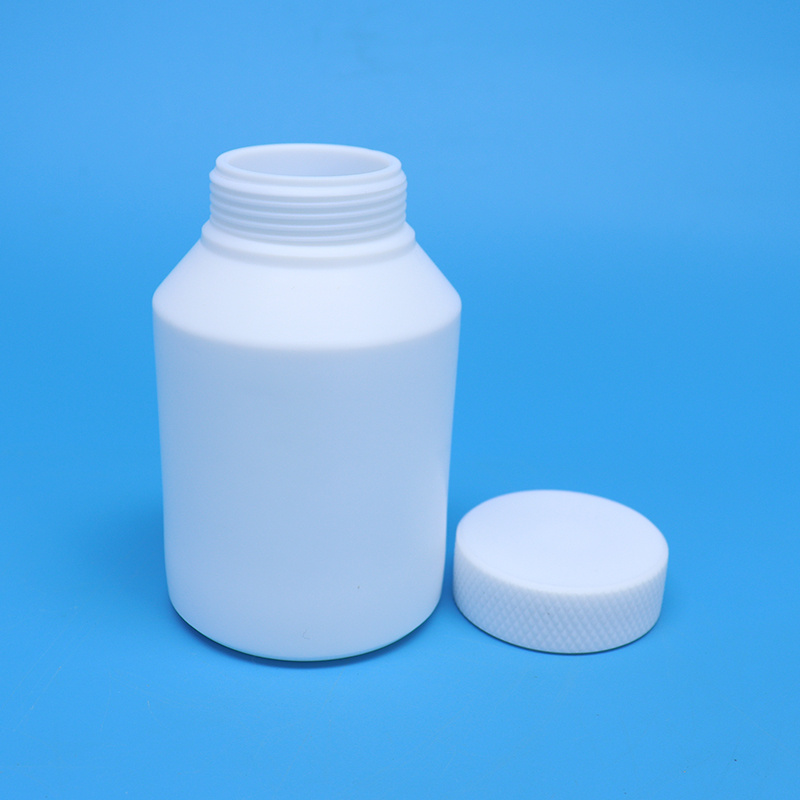
PTFE Reagent Bottle Specs
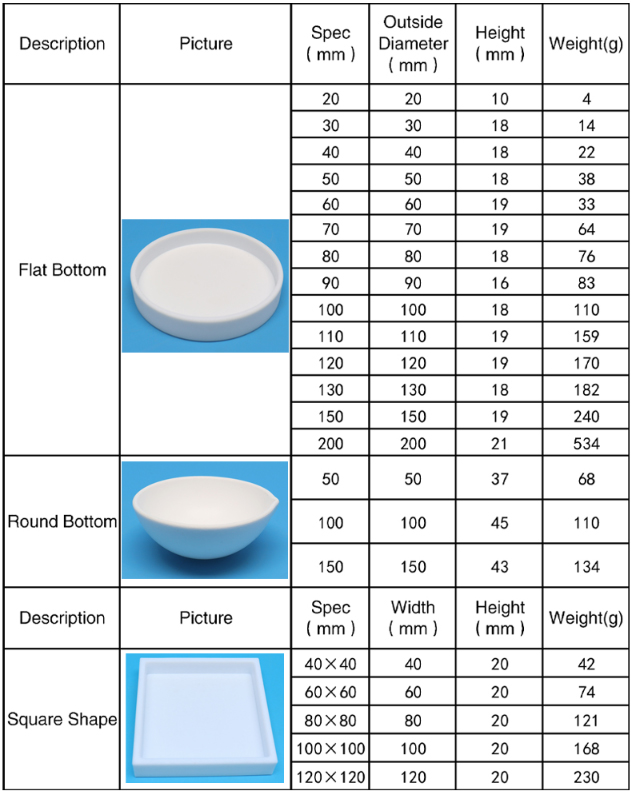
Product Features
Corrosion resistance: It exhibits inertness to most chemical solvents, is resistant to acid and alkali, water, and various organic solvents.
Climate resistance: It has the best aging life among plastics.
High lubrication: It refers to the low friction coefficient in solid materials.
Non adhesive: refers to the smaller surface tension in solid materials.
Frequently Asked Questions (FAQ)
What is the operating temperature range for the PTFE Evaporating Dish?
The dish can operate safely up to 250°C and maintains mechanical toughness down to -196°C with a 5% elongation rate. Heating with open flames must be avoided, as PTFE begins to decompose above 260°C.
How should PTFE labware be heated safely?
Direct heating using open flames is strictly not recommended. For safe and uniform heating, it is advised to use a water bath, oil bath, or an electric heating plate.
What chemicals are compatible with this PTFE dish?
PTFE exhibits universal chemical inertness and is resistant to aqua regia, strong acids, strong alkalis, and various organic solvents. It only reacts with molten alkali metals (such as sodium) and elemental liquid fluorine.
What are the recommended cleaning and sterilization methods?
Recommended cleaning protocols include soaking, scrubbing, acid soaking (e.g., using 5% hydrochloric acid), and high-pressure steam sterilization to ensure zero chemical residue.
What sizes and shapes are available?
Standard sizes range across diameters from 20mm up to 200mm, available in flat bottom, round bottom, and square configurations to suit diverse laboratory requirements.
How should the PTFE evaporating dish be stored to prevent damage?
Avoid contact with hard or sharp objects to prevent scratching the low-friction surface. Keep in a clean, dust-proof environment during long-term storage.